


How to Measure True Impact of Corporate Philanthropy Beyond Donations?
For over two decades in the Corporate Social Responsibility (CSR) and philanthropy space, I've witnessed a persistent challenge: well-intentioned companies pouring millions into causes, only to struggle articulating the true, profound impact of their efforts. It's a common pitfall, born from a focus on the 'what' – the dollar amount donated – rather than the 'so what' – the tangible, measurable change in communities and lives.
The problem isn't a lack of generosity; it's often a lack of strategic foresight and robust measurement frameworks. Many organizations equate philanthropy with writing a check, fulfilling an obligation, and then moving on. This transactional approach leaves both the company and the beneficiaries short-changed, missing opportunities for deeper engagement, greater efficiency, and more sustainable outcomes. Without clear metrics beyond mere donations, it's impossible to optimize strategies, demonstrate value to stakeholders, or truly understand if your giving is making a difference.
In this comprehensive guide, I'll draw upon my experience to equip you with the frameworks, actionable metrics, and expert insights needed to move beyond superficial reporting. We'll explore how to measure true impact of corporate philanthropy beyond donations, transforming your giving into a powerful engine for social good and strategic business value. Prepare to learn how to quantify the qualitative, track long-term change, and communicate your philanthropic journey with unparalleled clarity and conviction.
The Philanthropic Paradox: Why Donations Aren't Enough
Many corporate philanthropy programs begin and end with the donation amount. We celebrate the large checks, issue press releases, and tick a box on the annual report. While financial contributions are undeniably vital, they represent just one piece of a much larger, more complex puzzle. The paradox lies in the assumption that a significant donation automatically translates into significant, sustainable impact.
In my experience, this narrow focus often leads to what I call 'spray and pray' philanthropy – distributing funds across numerous causes without a clear, cohesive strategy or a mechanism to track real-world change. This approach, while well-meaning, can dilute impact, create dependency, and fail to address systemic issues. It also makes it incredibly difficult to justify continued investment to internal stakeholders or to demonstrate genuine commitment to external audiences.
“True philanthropy isn't just about giving money; it's about investing in change and then diligently measuring the return on that social investment.”
To truly excel, companies must evolve their thinking. They must view philanthropy not as an expense, but as a strategic investment in shared value – an investment that demands the same rigor in planning, execution, and measurement as any other business initiative. Without this shift, even the most generous donations risk becoming low-impact gestures, rather than catalysts for profound, lasting change.
Shifting from Transactional to Transformational Giving
The journey to measuring true impact begins with a fundamental shift in mindset: moving from transactional giving to transformational giving. Transactional philanthropy is about the exchange – money for a good deed. Transformational philanthropy is about partnership, long-term vision, and systemic change.
Defining Strategic Philanthropy
Strategic philanthropy aligns a company's giving with its core business values, expertise, and long-term objectives. It's about leveraging not just financial capital, but also human capital (employee skills, volunteer time), intellectual capital (research, innovation), and social capital (networks, influence). This approach ensures that philanthropic efforts are not isolated acts of charity, but integrated components of a broader corporate strategy.
Key elements of strategic philanthropy include:
- Alignment with Core Business: Choosing causes that resonate with your company's mission, values, and even business operations. A tech company might focus on digital literacy; a food company on food security.
- Long-Term Commitment: Moving beyond one-off donations to sustained partnerships that allow for deeper engagement and measurable progress over time.
- Leveraging Non-Financial Assets: Donating employee time, expertise, products, or services alongside financial contributions.
- Focus on Root Causes: Addressing the underlying issues of a problem, rather than just treating the symptoms.
- Clear Objectives & Metrics: Defining what success looks like from the outset and establishing clear, measurable indicators of progress.
Key Frameworks for Impact Measurement: Beyond the Balance Sheet
To truly measure impact, we need robust frameworks that go beyond simply tracking financial outflows. These frameworks provide a structured way to think about, plan, and evaluate the change your philanthropy is creating.
1. The Logic Model Approach
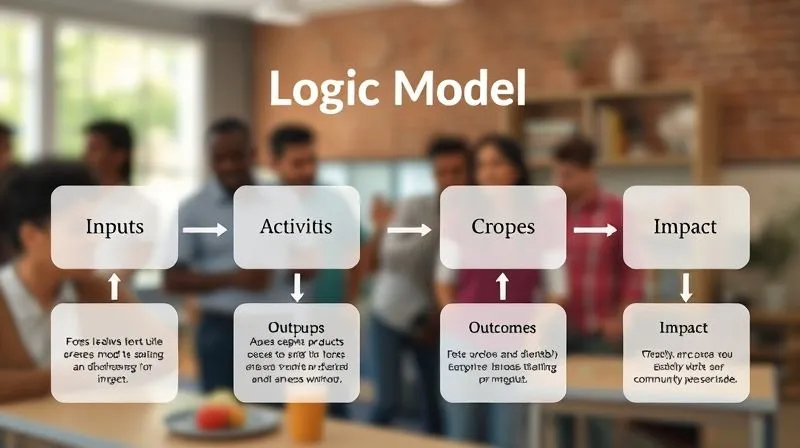
The Logic Model is a visual representation of how a program is expected to work. It lays out the causal chain from inputs to impact, making it an indispensable tool for planning and evaluation. I've found it incredibly effective for clarifying objectives and identifying appropriate metrics.
The model typically includes:
- Inputs: Resources invested (money, staff time, equipment, volunteers).
- Activities: What the program does (training sessions, mentoring, product donations).
- Outputs: Direct products of activities (number of people trained, meals served, hours volunteered). These are quantifiable, but don't tell the full story of change.
- Outcomes: Short-term and medium-term changes that result from the activities and outputs (increased knowledge, improved skills, behavioral changes, better health).
- Impact: Long-term, sustained changes in communities or systems (reduced poverty, improved environmental quality, enhanced community resilience).
By mapping out these stages, companies can identify where to collect data and ensure that their activities are genuinely contributing to desired long-term impacts.
2. Social Return on Investment (SROI)
SROI is a principles-based framework for understanding, measuring, and managing the value of social, environmental, and economic outcomes. It's about telling the story of how change is created by measuring social value and placing a monetary value on it. While complex, it offers a powerful way to communicate impact to financially-minded stakeholders.
The core idea is to identify all relevant outcomes (e.g., improved health, increased employment, reduced crime), quantify them, and then assign a financial proxy to each. For instance, if your program reduces homelessness, the financial proxy might be the cost savings in emergency services or healthcare. The ratio of social value created to investment made gives you the SROI.
While assigning monetary value to social outcomes can be challenging, the process itself forces organizations to think rigorously about their impact. According to a study by Deloitte, companies that apply SROI principles often achieve greater clarity on their philanthropic goals and improve their resource allocation.
| Program Area | Investment | Key Outcome | Quantified Outcome | Financial Proxy per Outcome | Social Value Created | SROI Ratio |
|---|---|---|---|---|---|---|
| Youth Mentorship | $100,000 | Increased High School Graduation Rate | 20 additional graduates | $5,000 (estimated future earnings/reduced social costs) | $100,000 | 1:1 |
| Environmental Restoration | $250,000 | Acres of Habitat Restored | 50 acres | $10,000 (ecosystem services value) | $500,000 | 2:1 |
| Digital Literacy Training | $75,000 | Improved Employability | 30 individuals employed | $3,000 (reduced unemployment benefits/increased tax revenue) | $90,000 | 1.2:1 |
Actionable Metrics: What to Measure and How
Moving beyond frameworks, let's get specific about the types of metrics that truly capture impact beyond the dollar signs. The key is to select metrics that are relevant to your specific program goals and stakeholder interests.
Measuring Community Outcomes
This is where the rubber meets the road – the direct, observable changes in the lives of individuals and communities. These metrics often require a deeper level of engagement with beneficiaries and partner organizations.
- Improved Health: Reductions in disease incidence, increased access to healthcare services, improved nutrition rates, mental well-being scores.
- Enhanced Education: Increased school enrollment/attendance, improved test scores, higher graduation rates, literacy levels, access to educational resources.
- Economic Empowerment: Job creation, increased income levels, business startups, access to financial services, skill development leading to employment.
- Environmental Stewardship: Reduced carbon footprint, acres of land protected/restored, waste diversion rates, increased biodiversity, water quality improvements.
How to collect data:
- Pre/Post Surveys: Administer surveys to beneficiaries before and after program intervention to measure changes in knowledge, attitudes, or behaviors.
- Partner Reporting: Work closely with non-profit partners to establish clear reporting requirements aligned with your desired outcomes.
- Third-Party Evaluations: Engage independent evaluators for unbiased assessment, especially for larger, long-term programs.
- Qualitative Data: Collect testimonials, success stories, and focus group feedback to add richness and context to quantitative data.
Gauging Employee Engagement & Skill-Based Volunteering Impact
Corporate philanthropy isn't just about external impact; it profoundly affects internal stakeholders too. Engaged employees are more productive, loyal, and innovative. Measuring this internal impact is crucial.
When companies leverage skill-based volunteering, the impact multiplies. It's not just about hours; it's about the value of the skills transferred and the development opportunities for employees. As management guru Seth Godin often emphasizes, purpose-driven work can be a powerful motivator.
- Volunteer Hours & Participation Rates: Basic, but essential for understanding engagement levels.
- Employee Satisfaction Scores: Surveys measuring satisfaction with CSR programs, feelings of pride in the company's social impact.
- Skill Development: Track how volunteering opportunities contribute to employees' professional growth (e.g., leadership, project management, cross-cultural communication).
- Retention & Recruitment: Correlate CSR engagement with lower employee turnover and improved ability to attract top talent.
- Pro Bono Value: Calculate the market value of professional services donated (e.g., legal, marketing, consulting).

Assessing Brand Reputation & Stakeholder Perception
Beyond direct social outcomes, philanthropy can significantly enhance a company's reputation, foster trust, and differentiate it in the marketplace. This is a critical aspect of how to measure true impact of corporate philanthropy beyond donations.
- Media Mentions & Sentiment Analysis: Track media coverage related to your philanthropic efforts and analyze the tone (positive, neutral, negative).
- Consumer Surveys: Measure consumer perception of your company's social responsibility, likelihood to recommend, or purchase intent based on CSR.
- Investor Relations: Track ESG (Environmental, Social, Governance) ratings and investor interest in your company's social performance.
- Partnership Strength: Evaluate the quality and longevity of relationships with non-profit partners and community leaders.
Case Study: EcoSolutions' Journey to Measurable Impact
EcoSolutions, a mid-sized environmental consulting firm, traditionally donated 1% of its profits to various environmental charities. While commendable, they struggled to articulate their unique impact. Their leadership felt it was just 'checking a box.' I worked with them to redefine their strategy.
We shifted their focus to a single, deep partnership: restoring a local river ecosystem, leveraging their employees' ecological expertise. They committed not just funds, but hundreds of hours of pro bono consulting, ecological surveying, and community education. We implemented a Logic Model to track progress.
Results: Within three years, they measured a 30% improvement in local water quality (community outcome), a 25% increase in employee volunteer participation, and a 15% rise in positive media mentions tied to their environmental efforts. Employee surveys showed a significant increase in pride and purpose. The CEO could now confidently present tangible impact to the board, demonstrating not just donations, but demonstrable environmental restoration and enhanced employee engagement. This transformed their philanthropy into a core pillar of their brand identity and talent strategy.
Leveraging Technology for Data Collection and Analysis
In today's data-driven world, technology is an indispensable ally in measuring philanthropic impact. Manual tracking is often inefficient, prone to errors, and limits the depth of analysis. Modern tools can streamline data collection, centralize information, and provide powerful visualization capabilities.
Consider leveraging:
- CRM (Customer Relationship Management) for Non-Profits: Platforms like Salesforce's Nonprofit Cloud can track beneficiary data, program participation, and outcomes.
- Impact Measurement Software: Dedicated tools (e.g., Impact Reporting, Social Solutions' Apricot) are designed specifically for tracking social outcomes and generating reports.
- Survey Tools: Platforms like Qualtrics or SurveyMonkey for pre/post surveys, employee engagement feedback, and stakeholder perception.
- Data Visualization Dashboards: Tools like Tableau or Power BI can transform raw data into compelling, easy-to-understand dashboards, making it simple to communicate impact to various audiences.
- Volunteer Management Platforms: Software that tracks volunteer hours, skills utilized, and even generates impact reports based on employee involvement.
The right technology allows you to move beyond anecdotal evidence to robust, data-backed insights, providing a clear picture of how to measure true impact of corporate philanthropy beyond donations.

Overcoming Challenges in Philanthropy Measurement
While the aspiration to measure true impact is high, the path is not without its hurdles. I've guided many organizations through these complexities, and understanding them is the first step to overcoming them.
Data Availability and Quality
Many non-profit partners, especially smaller ones, may lack the resources or expertise to collect and report data in a way that aligns with corporate measurement needs. This requires proactive collaboration, capacity building, and sometimes, providing tools or training to partners.
Attribution and Causality
It's often difficult to definitively attribute a specific social outcome solely to your philanthropic intervention. Real-world change is influenced by a multitude of factors. Focus instead on contribution – demonstrating that your efforts played a significant role in positive change, rather than being the sole cause. This is a nuanced but critical distinction.
Long-Term vs. Short-Term Impact
True societal impact often takes years, even decades, to materialize. Corporate reporting cycles, however, are typically annual. Balancing the need for immediate results with the patience required for systemic change is a constant tension. It's crucial to establish both short-term output/outcome metrics and long-term impact indicators, acknowledging that the latter will evolve over time.
“Patience and persistence are as vital to impact measurement as data itself. Real change unfolds over time, and our measurement strategies must reflect that reality.”
Integrating Impact into Corporate Strategy and Reporting
The ultimate goal is not just to measure impact, but to integrate it into the very fabric of your corporate strategy and public reporting. This elevates philanthropy from a peripheral activity to a core driver of business value and societal good.
When impact measurement is integrated, it informs decision-making, helps allocate resources more effectively, and strengthens your narrative. It allows you to move beyond simply stating what you gave, to proudly articulating the profound difference you made.
Consider integrating your philanthropic impact into:
- Annual Reports & Sustainability Reports: Dedicate sections to quantifiable social and environmental outcomes.
- Investor Briefings: Highlight how your social investments contribute to long-term value, risk mitigation, and brand equity.
- Employee Communications: Share impact stories internally to foster pride and engagement.
- Marketing & PR Campaigns: Use compelling impact data to strengthen your brand narrative and connect with values-driven consumers.
- ESG Reporting Frameworks: Align your impact data with global standards like the Global Reporting Initiative (GRI) or the Sustainability Accounting Standards Board (SASB), which are increasingly important for investors. The World Economic Forum consistently highlights the importance of integrated reporting for stakeholder capitalism.
By making impact measurement a cornerstone of your corporate narrative, you not only demonstrate accountability but also inspire greater confidence and trust among all your stakeholders.

Frequently Asked Questions (FAQ)
What's the difference between outputs and outcomes in philanthropy measurement? Outputs are the direct, tangible results of your activities – things you can count, like 'number of meals served' or 'number of volunteers engaged.' Outcomes, on the other hand, are the changes that result from those outputs, such as 'improved nutrition for beneficiaries' or 'increased job skills for volunteers.' Outcomes are about the change, not just the activity.
How can small companies with limited resources measure impact effectively? Even small companies can measure impact. Start simple: identify 1-2 key outcomes you want to achieve, use free survey tools, and rely heavily on qualitative data like testimonials and success stories. Partner closely with non-profits who may already be collecting some relevant data. Focus on 'contribution' rather than 'attribution' and tell compelling stories supported by even basic metrics.
Is it possible to put a monetary value on all social impacts? While frameworks like SROI attempt to monetize social value, it's important to acknowledge that not all impacts can or should be reduced to a dollar figure. The true value of improved human dignity, strengthened community bonds, or enhanced mental well-being is often immeasurable in financial terms. Use monetary proxies where appropriate, but also embrace and report on the qualitative, non-financial aspects of your impact.
How often should we measure and report on our philanthropic impact? Measurement should be ongoing, integrated into program design from the start. Reporting frequency depends on your program cycle and stakeholder needs. Annually is standard for external reports, but quarterly or bi-annual internal reviews allow for course correction. For long-term impacts, establish milestones and check-ins every few years.
What if our impact data isn't as positive as we hoped? This is a critical learning opportunity, not a failure. Honest reporting, even of less-than-ideal results, builds trust. Use the data to understand why the impact wasn't as expected, iterate on your strategy, and improve future programs. Transparency about challenges and lessons learned is a hallmark of truly effective and accountable philanthropy, as highlighted by publications like the Stanford Social Innovation Review.
Key Takeaways and Final Thoughts
The journey to truly measure impact beyond donations is an evolutionary one, demanding strategic thinking, robust frameworks, and a commitment to continuous learning. It's about moving from simply giving to genuinely investing in change, and then rigorously tracking the dividends of that investment – not just in financial terms, but in human and societal well-being.
- Shift Your Mindset: View philanthropy as a strategic investment, not merely an expense.
- Embrace Frameworks: Utilize Logic Models and SROI principles to structure your thinking and measurement.
- Diversify Your Metrics: Look beyond financial inputs to measure community outcomes, employee engagement, and brand reputation.
- Leverage Technology: Use modern tools for efficient data collection, analysis, and compelling visualization.
- Collaborate & Communicate: Work closely with partners and transparently report your findings, even when challenging.
In my experience, companies that master how to measure true impact of corporate philanthropy beyond donations don't just do good; they inspire, innovate, and ultimately build more resilient, respected, and successful enterprises. Your commitment to social good deserves to be understood, celebrated, and amplified by genuine, measurable impact. Begin this journey today, and watch your philanthropy transform into a powerful force for enduring positive change.
Recommended Reading
- Unlock Your IP Rights: How to Draft a Simple Intellectual Property License
- Market Expansion Challenges: A Small Business Survival Guide
- Stop the Flood: 7 Proven Ways to Qualify Sales Automation Leads & Boost ROI
- Unlock HR Budget: 7 Steps to Prove Onboarding ROI & Secure Funds
- Unlock Peak Potential: How to Develop a Performance Coaching Culture





Comments
Leave a comment below. Your email will not be published. Required fields marked with *