


How to Overcome Franchisor Transfer Approval Delays for My Sale?
For over two decades in the franchising world, I've witnessed the exhilarating highs of a successful franchise sale and the frustrating lows when a promising deal grinds to a halt. The culprit, more often than not, isn't a lack of buyer interest or a poor business model, but rather an unexpected snag in the franchisor's transfer approval process. It’s a common bottleneck that can test the patience of even the most seasoned franchisee.
The excitement of finding the perfect buyer, negotiating terms, and envisioning your next chapter can quickly turn to dread when weeks turn into months without a definitive 'yes' from your franchisor. This limbo can jeopardize the sale, erode buyer confidence, and leave you feeling powerless. You’ve done your part, but now you’re dependent on an external entity with its own priorities and timelines.
But here's the good news: you are not powerless. In this definitive guide, I'll share my battle-tested strategies and frameworks on how to overcome franchisor transfer approval delays for my sale. We'll delve into the franchisor's perspective, equip you with proactive preparation tactics, and arm you with communication and contingency plans to navigate these challenges and secure your sale efficiently.
Deconstructing the Franchisor's Perspective: Why Do Delays Happen?
To effectively address delays, you must first understand them from the franchisor's viewpoint. They aren't trying to be difficult; they're safeguarding their brand, network, and future. Their due diligence is rigorous because a bad transfer can have long-lasting, negative repercussions for their entire system. Ignoring this perspective is a common mistake I've seen many franchisees make.
Protecting Brand Integrity and Standards
Every franchisor invests heavily in building and maintaining their brand image, operational standards, and customer experience. A new franchisee, even with the best intentions, could inadvertently dilute these standards if not properly vetted and trained. Delays often stem from the franchisor's need to thoroughly assess whether the prospective buyer aligns with their core values and has the capacity to uphold the brand's reputation.
Financial Scrutiny of the Buyer
The financial stability of a new franchisee is paramount. A franchisor needs assurance that the buyer has not only the capital to acquire the business but also sufficient working capital to operate it successfully and withstand initial challenges. This isn't just about the purchase price; it's about the long-term viability of that specific franchise unit. Expect detailed requests for financial statements, credit reports, and business plans.
Legal and Compliance Due Diligence
Franchise agreements are complex legal documents, and the transfer process involves numerous legal and regulatory compliances. Franchisors must ensure that the transfer adheres to the terms of the existing franchise agreement, state and federal franchise laws, and any relevant local regulations. This often involves legal review, background checks, and ensuring the buyer understands and accepts all contractual obligations.
Expert Insight: "A franchisor's primary concern during a transfer is mitigating risk. Every delay, every extra document requested, is often a direct reflection of their need to protect their extensive investment in the brand and their entire network."
Proactive Preparation: The Cornerstone of a Smooth Transfer
The best defense against transfer approval delays is a strong offense. My experience has taught me that most delays can be significantly mitigated, if not entirely avoided, through meticulous preparation. This isn't just about having documents ready; it's about anticipating the franchisor's needs and addressing them before they even ask.
Master Your Franchise Agreement
Your franchise agreement is your blueprint. Before you even list your business, thoroughly review the transfer provisions. Understand the franchisor's rights, your obligations, specific timelines for notification, required fees, and any conditions for buyer approval. Knowledge here is power. Are there specific criteria the buyer must meet? Are there training requirements? Knowing these upfront allows you to pre-qualify your buyer more effectively.
Pre-Qualify Your Buyer Rigorously
Don't just accept any offer. Vet your potential buyers against the franchisor's known criteria. Ask for financial disclosures early, discuss their business experience, and assess their understanding of the franchise model. The more aligned your buyer is with what the franchisor is looking for, the smoother the approval process will be. This proactive step is crucial to how to overcome franchisor transfer approval delays for my sale.
Assemble a "Transfer Readiness" Document Package
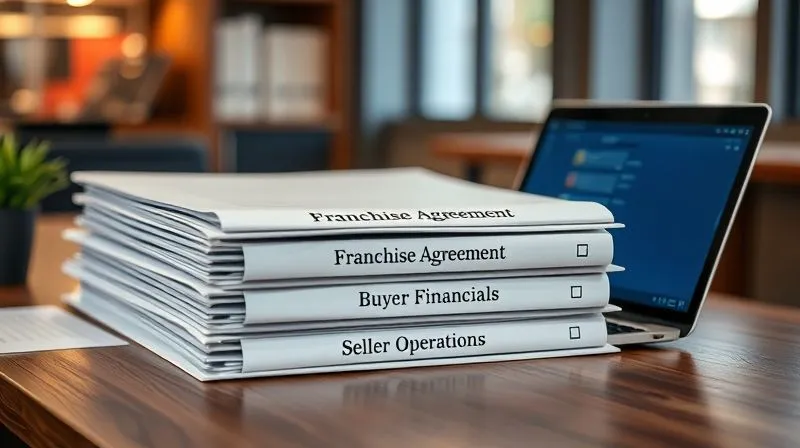
Create a comprehensive package of all documents you anticipate the franchisor will require from you and the buyer. This includes your existing franchise agreement, operating history, financial statements, and a clear outline of the proposed sale terms. Guide your buyer to prepare their own comprehensive package, including: a detailed resume, personal financial statements, credit reports, and a preliminary business plan for the franchise.
- Review Franchise Agreement: Identify all transfer clauses, fees, and requirements.
- Compile Seller Documents: Gather your P&Ls, tax returns, lease agreements, and operational history.
- Develop Buyer Checklist: Create a list of all documents the franchisor will likely request from the buyer (e.g., resume, financial statements, credit report, business plan).
- Prepare a Letter of Intent (LOI) or Purchase Agreement Draft: Ensure it clearly outlines the proposed terms of sale and includes contingencies for franchisor approval.
- Anticipate FAQs: Prepare answers to common questions about your business's performance and the buyer's qualifications.
Strategic Communication: Building Bridges, Not Walls
Effective communication is a powerful tool in preventing and resolving delays. Your franchisor is a partner in this process, not an adversary. Approaching them with transparency, respect, and a collaborative mindset will yield far better results than an adversarial stance. I’ve seen deals saved purely by the right communication strategy.
Early Notification and Engagement
As soon as you have a serious buyer and an agreed-upon Letter of Intent (LOI), notify your franchisor. Don't wait until everything is finalized. Provide them with preliminary information about the buyer and the proposed terms. This early heads-up allows them to begin their internal processes and flag any potential issues early. It also demonstrates your professionalism and respect for their role.
Designating a Single Point of Contact
To avoid confusion and streamline communication, designate one person to liaise with the franchisor. This could be you, your franchise broker, or your attorney. Ensure this individual is knowledgeable, responsive, and understands the nuances of the deal. The franchisor will appreciate a clear, consistent channel for information exchange, reducing the chances of miscommunication causing delays.
Transparent and Timely Information Flow
Be prepared to provide information promptly and completely. If the franchisor requests additional documents or clarification, respond as quickly and thoroughly as possible. Any perceived foot-dragging on your part or the buyer’s part can easily translate into approval delays. Transparency builds trust, which is invaluable in this process. According to a study by Forbes, clear communication is a hallmark of successful business transactions.
Expert Insight: "Proactive communication isn't just about sharing information; it's about anticipating questions and providing answers before they're even asked. This level of foresight can shave weeks off the approval timeline."
To ensure you're on track with your communication, consider this checklist:
| Action Item | Timeline | Responsible Party | Status |
|---|---|---|---|
| Initial Franchisor Notification | Immediately after LOI | Seller/Broker | Complete |
| Buyer Profile Submission | Within 3-5 business days | Buyer/Broker | In Progress |
| Financial Document Submission (Buyer) | Within 7-10 business days | Buyer | Pending |
| Franchisor Interview Scheduling | As requested | Seller/Buyer | Pending |
| Regular Status Updates (internal) | Weekly | Seller/Broker | Ongoing |
Navigating the Financial Labyrinth: Buyer Vetting & Support
Financial approval is often the most critical and time-consuming part of the transfer process. Franchisors need to be absolutely confident in the buyer's ability to not only purchase the business but also operate it successfully. Your role here is to facilitate, guide, and support your buyer through this often daunting stage.
Understanding Franchisor Financial Requirements
Beyond the purchase price, franchisors typically have minimum net worth and liquid capital requirements. They want to see that the buyer has reserves for unexpected expenses, inventory, and marketing. Familiarize yourself with these benchmarks from your franchise agreement or by asking your franchisor directly (if permissible). This knowledge helps you identify suitable buyers from the outset.
Guiding Your Buyer Through Financial Disclosure
Many buyers are unfamiliar with the level of financial scrutiny involved in a franchise transfer. Help them understand the importance of complete, accurate, and timely financial disclosures. This includes personal financial statements, tax returns, bank statements, and any loan pre-approval letters. Advise them to be transparent and to explain any unusual items proactively, rather than waiting for the franchisor to question them.
Addressing Funding Gaps Proactively
If there's a potential gap in the buyer's funding, work with them to explore solutions before the franchisor raises concerns. This might involve guiding them toward reputable small business lenders, explaining SBA loan processes, or even considering seller financing options if you're comfortable and your agreement allows. Proactively tackling these issues demonstrates diligence and can prevent significant delays down the line. Resources like the Small Business Administration (SBA) offer valuable insights into financing options.
Case Study: How Sarah Secured Buyer Approval for 'The Daily Grind' Franchise
Sarah, a franchisee of 'The Daily Grind' coffee shop, found a promising buyer, Mark. Mark had good business experience but was slightly short on the franchisor's liquid capital requirement. Instead of waiting for a denial, Sarah and her broker proactively worked with Mark. They helped him secure a line of credit against his existing home equity, which, combined with his other assets, met the franchisor's threshold. Sarah then presented this complete financial picture to the franchisor, emphasizing Mark's strong operational background and the secured financing. The franchisor, seeing the proactive solution and Mark's commitment, approved the transfer within a standard timeframe, avoiding what could have been a lengthy and frustrating delay.
Legal & Administrative Expediting: Cutting Through Red Tape
The legal and administrative aspects of a franchise transfer can be complex, involving numerous forms, disclosures, and contractual obligations. Navigating this efficiently requires precision and a clear understanding of the process. This is another crucial area for how to overcome franchisor transfer approval delays for my sale.
Leveraging Your Legal Counsel
Engage a franchise attorney who specializes in transfers. They can review the franchisor's transfer documents, ensure your interests are protected, and help interpret complex clauses in your franchise agreement. More importantly, they can act as a knowledgeable intermediary, communicating with the franchisor's legal team to resolve any legal questions or concerns quickly, often pre-empting potential delays. For more on franchise law, consult resources like the American Bar Association's Franchise Law Forum.
Understanding the Transfer Application Form (TAF)
The Transfer Application Form (TAF) or similar document is the franchisor's primary tool for gathering information about the buyer. It's often lengthy and detailed. Guide your buyer through completing this form meticulously. Ensure every blank is filled, every question answered accurately, and all required attachments are included. Incomplete forms are a guaranteed cause of delay.
Following Up Without Being Pestering
Regular, polite follow-ups are essential, but there’s a fine line between diligence and annoyance. Establish a reasonable cadence for checking in (e.g., weekly or bi-weekly). Always inquire about the status professionally, offer to provide any additional information, and express your commitment to a smooth process. Avoid demanding answers or expressing frustration, which can be counterproductive.
- Initial Legal Review: Have your attorney review the franchise agreement and transfer documents.
- Buyer Document Verification: Ensure the buyer's submitted documents are complete and accurate before forwarding to the franchisor.
- Franchisor Interview Preparation: Prepare your buyer for potential interviews with franchisor representatives, focusing on their business acumen and commitment to the brand.
- Review of Franchisor's Approval Letter: Once approved, carefully review the terms of the approval letter with your attorney to ensure no new, unfavorable conditions have been introduced.
Contingency Planning: What If Delays Persist?
Despite best efforts, delays can still occur. This is where a robust contingency plan becomes invaluable. Having a clear understanding of your options and a strategy for addressing prolonged delays can prevent a deal from collapsing entirely.
Setting Realistic Timelines and Expectations
From the outset, communicate realistic timelines to your buyer, based on your franchise agreement and your franchisor's typical process. It's better to overestimate slightly than to promise a quick approval and then face disappointment. Building in buffer time for unexpected delays can manage expectations and reduce stress for all parties. A typical approval can take anywhere from 30 to 90 days, depending on the complexity and franchisor's internal resources.
Escalation Protocols
Understand the franchisor's internal escalation process. If delays become unreasonable or communication ceases, know who to contact higher up the chain. This might involve reaching out to a regional director, the head of franchise development, or even the CEO if absolutely necessary. Always approach escalation professionally, with documented facts and a clear request for assistance. This is a critical step for how to overcome franchisor transfer approval delays for my sale when standard methods fail.
Renegotiation and Alternative Solutions
In some rare cases, prolonged delays might necessitate renegotiation of terms with the buyer. This could involve extending deadlines, adjusting the purchase price if the delay causes significant impact, or exploring creative solutions like a temporary management agreement if the franchisor is amenable. Always consult with your legal and financial advisors before considering any renegotiation.
Expert Insight: "Flexibility is key. While you want to push for efficiency, rigidly sticking to original timelines when delays are unavoidable can break a deal. Be prepared to adapt and find common ground."
Post-Approval Best Practices: Ensuring a Seamless Handover
Once the franchisor's approval is in hand, the finish line is in sight, but there are still critical steps to ensure a smooth transition. A seamless handover benefits everyone, especially the incoming franchisee and the brand.
Training and Onboarding Facilitation
Even after approval, the buyer typically needs to complete the franchisor's required training program. Facilitate this process by connecting your buyer with the right franchisor contacts and offering any local insights or practical tips you have. A well-prepared new franchisee is a successful one, which reflects positively on you and the network. The International Franchise Association (IFA) emphasizes the importance of robust training for new franchisees.
Finalizing Closing Documents
Work closely with your attorneys, the buyer's attorneys, and the franchisor to ensure all closing documents are prepared accurately and executed promptly. This includes the assignment of the franchise agreement, lease assignments, asset purchase agreements, and any other necessary legal paperwork. Double-check everything to avoid last-minute glitches.

Frequently Asked Questions (FAQ)
What's a reasonable timeline for franchisor approval? Typically, franchisor approval can range from 30 to 90 days, depending on the complexity of the transfer, the completeness of the application, and the franchisor's internal resources. Highly organized franchisors with streamlined processes might be quicker, while larger, more bureaucratic systems can take longer. Always factor in buffer time.
Can a franchisor unreasonably deny a transfer? Generally, no. Franchise agreements usually stipulate that a franchisor cannot unreasonably withhold consent to a transfer. However, 'unreasonable' is often subject to interpretation. Denials are usually based on valid concerns regarding the buyer's financial stability, experience, background checks, or ability to meet brand standards. If you believe a denial is truly unreasonable, consulting with a franchise attorney is crucial.
Should I use a broker specializing in franchise resales? Absolutely. A good franchise broker, especially one experienced in resales, can be invaluable. They understand the nuances of the transfer process, can help pre-qualify buyers, assist with document preparation, and act as a buffer in communications with the franchisor, often expediting the process significantly. Their fees are typically offset by a smoother, faster sale.
What if the buyer wants to change the business model slightly? This is almost always a deal-breaker. A franchise system is built on consistency and adherence to a proven model. Franchisors are highly unlikely to approve a transfer where the buyer intends to deviate from the established operational standards, product offerings, or brand identity. Any such desire from a buyer should be a red flag, as it will almost certainly lead to a denial.
How do I manage buyer anxiety during delays? Transparency and proactive communication are key. Keep your buyer informed about the status, even if there's no new news. Reassure them that delays are often part of the process and not necessarily a reflection on them. Provide them with any non-confidential updates from the franchisor and reinforce your commitment to closing the deal. A calm, confident demeanor from you can help alleviate their stress.
Key Takeaways and Final Thoughts
Navigating franchisor transfer approval delays can be one of the most stressful aspects of selling your franchise. However, with the right strategy, preparation, and mindset, you can significantly mitigate these challenges and ensure a smoother path to closing your deal.
- Understand the Franchisor: Empathize with their need to protect the brand and mitigate risk.
- Prepare Proactively: Master your agreement, rigorously pre-qualify buyers, and assemble complete document packages.
- Communicate Strategically: Engage early, be transparent, and maintain a consistent point of contact.
- Support Your Buyer: Guide them through financial disclosures and proactively address any funding concerns.
- Leverage Expertise: Utilize your broker and attorney to navigate legal and administrative complexities.
- Plan for Contingencies: Set realistic timelines and have an escalation strategy for persistent delays.
Remember, selling a franchise is a marathon, not a sprint. By applying these expert-backed strategies, you're not just reacting to problems; you're proactively shaping a successful outcome. Stay diligent, remain professional, and you will overcome franchisor transfer approval delays for your sale, paving the way for your next exciting venture. Your hard work in building your business deserves a smooth and successful exit.
Recommended Reading
- Mastering Reflective Products: 7 Pro Tips for Glare-Free E-commerce Photos
- 7 Metrics: How to Measure ROI of Brand Building Effectively?
- 7 Steps to Motivate a Disengaged Hybrid Team Effectively
- Boost B2B Channel ROI: 7 Proven Strategies for Existing Networks
- 7 Proven Strategies: Negotiate Sales Deals & Maximize Profit Margins





Comments
Leave a comment below. Your email will not be published. Required fields marked with *