


How to Prevent Burnout in High-Performing Remote Talent?
For over 15 years in the remote work sector, I've seen a recurring, insidious problem that few companies openly address: the silent erosion of their most valuable asset – their high-performing remote talent – due to burnout. It's not always the visible slacker who struggles; often, it's the driven, self-motivated individual, pushing boundaries and exceeding expectations, who quietly reaches their breaking point.
This isn't a mere dip in productivity; it’s a systemic issue where the very traits that make these individuals exceptional – their dedication, autonomy, and strong work ethic – can become their undoing in an unstructured remote environment. The lines between work and life blur, the pressure to always be 'on' intensifies, and the absence of traditional office cues makes it harder to recognize the signs of impending exhaustion.
In this definitive guide, I will share actionable frameworks, real-world strategies, and expert insights drawn from my extensive experience to help you not just identify, but proactively prevent burnout in your high-performing remote talent. We'll explore how to cultivate an environment where your top performers can thrive sustainably, maintaining their drive without sacrificing their well-being.
Understanding the Unique Burnout Triggers for Remote High-Performers
Preventing burnout starts with understanding its root causes, especially as they manifest uniquely in a remote context for high-achievers. These individuals often possess an internal drive that, while beneficial for productivity, can also make them vulnerable to self-imposed pressures.
The Illusion of Always-On Availability
One of the most significant triggers is the expectation, often self-imposed, of constant availability. In a remote setup, the physical separation from the workplace can lead to blurred boundaries. There’s no commute to signal the start or end of the workday, and notifications can ping at any hour, creating a perpetual state of readiness.
High-performers, eager to demonstrate their commitment and responsiveness, often fall into the trap of working longer hours, checking emails late into the evening, or starting early. This 'always-on' mentality slowly erodes personal time, leading to chronic fatigue and a diminished capacity for recovery.
The Pressure Cooker of Self-Management
While autonomy is a hallmark of remote work and a motivator for many high-performers, it can also be a double-edged sword. Without direct managerial oversight or the informal check-ins of an office, these individuals are often left to manage their own workloads and deadlines with minimal external intervention.
For those with a strong sense of responsibility and a desire for excellence, this can translate into an intense internal pressure to over-deliver continually. They might take on too much, find it difficult to delegate, or spend extra hours perfecting tasks, all without the natural breaks or social distractions that an office environment might offer.
Isolation and Lack of Informal Support
The social fabric of an office, with its spontaneous water cooler chats, quick desk-side questions, and shared lunch breaks, provides crucial informal support and a sense of belonging. Remote high-performers often miss out on these organic interactions.
This isolation can lead to feelings of loneliness, reduced opportunities for informal feedback or recognition, and a lack of a sounding board for challenges. Over time, this can chip away at their motivation and emotional resilience, making them more susceptible to burnout.
"Intrinsic motivation, while powerful, can sometimes lead to self-exploitation in the absence of clear external boundaries. High-performers need structured support to channel their drive sustainably."
Understanding these unique triggers is the first step. Now, let's dive into practical strategies to address them head-on.

Strategy 1: Cultivating a Culture of Deliberate Disconnection
The antidote to the 'always-on' culture is deliberate disconnection. This isn't about ignoring work; it's about creating explicit boundaries and encouraging practices that allow for mental and physical recovery. As leaders, we must model and enforce this.
Establishing Clear Boundaries and Expectations
It's vital to set clear expectations around working hours and responsiveness. This isn't about micromanaging; it's about providing a framework for healthy work-life integration. Companies should communicate core working hours and encourage employees to log off outside of these times.
- Define Core Collaboration Hours: Establish specific hours when team members are expected to be available for meetings and synchronous communication. Outside these hours, encourage asynchronous work.
- Implement 'Digital Off-Ramps': Encourage employees to close work applications, mute notifications, and even turn off work devices at the end of their workday.
- Lead by Example: Managers and leaders must actively demonstrate healthy boundaries by not sending emails or messages outside of core hours, or by clearly indicating that a message sent late doesn't require an immediate response.
- Set Response Time Expectations: Clearly communicate what constitutes a reasonable response time for different types of communications (e.g., 24 hours for non-urgent emails, immediate for critical alerts).
The Power of Asynchronous Communication
Moving away from a default of real-time communication can significantly reduce pressure. Asynchronous communication allows individuals to respond when it's convenient, reducing interruptions and fostering deeper focus. This is particularly beneficial for high-performers who thrive on deep work.
Platforms like Slack, Microsoft Teams, or project management tools should be configured to support this. Encourage the use of channels for updates, structured comments on documents, and shared project boards over constant direct messages or spontaneous calls. This shift requires a cultural change, emphasizing thoughtful responses over immediate ones. For more on this, consider insights from Harvard Business Review on the benefits of asynchronous work.
"A leader's greatest gift to their team is not just setting expectations for performance, but also for well-being. Modeling healthy boundaries is non-negotiable."
Strategy 2: Implementing Proactive Well-being Check-ins and Support Systems
Burnout often builds silently. Proactive intervention requires regular, empathetic check-ins that go beyond task-oriented discussions. This is about psychological safety and demonstrating genuine care.
Beyond the Annual Performance Review: The Art of the 'Pulse Check'
Formal reviews are too infrequent to catch the early signs of burnout. Instead, implement regular, informal 'pulse checks' designed to gauge well-being and workload. These should be separate from performance discussions, focusing purely on the individual's state.
- Schedule Bi-Weekly or Monthly Informal Chats: These aren't performance reviews. Ask open-ended questions like, "How are you genuinely feeling about your workload?" or "What's one thing I can do to better support you this week?"
- Listen Actively and Empathetically: Pay attention to verbal cues (tone, hesitation) and non-verbal cues (if on video). Validate their feelings and avoid immediately jumping to solutions.
- Focus on Capacity, Not Just Output: Inquire about their energy levels, their ability to disconnect, and whether they feel overwhelmed. High-performers often hesitate to admit struggles, so create a safe space.
- Document and Follow Up: Keep brief, confidential notes and follow up on any concerns raised in subsequent check-ins. This shows you remember and care.
Leveraging Technology for Mental Health Support
Beyond individual check-ins, provide access to professional well-being resources. Many companies now offer Employee Assistance Programs (EAPs) or subscriptions to mental wellness apps as part of their benefits package. Promote these actively and destigmatize their use.
Consider anonymous surveys to gauge overall team well-being and identify common stressors without singling out individuals. These tools can provide valuable insights into systemic issues that might be contributing to burnout. Research shows that EAPs can be highly effective in supporting employee mental health.
| Check-in Frequency | Focus | Benefit |
|---|---|---|
| Weekly 1:1 | Workload, well-being, immediate blockers | Early detection, strong rapport, quick adjustments |
| Bi-weekly Pulse Check | Emotional state, energy levels, work-life balance | Consistent support, builds trust, prevents accumulation of stress |
| Monthly Deep Dive | Career growth, skill development, long-term goals, overall satisfaction | Holistic view, strategic support, career alignment |
Strategy 3: Empowering Autonomy and Flexible Work Design
High-performers thrive on autonomy. When managed effectively, it can be a powerful tool against burnout. The key is to empower them with control over their work, rather than simply handing down tasks.
Trust, Not Surveillance: Shifting from Hours to Outcomes
Micromanagement is a surefire way to stifle high-performers and accelerate burnout. Instead, focus on outcomes and impact. Trust your talent to manage their time and approach, provided they meet agreed-upon objectives. This involves clear goal-setting and regular, but not intrusive, progress updates.
Avoid monitoring tools that track keystrokes or active time; these erode trust and create an environment of anxiety. Instead, invest in project management tools that facilitate transparency around progress and deliverables, allowing teams to see what's being accomplished without feeling constantly watched.
Personalized Workloads and Growth Opportunities
High-performers are often driven by challenge and growth. However, simply piling on more work isn't sustainable. Instead, focus on personalized workloads that align with their strengths and development goals, offering opportunities for meaningful contribution without overwhelming them.
- Skill-Based Delegation: Assign projects that leverage and stretch their specific talents, rather than just filling their plate.
- Project Ownership: Give them greater ownership over projects, from conception to completion, fostering a sense of purpose and control.
- Development Paths: Connect their work to clear career development paths, showing them how their efforts contribute to their long-term growth.
Case Study: How Apex Innovations Re-energized Its Engineering Team
Apex Innovations, a mid-sized software company, noticed a disturbing trend: their senior engineers, known for their relentless dedication, were showing signs of exhaustion and disengagement. Their solution wasn't to reduce workload across the board, but to implement a 'Flex-Focus' initiative.
Each engineer was empowered to design their own weekly schedule, ensuring core collaboration hours were met, but allowing for deep work blocks or even a mid-week break. They also introduced 'Innovation Fridays,' where engineers could dedicate 20% of their time to personal projects or learning, completely disconnected from client work. The result? Within six months, reported stress levels dropped by 40%, and project delivery efficiency improved by 15%, as engineers returned to their tasks refreshed and creatively recharged.
Strategy 4: Fostering Meaningful Connection and Community
Combating isolation is critical for preventing burnout in high-performing remote talent. Humans are social creatures, and a sense of belonging is fundamental to well-being and sustained motivation. This requires intentional effort in a remote setting.
Virtual Water Coolers and Social Initiatives
Create dedicated, non-work-related virtual spaces where team members can connect informally. These can be specific Slack channels for hobbies, virtual coffee breaks, or even online game nights. The goal is to replicate the spontaneous social interactions that happen in an office.
- Scheduled Social Time: Organize optional virtual coffee breaks, lunch & learns on non-work topics, or team happy hours.
- Interest-Based Channels: Create channels for shared interests like #pet-lovers, #book-club, #fitness-challenges.
- Virtual Team Building: Invest in facilitated virtual team-building activities that encourage interaction and camaraderie.
Peer Support Networks and Mentorship
High-performers benefit immensely from connecting with peers who understand their challenges. Establish formal or informal peer support networks where individuals can share experiences, offer advice, and provide emotional support. Mentorship programs, pairing senior high-performers with emerging talent, can also create valuable bonds and reduce feelings of isolation.
"Psychological safety is the bedrock of a resilient remote team. When individuals feel safe to be vulnerable, to ask for help, and to connect authentically, burnout loses its grip."
These connections build a sense of community that acts as a buffer against the stresses of remote work, ensuring that even when working alone, employees feel part of something larger.

Strategy 5: Recognizing and Rewarding Effort, Not Just Output
High-performers are often intrinsically motivated, but consistent recognition and reward, especially for effort and well-being, are crucial for long-term sustainability. It reinforces desired behaviors and makes them feel valued beyond their immediate output.
Beyond Bonuses: The Impact of Genuine Appreciation
While monetary rewards are appreciated, genuine, timely, and specific recognition can be even more impactful. Acknowledging effort, resilience, and smart decision-making, not just the final result, is key. This is especially true for remote teams where informal praise might be less frequent.
- Public Shout-Outs: Use team meetings or company-wide communication channels to highlight specific contributions and positive behaviors.
- Personalized Thank You Notes: A handwritten card or a thoughtful email from a manager can go a long way.
- Peer Recognition Programs: Empower team members to recognize each other's contributions, fostering a culture of mutual appreciation.
According to Forbes, effective employee recognition significantly boosts morale and retention.
Promoting Rest and Recovery as a Performance Metric
This might sound counter-intuitive, but actively encouraging and even rewarding rest can be a powerful burnout prevention strategy. When leaders explicitly state that taking breaks, using vacation time, and prioritizing personal well-being are valued, it shifts the narrative from constant grind to sustainable performance.
- Encourage Vacation Usage: Actively remind employees to take their allotted vacation time and ensure coverage plans are in place to allow for true disconnection.
- Promote Micro-Breaks: Encourage short, frequent breaks throughout the workday to recharge, especially for high-focus tasks.
- Celebrate Disconnection: Publicly acknowledge team members who take proper breaks or disconnect completely during their time off. This reinforces the value of recovery.
By making rest a visible and valued aspect of team culture, you send a clear message: long-term sustainability is prioritized over short-term bursts of unsustainable effort.
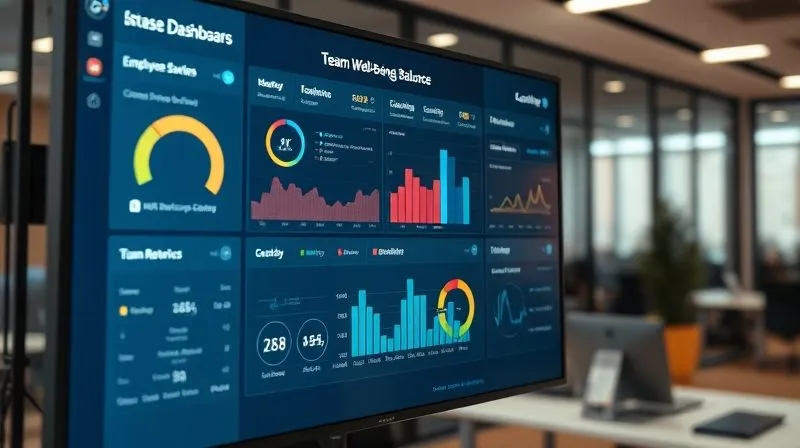
Leveraging Data: Identifying Early Warning Signs of Burnout
While empathy and direct communication are paramount, data can provide objective insights into team well-being and help identify potential burnout risks before they become critical. This isn't about surveillance, but about informed decision-making.
Quantitative Metrics: Engagement Surveys and Productivity Trends
Regular, anonymous employee engagement surveys can provide a pulse on overall team sentiment, stress levels, and work-life balance. Look for trends in:
- eNPS (Employee Net Promoter Score): A dip can indicate broader dissatisfaction.
- Stress & Well-being Scores: Direct questions about stress levels, sleep quality, and ability to disconnect.
- Workload Perception: How employees perceive their workload and capacity.
While individual productivity metrics should be handled with extreme care to avoid fostering anxiety, aggregate trends can sometimes signal issues. A sudden, unexplained dip in a high-performer's output or engagement might warrant a discreet, empathetic check-in.
Qualitative Insights: One-on-Ones and Feedback Loops
Quantitative data needs qualitative context. The insights gathered during your informal pulse checks (Strategy 2) are invaluable. Create channels for anonymous feedback where employees can share concerns without fear of reprisal. This could be through an anonymous suggestion box, a dedicated email address, or third-party survey tools.
Actively listen to team discussions, observing patterns in complaints or recurring themes around workload, tools, or communication. These qualitative insights often provide the 'why' behind the 'what' in your quantitative data.
| Burnout Indicator | Potential Cause | Action Recommended |
|---|---|---|
| Sudden dip in quality/output | Exhaustion, lack of focus | Proactive, empathetic 1:1 check-in, workload review |
| Increased irritability or withdrawal | Stress, isolation | Encourage social connection, offer EAP resources |
| Working excessively long hours consistently | Blurred boundaries, high pressure | Reinforce disconnection, review time management strategies |
| Lack of enthusiasm for new projects | Demotivation, mental fatigue | Re-align goals, offer growth opportunities, encourage rest |
| Frequent complaints about workload | Overwhelm, poor delegation | Team workload rebalancing, skill development for delegation |
Leadership's Role: Setting the Tone from the Top
Ultimately, preventing burnout in high-performing remote talent is a leadership responsibility. Culture flows from the top, and leaders must embody the values and practices they wish to see in their teams.
Modeling Healthy Work-Life Integration
The most powerful way to encourage healthy habits is for leaders to demonstrate them. If a CEO or manager is consistently sending emails at midnight or working through vacations, it implicitly tells the team that this is the expected behavior. Conversely, when leaders openly talk about their strategies for disconnecting, taking breaks, and prioritizing personal time, it empowers their teams to do the same.
- Share Your Own Boundaries: Be transparent about your working hours and when you're offline.
- Take Your Vacations: Publicly announce when you're taking time off and ensure you truly disconnect.
- Promote Self-Care: Talk about the importance of exercise, hobbies, and family time.
Training Managers to Be Burnout Detectives and Coaches
Front-line managers are crucial in the fight against burnout. They are the closest to the team and often the first to notice subtle changes. Investing in training for managers is essential:
- Burnout Recognition: Train managers to identify the early warning signs of burnout, both overt and subtle.
- Empathetic Communication: Equip them with skills for sensitive conversations about well-being, active listening, and providing support without judgment.
- Resource Navigation: Ensure managers know about and can confidently direct employees to available company resources (EAPs, mental health support, flexible work options).
- Workload Management: Train them on effective delegation, workload balancing, and protecting their team from scope creep.
This leadership development is not just about compliance; it's about building a compassionate and effective management layer that genuinely cares for its high-performing talent. For more on leadership development in a remote context, explore resources from organizations like Gallup on managing remote teams.
Frequently Asked Questions (FAQ)
How do I identify burnout in someone I rarely see in person? Identifying burnout remotely requires heightened observation and intentional communication. Look for subtle shifts in communication patterns (e.g., slower response times, less detail, increased irritability in written communication), missed deadlines (especially from typically punctual individuals), decreased engagement in team discussions, or a sudden drop in the quality of work. Regular, informal one-on-one check-ins focused on well-being (not just tasks) are crucial. Ask open-ended questions about their energy levels and capacity, not just their progress.
What if a high-performer resists taking breaks or disconnecting? This is a common challenge, as high-performers often fear appearing less committed or falling behind. Address this by explicitly validating their dedication while emphasizing the long-term unsustainability of constant work. Frame breaks and disconnection as performance-enhancing strategies, not as signs of weakness. Highlight how rest improves creativity, problem-solving, and focus. Leaders must model this behavior and create a culture where taking time off is celebrated and supported, with clear coverage plans in place to alleviate their fears of absence.
Can technology help or hinder burnout prevention in remote teams? Technology is a double-edged sword. It can hinder by enabling constant connectivity and blurring work-life boundaries. However, it can also be a powerful aid. Tools for asynchronous communication, project management platforms that provide workload visibility, and dedicated mental wellness apps can all support burnout prevention. The key is mindful implementation: setting clear communication protocols, using tech to empower autonomy rather than surveillance, and leveraging it for well-being resources, not just productivity tracking.
What's the ROI of investing in burnout prevention for high-performing remote talent? The return on investment is substantial. Burnout leads to increased employee turnover, reduced productivity, higher healthcare costs (due to stress-related illnesses), and a loss of institutional knowledge. By preventing burnout, companies can expect improved retention of their most valuable talent, sustained high performance, increased innovation, better team morale, and a stronger employer brand, which attracts more top talent. It's an investment in the long-term health and profitability of the organization.
How can small teams or startups implement these strategies with limited resources? Even with limited resources, many of these strategies are about cultural shifts, not large budgets. Focus on the fundamentals: establish clear communication boundaries, encourage leaders to model healthy habits, conduct regular empathetic check-ins, and foster a sense of community through simple virtual social events. Low-cost or free tools can facilitate asynchronous communication. The most crucial resource is leadership's commitment to prioritizing well-being and building a supportive culture.
Key Takeaways and Final Thoughts
- Deliberate Disconnection: Establish clear boundaries for work hours and promote digital off-ramps to protect personal time.
- Proactive Well-being: Implement regular, informal 'pulse checks' and provide access to mental health resources.
- Empower Autonomy: Focus on outcomes over hours, and offer personalized, growth-oriented workloads.
- Foster Connection: Create intentional virtual spaces for social interaction and peer support.
- Recognize & Reward Sustainably: Appreciate effort and explicitly encourage rest and recovery as vital for performance.
- Lead by Example: Managers must model healthy work-life integration and be trained to support their teams.
Preventing burnout in high-performing remote talent isn't just a moral imperative; it's a strategic business advantage. By understanding the unique pressures these individuals face and implementing intentional, empathetic strategies, you can cultivate a resilient, highly engaged remote workforce that thrives for the long haul. Invest in your top talent's well-being, and they will continue to deliver exceptional results, sustainably and joyfully. The future of remote work depends on it.
Recommended Reading
- Unlock the Secrets: How Digital Nomads Master International Tax Compliance
- The Secret to Sustainable Growth: Mastering Future Sales Prediction.
- 7 Steps to Rebuild Trust After a Key Account Service Failure
- Mediation Failed? 7 Critical Steps After a High-Stakes Business Dispute
- 7 Proven Strategies: Overcoming Cultural Deadlocks in Global Business Deals





Comments
Leave a comment below. Your email will not be published. Required fields marked with *