


How to Regain Trust After a Major Key Account Service Failure?
For over 15 years in high-stakes B2B environments, I've witnessed firsthand the devastating ripple effect a major service failure can have on a key account relationship. It’s not just about a lost sale; it’s about a fractured partnership, a damaged reputation, and the potential for a significant long-term revenue drain. I've seen companies make the mistake of either underreacting, hoping the issue will blow over, or overreacting with desperate, uncoordinated efforts that only exacerbate the problem.
The pain point is palpable: you’ve invested countless hours building a relationship, securing a valuable key account, and then a critical service breakdown occurs. Perhaps it was a missed deadline, a product malfunction, or a communication lapse that led to significant financial or operational impact for your client. The immediate aftermath is often characterized by anger, disappointment, and a profound sense of betrayal from the client’s perspective. This isn't just a transactional problem; it's an emotional and relational crisis that demands a strategic, empathetic, and meticulously executed recovery plan.
In this definitive guide, I will share the proven, actionable framework I've developed and refined over years of navigating these treacherous waters. You'll learn not just what to do, but *how* to do it, from the immediate crisis response to long-term relationship fortification. We'll cover the critical steps to acknowledge, apologize, investigate, resolve, and ultimately, rebuild a stronger, more resilient partnership. This isn't about damage control; it's about strategic restoration and demonstrating an unwavering commitment to your client's success.
1. Immediate Acknowledgment and Empathetic Apology
The very first step, often overlooked in its nuance, is a swift, genuine, and empathetic acknowledgment of the failure. Time is of the essence here. Delay breeds resentment and amplifies the perception of indifference. Your client needs to feel heard, understood, and validated in their frustration. I always advise my teams: don't defend, don't deflect, don't diminish.
Your apology must be unequivocal. It should clearly state what went wrong, acknowledge the impact on the client, and express sincere regret. This isn't about groveling; it's about demonstrating accountability and respect. Avoid phrases like "I'm sorry if you feel..." or "Mistakes happen." Instead, own it: "I am truly sorry that our service failed to meet your expectations regarding [specific issue], which I understand caused [specific impact]. We take full responsibility for this breakdown."
Expert Insight: A genuine apology isn't an admission of weakness; it's a profound display of strength, integrity, and commitment to your client. It opens the door for dialogue, whereas defensiveness slams it shut.
Follow up the apology with a proactive offer to discuss the situation further and understand the full scope of their challenges. This initial engagement sets the tone for the entire recovery process. According to a study by Harvard Business Review, the perceived sincerity of an apology is paramount in its effectiveness.

2. Conduct a Thorough Root Cause Analysis (RCA)
Once the initial apology is delivered and the client feels heard, the immediate next step is an internal, rigorous root cause analysis. This isn't about finding blame; it's about understanding *why* the failure occurred to prevent recurrence. In my experience, superficial analyses often lead to temporary fixes that ultimately erode trust further when the same issues resurface.
Actionable Steps for RCA:
- Assemble a Cross-Functional Team: Include representatives from all relevant departments (e.g., operations, sales, product, customer support) to gain a holistic perspective.
- Gather All Data: Collect every piece of information related to the incident: communication logs, system data, process documents, timelines, and personnel accounts.
- Utilize the "5 Whys" Technique: For each identified problem, ask "Why?" five times to drill down to the fundamental cause. For example: "The shipment was late." -> "Why?" -> "Because the logistics team was understaffed." -> "Why?" -> "Because hiring was frozen." -> "Why?" -> "Because of budget cuts." -> "Why?" -> "Because of unexpected market downturn."
- Document Findings and Corrective Actions: Create a clear, concise report outlining the root causes and proposed solutions. This document will be crucial for communicating your commitment to the client.
As marketing guru Seth Godin often emphasizes, "The market rewards those who show up, do the work, and earn trust." Doing the internal work diligently is how you earn back that trust.
3. Transparent Communication of Resolution Plan
With the root cause identified and a corrective action plan developed, the next critical phase is transparently communicating this plan to your key account. This isn't just an email; it's often a dedicated meeting with key client stakeholders, where you present your findings and proposed solutions. This demonstrates your commitment to accountability and proactive problem-solving.
Elements of a Strong Resolution Plan Communication:
- Reiterate Apology: Briefly restate your apology and acknowledge the impact of the failure.
- Present RCA Summary: Explain, in clear, non-technical terms, what went wrong at a fundamental level. Avoid jargon.
- Outline Specific Corrective Actions: Detail the concrete steps you are taking to fix the immediate problem and prevent future occurrences. Be specific about timelines and responsible parties.
- Define Success Metrics: How will both parties know the issue is resolved and improvement is sustained?
- Establish New Communication Protocols: If communication was part of the failure, propose improved channels or frequency.
- Offer Compensation/Mitigation: If appropriate, discuss how you plan to compensate for the damages or mitigate their losses. This could be a credit, a discount, or additional services.
This phase is about rebuilding confidence through tangible actions and open dialogue. It's an opportunity to show your client that you are not just reactive but genuinely invested in their long-term success.

4. Over-Deliver on the Resolution and Monitor Closely
A plan is just a plan until it's executed flawlessly. This stage is where you earn back credibility through consistent, demonstrable performance. You must not only meet the commitments outlined in your resolution plan but strive to exceed them where possible. This requires meticulous execution and vigilant monitoring.
Practical Steps for Over-Delivery and Monitoring:
- Assign a Dedicated Recovery Lead: Designate one individual, ideally a senior account manager or project lead, to oversee the entire recovery process and serve as the primary point of contact for the client.
- Establish Internal Checkpoints: Implement regular internal reviews to ensure all corrective actions are on track and being executed to the highest standard.
- Provide Proactive Updates: Don't wait for the client to ask. Regularly update them on your progress, even if it's just to say things are proceeding as planned. This builds trust by showing transparency.
- Measure and Report on Metrics: Track the agreed-upon success metrics and share data with the client to demonstrate improvement.
- Seek Feedback Continuously: Regularly check in with the client to gauge their satisfaction with the recovery efforts and to identify any lingering concerns.
| Recovery Phase | Key Actions | Client Sentiment Goal |
|---|---|---|
| Immediate Response | Apology, Impact Assessment | Heard, Validated |
| Investigation | Root Cause Analysis, Internal Review | Accountable, Proactive |
| Resolution Plan | Transparent Communication, Mitigation | Confident, Reassured |
| Execution & Monitoring | Over-delivery, Proactive Updates, Feedback | Trusting, Valued |
Case Study: How Stellar Solutions Rebuilt Trust
Stellar Solutions, a SaaS provider, experienced a critical data breach that exposed sensitive client information for their largest key account, Global Innovations. The immediate impact was severe, with Global Innovations threatening to terminate their multi-million dollar contract. Stellar Solutions' CEO personally called Global's CEO within hours to offer an unequivocal apology and pledge full transparency. They then deployed a dedicated forensic team, involving Global Innovations' security experts in the investigation. Within 72 hours, Stellar presented a detailed RCA, a robust 6-month security enhancement roadmap, and offered 12 months of free service as compensation. They assigned a senior VP to provide weekly progress updates and established a secure, shared dashboard for Global to monitor real-time security metrics. This transparent, proactive, and over-delivering approach not only saved the account but deepened the relationship, with Global Innovations becoming a vocal advocate for Stellar's recovery capabilities.
5. Re-establish Value and Demonstrate Long-Term Commitment
Once the immediate crisis is averted and the resolution plan is effectively implemented, the focus shifts to re-establishing the core value of your partnership and demonstrating a long-term commitment. Trust isn't fully rebuilt until the client sees sustained positive performance and feels assured that the relationship is genuinely valued beyond the recent incident.
Strategies for Re-establishing Value:
- Proactive Value-Add: Don't just perform the agreed-upon services. Look for opportunities to proactively add value. This could be sharing relevant industry insights, offering complimentary training, or suggesting solutions to emerging client challenges.
- Regular Strategic Reviews: Schedule regular business reviews, not just tactical check-ins. Discuss their strategic objectives, market challenges, and how your partnership can evolve to support their future growth.
- Executive Engagement: Ensure senior leadership from your organization maintains regular, non-crisis-driven contact with key client executives. This reinforces the importance of the relationship at the highest levels.
- Personalized Attention: Tailor your interactions and offerings to the specific needs and preferences of the client. Make them feel like their business is uniquely important to you.
This phase is about moving beyond problem-solving to true partnership building, showcasing your ability to be a strategic asset rather than just a vendor. A Deloitte study highlights that customers who feel genuinely valued are far more likely to remain loyal, even after a setback.
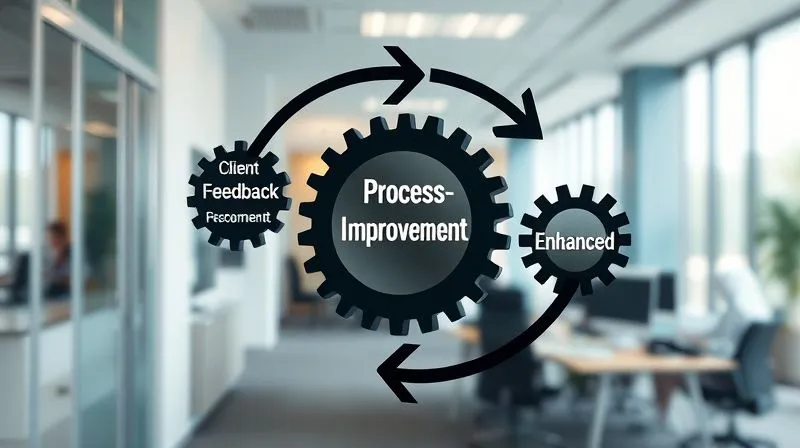
6. Implement Robust Feedback Loops and Continuous Improvement
To truly solidify regained trust, you must embed mechanisms for continuous feedback and improvement into your operational DNA. This signals to your client that the service failure was a learning experience that led to systemic enhancements, not just a one-off fix. This is a critical component of building long-term resilience in your key account relationships.
Key Elements of Robust Feedback Loops:
- Scheduled Feedback Sessions: Beyond regular check-ins, schedule dedicated feedback sessions specifically to discuss service quality, areas for improvement, and emerging needs.
- Client Advisory Boards: For truly critical key accounts, consider inviting client representatives to participate in a client advisory board. This offers a direct channel for input and demonstrates a high level of partnership.
- Internalized Learnings: Ensure that lessons learned from the service failure are thoroughly documented and integrated into training programs, process manuals, and performance reviews across your organization.
- Publicly Share Improvements (Internally and Externally): Celebrate successful implementations of improvements internally. Externally, subtly share how client feedback has led to positive changes, without explicitly dwelling on past failures.
- Net Promoter Score (NPS) or Customer Satisfaction (CSAT) Tracking: Implement formal metrics to track client sentiment over time, especially in the wake of a service failure. This provides objective data on your recovery progress.
As I've often told my teams, "Trust is not a static state; it's a dynamic process, continuously earned and reinforced through consistent action."
7. Cultivate a Culture of Proactive Risk Management
The ultimate goal, after regaining trust, is to prevent similar failures from occurring. This requires shifting from a reactive problem-solving mindset to a proactive risk management culture. For key accounts, this means anticipating potential issues and addressing them before they escalate.
Implementing Proactive Risk Management:
- Regular Risk Assessments: Conduct periodic risk assessments specifically for your key accounts, identifying potential vulnerabilities in service delivery, communication, or product performance.
- Early Warning Systems: Develop and implement systems that provide early warnings of potential issues. This could involve automated alerts for performance deviations, unusual usage patterns, or critical resource shortages.
- Scenario Planning: Engage in 'what-if' scenario planning with your teams. What if a key system goes down? What if a critical supplier fails? How would you respond to minimize client impact?
- Empower Front-Line Teams: Equip and empower your customer-facing teams to identify and escalate potential issues swiftly. Provide them with the training and authority to take immediate corrective action when necessary.
- Invest in Redundancy and Resilience: Where appropriate, invest in redundant systems, backup plans, and resilient processes to minimize the impact of unforeseen disruptions.
This proactive stance not only reduces the likelihood of future failures but also reinforces your client's belief that you are a reliable and forward-thinking partner. It demonstrates that you've truly learned from past mistakes and are committed to safeguarding their interests. A robust risk management framework is a cornerstone of enduring client trust, especially in complex B2B relationships. Companies that excel in this area often leverage insights from industry thought leaders like McKinsey & Company on building organizational resilience.
Frequently Asked Questions (FAQ)
Q: How long does it typically take to regain trust after a major service failure? A: There's no fixed timeline, as it heavily depends on the severity of the failure, the client's unique circumstances, and the effectiveness of your recovery efforts. Minor issues might see trust rebuilt in weeks, while major, high-impact failures could take many months, or even over a year, of consistent, flawless performance. The key is sustained effort and patience.
Q: Should we offer compensation immediately, or wait? A: While an immediate, genuine apology is crucial, the offer of compensation often comes after you've had time to assess the full impact and formulate a comprehensive resolution plan. Rushing compensation without understanding the root cause can seem like a bribe rather than a genuine effort to make amends. However, if the client has suffered demonstrable, immediate financial loss, an interim gesture of goodwill might be appropriate alongside the apology.
Q: What if the client is completely unresponsive or refuses to engage? A: This is challenging but not insurmountable. Continue to communicate your efforts proactively, even if it's one-way for a time. Share updates on your internal improvements and the resolution plan. Consider sending a concise, empathetic letter from senior leadership outlining your commitment. Sometimes, giving them space while consistently demonstrating your efforts can eventually open the door for renewed dialogue. Perseverance without being pushy is key.
Q: How do I prevent my team from becoming demoralized after a major failure? A: Internal communication is vital. Acknowledge the failure, but emphasize the learning opportunity. Focus on the team's commitment to improvement and highlight successes in the recovery process. Provide support, additional training, and reinforce the importance of their roles in rebuilding trust. Leadership must model resilience and a positive, forward-looking attitude.
Q: Is it always possible to regain trust, or are some accounts lost forever? A: While the goal is always to regain trust, it's a realistic truth that some relationships may be irrevocably broken, especially if the failure was catastrophic, involved ethical breaches, or if the client's business suffered irreversible damage. However, by following the structured approach outlined, you maximize your chances. Even if an account is lost, a professional and diligent recovery effort can preserve your reputation and offer valuable lessons for future client relationships.
Key Takeaways and Final Thoughts
Regaining trust after a major key account service failure is arguably one of the most challenging, yet ultimately rewarding, aspects of business development. It's a true test of an organization's integrity, resilience, and commitment to its clients. Remember, this isn't just about fixing a problem; it's about repairing a relationship, and relationships thrive on honesty, empathy, and consistent effort.
- Act Swiftly & Apologize Sincerely: Time and authenticity are your most valuable assets.
- Investigate Thoroughly & Communicate Transparently: Understand the 'why' and share the 'how'.
- Over-Deliver & Monitor Relentlessly: Actions speak louder than words; consistency builds credibility.
- Re-establish Value & Cultivate Proactive Risk Management: Move beyond the crisis to strategic partnership and prevention.
The path to rebuilding trust is arduous, demanding patience, humility, and unwavering dedication. However, by embracing these 7 strategic steps, you'll not only navigate the immediate aftermath of a service failure but also forge stronger, more resilient, and ultimately, more profitable key account relationships. Your commitment to your client's success, even in the face of adversity, will become your most powerful differentiator. You have the power to turn a crisis into an opportunity for profound growth and strengthened partnership.
Recommended Reading
- Mastering Quality Control: How to Perform Root Cause Analysis Effectively
- 7 Steps to Safeguard Your Business's Trade Secrets from Ex-Employees
- Breach of Shareholder Agreement? 5 Steps to Enforce It Now
- Proving Tangible ROI: 8 Strategies for SDG-Aligned CSR Programs
- 7 Reasons Your Predictive Models Aren't Boosting ROI & How to Fix Them





Comments
Leave a comment below. Your email will not be published. Required fields marked with *