


How to Prevent E-commerce Return Fraud Without Losing Loyal Buyers?
For over 15 years in the dynamic world of e-commerce, I've witnessed firsthand the incredible growth and the persistent challenges online retailers face. One of the most insidious, yet often misunderstood, threats is return fraud. It's a silent drain on profits, eating away at margins and trust, but the knee-jerk reaction to tighten policies can be equally damaging, alienating the very loyal customers you strive to keep.
The problem isn't just the lost revenue from fraudulent returns; it's the delicate tightrope walk between protecting your business and fostering a positive customer experience. Retailers are constantly grappling with how to identify the bad actors without making the good ones feel scrutinized or unwelcome. This balancing act is where many stumble, either bleeding money to fraud or bleeding customers due to overly restrictive policies.
In this definitive guide, I’ll share my accumulated wisdom and actionable frameworks designed to help you navigate this complex landscape. You'll discover how to prevent e-commerce return fraud without losing loyal buyers, implement smart, data-driven strategies, and build a return policy that protects your bottom line while reinforcing customer trust and loyalty. We'll explore everything from policy design to advanced AI, ensuring your business thrives.
Understanding the Nuances of E-commerce Return Fraud
Before we can effectively combat return fraud, we must first understand its various forms. It’s not a monolithic problem; rather, it's a spectrum ranging from honest mistakes to deliberate criminal acts. Recognizing these distinctions is the first step toward a targeted, effective prevention strategy that doesn't penalize your best customers.
Friendly Fraud vs. Malicious Fraud
In my experience, a significant portion of what's often labeled 'fraud' actually falls under the umbrella of "friendly fraud." This occurs when a legitimate customer makes a purchase and then initiates a chargeback or a return under false pretenses, often due to buyer's remorse, forgetting a subscription, or even claiming an item wasn't received when it was. Malicious fraud, on the other hand, involves intentional deception, such as returning empty boxes, switching items, or using stolen payment information.
The challenge lies in distinguishing between these. Treating a friendly fraudster with the same harshness as a malicious one can irreparably damage a customer relationship. Conversely, ignoring malicious fraud can lead to substantial financial losses. It requires nuance and a multi-faceted approach.
The Cost Beyond the Product
The financial impact of return fraud extends far beyond the value of the returned item. You're looking at processing fees, restocking costs, potential shipping losses, and the administrative overhead of handling investigations. According to a National Retail Federation (NRF) study, retailers lose billions annually to return fraud, with every $100 in returns costing retailers $10.60 in fraud. This doesn't even account for the intangible costs of brand reputation damage and diminished customer trust.
I've seen companies spend countless hours manually reviewing suspicious returns, diverting valuable resources from growth initiatives. This highlights the critical need for automated, intelligent solutions that can scale with your business and protect your profit margins without sacrificing the customer experience.
Pillar 1: Fortifying Your Return Policy with Clarity and Fairness
Your return policy is your first line of defense against fraud, but it also dictates the perception of your brand. A well-crafted policy is clear, fair, and easily accessible, setting expectations upfront. It should deter fraudsters while reassuring legitimate buyers.
Crafting an Ironclad, Yet Customer-Centric Policy
The goal is to create a policy that is explicit about terms and conditions without being overly punitive. Ambiguity is a fraudster's best friend. Here’s how I advise my clients to structure theirs:
- Clear Eligibility Criteria: Define what items are returnable, in what condition (e.g., unworn, tags attached), and within what timeframe. Be specific about non-returnable items like personalized goods or final sale items.
- Proof of Purchase Requirements: Mandate receipts or order numbers. This helps prevent the return of stolen merchandise or items not purchased from your store.
- Refund Method Clarity: Specify if refunds are to original payment methods, store credit, or exchanges.
- Return Shipping Responsibility: Clearly state who pays for return shipping. Offering free returns can be a competitive advantage but also a fraud vulnerability; consider conditions for free returns (e.g., only for defective items).
- Inspection Process: Inform customers that returned items will be inspected. This subtle warning can deter those planning to return damaged or incorrect goods.
By making these points explicit, you empower your customer service team to enforce the policy consistently and fairly, reducing disputes and frustrating experiences for both parties.
Leveraging Technology for Policy Enforcement
Beyond the written word, technology can help enforce your policy. Integrated return management systems can automatically check return eligibility based on purchase date, product category, and customer history. This reduces manual errors and ensures consistent application of rules.
"A transparent and consistently enforced return policy isn't just about protecting your bottom line; it's about building trust. When customers know where they stand, they feel respected, even if the policy isn't always in their immediate favor."
Consider a system that flags returns outside your standard window or for items frequently associated with fraudulent activity. This doesn't block the return outright but routes it for a manual review, allowing your team to investigate without immediately rejecting a potentially legitimate request.
Pillar 2: Advanced Data Analytics to Spot Patterns, Not Just People
In the digital age, data is your most powerful weapon against fraud. It’s not about singling out individual customers based on a gut feeling; it’s about identifying patterns and anomalies that indicate a higher risk of fraudulent activity. This data-driven approach allows you to be proactive and precise.
Identifying Red Flags with Behavioral Data
I always emphasize to my clients the importance of looking beyond the surface. Fraudsters often leave a trail of digital breadcrumbs. Here are some key behavioral indicators to monitor:
- High Return Rates: Customers with significantly higher return rates than average, especially across diverse product categories.
- Frequent Returns of High-Value Items: Repeated returns of expensive electronics, designer apparel, or other high-ticket items.
- Inconsistent Item Condition: Returns where the item’s condition doesn’t match the reason given (e.g., claiming "defective" but item is clearly worn).
- Repeat 'Item Not Received' Claims: Multiple claims of packages not arriving, especially when tracking shows delivery.
- Unusual Shipping Addresses: Returns originating from different addresses than the original shipping address, or to freight forwarders.
- Payment Method Anomalies: Frequent use of gift cards for returns, or chargebacks on recently refunded items.
Collecting and analyzing this data requires robust analytics tools. Many e-commerce platforms offer basic reporting, but for true fraud prevention, you'll likely need specialized software or a custom data analytics setup. This allows you to build a comprehensive risk profile for each customer and transaction.
| Red Flag Indicator | Fraud Risk Level | Actionable Insight | Impact on Loyalty |
|---|---|---|---|
| High Return Rate (e.g., >30%) | Moderate to High | Review customer purchase/return history; consider tiered return policies. | Low if handled empathetically. |
| Frequent 'Item Not Received' claims | High | Verify shipping address, use signature confirmation; investigate delivery carrier. | Moderate if not resolved quickly. |
| Returns of different item than purchased | Very High | Manual inspection, photographic evidence, ban customer from future returns. | None (fraudster). |
| Returns without original packaging/tags (against policy) | Moderate | Apply store credit instead of full refund; educate customer on policy. | Low if policy is clear and consistently applied. |
Segmenting Customers: The Loyal vs. The Risky
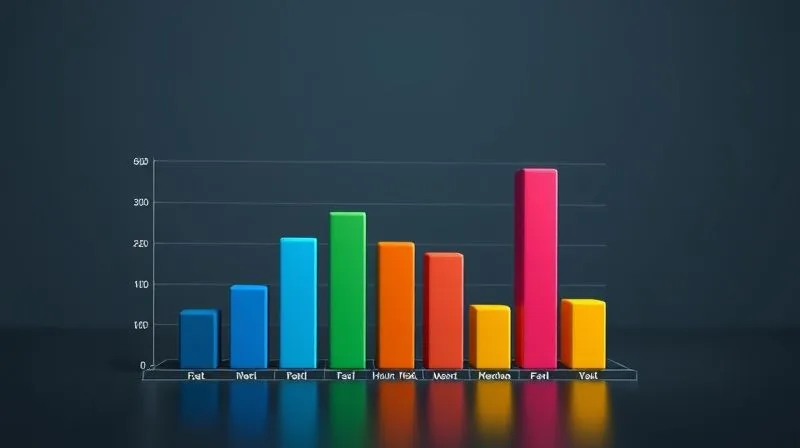
Not all customers are created equal, and your fraud prevention strategies shouldn't treat them as such. I advocate for customer segmentation based on their historical behavior. High-value, loyal customers with a pristine return history should experience a frictionless return process, even if a minor anomaly occurs.
Conversely, customers identified with multiple red flags should trigger a more stringent review process. This might involve requiring photographic evidence of damage, more detailed explanations for returns, or even temporarily suspending return privileges. The key is to make these distinctions internally, allowing your loyal customers to feel valued and trusted, while discreetly managing risk. It's about protecting your business without broadly penalizing your entire customer base.
Pillar 3: Enhancing Product Information and Customer Education
Many returns, particularly in categories like apparel, are not fraudulent but rather a result of customer dissatisfaction due to inaccurate expectations. By investing in superior product information, you can significantly reduce these "preventable returns," freeing up resources to focus on actual fraud.
High-Quality Product Descriptions and Visuals
I often tell my clients that a picture is worth a thousand words, but a detailed description prevents a thousand returns. Provide comprehensive product details: dimensions, materials, care instructions, and specific features. For clothing, include size charts, model measurements, and even customer reviews that mention fit.
High-resolution images and 360-degree views are crucial. Consider video demonstrations, especially for complex products. The more information a customer has upfront, the less likely they are to be disappointed upon arrival, reducing the motivation for a return—fraudulent or otherwise.
Proactive Communication on Sizing and Fit
One of the biggest culprits for returns in fashion is incorrect sizing. Implement virtual try-on tools, detailed sizing guides, or even customer-contributed fit feedback. Proactively address common sizing concerns on product pages. For example, if a brand typically runs small, state that clearly.
"The best return is the one that never happens. Invest in crystal-clear product information and robust customer education to minimize preventable returns, turning potential dissatisfaction into lasting satisfaction."
This proactive approach not only reduces returns but also boosts customer confidence in their purchase decisions. It's a win-win: fewer operational costs for you, and a happier, more loyal customer base.
Pillar 4: Streamlining the Returns Process to Deter Abuse
While an easy return process is vital for customer satisfaction, it can also be exploited. The key is to streamline it for legitimate customers while building in friction points for suspicious activity. It's a delicate balance that requires thoughtful design.
Implementing a Tiered Return Authorization System
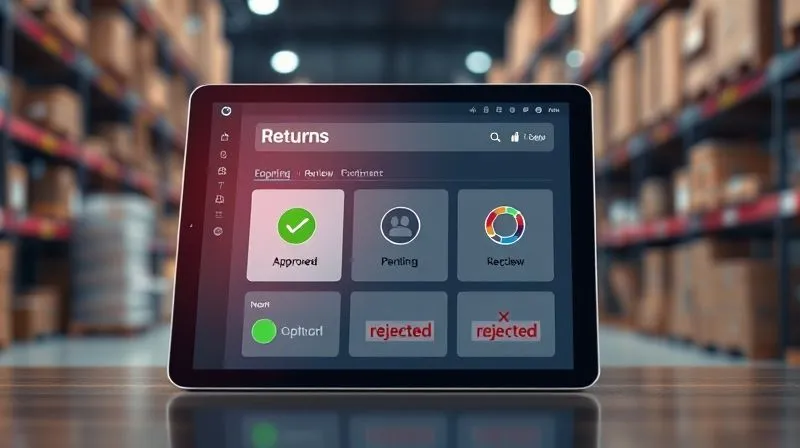
A tiered system allows you to adapt your return process based on customer history and item characteristics. For your best customers returning a low-risk item, it should be almost instant. For a new customer returning a high-value item, or a customer with a history of suspicious returns, a manual review step is essential.
- Automated Approval: For trusted customers, low-value items, or clear cases of manufacturer defect. Generate return labels instantly.
- Conditional Approval: For new customers, mid-value items, or first-time suspicious flags. May require a brief review of purchase history or a photo of the item.
- Manual Review: For high-risk customers, high-value items, or recurring suspicious patterns. This triggers a deeper investigation by a dedicated team member, potentially involving direct customer communication.
Case Study: How ‘StyleSavvy’ Reduced Return Fraud by 18%
StyleSavvy, an online fashion retailer, faced a recurring issue with "wardrobing"—customers buying multiple sizes, wearing them once, and returning the unworn ones. Their initial policy was a blanket 30-day free return. After implementing a tiered return authorization system based on customer lifetime value and past return behavior, they saw significant improvements.
High-value customers continued to enjoy free, instant returns. However, new customers or those with a history of high return rates for specific categories were prompted to upload a photo of the item's condition and original tags before a return label was issued. This simple friction point, coupled with a clearer policy on item condition, deterred many serial returners without impacting their loyal base. Within six months, StyleSavvy reported an 18% reduction in wardrobing-related returns and a 5% increase in customer satisfaction scores due to clearer communication.
The Role of Return Labels and Shipping Verification
Return labels are more than just postage; they're a tracking mechanism. Always provide pre-paid, trackable return labels. This not only makes it easier for the customer but also ensures you have visibility into the return journey. Verify the return tracking number against the original order to ensure the correct item is being sent back.
For high-value items, consider requiring signature confirmation on returns. This adds a layer of security, making it harder for fraudsters to claim "item lost in transit" or "never received" when they've actually sent an empty box. While it adds a slight friction, the protection it offers for expensive goods is invaluable.
Pillar 5: Building Trust and Loyalty Through Exceptional Service
Paradoxically, one of the best ways to prevent fraud without losing loyal buyers is to double down on exceptional customer service. When customers feel valued and heard, they are less likely to resort to fraudulent behavior, and more likely to forgive minor issues.
Personalized Communication for High-Value Customers
Identify your most loyal customers and offer them a premium return experience. This might mean extended return windows, complimentary return shipping on all items, or dedicated customer service representatives. These gestures reinforce their value to your business and make them feel appreciated, strengthening their loyalty.
In my experience, a personalized email acknowledging their loyalty and making the return process seamless for them can go a long way. This isn't just about preventing fraud; it's about nurturing your most profitable relationships. For example, if a loyal customer has an unusual return, reach out directly to understand the situation before applying a blanket policy.
Turning a Return into a Retention Opportunity
A return isn't always the end of a transaction; it can be an opportunity for retention. When a customer initiates a return, train your customer service team to inquire about the reason genuinely. Is there an alternative product that might better suit their needs? Can you offer a store credit with a bonus for their next purchase?
This approach transforms a potentially negative interaction into a positive one. It shows you care about their satisfaction, not just the sale. This empathetic engagement can often prevent future returns and foster long-term loyalty. This is where your customer service team becomes your front-line brand ambassadors.

Pillar 6: Leveraging AI and Machine Learning for Proactive Fraud Detection
For e-commerce businesses scaling rapidly, manual fraud detection becomes unsustainable. This is where Artificial Intelligence (AI) and Machine Learning (ML) become indispensable. These technologies can analyze vast datasets in real-time, identifying complex patterns and anomalies that humans might miss.
Real-time Transaction Monitoring
AI-powered systems can monitor every transaction and return request in real-time, cross-referencing against historical data, known fraud patterns, and external databases. They can flag suspicious activities like rapid successive purchases, unusual shipping addresses, or new accounts making high-value returns shortly after purchase. This proactive monitoring allows you to intervene before losses accumulate.
For instance, if a customer attempts to return an item that was purchased with a gift card, and that gift card was recently purchased with a different, suspicious credit card, an AI system can immediately flag this. This level of interconnected analysis is beyond manual human capability at scale.
Predictive Analytics for Emerging Fraud Trends
The landscape of fraud is constantly evolving. What works today might be obsolete tomorrow. ML algorithms are designed to learn and adapt. They can identify emerging fraud trends by recognizing new patterns in transaction data, allowing you to update your prevention strategies dynamically. As Harvard Business Review notes, AI is transforming e-commerce operations, making businesses more resilient.
This predictive capability means you're not just reacting to fraud; you're anticipating it. By understanding the likelihood of a return being fraudulent based on a multitude of factors, you can assign a risk score to each return request, guiding your team on how to proceed without slowing down legitimate returns.
| AI Feature | Benefit for Fraud Prevention | Impact on Loyalty |
|---|---|---|
| Real-time Anomaly Detection | Identifies unusual purchase/return behavior instantly. | Minimal, as suspicious cases are flagged discreetly. |
| Risk Scoring | Assigns a probability of fraud to each transaction/return. | Allows for tailored customer experiences (e.g., expedited for low-risk). |
| Network Analysis | Detects connections between fraudulent accounts/addresses. | Protects genuine customers from being associated with fraudsters. |
| Behavioral Biometrics | Analyzes user interaction patterns to detect bots/impersonators. | Enhances security without adding friction for legitimate users. |
Pillar 7: The Human Element: Training Your Team to be Fraud Detectives and Brand Ambassadors
While technology is powerful, it's only as effective as the people wielding it. Your customer service and returns processing teams are on the front lines. Empowering them with the right training and tools is crucial for both fraud prevention and customer retention.
Empowering Front-Line Staff with Knowledge
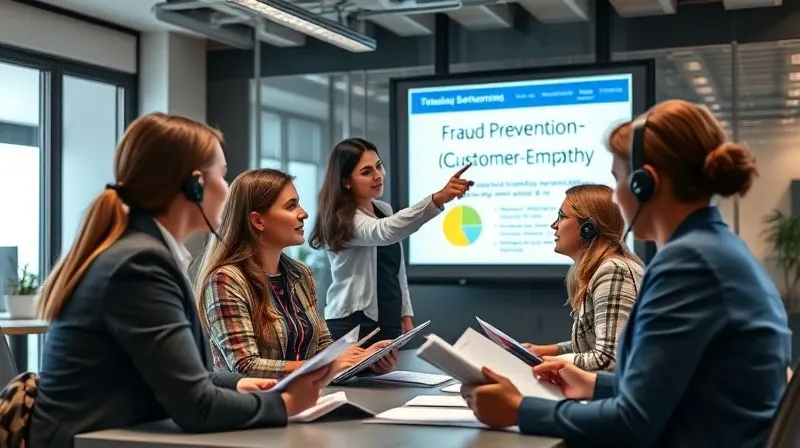
Train your team not just on the mechanics of processing returns, but on the nuances of identifying suspicious behavior. Equip them with a checklist of red flags, clear escalation paths, and the confidence to ask clarifying questions when necessary. They should understand the different types of fraud and how your company's policies address them.
Regular training sessions on new fraud schemes and policy updates are essential. This continuous education ensures they are always prepared. As Forbes emphasizes, customer service is often the new marketing; a well-trained team defends your brand and its finances.
Developing a Culture of Vigilance and Empathy
It's vital to foster a culture where team members feel empowered to question suspicious returns without fearing retribution, but also to treat every customer with respect and empathy. This means providing clear guidelines on when to escalate a case for deeper investigation versus when to prioritize customer satisfaction.
I always recommend role-playing scenarios during training. What do you say when a customer is clearly attempting to return an item they've worn? How do you handle an aggressive customer claiming an item was never received? Balancing vigilance with empathy is a skill that comes with practice and clear leadership support. This ensures you prevent e-commerce return fraud without losing loyal buyers by making informed, balanced decisions.
Frequently Asked Questions (FAQ)
Q: How can I differentiate between a loyal customer with a legitimate issue and a serial returner? A: It comes down to data and pattern recognition. Loyal customers typically have a consistent purchase history, and their returns are usually for valid reasons (e.g., wrong size). Serial returners, in my experience, often exhibit high return rates across diverse product categories, frequent 'item not received' claims, or returns of items in poor condition. Implementing a customer segmentation strategy based on lifetime value and return history, often aided by AI tools, is key to making this distinction.
Q: Is it better to have a strict or lenient return policy for fraud prevention? A: Neither extreme is optimal. A strictly lenient policy invites abuse, while an overly strict one alienates loyal customers. The best approach is a balanced, transparent, and tiered policy. Be clear about your terms, but offer flexibility and expedited processes for your most valued customers. Use data to identify and apply more scrutiny to high-risk returns, rather than a blanket approach.
Q: What role does customer service play in preventing return fraud? A: A crucial one. Your customer service team is the front line. They can de-escalate potential fraud by addressing genuine issues proactively, clarify policy ambiguities, and gather valuable information from suspicious interactions. Training them to identify red flags while maintaining empathy is paramount. They are your brand's voice and your first line of defense.
Q: Can AI truly replace human judgment in fraud detection? A: AI is a powerful tool to augment human judgment, not replace it entirely. AI excels at processing vast amounts of data and identifying complex patterns at speed, flagging potential fraud cases. However, human intuition, empathy, and the ability to handle unique situations or build customer relationships remain indispensable. The most effective strategy integrates AI for initial screening and risk scoring, with human experts making final decisions on escalated cases.
Q: What are the immediate steps I can take to reduce return fraud? A: Start by reviewing and clarifying your return policy, making sure it's easily accessible and unambiguous. Next, implement basic data tracking for return reasons, customer return frequency, and item condition upon return. Train your customer service team on these updated policies and how to identify common red flags. Finally, explore e-commerce apps or platforms that offer basic return management and fraud detection features to automate some of these processes.
Key Takeaways and Final Thoughts
Navigating the complexities of e-commerce return fraud requires a strategic, multi-faceted approach. As I've shared, it's a delicate balance between safeguarding your profits and nurturing the loyalty that drives your business forward. The goal isn't just to stop fraud, but to do so in a way that reinforces trust and enhances the customer experience for your legitimate buyers.
- Clarity is King: A transparent, well-defined return policy is your foundation.
- Data is Your Ally: Leverage analytics to identify patterns and segment customers, not just individuals.
- Prevention Through Information: High-quality product details and proactive communication reduce preventable returns.
- Smart Process Design: Implement tiered return authorization and robust tracking.
- Service as a Shield: Exceptional customer service builds loyalty and deters fraudulent intent.
- AI as an Enabler: Use technology for real-time detection and predictive insights.
- Empower Your Team: Invest in training your staff to be both vigilant and empathetic.
Remember, every challenge in e-commerce presents an opportunity. By adopting these expert strategies, you can transform your return process from a vulnerability into a strategic asset. You can prevent e-commerce return fraud without losing loyal buyers, ensuring your business not only survives but thrives in the competitive online marketplace. Embrace these principles, and watch your bottom line strengthen alongside your customer relationships.
Recommended Reading
- 7 Critical Strategies: Unearthing Hidden Red Flags in M&A Due Diligence
- 5 Steps to Navigate Star Employee Conflict Without Losing Talent
- 9 Proven Strategies to Fix Supply Chain Inefficiencies & End Delivery Delays
- How to Fix Supply Chain Labor Exploitation Scandal Fallout: A 7-Step Plan
- 5 Essential Steps: Navigating Unethical Demands from Senior Leadership




Comments
Leave a comment below. Your email will not be published. Required fields marked with *