


How to Prevent Operational Process Improvement Regression Post-Consulting?
For over 18 years in operational consulting, I've witnessed a disheartening, yet all too common, phenomenon: businesses investing significant resources in process improvement initiatives, only to see the hard-won gains slowly erode after the consultants pack up and leave. It’s like climbing a mountain, celebrating at the summit, and then inexplicably sliding halfway back down, not because of a new challenge, but due to a failure to secure the ropes.
This regression isn't just a loss of efficiency; it's a profound blow to morale, a waste of capital, and a breeding ground for cynicism towards future change efforts. The initial enthusiasm wanes, old habits creep back, and soon, the 'new and improved' process is barely distinguishable from the inefficient status quo it replaced. The pain point is palpable: how do you ensure that the momentum of change, sparked by external expertise, continues to drive your organization forward long after the engagement concludes?
In this definitive guide, I'll share my battle-tested strategies and frameworks designed to help you not just implement change, but embed it deeply within your organizational DNA. We'll explore the critical pillars of sustainment, from leadership commitment to continuous monitoring, and provide actionable steps, real-world analogies, and expert insights to answer the crucial question: How to prevent operational process improvement regression post-consulting?
The Illusion of Done: Why Regression is a Real Threat
Many organizations, perhaps understandably, view a consulting engagement as a finite project with a clear end-date. Once the new processes are designed, documented, and initially implemented, there's a collective sigh of relief and a sense that the 'job is done.' This 'illusion of done' is, in my experience, the most dangerous precursor to regression. Operational improvement isn't a destination; it's a continuous journey, and the departure of consultants marks not the end, but a critical transition point.
The 'consultant high' often wears off as the day-to-day pressures resume. Without a deliberate strategy for sustainment, the gravitational pull of old habits and comfort zones can be incredibly strong. Employees may revert to familiar, albeit less efficient, methods, especially if the new processes aren't fully integrated into their daily routines or if they don't perceive ongoing value.
“The single biggest reason for the failure of strategic change initiatives is not a lack of vision or resources, but a failure to embed the new ways of working into the daily rhythm of the organization.” - An experienced industry specialist.
Case Study: The Manufacturing Plant's Slipping Standards
Consider 'Apex Manufacturing,' a client I worked with years ago. They invested heavily in Lean process optimization for their assembly lines, reducing waste by 25% and improving throughput by 15% during the consulting period. Six months after our departure, I received a call. Their waste metrics had crept back up by 10%, and throughput gains were stagnating. The initial success was celebrated, but the follow-through was lacking. Daily stand-ups, initially rigorous, became sporadic; visual management boards were no longer updated; and frontline supervisors, overwhelmed by production targets, stopped enforcing the new standardized work procedures. This regression wasn't due to poor initial design, but a failure to cultivate a culture of ongoing adherence and continuous improvement.

Pillar 1: Fortifying Leadership Commitment & Sponsorship
True operational sustainment begins and ends with unwavering leadership commitment. It's not enough for leaders to simply approve a project; they must actively champion the new processes, visibly endorse them, and hold themselves and their teams accountable for adherence. This isn't a one-time announcement; it's an ongoing narrative and a consistent behavioral example.
Leaders must articulate the 'why' behind the changes, reinforcing the strategic importance of the new operational model. Their visible engagement—participating in review meetings, asking probing questions about process performance, and celebrating successes—sends a powerful message throughout the organization. Without this sustained sponsorship, any process improvement initiative is vulnerable to regression.
Actionable Steps for Leadership Buy-In:
- Establish a 'Sustainment Council': Form a cross-functional leadership group dedicated to overseeing the long-term health of the new processes. They should meet regularly to review KPIs, address roadblocks, and communicate progress.
- Communicate the 'Why,' Constantly: Leaders must repeatedly articulate the strategic rationale for the new processes, linking them to broader organizational goals and customer value.
- Lead by Example: Leaders must demonstrate adherence to the new processes themselves, even if they are not directly involved in day-to-day operations. Their actions speak louder than any memo.
- Allocate Resources Post-Consulting: Ensure that adequate budget, personnel, and tools are available for ongoing training, monitoring, and iterative improvements. This signals that sustainment is a priority.
- Integrate into Performance Reviews: Make adherence to and improvement of the new processes a component of leadership and management performance reviews.
As Harvard Business Review emphasizes, leadership's role in change management extends far beyond initial implementation; it requires continuous engagement and reinforcement to embed new behaviors effectively.
Pillar 2: Robust Documentation & Knowledge Transfer Systems
One of the quickest ways for operational improvements to regress is the loss of institutional knowledge. When key personnel move on, or when the details of a new process reside only in the minds of a few, the organization becomes fragile. Robust documentation and a systematic approach to knowledge transfer are therefore non-negotiable for long-term sustainment.
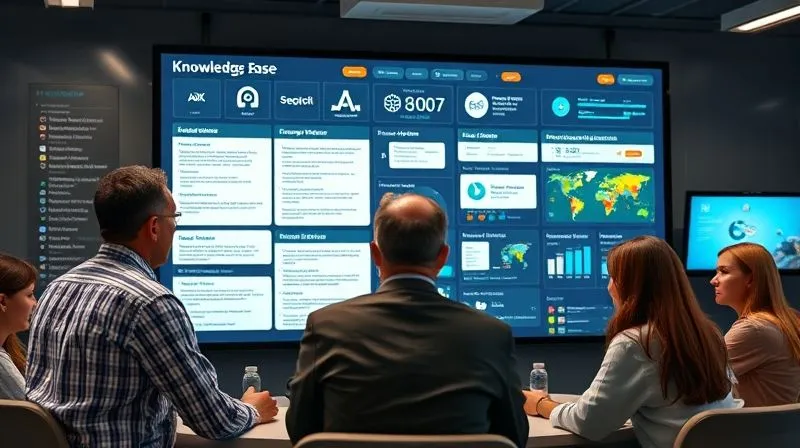
This isn't about creating static binders that gather dust. It's about establishing a 'living' knowledge base—a single source of truth for all operational processes, accessible and understandable to everyone who needs it. This ensures that the 'how-to' is always clear, consistent, and easily retrievable, even years after the initial consulting engagement.
Creating a Living Process Playbook:
- Centralized Digital Repository: Utilize cloud-based platforms (e.g., SharePoint, Confluence, internal wikis) for easy access and version control.
- Standardized Templates: Ensure all process documentation follows a consistent format, making it easier to navigate and understand.
- Visual Aids: Incorporate flowcharts, diagrams, screenshots, and short video tutorials to clarify complex steps.
- Clear Ownership: Assign specific individuals or teams responsibility for maintaining and updating each process document.
- Regular Review Cycle: Schedule periodic reviews (e.g., quarterly, annually) to ensure documentation remains accurate, relevant, and reflects any iterative improvements.
“Institutional memory is not just about remembering what worked, but understanding why it worked, and how to replicate it consistently.”
Pillar 3: Empowering the Front Lines Through Training & Ownership
Operational processes are executed by people, and their understanding, skill, and buy-in are paramount. Inadequate or one-off training is a primary driver of regression. Effective post-consulting sustainment requires continuous learning, skill reinforcement, and fostering a deep sense of ownership among the frontline employees who live the processes every day.
Empowerment means not just telling people what to do, but explaining *why* it matters, providing the tools to do it effectively, and creating channels for their feedback and contributions. When employees feel ownership, they become the first line of defense against regression and the most potent source of further innovation.
Designing Effective Post-Consulting Training:
- Phased & Repetitive Training: Move beyond initial workshops. Implement refresher courses, micro-learning modules, and 'lunch-and-learns' to reinforce key concepts over time.
- Role-Specific Training: Tailor training content precisely to the roles and responsibilities of individuals, focusing on what they need to know and do.
- Hands-On Practice & Simulation: Provide opportunities for employees to practice new processes in a safe, simulated environment before applying them to live operations.
- Peer Mentorship Programs: Pair experienced employees who have mastered the new processes with those who are still learning, fostering internal knowledge transfer and support.
- Certification Programs: For critical processes, consider implementing a certification program to ensure a minimum standard of proficiency.
According to Gallup research, organizations that prioritize employee development see significantly higher engagement and retention rates, which directly impacts process adherence and innovation.
To gauge the effectiveness of your training and sustainment efforts, tracking key metrics is crucial:
| Metric | Baseline | Target | Actual (Post-6 Mos) |
|---|---|---|---|
| Process Adherence Rate | 65% | 90% | 88% |
| Error Rate (Process Specific) | 1.5% | 0.5% | 0.7% |
| Training Completion Rate | N/A | 100% | 95% |
| Employee Feedback Score (Process Clarity) | 3.2/5 | 4.5/5 | 4.3/5 |
Pillar 4: Implementing Continuous Performance Monitoring & Feedback Loops
You can't manage what you don't measure. A robust system for continuous performance monitoring is the bedrock of preventing operational process improvement regression post-consulting. This involves identifying the right Key Performance Indicators (KPIs), establishing clear reporting mechanisms, and creating regular feedback loops to address deviations promptly.
Monitoring isn't about micromanagement; it's about providing objective data that informs decision-making and highlights areas where processes might be slipping or require further refinement. Without this data, you're operating blind, making it impossible to proactively prevent regression.
Key Performance Indicators (KPIs) for Process Health:
- Process Adherence Rate: Measures how consistently employees follow documented procedures.
- Cycle Time: The time taken to complete a specific process from start to finish.
- Error/Defect Rate: Frequency of mistakes or quality issues within a process.
- Resource Utilization: How efficiently resources (e.g., equipment, personnel) are being used.
- Customer Satisfaction (Process-Specific): Feedback related to the output or experience of a particular process.
- Employee Feedback on Process Efficiency: Direct input from those executing the process.
Establish a rhythm for reviewing these KPIs—daily for critical operational metrics, weekly or monthly for strategic process health. Utilize visual management tools like dashboards and scorecards to make data easily digestible and actionable for all stakeholders.

“Data is not just numbers; it's the heartbeat of your operations, telling you where to intervene before a minor anomaly becomes a major problem.”
Pillar 5: Agile Adaptation & Iterative Improvement Culture
No process, however perfectly designed, is immune to the forces of change. Market dynamics shift, technology evolves, customer expectations rise, and new challenges emerge. An organization that treats its processes as static artifacts is destined for obsolescence and, inevitably, regression. To truly prevent operational process improvement regression post-consulting, you must cultivate a culture of agile adaptation and iterative improvement.
This means empowering teams to continuously scrutinize, question, and refine processes, rather than simply adhering to them rigidly. It's about fostering a mindset where 'good enough' is a starting point, not an endpoint, and where problems are seen as opportunities for further optimization.
Building an Iterative Improvement Framework:
- Establish a 'Kaizen' or Continuous Improvement Program: Encourage employees at all levels to identify small, incremental improvements and provide a structured way for these suggestions to be submitted, evaluated, and implemented.
- Implement Regular Process Audits: Beyond KPI monitoring, conduct periodic deep-dive audits to assess process effectiveness, identify bottlenecks, and ensure alignment with strategic goals.
- Adopt a PDCA Cycle (Plan-Do-Check-Act): Train teams on this fundamental cycle for problem-solving and continuous improvement, making it a standard operating procedure for process refinement.
- Cross-Functional Workshops: Periodically bring together teams from different departments to review interconnected processes, identify integration issues, and collaboratively brainstorm solutions.
- Leverage Technology for Feedback: Use digital tools (e.g., project management software, internal forums) to facilitate ongoing feedback, suggestions, and problem-solving related to processes.
As the American Society for Quality (ASQ) advocates, the PDCA cycle is a powerful, iterative four-step management method used for the control and continuous improvement of processes and products.
Pillar 6: Integrating Process Adherence into Performance Management
For operational improvements to truly stick, they must be woven into the fabric of individual and team accountability. If employees are expected to follow new processes, their performance against those expectations should be a clear component of their performance reviews and career progression. This isn't about punitive measures, but about creating a clear line of sight between process adherence, organizational success, and individual recognition.
When employees understand that their commitment to new operational standards is valued and rewarded, it creates a powerful incentive for sustainment. Conversely, if there are no consequences for reverting to old habits, regression becomes almost inevitable.
Aligning Incentives with Operational Excellence:
- Clear Expectations: Define specific, measurable expectations for process adherence within job descriptions and individual goals.
- Regular Feedback: Provide ongoing, constructive feedback on process execution, highlighting both strengths and areas for improvement.
- Recognition & Rewards: Acknowledge and reward individuals and teams who consistently demonstrate excellent process adherence and contribute to process improvement. This can be formal (bonuses, promotions) or informal (public recognition).
- Development Plans: For employees struggling with new processes, integrate targeted training and mentorship into their professional development plans.
- Managerial Accountability: Ensure managers are equipped and held accountable for coaching their teams on new processes and monitoring adherence.
This integration transforms process adherence from a 'nice-to-have' into a core competency, embedding it deeply into the organizational culture and significantly reducing the risk of regression.
Pillar 7: The Role of an Internal Champion or Process Steward
While leadership commitment is crucial, having dedicated internal champions or 'process stewards' can make all the difference in the day-to-day sustainment of operational improvements. These are individuals, often mid-level managers or experienced frontline staff, who act as the living embodiment of the new processes, serving as go-to resources, trainers, and advocates.
A process steward isn't just a technical expert; they are a cultural anchor, helping to bridge the gap between abstract process design and practical application. They can troubleshoot issues, answer questions, provide on-the-spot coaching, and act as a crucial feedback channel between the frontline and leadership.
Qualities of an Effective Process Steward:
- Deep Process Knowledge: Thorough understanding of the 'what' and 'how' of the new processes.
- Credibility & Respect: Trusted by peers and leadership alike.
- Strong Communication Skills: Able to explain complex concepts clearly and empathetically.
- Problem-Solving Aptitude: Capable of identifying and addressing operational roadblocks.
- Passion for Improvement: Genuinely committed to the success and continuous evolution of the processes.
- Coaching & Mentoring Ability: Skilled at guiding and developing others.
By empowering these internal champions, you create a self-sustaining ecosystem for process health, ensuring that the expertise and advocacy for improved operations remain firmly within the organization, long after consultants have departed.

Frequently Asked Questions (FAQ)
Q: How soon should we expect to see results after implementing these sustainment strategies?
A: While initial positive shifts in process adherence and key metrics can be observed within 3-6 months, true, deeply embedded cultural change that fully prevents regression typically takes 12-24 months. It's a marathon, not a sprint, requiring consistent effort and reinforcement. Short-term wins build momentum, but long-term commitment is key.
Q: What if our leadership team isn't fully on board with ongoing sustainment efforts?
A: This is a critical challenge. My advice is to quantify the cost of regression. Present clear data on how previous improvements have eroded and the financial impact (lost revenue, increased costs, reduced efficiency). Frame sustainment not as an additional burden, but as safeguarding their initial investment and maximizing ROI. Highlight the competitive disadvantage of backsliding. Executive workshops focused on change leadership and its long-term benefits can also be highly effective.
Q: How do we choose the right KPIs to monitor for process health?
A: Start by identifying the 'critical few' metrics that directly reflect the intended outcome and efficiency of the improved process. They should be SMART (Specific, Measurable, Achievable, Relevant, Time-bound) and directly linked to your strategic objectives. Involve the teams who execute the processes in KPI selection; they often have the best insights into what truly matters. Avoid overwhelming your teams with too many metrics.
Q: Can these strategies apply to small businesses as well as large enterprises?
A: Absolutely. While the scale of implementation may differ, the fundamental principles remain the same. Small businesses might have less formal structures (e.g., one person acting as a process steward and trainer), but the need for leadership commitment, clear documentation, continuous learning, and monitoring is universal. In fact, for smaller businesses, the impact of regression can be even more acutely felt, making sustainment strategies vital.
Q: Is it ever okay to re-engage consultants for sustainment, or should it always be internal?
A: Re-engaging consultants for specific, targeted sustainment initiatives can be highly beneficial, especially for complex processes or when internal resources are stretched. This could involve periodic audits, advanced training, or helping to implement new monitoring tools. The key is to leverage their expertise strategically, ensuring that the ultimate goal remains internal capability building and ownership, rather than creating dependency.
Key Takeaways and Final Thoughts
Preventing operational process improvement regression post-consulting isn't a passive activity; it's a proactive, multi-faceted commitment that transforms temporary gains into lasting organizational strength. It requires a shift in mindset from viewing improvement as a project to embracing it as a continuous way of working.
- Sustained Leadership: Your leaders must be visible, vocal champions of the new processes.
- Knowledge is Power: Robust, accessible documentation ensures institutional memory.
- Empower Your People: Invest in ongoing training and foster frontline ownership.
- Measure to Manage: Continuous monitoring with relevant KPIs provides objective insights.
- Embrace Agility: Cultivate a culture of iterative improvement and adaptation.
- Align Incentives: Integrate process adherence into performance management.
- Internal Champions: Empower dedicated individuals to drive daily sustainment.
In my years of guiding organizations through change, I've learned that the true measure of a successful consulting engagement isn't just the initial improvement, but the organization's ability to maintain and build upon those gains independently. By diligently applying these seven pillars, you won't just prevent the dreaded slide back; you'll build a resilient, continuously improving enterprise ready for any future challenge. The investment in operational consulting is significant; ensure its returns are enduring.
Recommended Reading
- 7 Steps: Efficiently Update Legal Firm Policies for New Data Regulations
- Quantify DSS ROI: 5 Steps to Measure Decision Support System Value
- 8 Legal Tax Strategies: Reduce Year-End Burden for Growing SMEs
- The Ultimate Guide: Building Rapport with Difficult Business Contacts
- 7 Steps to Uncover & Eradicate Chronic Process Bottlenecks





Comments
Leave a comment below. Your email will not be published. Required fields marked with *