


How to Reallocate Portfolio Assets to Mitigate Imminent Recession Risk?
For over two decades in financial management, I've guided countless individuals and institutions through various market cycles, from booming expansions to harrowing downturns. One of the most common pitfalls I've witnessed is the paralysis of indecision when economic storm clouds gather. The fear of making the wrong move often leads to making no move at all, leaving portfolios exposed to unnecessary and often devastating risks.
The looming threat of a recession isn't just abstract economic jargon; it translates directly into real anxieties about job security, investment values, and future financial stability. Many investors find themselves grappling with questions like: 'Are my current investments safe?' or 'What should I do right now to protect my wealth?' This uncertainty is a significant pain point, as traditional 'buy and hold' strategies, while effective over long periods, can be particularly brutal during sharp, short-term contractions if not proactively managed.
This article isn't about fear-mongering; it's about empowerment through informed action. I'm going to walk you through a clear, actionable framework on how to reallocate portfolio assets to mitigate imminent recession risk. We'll delve into specific strategies, asset classes, and real-world considerations, drawing from my extensive experience to provide you with expert insights and a concrete roadmap to fortify your financial position against economic headwinds.
Understanding the Recessionary Landscape: Why Traditional Approaches Fail
When the whispers of a recession grow louder, many investors instinctively cling to their existing strategies, hoping the storm will pass quickly. This 'hope is not a strategy' approach is precisely why traditional, growth-oriented portfolios often falter when economic conditions deteriorate. The market dynamics shift dramatically; what worked during an expansion can become a significant liability during a contraction.
In my experience, a key mistake is underestimating the psychological impact of market volatility. Panic selling is a common symptom, but equally detrimental is the passive acceptance of significant drawdowns, often based on outdated advice. We need to move beyond generic advice and embrace proactive, strategic adjustments.
“The investor's chief problem – and even his worst enemy – is likely to be himself.” – Benjamin Graham. During a recession, this self-sabotage often manifests as inaction or emotional decision-making, rather than a reasoned, expert-guided reallocation.
The Shifting Sands of Market Dynamics
Recessions are characterized by a significant decline in economic activity, typically visible in real GDP, real income, employment, industrial production, and wholesale-retail sales. These conditions often lead to corporate earnings compression, tighter credit markets, and heightened investor risk aversion. Understanding these underlying shifts is paramount.
- Interest Rate Changes: Central banks often cut rates to stimulate the economy, impacting bond yields and borrowing costs.
- Credit Crunch: Banks become more risk-averse, making it harder for businesses and consumers to access capital.
- Consumer Spending Decline: Job losses and uncertainty lead to reduced discretionary spending, hurting consumer-driven sectors.
- Earnings Compression: Companies face lower revenues and margins, directly affecting stock valuations.
Step 1: Conduct a Granular Portfolio Audit and Risk Assessment
Before you can effectively reallocate, you must first understand exactly what you own and, more importantly, how each asset might perform under recessionary stress. This isn't just about glancing at your statements; it's a deep dive into the underlying risks and correlations within your portfolio. I've often seen clients surprised by their actual exposure once we conduct this forensic analysis.
Begin by consolidating all your investment accounts and creating a detailed inventory. Categorize assets by type, sector, geography, and risk profile. This comprehensive view is the foundation for any intelligent reallocation strategy.
- List All Holdings: Document every stock, bond, mutual fund, ETF, and alternative investment.
- Determine Asset Class & Sector Exposure: Identify your percentage allocation to equities, fixed income, real estate, commodities, and cash. Within equities, break down by sector (tech, healthcare, industrials, etc.).
- Assess Geographic Concentration: Understand your exposure to specific countries or regions.
- Analyze Company-Specific Fundamentals: For individual stocks, look at balance sheet strength, debt levels, cash flow, and historical performance during downturns.
- Evaluate Correlations: Understand how your assets typically move in relation to each other and to the broader market. The goal is to identify assets that behave differently during stress.
Identifying Vulnerable Assets
Certain asset classes and sectors are inherently more sensitive to economic downturns. These are often cyclical industries heavily reliant on consumer spending or business investment, or companies with high debt loads and weak cash flows. High-growth, speculative stocks are also often among the first to be hit.

Conversely, defensive sectors like utilities, consumer staples, and healthcare tend to be more resilient because demand for their products and services remains relatively stable regardless of the economic climate. Identifying your current exposure to these vulnerable versus resilient categories is the critical first step in knowing how to reallocate portfolio assets to mitigate imminent recession risk effectively.
| Asset Class | Recession Sensitivity | Typical Performance |
|---|---|---|
| Growth Equities (Tech, Discretionary) | High | Significant Drawdowns |
| Cyclical Industries (Industrials, Materials) | High | Severe Declines |
| High-Yield Corporate Bonds | Medium to High | Credit Spreads Widen, Default Risk Rises |
| Defensive Equities (Utilities, Healthcare) | Low | Relatively Stable |
| Investment-Grade Bonds (Treasuries) | Very Low | Often Rise as Flight to Safety |
| Cash & Cash Equivalents | None | Preserves Capital, Low Return |
Step 2: The Defensive Shift – Increasing Allocation to Resilient Asset Classes
Once you understand your current exposure, the next strategic move is to pivot towards assets that historically perform well, or at least decline less, during economic contractions. This is a fundamental part of learning how to reallocate portfolio assets to mitigate imminent recession risk. The goal here is capital preservation and reducing volatility, not aggressive growth.
Fixed Income: Quality Bonds and Cash Equivalents
During a recession, the 'flight to safety' often drives demand for high-quality fixed income. Government bonds, particularly U.S. Treasuries, are considered among the safest assets globally. Short-term Treasuries offer liquidity and minimal interest rate risk, while longer-term Treasuries can provide capital appreciation if interest rates fall.
Investment-grade corporate bonds from companies with strong balance sheets can also offer stability and yield, though they carry more credit risk than government bonds. I often advise clients to focus on shorter-duration bonds (1-5 years) to minimize interest rate sensitivity if rates are expected to rise before falling. Cash and cash equivalents (money market funds) also become more attractive, offering liquidity and a safe haven. For more insights on bond market dynamics, refer to resources from PIMCO's Investment Outlook.
Commodities: Gold and Other Inflation Hedges
Gold has long been considered a safe-haven asset, often performing well during periods of economic uncertainty, geopolitical instability, and inflation. It tends to have a low correlation with equities and can act as a portfolio stabilizer. While not a growth engine, its role is capital preservation.
Other commodities, like certain agricultural products, can also offer inflation protection, but their price movements can be highly volatile and demand specialized knowledge. For most investors, a modest allocation to physical gold or a gold-backed ETF is a prudent defensive move.
Alternative Investments: Exploring Non-Correlated Assets
Certain alternative investments can offer diversification benefits by having low correlation with traditional stock and bond markets. These might include managed futures, certain private credit funds, or infrastructure investments. However, these often come with higher fees, illiquidity, and require significant due diligence.
For the average investor, accessing these can be challenging. My counsel is to approach alternatives with caution and only after consulting with a seasoned advisor, ensuring you fully understand the risks and liquidity constraints involved.
Step 3: Strategic Equity Rebalancing – From Growth to Value and Stability
While reducing overall equity exposure is often part of a recession mitigation strategy, completely abandoning stocks can be detrimental to long-term returns. The key is strategic rebalancing within your equity allocation, moving away from high-beta, growth-oriented companies towards more defensive, value-oriented stocks. This is a crucial element of how to reallocate portfolio assets to mitigate imminent recession risk while maintaining some market exposure.
Sector Rotation: Healthcare, Utilities, Consumer Staples
These sectors are often referred to as 'defensive' because demand for their products and services tends to be inelastic, meaning people continue to buy them even during economic downturns. Think about it: people still need electricity (utilities), medicine (healthcare), and groceries (consumer staples) regardless of the economic climate.
I've observed that companies in these sectors often have more stable earnings, robust cash flows, and frequently pay consistent dividends, which can provide a valuable income stream when capital appreciation is scarce. For detailed sector analysis, reputable sources like Fidelity's Sector Insights can be very helpful.
Dividend Aristocrats and Quality Companies
Focusing on companies with strong balance sheets, low debt, consistent free cash flow, and a history of paying and increasing dividends (often called 'Dividend Aristocrats' or 'Dividend Kings') can be a powerful defensive strategy. These companies typically have established market positions, resilient business models, and the financial strength to weather economic storms.
“Price is what you pay. Value is what you get.” – Warren Buffett. During a recession, the market often undervalues quality companies, presenting opportunities for those who focus on intrinsic value rather than fleeting growth narratives.
These firms tend to be less volatile than their growth-oriented counterparts and can provide a cushion through dividend income, even if their stock prices experience some decline. This focus on fundamental quality is a hallmark of prudent recession planning.
Step 4: Liquidity Management and Debt Reduction – Fortifying Your Financial Foundation
Reallocating investment assets is only one piece of the puzzle. A robust financial defense against recession also requires optimizing your personal or business balance sheet. Ensuring ample liquidity and aggressively reducing high-interest debt are foundational steps that I cannot emphasize enough. These actions directly reduce financial stress and increase your flexibility during tough times.
- Build an Emergency Fund: Aim for 6-12 months of living expenses in an easily accessible, high-yield savings account. This acts as your first line of defense against job loss or unexpected expenses.
- Aggressively Pay Down High-Interest Debt: Credit card debt, personal loans, and other high-interest obligations become particularly burdensome during economic contractions. Reducing this debt frees up cash flow and lowers financial risk.
- Review Lines of Credit: If you have access to a home equity line of credit (HELOC) or personal line of credit, ensure it's in good standing and consider drawing a portion if you anticipate future tightening of credit markets, but only if you have a clear plan for its use.
- Optimize Cash Flow: Look for ways to reduce unnecessary expenses and boost income, creating a larger buffer.
Case Study: Sarah's Proactive Debt Reduction
Sarah, a 45-year-old marketing manager, became concerned about recession forecasts. After our consultation, she realized her investment portfolio was well-diversified, but she carried a significant balance on a high-interest credit card. Instead of solely focusing on investment reallocation, we devised a plan to tackle her debt. She paused some non-essential discretionary spending and redirected those funds, along with a portion of her bonus, towards paying down her credit card. Within six months, she eliminated the balance entirely. When her company faced a challenging quarter and bonuses were cut, Sarah felt significantly less financial strain. Her reduced debt burden meant she could weather the uncertainty without dipping into her investments, demonstrating the power of a holistic financial approach. For more on debt management strategies, consider resources like NerdWallet's debt management guides.
Step 5: Diversification Beyond Traditional – Global Markets and Hedging Tools
True diversification goes beyond simply spreading money across different domestic asset classes. In an increasingly interconnected global economy, considering international markets and, for sophisticated investors, employing hedging tools, can significantly enhance your ability to mitigate recession risk. This advanced step illustrates a more comprehensive answer to how to reallocate portfolio assets to mitigate imminent recession risk.
Geographic Diversification: Looking Beyond Domestic Borders
Not all economies enter or exit recessions at the same time or with the same severity. Diversifying your equity and fixed income holdings across different countries and regions can reduce your reliance on any single economy's performance. For example, a recession in the U.S. might not coincide with a downturn in certain emerging markets or specific developed economies.
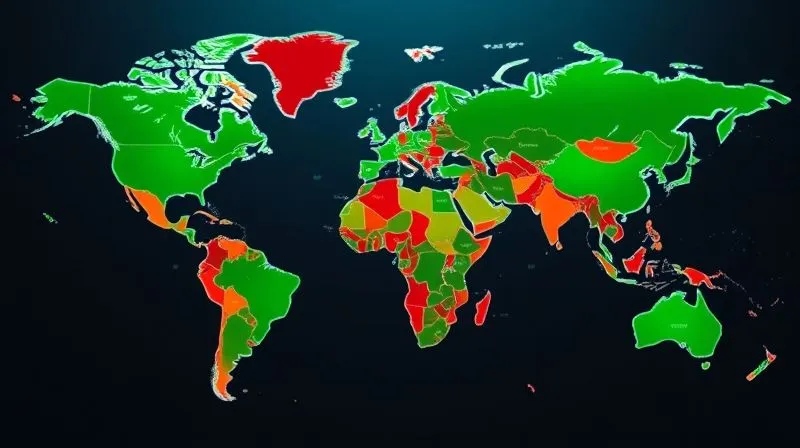
However, international investing comes with its own set of risks, including currency fluctuations and geopolitical instability. Careful research and a selective approach are essential. Focus on countries with strong economic fundamentals, stable political environments, and diverse export bases.
Utilizing Options and Futures for Downside Protection
For experienced investors, derivative instruments like options and futures can be powerful tools for hedging. For instance, purchasing 'protective puts' on your equity holdings can provide insurance against significant market downturns, limiting potential losses while allowing you to retain upside potential. Futures contracts can also be used to hedge against currency risk or commodity price fluctuations.
It's crucial to understand that these instruments are complex and carry substantial risk. They are not suitable for all investors and should only be employed with a deep understanding of their mechanics and potential consequences, ideally under the guidance of a qualified financial advisor. Misuse can lead to amplified losses rather than protection. Resources like Investopedia on hedging with options can provide a starting point for understanding.
Maintaining Vigilance: Continuous Monitoring and Adaptive Strategies
The financial landscape is dynamic, and a recession mitigation strategy isn't a 'set it and forget it' endeavor. Economic conditions, market sentiment, and geopolitical events are constantly evolving. My long-standing advice has always been that effective financial management requires continuous monitoring and a willingness to adapt your strategies as new information emerges.
Review your portfolio regularly – at least quarterly, or more frequently during periods of heightened volatility. Compare your actual allocations against your target defensive allocations. Rebalance as necessary to maintain your desired risk profile. This proactive approach ensures your portfolio remains aligned with your objective of mitigating recession risk, rather than simply reacting to events.
Key Economic Indicators to Watch
Staying informed about key economic indicators can provide early warnings and guide your adaptive strategies. These indicators offer insights into the health and direction of the economy:
- Inverted Yield Curve: Often cited as a reliable predictor of recessions.
- Leading Economic Index (LEI): A composite index designed to signal future economic activity.
- Manufacturing PMIs (Purchasing Managers' Index): Indicates activity in the manufacturing sector.
- Consumer Confidence Index: Reflects consumer sentiment about current and future economic conditions.
- Unemployment Rate & Jobless Claims: Key indicators of labor market health.
- Retail Sales: Measures consumer spending, a major driver of economic growth.
| Indicator | Watch For | Implication |
|---|---|---|
| Yield Curve (10yr-2yr Spread) | Inversion (short-term yields > long-term yields) | Strong recession signal |
| Leading Economic Index (LEI) | Sustained decline over 3-6 months | Weakening economic outlook |
| Unemployment Rate | Persistent rise | Labor market contraction |
| Consumer Confidence | Sharp, sustained drops | Reduced consumer spending |
“The intelligent investor is a realist who sells to optimists and buys from pessimists.” – Benjamin Graham. During periods of uncertainty, maintaining a clear, data-driven perspective, rather than succumbing to market sentiment, is paramount.

Frequently Asked Questions (FAQ)
Should I sell all my stocks if a recession is imminent? No, blanket selling all your stocks is rarely the optimal strategy. While reducing exposure to highly cyclical or speculative equities is prudent, maintaining a diversified allocation to defensive sectors and high-quality companies can help preserve capital and position you for recovery. Market timing is incredibly difficult, and you risk missing the eventual rebound. The goal is reallocation and risk mitigation, not complete divestment.
How quickly should I reallocate my portfolio assets? The speed of reallocation depends on your current portfolio's risk profile and the perceived imminence and severity of the recession. If indicators strongly point to an immediate downturn, a more rapid, yet still thoughtful, shift might be warranted. However, avoid impulsive decisions. It's best to have a pre-defined strategy and execute it systematically over a few weeks or months, rather than in one frantic move, to avoid market whipsaws.
What about inflation during a recession? Isn't that contradictory? While recessions typically bring deflationary pressures due to reduced demand, we can sometimes experience 'stagflation' – high inflation combined with economic stagnation. In such scenarios, traditional inflation hedges like gold and certain commodities (e.g., oil, if supply constrained) become even more critical. Certain inflation-protected securities (TIPS) can also play a role. Your reallocation strategy should consider both recessionary and inflationary pressures.
Is real estate a good hedge against recession risk? Real estate can be complex. While it can offer long-term stability and inflation protection, it's generally illiquid and highly sensitive to interest rates and local economic conditions. Commercial real estate can suffer significantly during recessions due to business closures and reduced demand for office/retail space. Residential real estate can also see price declines. For most portfolios, direct real estate may not be the most liquid or responsive hedge for an imminent recession, though REITs (Real Estate Investment Trusts) in defensive sectors (e.g., healthcare facilities) might offer some stability.
What if the recession doesn't happen, and I've reallocated defensively? This is a valid concern. If you've shifted too defensively and the economy avoids a recession, you might underperform a growth-oriented market. However, a well-executed defensive reallocation isn't about market timing; it's about risk management. The trade-off is often slightly lower upside potential for significantly reduced downside risk. If the economic picture improves, you can gradually rebalance back towards a more growth-oriented allocation. The peace of mind and capital preservation during uncertainty often outweigh the potential for missed short-term gains.
Key Takeaways and Final Thoughts
Navigating the choppy waters of an imminent recession requires foresight, discipline, and a willingness to adapt your investment strategy. My extensive experience has taught me that proactive reallocation is not just about avoiding losses; it's about positioning your portfolio to emerge stronger when the recovery eventually begins. The framework we've discussed provides a robust foundation for this crucial financial defense.
- Audit & Assess: Understand your current portfolio's vulnerabilities.
- Shift to Resilient Assets: Increase exposure to high-quality fixed income, cash, and gold.
- Rebalance Equities Strategically: Favor defensive sectors and quality dividend-paying companies.
- Fortify Your Foundation: Prioritize liquidity and aggressively reduce high-interest debt.
- Diversify Globally & Consider Hedging: Look beyond domestic markets and, if suitable, explore derivatives for protection.
- Stay Vigilant: Continuously monitor economic indicators and be prepared to adapt.
Remember, your financial journey is a marathon, not a sprint. By taking these deliberate, expert-guided steps on how to reallocate portfolio assets to mitigate imminent recession risk, you're not just reacting to fear; you're actively constructing a more resilient and sustainable path towards your long-term financial goals. Be proactive, stay informed, and trust in a well-thought-out strategy to navigate whatever economic challenges lie ahead.

Recommended Reading
- Transform Your Tiny Apartment: 7 Pro Tips for a Perfect Home Office
- 8 Proven Ways to Slash High Staff Turnover in Your Franchise?
- CRM Not Boosting Sales? 7 Fixes for Faster Deals & Better Closure
- 7 Reasons Why Mobile Shoppers Abandon Carts & How to Fix Them
- Mastering Asynchronous Team Productivity: Overcome Challenges Now!




Comments
Leave a comment below. Your email will not be published. Required fields marked with *