

How to Reduce Last-Mile Delivery Costs in Dense Urban Areas: An Expert's Blueprint
For over 15 years in operations management, I've witnessed firsthand the relentless squeeze that last-mile delivery costs exert on even the most robust urban logistics networks. It's a problem that keeps many executives awake at night, a complex knot of traffic, consumer expectations, and operational inefficiencies that can erode profit margins faster than you can say 'on-demand delivery.'
The urban last-mile isn't just a challenge; it's arguably the most critical battleground in modern logistics. It's where customer satisfaction is won or lost, and where every minute of delay and every extra mile driven translates directly into significant financial loss. The sheer density of urban environments, coupled with unpredictable variables, makes cost control feel like a Sisyphean task.
But it doesn't have to be. In this definitive guide, I'll share the actionable frameworks, cutting-edge strategies, and expert insights I've developed and seen successfully implemented to dramatically reduce last-mile delivery costs in dense urban areas. We'll move beyond generic advice and dive into practical solutions that can transform your urban delivery operations from a cost sink into a competitive advantage.
The Urban Last-Mile Conundrum: Why It's So Costly
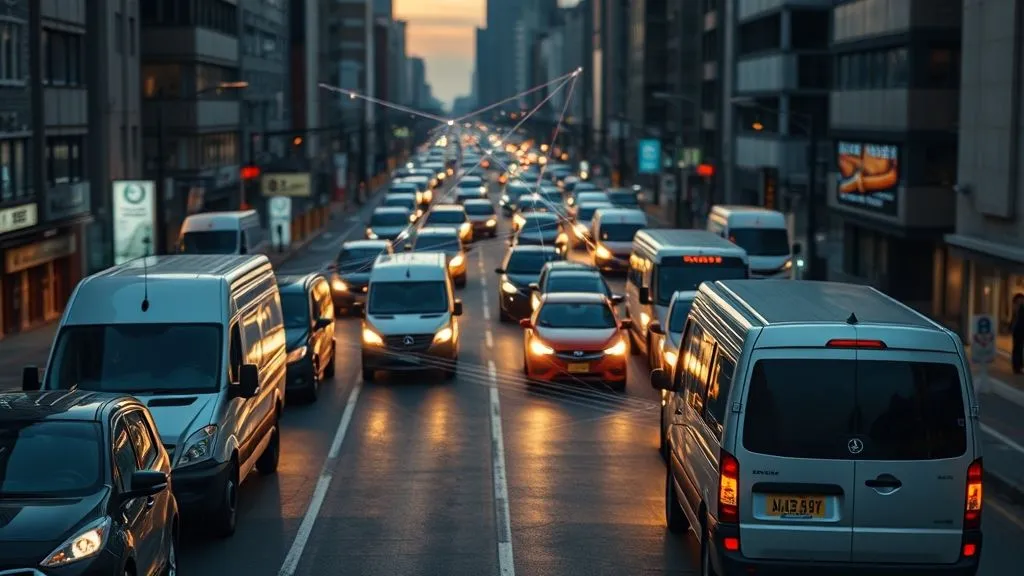
Before we can fix the problem, we must understand its roots. The last-mile in dense urban areas is inherently expensive due to a confluence of factors. High fuel consumption from stop-and-go traffic, parking fines, driver wages, vehicle depreciation, and the sheer unpredictability of urban environments all contribute to a bloated cost structure.
Consider the average delivery driver in a bustling city. They spend significant time searching for parking, navigating one-way streets, dealing with access restrictions, and making multiple attempts for failed deliveries. Each of these micro-inefficiencies accumulates, turning what should be a straightforward drop-off into a costly ordeal. Without a strategic approach, these costs will continue to escalate.
"In urban logistics, time is not just money; it's the currency of customer satisfaction and operational viability."
Strategic Route Optimization: More Than Just GPS
At the heart of reducing last-mile delivery costs lies superior route optimization. This isn't just about plugging addresses into a GPS. True optimization involves sophisticated algorithms that consider traffic patterns, delivery time windows, vehicle capacity, driver availability, and even historical data on specific routes.
Implementing Advanced Routing Software
Modern routing software goes beyond simple shortest-path calculations. It employs AI and machine learning to predict traffic, consolidate orders effectively, and create dynamic routes that adapt in real-time. This can significantly cut down on fuel consumption and driver hours.
- Data Collection: Gather historical data on delivery times, traffic, and successful vs. failed deliveries.
- Parameter Definition: Input all relevant constraints: vehicle types, driver shifts, customer time windows, and service level agreements.
- Real-time Adjustments: Integrate with live traffic data and weather forecasts to allow for dynamic route modifications.
- Driver Feedback Loop: Encourage drivers to provide input on route feasibility and actual conditions to continuously refine the system.
Case Study: MetroLogistics' Route Revolution
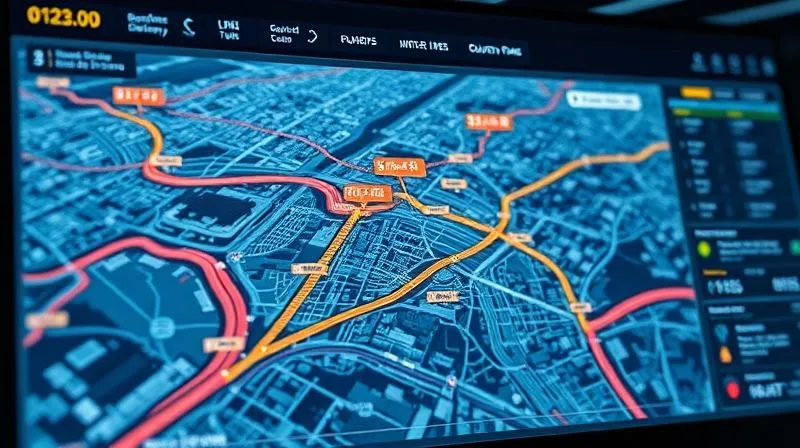
MetroLogistics, a regional parcel carrier, struggled with inconsistent delivery times and rising fuel costs in their city operations. Their manual routing system was failing. By investing in an AI-powered route optimization platform, they integrated their order management and GPS data. This allowed the system to not only plan optimal routes but also to re-route drivers dynamically in response to unexpected traffic jams or last-minute order changes. Within six months, they saw a 15% reduction in fuel costs and a 10% improvement in on-time delivery rates, directly impacting their ability to reduce last-mile delivery costs in dense urban areas significantly.
Embracing Micro-Fulfillment & Urban Hubs for Efficiency
One of the most impactful strategies I've seen is the decentralization of inventory through micro-fulfillment centers (MFCs) and urban logistics hubs. Instead of shipping everything from a distant warehouse, bringing goods closer to the customer dramatically shrinks the 'last mile' itself.
The Power of Proximity
MFCs are essentially small, automated warehouses located strategically within urban centers. They allow for faster order picking and packing, reducing the travel distance for delivery vehicles. This not only speeds up delivery but also allows for more deliveries per vehicle per day, increasing efficiency and lowering the cost per delivery.
- Reduced Travel Distance: Shorter trips mean less fuel and wear-and-tear.
- Increased Delivery Density: More parcels can be delivered in a smaller geographic area.
- Faster Delivery Times: Meeting customer expectations for speed without incurring premium costs.
- Optimized Fleet Utilization: Smaller, more agile vehicles can be used for the final leg.
According to a Deloitte study, micro-fulfillment can cut last-mile delivery costs by up to 30% in certain scenarios. It's a game-changer for urban logistics.
Leveraging Technology: Data, AI, and Automation
Technology is the backbone of modern logistics. Beyond route optimization, a suite of digital tools can provide the transparency and control needed to effectively reduce last-mile delivery costs in dense urban areas.
Predictive Analytics and Demand Forecasting
Using AI to analyze historical sales data, seasonal trends, and even local events can help predict demand more accurately. This enables better inventory positioning in MFCs and more efficient scheduling of delivery resources, minimizing idle time and over-provisioning.
Automated Dispatch and Tracking
Automated dispatch systems reduce human error and speed up the process of assigning deliveries. Real-time tracking provides visibility for both logistics managers and customers, allowing for proactive communication and problem-solving, like notifying customers of delays or offering alternative delivery slots.
Key Technology Benefits for Cost Reduction
| Technology Aspect | Cost Reduction Benefit | Impact |
|---|---|---|
| Route Optimization Software | Minimizes fuel and driver hours | High |
| Predictive Analytics | Optimizes inventory and resource allocation | Medium-High |
| Automated Dispatch & Tracking | Reduces errors, improves efficiency, enhances customer communication | Medium |
| Fleet Management Systems | Monitors vehicle health, reduces maintenance costs | Medium |
The Shift to Sustainable Fleets and Alternative Delivery Methods
Environmental regulations and corporate social responsibility aren't just good for PR; they can also be a pathway to cost savings, especially in the last mile.
Electric Vehicles (EVs) and E-Cargo Bikes
While the upfront investment for EVs can be higher, their operational costs are significantly lower due to reduced fuel expenses and often lower maintenance. E-cargo bikes, in particular, are proving to be highly effective in congested urban centers, bypassing traffic and parking issues entirely for smaller parcels.
- Lower Fuel Costs: Electricity is often cheaper than gasoline/diesel.
- Reduced Maintenance: EVs have fewer moving parts.
- Access to Restricted Zones: E-bikes can access pedestrian areas or low-emission zones.
- Brand Image: Appeals to environmentally conscious consumers.
Parcel Lockers and Consolidated Pick-up Points
Instead of delivering to individual homes or businesses, consolidating deliveries to secure parcel lockers or designated pick-up points (e.g., local shops) dramatically increases delivery density. A single stop can serve dozens of customers, drastically reducing the number of individual stops a driver needs to make. This strategy is a cornerstone for companies looking to reduce last-mile delivery costs in dense urban areas without sacrificing customer convenience.
Dynamic Pricing and Delivery Slot Management
Customer expectations for free, fast shipping are a major driver of last-mile costs. Smart pricing and delivery slot management can help mitigate this.
Incentivizing Off-Peak Deliveries
Offer a slight discount or free delivery for customers who choose longer delivery windows or off-peak slots (e.g., 3-day delivery, or evening delivery). This allows logistics providers to consolidate more orders and optimize routes more effectively, reducing the pressure for immediate, individual deliveries that are inherently expensive.
Premium for Expedited or Specific Time Slots
Conversely, charge a premium for highly specific or expedited delivery windows. This ensures that the customer bears some of the additional cost incurred by the logistics provider for meeting these demanding requirements. As marketing guru Seth Godin often says, "The market will bear what it will bear, but only if you ask."
Collaborative Logistics and Crowdsourced Delivery Models
Innovation in the last mile also comes from rethinking traditional delivery structures.
Shared Logistics Platforms
Consider partnering with other businesses or using shared logistics platforms. This allows for freight consolidation, where multiple companies pool their delivery needs, filling vehicles more efficiently and reducing the number of half-empty vans on the road. This can be particularly effective for smaller businesses that lack the volume to justify their own extensive last-mile fleet.
Crowdsourced Delivery
Platforms like Uber Eats or DoorDash have popularized the concept of crowdsourced delivery. For certain types of goods, tapping into a network of independent contractors can provide flexible capacity that scales with demand, avoiding the fixed costs of maintaining a large proprietary fleet. This model thrives in dense urban areas where there's a ready supply of gig workers.
Refining Returns Management for Cost Savings
Returns are often an overlooked aspect of last-mile costs, yet they represent a significant reverse logistics challenge, particularly in dense urban areas where collection can be as complex as delivery.
Optimizing Reverse Logistics
Just as you optimize outbound routes, consider how returns are handled. Can customers drop off items at designated hubs or parcel lockers? Can returns be consolidated on existing delivery routes (e.g., a driver picking up a return after dropping off a new order in the same vicinity)? Minimizing dedicated return trips is crucial.
- Centralized Drop-off Points: Establish convenient locations for customers to drop off returns, reducing the need for individual pickups.
- Scheduled Pick-ups: Offer scheduled return pick-up windows that can be integrated efficiently into existing delivery routes.
- Pre-paid Labels & Packaging: Simplify the return process for customers to encourage proper packaging, reducing damage in transit.
- Data Analysis of Returns: Understand *why* products are returned to address root causes, such as inaccurate product descriptions or sizing issues, thereby reducing future returns.
By proactively managing returns, businesses can transform a cost center into a more streamlined process, further contributing to their efforts to reduce last-mile delivery costs in dense urban areas. This holistic view of the supply chain, from initial order to potential return, is what truly defines an optimized operation.
| Strategy Category | Key Tactic | Estimated Cost Reduction Potential |
|---|---|---|
| Route Optimization | AI-driven dynamic routing | 10-15% |
| Infrastructure | Micro-fulfillment centers | 15-30% |
| Technology Adoption | Predictive analytics & automation | 5-10% |
| Fleet & Methods | EVs & parcel lockers | 10-20% |
| Pricing & Demand Mgmt. | Dynamic delivery slots | 5-10% |
| Collaboration | Crowdsourcing & shared platforms | Variable, up to 20% for specific cases |
| Returns Management | Optimized reverse logistics | 5-10% |
Frequently Asked Questions (FAQ)
What is the single most impactful change a small business can make to reduce last-mile costs? For a small business, the most impactful change is often implementing a robust route optimization software. This technology, now accessible even for smaller operations, directly addresses inefficiencies in fuel consumption and driver time, which are usually the largest cost drivers. It's a foundational step that unlocks further savings.
How do I balance customer expectations for fast delivery with the need to cut costs? Balancing speed and cost requires clear communication and strategic pricing. Offer tiered delivery options: a premium for expedited service and a standard (or even discounted) rate for longer, more cost-effective windows. Educate customers on the benefits of consolidated or off-peak deliveries. Transparency about delivery costs can also help manage expectations.
Are electric delivery vehicles truly cost-effective in the long run for urban areas? Absolutely. While the initial capital investment can be higher, the operational savings from lower fuel (electricity) costs, reduced maintenance, and potential tax incentives or urban access benefits (e.g., avoiding congestion charges) make EVs highly cost-effective over their lifespan. The total cost of ownership (TCO) for EVs in urban last-mile scenarios is increasingly favorable.
What role does real-time data play in reducing last-mile costs? Real-time data is indispensable. It allows for dynamic adjustments to routes based on live traffic, weather, or unexpected road closures. It also provides immediate feedback on delivery performance, enabling managers to address issues proactively, re-route drivers, and inform customers, preventing costly failed deliveries or customer service escalations. Without it, you're driving blind.
How can I convince my team to adopt new last-mile strategies and technologies? Change management is key. Start by demonstrating the tangible benefits with pilot programs and clear metrics. Involve drivers and dispatchers in the planning process, address their concerns, and provide thorough training. Highlight how new tools can make their jobs easier, not just more controlled. Showing how these changes directly contribute to the company's success and job security can foster buy-in.
Key Takeaways and Final Thoughts
The challenge of how to reduce last-mile delivery costs in dense urban areas is formidable, but it's far from insurmountable. As an industry specialist, I've seen companies transform their operations by embracing a multi-faceted approach, leveraging technology, rethinking infrastructure, and optimizing every step of the delivery and returns process.
- Prioritize Advanced Route Optimization: It's the most direct path to efficiency.
- Embrace Urban Micro-Hubs: Shrink the last mile physically.
- Invest in Data & Automation: Make informed decisions and streamline processes.
- Explore Sustainable & Alternative Methods: EVs, e-bikes, and parcel lockers offer significant gains.
- Manage Demand Strategically: Use pricing and slot management to your advantage.
- Collaborate & Innovate: Shared platforms and crowdsourcing can offer flexible capacity.
- Optimize Reverse Logistics: Don't let returns erode your profits.
The future of urban logistics is agile, data-driven, and customer-centric. By thoughtfully implementing these strategies, you're not just cutting costs; you're building a more resilient, efficient, and profitable operation that's ready for whatever the urban landscape throws at it. Take these insights, apply them with diligence, and watch your last-mile challenges turn into your competitive edge.
Recommended Reading
- Slash Facility Maintenance Costs: 7 Strategies to Control Contractor Spend
- Financial Projections Off? 7 Steps to Recalibrate Your Small Business Plan
- CRM Not Boosting Sales? 7 Fixes for Faster Deals & Better Closure
- Boost Quotas: 7 Proven Pillars to Make Sales Training Drive Real Results
- 5 Steps to Quickly Re-engage Underperforming B2B Channel Partners




Comments
Leave a comment below. Your email will not be published. Required fields marked with *