

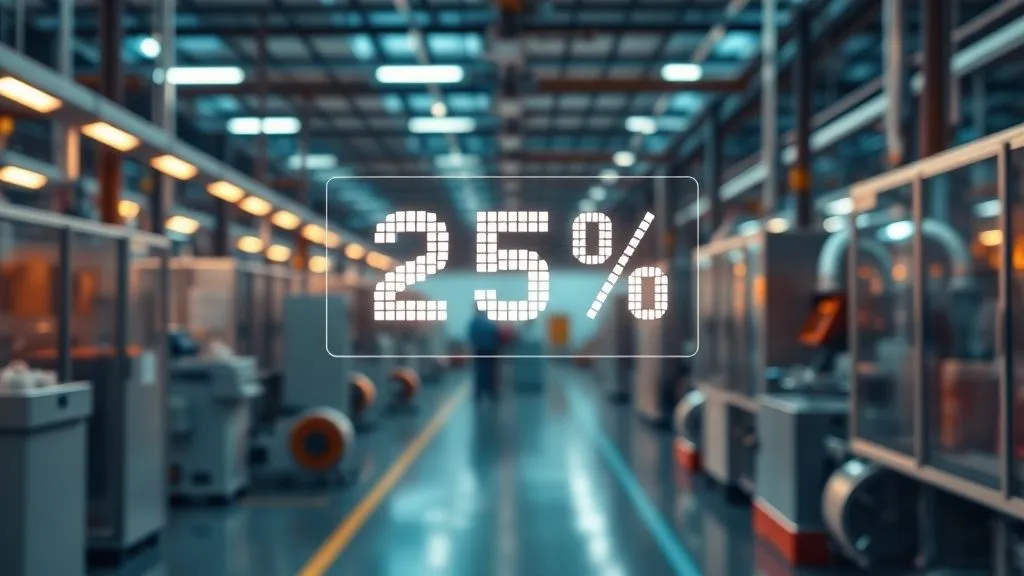
How to Slash Operational Waste and Carbon Emissions 25%?
For over 15 years in the Corporate Social Responsibility (CSR) and sustainability sector, I’ve witnessed countless businesses grapple with the dual challenge of escalating operational costs and growing environmental scrutiny. Many start with good intentions but quickly get bogged down by complexity, failing to see tangible results beyond token gestures.
The pain points are universal: rising energy bills, increasing waste disposal costs, supply chain inefficiencies, and the looming threat of regulatory penalties or reputational damage. Companies know they need to act, but the 'how' often remains a formidable, overwhelming question, leading to stagnation rather than genuine progress.
This isn't just about compliance or ticking a box; it's about unlocking significant economic value, enhancing brand loyalty, and securing a resilient future. In this definitive guide, I will share the exact frameworks, actionable steps, and expert insights I’ve used to help organizations not just reduce, but truly slash operational waste and carbon emissions by a verifiable 25% or more. We'll explore strategic decarbonization, waste stream optimization, technological leverage, and the cultural shifts essential for sustained success.
Understanding the Imperative: Why 25% Matters Now
Achieving a 25% reduction in operational waste and carbon emissions isn't just an ambitious goal; it's rapidly becoming a baseline for competitive advantage and long-term viability. The global landscape is shifting, with consumers, investors, and regulators increasingly demanding measurable environmental performance from businesses of all sizes.
The Economic Case for Reduction
Beyond the ethical considerations, there’s a compelling financial argument. Every unit of waste generated, every kilowatt-hour of excess energy consumed, represents a direct cost to your bottom line. By systematically identifying and eliminating these inefficiencies, you’re not just 'going green,' you're optimizing your resource utilization and boosting profitability.
I've seen firsthand how companies that embrace aggressive reduction targets unlock significant savings in raw material costs, energy expenditures, and waste disposal fees. These savings can then be reinvested into innovation, employee well-being, or further sustainability initiatives, creating a virtuous cycle of improvement.
The Reputational and Regulatory Drivers
In today's interconnected world, a company's environmental footprint is under constant public scrutiny. A strong commitment to slashing operational waste and carbon emissions by 25% can significantly enhance your brand reputation, attracting environmentally conscious customers and top talent. Conversely, inaction poses severe reputational risks.
Furthermore, regulatory bodies worldwide are tightening environmental standards and introducing carbon pricing mechanisms. Proactive reduction strategies not only ensure compliance but also position your business ahead of future regulations, mitigating potential fines and operational disruptions. As a recent Harvard Business Review article highlighted, sustainability is no longer just a cost center but a strategic imperative. Read more on the ROI of sustainability here.

Phase 1: Comprehensive Waste & Emissions Audit
You can’t manage what you don’t measure. The first critical step to genuinely slash operational waste and carbon emissions by 25% is to conduct a thorough, forensic audit of your current environmental footprint. This isn't a superficial glance; it's a deep dive into every aspect of your operations.
Step 1: Map Your Value Chain
Begin by mapping your entire value chain, from raw material sourcing to product end-of-life. Identify all inputs, processes, outputs, and waste streams. This comprehensive view helps uncover hidden inefficiencies and areas of significant impact that might otherwise be overlooked.
Step 2: Quantify Current Impacts
This is where the data comes in. Quantify your current waste generation by type (solid, liquid, hazardous), volume, and disposal method. Simultaneously, measure your carbon emissions across all scopes:
- Scope 1 Emissions: Direct emissions from owned or controlled sources (e.g., company vehicles, on-site fuel combustion).
- Scope 2 Emissions: Indirect emissions from the generation of purchased energy (electricity, heat, steam).
- Scope 3 Emissions: All other indirect emissions in your value chain, both upstream and downstream (e.g., purchased goods and services, business travel, waste generated in operations, employee commuting, product end-of-life). This is often the largest and most challenging scope but offers immense reduction potential.
Step 3: Identify Hotspots and Opportunities
Once quantified, analyze the data to pinpoint your biggest waste generators and carbon emission hotspots. Are certain production lines disproportionately wasteful? Is a particular material causing significant upstream emissions? This analysis will highlight the most impactful areas for intervention, allowing you to prioritize your efforts effectively.
I advise clients to look for patterns, anomalies, and areas where small changes could yield significant returns. It’s often not about one massive problem, but a series of interconnected inefficiencies. The U.S. Environmental Protection Agency (EPA) provides excellent resources and methodologies for waste auditing and greenhouse gas inventory development. Explore EPA WasteWise resources here.
| Impact Area | Baseline (2023) | Target (2025) | Reduction Target |
|---|---|---|---|
| Energy Consumption (kWh) | 5,000,000 | 3,750,000 | 25% |
| Solid Waste (Tons) | 1,200 | 900 | 25% |
| Water Usage (m³) | 800,000 | 600,000 | 25% |
| Scope 1 & 2 Emissions (tCO2e) | 3,500 | 2,625 | 25% |
Phase 2: Strategic Decarbonization & Waste Stream Optimization
With a clear understanding of your current footprint, the next phase focuses on implementing targeted strategies to slash operational waste and carbon emissions. This requires a multi-faceted approach, tackling both energy and material flows.
Energy Efficiency & Renewable Transition
Energy consumption is a primary driver of carbon emissions. A 25% reduction here is often achievable through a combination of efficiency upgrades and a shift to renewable sources.
- Optimize Equipment & Infrastructure: Invest in energy-efficient machinery, HVAC systems, and lighting (e.g., LED upgrades). Implement smart building management systems that automate energy use based on occupancy and external conditions.
- Process Optimization: Identify and eliminate energy-intensive bottlenecks in your production processes. Can you consolidate operations, reduce idle times, or recover waste heat?
- Transition to Renewables: Explore on-site renewable energy generation (solar panels, wind turbines) or procure renewable energy through power purchase agreements (PPAs) or green tariffs. This directly addresses Scope 2 emissions and significantly reduces your carbon footprint.
Process Optimization & Lean Principles
Waste isn't just about what goes into the bin; it's about any activity that consumes resources without adding value. Embracing lean manufacturing and circular economy principles is crucial.
- Reduce, Reuse, Recycle (The 3 Rs, with an emphasis on Reduce): Prioritize reduction at the source. Can packaging be minimized? Can materials be redesigned for durability and repairability?
- Material Substitution: Explore alternative, lower-impact materials. Can you switch to recycled content, bio-based materials, or materials with a lower embodied carbon footprint?
- Closed-Loop Systems: Design processes where waste from one operation becomes a valuable input for another, either internally or externally. This dramatically reduces landfill bound waste.
Supply Chain Engagement for Lower Footprint
Scope 3 emissions, particularly those from your supply chain, often represent the largest portion of a company's carbon footprint. Engaging your suppliers is non-negotiable for achieving a 25% reduction.
- Supplier Assessment & Collaboration: Work with suppliers to understand their environmental performance. Encourage and support them in adopting sustainable practices, offering incentives for improvements.
- Logistics Optimization: Reduce emissions from transportation by optimizing routes, consolidating shipments, and exploring lower-emission transport modes (e.g., rail instead of road).
- Local Sourcing: Where feasible, source materials and components locally to reduce transportation distances and support regional economies.

Phase 3: Leveraging Technology and Innovation
Technology is a powerful enabler in the quest to slash operational waste and carbon emissions. The right tools can provide granular insights, automate processes, and unlock efficiencies previously unimaginable. I've often seen companies accelerate their reduction targets significantly by strategically adopting innovative solutions.
Smart Sensors and IoT for Resource Management
The Internet of Things (IoT) provides real-time data on resource consumption. Deploying smart sensors in factories, offices, and logistics networks can monitor energy use, water flow, and waste generation with unprecedented precision. This allows for immediate identification of anomalies, predictive maintenance, and optimized resource allocation.
For instance, smart thermostats can learn occupancy patterns and adjust heating/cooling, while leak detection sensors can prevent substantial water waste. This granular data is invaluable for fine-tuning operations and ensuring that your reduction efforts are truly effective. It moves you from reactive fixes to proactive optimization.
Advanced Waste-to-Value Solutions
Beyond traditional recycling, innovative technologies are transforming how businesses handle waste. This includes advanced sorting technologies, anaerobic digestion for organic waste (producing biogas), pyrolysis or gasification for difficult-to-recycle plastics (converting them into fuel or chemicals), and industrial symbiosis platforms that connect waste generators with waste users.
These solutions not only divert waste from landfills but also create new revenue streams or reduce reliance on virgin materials, directly contributing to both waste and carbon emission reductions. It's about seeing waste not as an end product, but as a valuable resource waiting to be repurposed.
Case Study: EcoTech Solutions' 28% Reduction
EcoTech Solutions, a mid-sized electronics manufacturer, faced increasing pressure from investors regarding its environmental footprint. After a comprehensive audit, they realized their primary challenges were high energy consumption in their assembly lines and significant plastic waste from packaging.
By implementing a phased approach, they first upgraded their legacy machinery with energy-efficient models and installed smart meters across their facility, identifying and rectifying energy leakage points. This alone led to an 11% reduction in Scope 2 emissions. Next, they redesigned their product packaging, moving from multi-layer plastics to recycled cardboard with minimal inserts, reducing packaging waste by 40%.
Finally, they partnered with a local innovator to implement a closed-loop system for their manufacturing plastic scraps, converting them into non-critical components for internal use. Over 18 months, EcoTech Solutions achieved an impressive 28% reduction in their combined operational waste and carbon emissions, exceeding their initial 25% target and saving over $1.2 million annually in operational costs. This demonstrates the power of integrated technological and process innovation.
Phase 4: Cultivating a Culture of Sustainability
Technology and strategy are vital, but without the right organizational culture, even the best plans can falter. To truly slash operational waste and carbon emissions by 25% and sustain that reduction, you need every employee to be an active participant. Sustainability must become embedded in your company's DNA.
Employee Engagement and Training
Employees are on the front lines of your operations; they often have the best insights into where waste occurs and where efficiencies can be gained. Launch comprehensive training programs that educate staff on the company's sustainability goals, the 'why' behind them, and their individual roles in achieving them.
Encourage ideas and feedback through suggestion boxes, sustainability committees, or internal innovation challenges. Recognize and reward employees who contribute to waste and emission reduction efforts. A truly engaged workforce can be your most powerful asset in this journey.
Setting Clear Targets and Incentives
Ambiguity is the enemy of action. Establish clear, measurable, and time-bound targets for waste and emission reduction at every level of the organization, from departmental goals to individual performance objectives. These targets should align with your overall 25% reduction goal.
Integrate sustainability metrics into performance reviews and link incentives – both monetary and non-monetary – to achieving these targets. When employees understand their direct impact and are rewarded for positive contributions, commitment naturally follows. This is about making sustainability everyone's job.
In my experience, the single biggest differentiator between companies that achieve significant environmental reductions and those that merely talk about them is the depth of their cultural integration. It's not just a project; it's a paradigm shift.
Phase 5: Measurement, Reporting, and Continuous Improvement
Achieving a 25% reduction is not a one-time event; it's a continuous journey. Robust measurement and transparent reporting are essential to track progress, ensure accountability, and identify areas for further improvement. This final phase solidifies your gains and sets the stage for future advancements.
Establishing Robust KPIs
Based on your initial audit, establish Key Performance Indicators (KPIs) that directly reflect your waste and carbon emission reduction goals. These might include: energy intensity (kWh/unit produced), waste diversion rate (%), water consumption per employee, or Scope 1, 2, and 3 emissions (tCO2e).
Regularly collect and analyze data against these KPIs. Utilize dashboards and visualization tools to make progress transparent and accessible to all stakeholders. This data-driven approach allows for agile adjustments to your strategies and ensures you remain on track to slash operational waste and carbon emissions by 25%.
Transparent Reporting and Communication
Communicate your progress, challenges, and successes openly, both internally and externally. Publish annual sustainability reports, engage with stakeholders, and participate in recognized reporting frameworks like the Carbon Disclosure Project (CDP) or Global Reporting Initiative (GRI). Learn more about CDP reporting.
Transparency builds trust with customers, investors, and employees. It also holds your organization accountable and reinforces your commitment to environmental stewardship. As the World Economic Forum consistently emphasizes, corporate transparency on environmental impact is crucial for building a sustainable future. Explore WEF insights on circular economy.
The Iterative Cycle of Reduction
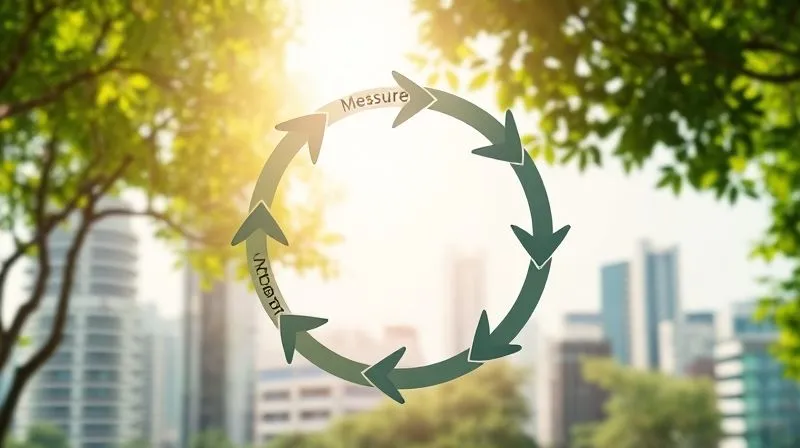
View your sustainability journey as an iterative cycle of Plan-Do-Check-Act. After implementing strategies (Do) and measuring results (Check), analyze what worked and what didn't (Act). Use these insights to refine your plans (Plan) and initiate the next round of improvements. This commitment to continuous improvement ensures that your organization not only meets but potentially exceeds its initial 25% reduction target and adapts to evolving environmental challenges.
| KPI | Q1 Target | Q1 Actual | Status |
|---|---|---|---|
| Energy Intensity (kWh/unit) | -5% | -6% | On Track |
| Waste Diversion Rate (%) | +3% | +2.5% | Minor Adjustment Needed |
| Scope 2 Emissions (tCO2e) | -7% | -8% | Exceeding Target |
| Water Consumption (m³/unit) | -4% | -4.5% | On Track |
Frequently Asked Questions (FAQ)
What's the most common mistake companies make when trying to reduce emissions? The most common mistake is a lack of comprehensive baseline measurement and an over-reliance on 'easy wins' without a strategic, integrated plan. Many jump to recycling programs without first optimizing energy use or addressing supply chain emissions, leading to limited, unsustainable reductions. A truly impactful reduction requires a holistic approach, starting with a detailed audit of all scopes of emissions and waste streams.
Is a 25% reduction target realistic for all businesses? While ambitious, a 25% reduction is often realistic for many businesses, especially those that haven't yet optimized their operations for sustainability. The feasibility depends on your current baseline, industry, and investment capacity. However, with a rigorous audit and dedicated implementation of the strategies outlined, most companies can achieve significant reductions, often exceeding 25% in certain areas. It requires commitment and a willingness to innovate.
How can small businesses achieve such significant reductions without large budgets? Small businesses can achieve significant reductions by focusing on low-cost, high-impact strategies. This includes optimizing existing energy use (e.g., turning off lights, smart thermostats), reducing material waste through lean practices, engaging employees, and exploring local circular economy initiatives. Government grants and industry association programs often provide support for sustainability initiatives. The key is to start small, measure everything, and build momentum.
What role does technology truly play in achieving these targets? Technology is a critical enabler, providing the data, automation, and innovative solutions needed to move beyond incremental improvements. From IoT sensors for real-time monitoring to advanced waste-to-value processing and AI-driven efficiency algorithms, technology allows for precision, scale, and speed in reduction efforts. It transforms raw data into actionable insights, making the 25% target not just achievable but measurable and verifiable.
How do I convince my leadership team to invest in these initiatives? To convince leadership, frame sustainability as a strategic business imperative, not just an expense. Focus on the tangible ROI: cost savings from reduced energy and waste, enhanced brand reputation, increased customer loyalty, improved employee retention, and reduced regulatory risks. Present a clear business case with projected financial benefits, leveraging industry benchmarks and potential competitive advantages. Highlight how these initiatives will build long-term resilience and value for the company.
Key Takeaways and Final Thoughts
Achieving a 25% reduction in operational waste and carbon emissions is a transformative journey that moves your business beyond mere compliance to genuine leadership in sustainability. It's a strategic imperative that delivers profound economic, reputational, and environmental benefits. As an industry veteran, I can assure you that the path, while challenging, is incredibly rewarding.
- Start with a Forensic Audit: You can't improve what you don't accurately measure. Understand your entire value chain's impact.
- Implement Multi-Faceted Strategies: Combine energy efficiency, renewable energy, lean operations, and supply chain engagement.
- Leverage Technology & Innovation: Use smart tools and advanced solutions for deeper insights and greater efficiencies.
- Cultivate a Sustainable Culture: Engage every employee; make sustainability a core value, not just a department's responsibility.
- Measure, Report, and Iterate: Track progress rigorously, communicate transparently, and commit to continuous improvement.
The commitment to slash operational waste and carbon emissions by 25% isn't just about meeting a number; it's about building a more resilient, efficient, and responsible business for the future. Embrace this challenge with confidence, armed with these proven strategies, and watch your organization thrive while making a tangible difference to our planet. The time for action is now.
Recommended Reading
- Partner Breach? 7 Steps to Navigate Critical Agreement Violations
- 9 Proactive Strategies: Preventing Union Organizing Drives in Your Non-Union Workplace
- 7 Proven Strategies: Rebalancing High Debt-Equity for Sustainable Growth
- 7 Proven Strategies: Stop Client Revenue Decline & Boost Upsells
- Mastering R&D: Risk Assessment Methods for Project Portfolios





Comments
Leave a comment below. Your email will not be published. Required fields marked with *