


Introduction: How to stop remote staff feeling disconnected from the team?
For over 15 years in the evolving landscape of business and remote work, I've witnessed a silent but insidious challenge undermine even the most promising teams: the erosion of connection among remote staff. It's a problem that often goes unnoticed until productivity dips, morale plummets, and ultimately, valuable talent walks out the door.
The rapid shift to remote work, accelerated by global events, brought unprecedented flexibility but also inadvertently created 'digital islands' where individuals, despite being part of a team, feel isolated. This isn't just about missing water cooler chats; it's about a fundamental human need for belonging, trust, and shared purpose that can easily fracture when physical proximity is absent. Left unaddressed, this disconnection can cripple innovation, increase turnover, and severely impact overall business performance.
But here's the good news: disconnection isn't an inevitable byproduct of remote work. In this definitive guide, I'll share actionable frameworks, research-backed strategies, and real-world insights I've gathered from helping countless organizations bridge this gap. You'll learn how to proactively cultivate a vibrant, connected remote culture that not only retains talent but fuels innovation and collective success, directly addressing how to stop remote staff feeling disconnected from the team.
1. Understanding the Roots of Remote Disconnection
Before we can build bridges, we must understand the chasms. Remote disconnection isn't a monolithic problem; it stems from several intertwined factors. From my experience, the primary culprits include a lack of spontaneous interaction, communication breakdowns, differing work-life boundaries, and a perceived absence of shared culture.
Remote employees often miss the informal cues and spontaneous interactions that glue office-based teams together. These unplanned moments—a quick chat in the hallway, an impromptu coffee break—are crucial for building rapport and understanding team dynamics. Without them, individuals can feel like cogs in a machine, rather than valued members of a collective.
Furthermore, poor communication practices exacerbate this. Ambiguous instructions, delayed responses, or an over-reliance on formal channels can leave remote staff feeling out of the loop and undervalued. They may hesitate to ask questions, fearing they're interrupting, or simply not know where to turn for support.
Expert Insight: "Disconnection often begins subtly, not with grand failures, but with the accumulation of small, missed opportunities for human interaction. Proactive design of connection points is paramount."
The blurring of work and home life, while offering flexibility, can also lead to isolation. Remote workers might feel pressured to always be 'on', yet simultaneously struggle to switch off, leading to burnout. This combination of constant availability and lack of genuine connection is a potent recipe for feeling disconnected.
Finally, a lack of shared culture or rituals can leave remote staff feeling adrift. If the company culture is primarily defined by in-office perks or events, remote employees can feel like second-class citizens, missing out on the collective experience that binds a team. Recognizing these root causes is the first crucial step in learning how to stop remote staff feeling disconnected from the team.

2. Building a Foundation of Trust and Psychological Safety
At the heart of any truly connected team, remote or otherwise, lies trust and psychological safety. Without these, no amount of team-building exercises or communication tools will suffice. Psychological safety, as defined by Harvard Business School professor Amy Edmondson, is the belief that one will not be punished or humiliated for speaking up with ideas, questions, concerns, or mistakes. It's the bedrock of a high-performing, connected team.
In a remote setting, establishing psychological safety is even more critical. Team members need to feel safe to admit when they're struggling, to ask for help, or to challenge an idea without fear of reprisal, especially when non-verbal cues are absent. This fosters an environment where vulnerability is seen as a strength, not a weakness.
How do you cultivate this remotely? It starts with leadership. Managers must actively model vulnerability, admit their own mistakes, and consistently demonstrate empathy. They must create clear channels for feedback and ensure that all voices are heard and respected, regardless of location.
- Lead by Example: Share your own challenges or learning moments. This signals that it's okay for others to do the same.
- Actively Solicit Input: Don't wait for remote staff to speak up. Create dedicated, low-pressure forums for ideas and concerns, like anonymous surveys or specific 'check-in' questions in meetings.
- Respond Constructively: When mistakes happen, focus on learning and process improvement, not blame. Frame failures as opportunities for collective growth.
- Ensure Fairness: Be transparent about decision-making and opportunities. Perceived favoritism towards in-office staff can quickly erode trust among remote employees.
According to a Harvard Business Review article, teams with high psychological safety are more innovative, engaged, and resilient. This directly impacts how to stop remote staff feeling disconnected from the team by creating an environment where they feel truly valued and heard.

3. Mastering Asynchronous Communication for Clarity and Inclusion
One of the biggest pitfalls in remote communication is trying to replicate in-office synchronous dynamics online. While live meetings have their place, over-reliance on them can lead to Zoom fatigue, time zone challenges, and exclude those who prefer to process information differently. Mastering asynchronous communication is crucial for inclusion and reducing the feeling of being out of the loop.
Asynchronous communication means exchanging information without the need for an immediate, real-time response. Think emails, project management tools, shared documents, and recorded video updates. The key is to make these channels effective and efficient.
- Document Everything Clearly: Ensure decisions, project updates, and key information are documented in a centralized, easily accessible location (e.g., Notion, Confluence, SharePoint). This reduces information silos.
- Prioritize Detail and Context: When communicating asynchronously, provide all necessary context upfront. Assume the recipient doesn't have the full picture. Use bullet points, bold text, and clear headings.
- Set Expectations for Response Times: Clearly communicate when responses are expected. This manages anxiety and allows team members to plan their work effectively without feeling pressured for instant replies.
- Utilize Video for Nuance: For complex explanations or important announcements, record short video messages. This adds a personal touch and conveys tone more effectively than text, without requiring everyone to be online simultaneously.
Consider the following comparison of communication methods:
| Method | Best Use Case | Pros | Cons |
|---|---|---|---|
| Formal updates, non-urgent information, documentation | Archivable, detailed, flexible | Can be slow, impersonal, easy to misinterpret | |
| Chat (Slack/Teams) | Quick questions, informal discussions, urgent alerts | Fast, immediate, fosters casual interaction | Can be distracting, information overload, difficult to track decisions |
| Video Call | Complex discussions, brainstorming, team bonding, critical decisions | Rich interaction, non-verbal cues, builds rapport | Scheduling challenges, Zoom fatigue, less inclusive for some |
| Project Management Tool | Task tracking, project updates, collaborative planning | Transparency, accountability, centralized information | Requires discipline, can feel overly formal |
By thoughtfully integrating asynchronous tools and practices, you empower remote staff to engage on their own terms, reducing the pressure to conform to a rigid schedule and fostering a sense of control over their work environment. This is a powerful step in how to stop remote staff feeling disconnected from the team.
4. Strategic Synchronous Engagement: Making Meetings Matter
While asynchronous communication is vital, synchronous interactions—live meetings, video calls—remain indispensable for building rapport, brainstorming, and making critical decisions. The challenge is to make these interactions meaningful and energizing, rather than draining and exclusionary. My rule of thumb: if it can be an email or a documented update, it shouldn't be a meeting.
Effective remote meetings require meticulous planning and facilitation. They should have a clear purpose, a concise agenda, and active participation from everyone. This is particularly important for remote staff who might otherwise feel like passive observers.
- Define a Clear Purpose and Agenda: Every meeting should have a stated objective and a timed agenda distributed in advance. This ensures participants come prepared and stay focused.
- Prioritize Video On: Encourage, but don't force, video cameras to be on. Seeing faces helps build connection and allows for reading non-verbal cues.
- Actively Facilitate Participation: Call on remote team members by name, use interactive tools (polls, whiteboards), and ensure everyone has a chance to speak. Avoid letting a few dominant voices monopolize the discussion.
- Build in Social Time: Start meetings with a quick, non-work-related check-in question to foster personal connection. End with a brief summary of next steps and who is responsible.
- Record and Share: Always record important meetings and share the recording and notes. This accommodates different time zones and provides a resource for those who couldn't attend or need a refresher.
Consider a team that adopted a 'no meeting Wednesdays' policy, dedicating that day to focused, uninterrupted work. This reduced meeting fatigue and increased productivity, while also making the remaining meetings feel more impactful. The goal isn't to eliminate meetings, but to optimize them for maximum engagement and connection, ensuring remote staff feel like active contributors rather than distant observers.
As Gallup research consistently shows, engaged employees are more productive and less likely to feel disconnected. Strategic synchronous engagement plays a significant role in fostering this engagement.
5. Fostering Informal Connections and Social Bonds
One of the most significant losses in remote work is the spontaneous, informal interactions that build camaraderie and strengthen social bonds. These 'water cooler moments' are vital for team cohesion and a sense of belonging. Proactively designing opportunities for informal connection is paramount to how to stop remote staff feeling disconnected from the team.
This isn't about forced fun; it's about creating low-pressure, optional spaces where people can connect on a human level, beyond project deadlines and work tasks. These moments help reinforce the idea that colleagues are also friends and allies.
- Virtual Coffee Breaks: Set up optional, recurring 15-minute video calls with no agenda. Let people chat about anything from weekend plans to hobbies. Mix up the groups to encourage cross-team connections.
- Dedicated Social Channels: Create specific Slack or Teams channels for non-work discussions, like #pets, #hobbies, #gaming, or #local-food. Encourage sharing personal interests.
- Virtual Team Lunches/Happy Hours: Organize occasional virtual social events. Ship food or drink vouchers to team members in advance to create a shared experience. Keep the agenda light and interactive.
- Gamification and Challenges: Introduce fun, optional team challenges (e.g., step challenges, photo contests, trivia nights) that encourage friendly competition and interaction.
- Personal Check-ins: Managers should dedicate a portion of their 1:1s to genuine, non-work-related check-ins, asking about well-being, family, and personal interests.
Case Study: How ConnectCo Transformed Remote Morale
ConnectCo, a rapidly growing software startup, faced a 40% turnover rate among its remote engineering team, citing feelings of isolation and lack of belonging. I worked with their leadership to implement a structured informal connection program. We started with weekly 'Virtual Water Cooler' sessions, where small, rotating groups of 4-5 engineers would meet for 20 minutes with no work agenda. We also introduced a monthly 'Show & Tell' where team members could share a hobby or passion project. Within six months, the turnover rate dropped to 15%, and internal surveys showed a significant increase in feelings of team cohesion and psychological safety. This resulted in improved cross-functional collaboration and a more vibrant, resilient remote culture.
These initiatives, when consistently applied, weave a stronger social fabric, making remote staff feel like integral parts of a community, not just contributors to a project. This human touch is essential in addressing how to stop remote staff feeling disconnected from the team.

6. Empowering Managers as Connectors, Not Just Taskmasters
Frontline managers are the linchpin of remote team connection. They are the daily touchpoint for remote staff and play a critical role in mitigating feelings of isolation. However, many managers are ill-equipped for this nuanced role, often focusing solely on tasks and deliverables rather than the human element. Empowering them with the right skills and tools is crucial.
A manager in a remote setting needs to be more than just an allocator of tasks; they must be a coach, a mentor, and a proactive connector. They need to understand the unique challenges their remote team members face and be a consistent source of support and information.
- Training in Remote Leadership: Provide specific training on empathy, active listening, virtual facilitation, and managing performance in a distributed environment.
- Consistent 1:1s: Mandate regular, structured (but flexible) 1:1 meetings. These are invaluable for checking in on well-being, career development, and providing a safe space for concerns. Make sure at least 10-15 minutes are dedicated to non-work topics.
- Visibility and Advocacy: Managers must ensure their remote team members' contributions are visible and recognized by leadership. They should advocate for their team's needs and ensure equitable opportunities.
- Culture Bearers: Managers are crucial in translating company values into daily remote practices. They can reinforce positive behaviors and address any issues that contribute to disconnection.
Expert Insight: "A great remote manager doesn't just manage work; they manage the human experience of work. This includes actively fostering belonging and psychological safety."
By investing in manager development, organizations can create a ripple effect, transforming potential points of isolation into strong channels of connection. This strategic focus on leadership development is fundamental to how to stop remote staff feeling disconnected from the team.
According to a Forbes article, managers in hybrid and remote settings require a distinct skill set focused on communication, empathy, and flexibility to succeed.
7. Leveraging Technology Thoughtfully for Connection
Technology is often seen as both the cause and cure for remote disconnection. While it enables remote work, the sheer volume of tools can also create fragmentation and fatigue. The key is to leverage technology thoughtfully, choosing tools that genuinely enhance connection and collaboration, rather than merely adding to the digital noise.
The right tech stack should support seamless communication, foster transparency, and provide avenues for both formal and informal interaction. It's not about having the most tools, but the right tools used effectively.
- Unified Communication Platforms: Invest in robust platforms (e.g., Slack, Microsoft Teams) that integrate chat, video, and file sharing. This reduces context switching and centralizes communication.
- Project Management and Collaboration Tools: Tools like Asana, Trello, or Jira provide transparency on project progress, roles, and responsibilities, ensuring everyone feels informed and aligned.
- Virtual Whiteboards: Interactive whiteboards (e.g., Miro, Mural) facilitate real-time brainstorming and collaborative problem-solving, mimicking in-person whiteboard sessions.
- Engagement & Recognition Platforms: Consider platforms like Culture Amp or Bonusly that allow for peer-to-peer recognition, pulse surveys, and feedback, making remote contributions visible and celebrated.
- Digital Social Spaces: Utilize tools or specific channels within your communication platform for non-work-related discussions and virtual social events.
The critical factor isn't the tool itself, but how it's integrated into the team's workflow and culture. Provide training, set clear guidelines for tool usage, and solicit feedback to ensure the technology is serving the team's needs, not hindering them. This intentional approach to digital infrastructure is vital in how to stop remote staff feeling disconnected from the team.
8. Measuring and Adapting: The Feedback Loop for Connection
You can't improve what you don't measure. In the context of remote team connection, this means actively seeking feedback, analyzing engagement metrics, and being prepared to adapt your strategies. Connection is not a one-time fix; it's an ongoing process that requires continuous attention and iteration.
Regularly assessing the pulse of your remote team helps identify early signs of disconnection and allows for timely interventions. This proactive approach prevents small issues from escalating into major problems.
- Regular Pulse Surveys: Implement short, anonymous surveys (e.g., weekly or bi-weekly) to gauge feelings of belonging, workload, communication clarity, and overall well-being.
- Stay Interviews: Conduct 'stay interviews' with remote employees to understand what keeps them engaged and what challenges they face. This is proactive retention.
- Exit Interviews: Pay close attention to feedback from departing remote staff. Often, the reasons for leaving can highlight systemic issues related to disconnection.
- Review Communication Analytics: Analyze usage patterns of your communication tools. Are certain channels underutilized? Are there clusters of inactivity that might indicate isolation?
- Host Open Forums: Periodically conduct anonymous Q&A sessions or 'ask me anything' forums where remote staff can voice concerns and offer suggestions without fear.
Based on the data gathered, be prepared to adjust your strategies. Perhaps a virtual social event wasn't well-received, or a communication channel isn't working as intended. The ability to pivot and refine your approach demonstrates a genuine commitment to your remote team's well-being and connection.
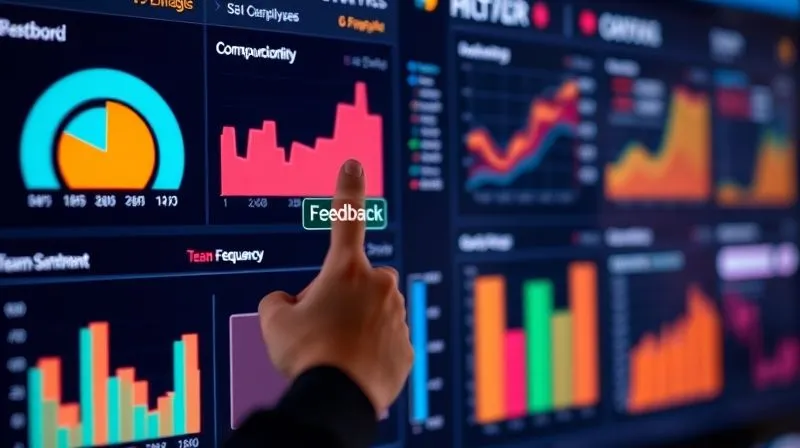
This continuous feedback loop is not just about data; it's about demonstrating to your remote staff that their experience matters, and that the organization is committed to creating an environment where they can thrive, truly addressing how to stop remote staff feeling disconnected from the team.
Frequently Asked Questions (FAQ)
Q: How often should we have team meetings to avoid disconnection? A: There's no magic number, but quality trumps quantity. Aim for 1-2 strategic team-wide synchronous meetings per week, focusing on collaboration and connection, not just status updates. Supplement with regular 1:1s and asynchronous communication. Over-scheduling can lead to 'Zoom fatigue' and actually increase feelings of disconnection.
Q: What's the biggest mistake companies make when trying to connect remote teams? A: The biggest mistake I've observed is treating remote connection as an afterthought or a series of isolated 'fun' events, rather than an integral part of the company culture and operational strategy. True connection requires intentional design, consistent effort, and leadership buy-in, not just a monthly virtual happy hour.
Q: How can we make new remote hires feel connected from day one? A: Onboarding is critical. Assign a dedicated 'buddy' or mentor, schedule introductory 1:1s with key team members, provide a comprehensive digital onboarding kit, and integrate them into social channels immediately. Proactively check in during their first few weeks, ensuring they have all the information and support they need to feel welcomed and integrated.
Q: Is it better to have a fully remote or hybrid model for connection? A: Both models have unique challenges and benefits. A fully remote model forces intentionality in connection strategies, creating a level playing field. A hybrid model, if not managed carefully, can create a 'two-tier' system where remote staff feel excluded from in-office interactions. The key is to design for inclusion, ensuring remote employees have equal access to information, opportunities, and social capital, regardless of the model.
Q: How can individual remote employees take responsibility for their own connection? A: While the organization bears the primary responsibility, individuals can also play a part. Encourage them to proactively reach out to colleagues, participate in social channels, provide constructive feedback, suggest team activities, and clearly communicate their needs and boundaries to their managers. It's a shared responsibility, but the onus often falls on leadership to create the environment where this is possible.
Key Takeaways and Final Thoughts
- Intentionality is Key: Remote connection doesn't happen by accident. It requires deliberate design and ongoing effort from leadership and managers.
- Prioritize Psychological Safety: Create an environment where remote staff feel safe to be vulnerable, ask questions, and make mistakes without fear.
- Master Both Async and Sync: Optimize asynchronous communication for clarity and inclusion, and make synchronous interactions strategic and engaging.
- Foster Informal Bonds: Proactively create opportunities for social interaction that go beyond work tasks to build camaraderie.
- Empower Managers: Equip frontline managers with the skills to be connectors, coaches, and advocates for their remote teams.
- Leverage Tech Thoughtfully: Use technology to enhance, not complicate, connection and collaboration.
- Measure and Adapt: Continuously gather feedback and be willing to adjust your strategies based on what works and what doesn't.
The future of work is undeniably distributed, and the ability to cultivate a deeply connected remote workforce is no longer a 'nice-to-have' but a strategic imperative. By applying the insights and actionable strategies I've shared, you're not just preventing disconnection; you're building a resilient, innovative, and highly engaged team that thrives, regardless of physical distance. Embrace this challenge, invest in your people, and watch your remote staff transform from isolated individuals into a powerful, unified force. This is how to stop remote staff feeling disconnected from the team, and instead, empower them to flourish.
Recommended Reading
- 7 Proven Strategies to Stop Affiliate Fraud Draining Your Marketing Budget
- 7 Reasons Your Predictive Models Aren't Boosting ROI & How to Fix Them
- Scale Influencer Marketing Authentically: 7 Proven Strategies
- Prevent IT Budget Overruns: 5 Steps to Curb Scope Creep
- 7 Strategies: How to Prevent Scope Creep on Fixed-Price Consulting Projects?





Comments
Leave a comment below. Your email will not be published. Required fields marked with *