


My Best Manager Just Quit: How to Build a Resilient Leadership Pipeline?
For over two decades in the business world, I've witnessed firsthand the devastating ripple effect when a stellar manager departs. It's not just about losing a single individual; it's the potential loss of institutional knowledge, team morale, client relationships, and, most critically, a crucial piece of your operational engine. The immediate reaction is often panic, followed by a frantic scramble to backfill the role.
This reactive approach, while understandable, highlights a fundamental vulnerability in many organizations: a lack of a robust, resilient leadership pipeline. The pain point is palpable: projects stall, teams feel adrift, and the remaining leaders become stretched thin, increasing their own risk of burnout and departure. It's a cycle I've seen play out far too often, leading to significant financial and cultural costs.
But what if you could turn this moment of crisis into an opportunity for strategic growth? In this definitive guide, I'll share actionable frameworks, expert insights, and real-world strategies to help you not only recover from losing a key leader but also proactively build a leadership pipeline that ensures your organization's continuity, innovation, and long-term success, no matter who moves on.
Understanding the 'Why': Beyond Just Losing a Manager
The departure of a top manager isn't just an isolated event; it's often a symptom of deeper systemic issues or, at the very least, a stark reminder of the fragility of relying on a few key individuals. In my experience, organizations often underestimate the true cost of leadership turnover, which extends far beyond recruitment fees and temporary productivity dips.
When your best manager quits, it signals a potential gap in your talent management strategy. Was there a clear growth path for them? Were their contributions adequately recognized? More importantly, was there someone ready, or nearly ready, to step into their shoes? A resilient leadership pipeline isn't just about having a list of names; it's about a continuous process of identifying, developing, and empowering future leaders at every level of your organization.
According to a Deloitte Human Capital Trends report, organizations with robust leadership development programs are significantly more likely to outperform their peers in market share, profitability, and employee engagement. This isn't just theory; it's a measurable competitive advantage. Recognizing the 'why' behind the pain of losing a manager is the first step towards building a truly resilient and future-proof leadership structure.
The Proactive Shift: From Reaction to Strategic Leadership Development
The days of waiting for a vacancy to appear before scrambling for a replacement are long gone. Modern leadership demands a proactive, continuous approach to talent development. This isn't about creating a static succession chart; it's about fostering an ecosystem where leadership potential is constantly identified, nurtured, and celebrated.
I've seen companies transform their entire trajectory by shifting their mindset from 'filling a gap' to 'cultivating a garden.' This involves embedding leadership development into the very fabric of your organizational culture, making it a shared responsibility rather than an HR-only task. It's about recognizing that every employee, regardless of their current role, holds potential for future leadership.
Building a resilient leadership pipeline is a strategic imperative that requires foresight, investment, and commitment from the very top. It's an ongoing journey, not a one-time project. As business strategist Jim Collins famously advises, 'Get the right people on the bus, the wrong people off the bus, and the right people in the right seats.' A resilient pipeline ensures you always have a pool of 'right people' ready for those critical seats.
Pillar 1: Identifying High-Potential Talent Early
The first critical step in building a resilient leadership pipeline is to systematically identify your high-potential (HiPo) employees. These are the individuals who not only perform exceptionally in their current roles but also demonstrate the aptitude, ambition, and adaptability to take on greater responsibilities.
How do you spot them? It's more than just performance reviews. Look for individuals who:
- Consistently exceed expectations.
- Demonstrate strong problem-solving skills and critical thinking.
- Are proactive in seeking new challenges and learning opportunities.
- Exhibit strong interpersonal skills and emotional intelligence.
- Inspire and influence their peers, even without formal authority.
Tools for HiPo Identification
Beyond informal observation, structured tools are essential. I recommend a multi-faceted approach:
- 360-Degree Feedback: Collect insights from peers, direct reports, and superiors to get a holistic view of an individual's capabilities and leadership potential.
- Assessment Centers: These simulated exercises can reveal how individuals perform under pressure, solve complex problems, and interact within a team dynamic. They're excellent for identifying latent leadership traits.
- Talent Matrix (9-Box Grid): A widely used tool that plots employees based on their performance and potential. This helps visualize your talent pool and identify HiPos for targeted development.
- Peer Nominations: Sometimes, the best indicators of leadership potential come from those who work alongside them daily. Encourage managers to solicit peer input.
The goal is to move beyond subjective opinions and build a data-driven system for identifying those who can truly drive your organization forward.

Pillar 2: Crafting Individualized Development Journeys
Once HiPos are identified, the real work begins: tailoring their development. A one-size-fits-all training program simply won't cut it. True leadership development is personal, challenging, and continuous. It requires understanding each individual's strengths, weaknesses, career aspirations, and the specific leadership roles they might eventually fill.
Key components of an individualized development journey:
- Stretch Assignments: Place HiPos in roles or projects that push them out of their comfort zone, requiring them to develop new skills and perspectives.
- Formal Training & Education: Invest in executive education, specialized courses, or certifications relevant to future leadership roles.
- Cross-Functional Rotations: Expose them to different departments and business units to broaden their understanding of the entire organization.
- Personalized Coaching: Provide one-on-one coaching from internal or external experts to address specific development areas and accelerate growth.
The Power of Mentorship and Sponsorship
In my career, I've seen few development tools as powerful as mentorship and sponsorship. A mentor provides guidance, shares wisdom, and acts as a sounding board. A sponsor, on the other hand, is an advocate who actively champions the HiPo, opening doors, suggesting their name for opportunities, and providing visibility to senior leadership.
"Mentors tell you what you need to hear, not what you want to hear. Sponsors actively invest their political capital in your career success."
Establishing formal mentorship and sponsorship programs is crucial. Match HiPos with senior leaders who can offer relevant insights and advocacy. This not only develops the protégé but also strengthens the connection between different leadership levels, fostering a more cohesive and resilient culture.
| Development Stage | Key Activities | Duration | Success Metrics |
|---|---|---|---|
| Emerging Leader | Mentorship, skill-building workshops, project leadership | 6-12 months | Feedback scores, project completion, peer influence |
| Mid-Level Leader | Cross-functional rotations, executive coaching, strategic initiatives | 12-24 months | Departmental performance, team engagement, innovation contribution |
| Senior Leader Track | External education, C-suite shadowing, board exposure | 24+ months | Business unit growth, succession readiness, strategic impact |
Pillar 3: Cultivating a Culture of Continuous Learning and Growth
A resilient leadership pipeline isn't just about individual development; it's about embedding a culture where learning and growth are intrinsic to daily operations. This means encouraging curiosity, embracing failure as a learning opportunity, and fostering psychological safety where employees feel comfortable experimenting and challenging the status quo.
Key elements of a learning culture:
- Regular Feedback Loops: Implement a culture of continuous, constructive feedback, not just annual reviews. This helps individuals understand their impact and areas for improvement in real-time.
- Knowledge Sharing Platforms: Create avenues for leaders to share their experiences, best practices, and lessons learned across the organization. This could be internal wikis, brown bag lunches, or dedicated forums.
- Learning from Failure: Encourage a 'post-mortem, not a blame-storm' approach. Analyze what went wrong, extract lessons, and apply them moving forward without fear of reprisal.
- Investment in Learning Resources: Provide access to online courses, industry conferences, and professional development subscriptions.
Case Study: ElevateTech's Leadership Evolution
ElevateTech, a rapidly growing software company, faced significant challenges with mid-level manager retention. Their best managers often felt stagnant, leading to high turnover. By implementing a 'Growth Mindset Initiative,' they transformed their approach. They started with mandatory leadership workshops focused on coaching skills and psychological safety. Every manager was assigned an internal mentor from a different department, and a new 'Innovation Lab' was created where employees could pitch and lead small, experimental projects.
Within 18 months, their mid-level manager retention improved by 25%. More importantly, 70% of new leadership positions were filled internally, and employee engagement scores related to 'career growth opportunities' skyrocketed. ElevateTech didn't just fill gaps; they cultivated an environment where leaders naturally emerged and thrived.

Pillar 4: Strategic Succession Planning – More Than Just a Chart
Succession planning is often misunderstood as simply creating a static organizational chart with names appended to future roles. A truly strategic and resilient succession plan is dynamic, flexible, and integrated into the overall talent strategy. It's about identifying multiple potential successors for critical roles and ensuring they are actively developing the necessary skills.
Key principles for dynamic succession planning:
- Identify Critical Roles: Beyond the C-suite, pinpoint roles that are essential for business continuity and strategy execution. What happens if your best project manager leaves? Or your head of engineering?
- Multiple Candidates per Role: Aim for at least 2-3 viable internal candidates for each critical position. This redundancy is key to resilience.
- Regular Review and Updates: Succession plans should be reviewed quarterly or bi-annually, not just annually. Talent pools change, and individuals' readiness evolves.
- Transparency (with caveats): While not every employee needs to know they're on a succession list, being transparent about development opportunities and career paths is crucial for engagement.
- Cross-Functional Exposure: Ensure potential successors gain experience in different areas of the business. This prepares them for broader leadership challenges and fosters a holistic understanding of the organization.
Remember, the goal isn't to perfectly predict the future but to build an organization that can adapt to it gracefully. A robust succession plan is your insurance policy against unexpected departures and a catalyst for continuous organizational evolution.
| Critical Role | Current Incumbent | Successor 1 (Readiness) | Successor 2 (Readiness) | Development Gaps |
|---|---|---|---|---|
| Head of Product Development | Sarah Chen | Mark Johnson (6-12 months) | Dr. Anya Sharma (12-18 months) | Strategic Partnerships, Global Market Expansion |
| VP of Sales | David Lee | Maria Rodriguez (3-6 months) | Ben Carter (9-12 months) | P&L Management, Executive Presence |
| Chief Operating Officer | Emily White | Alex Kim (18-24 months) | Chloe Davis (24-36 months) | Investor Relations, M&A Integration |
Leveraging Technology for Leadership Pipeline Management
Managing a complex leadership pipeline, especially in larger organizations, can be overwhelming without the right tools. Technology can significantly streamline the process, making it more efficient, data-driven, and scalable.
Consider utilizing:
- HR Information Systems (HRIS) with Talent Management Modules: Modern HRIS platforms often include modules for performance management, succession planning, and learning management. These can centralize data, track development progress, and identify skill gaps.
- Learning Experience Platforms (LXPs): Unlike traditional Learning Management Systems (LMS), LXPs offer a more personalized, Netflix-like experience for learning. They can curate content, recommend courses, and track skill acquisition, directly supporting individualized development journeys.
- AI-Powered Talent Analytics: Advanced analytics can identify patterns in employee data that predict flight risk, pinpoint hidden high potentials, and even suggest personalized development paths based on career aspirations and organizational needs.
- Collaboration & Communication Tools: Platforms that facilitate seamless communication between mentors, mentees, coaches, and managers are vital for supporting ongoing development and feedback.
The key is to integrate these tools to create a holistic view of your talent, allowing for proactive insights and strategic decision-making. Technology should augment human judgment, not replace it, providing the data necessary to make informed choices about your future leaders.
Measuring Success: Metrics for a Resilient Leadership Pipeline
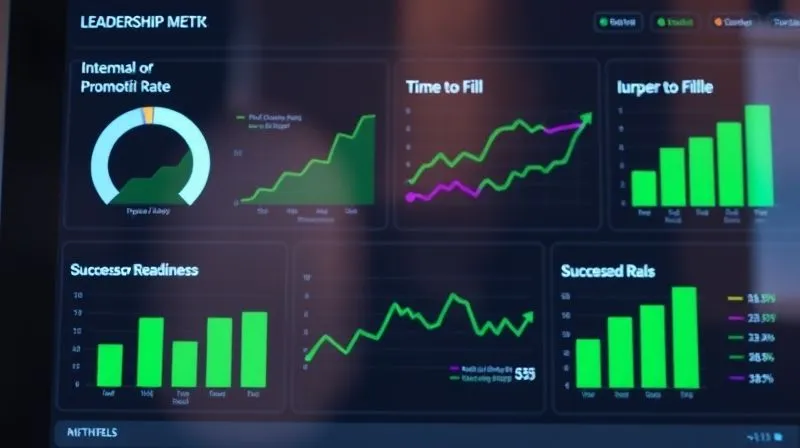
How do you know if your efforts are paying off? Building a resilient leadership pipeline isn't just a feel-good initiative; it must deliver measurable results. In my experience, focusing on specific metrics helps demonstrate ROI and secure continued executive buy-in.
Key metrics to track:
- Internal Promotion Rate: The percentage of leadership vacancies filled by internal candidates. A high rate indicates a healthy pipeline.
- Time to Fill Leadership Roles: How quickly can you fill a critical leadership position internally compared to external hiring? A shorter time indicates readiness.
- Leadership Retention Rate: The percentage of leaders who remain with the company over a specific period. This reflects satisfaction with growth opportunities.
- Employee Engagement Scores: Specifically, metrics related to career development, learning opportunities, and belief in leadership.
- Successor Readiness Index: A qualitative and quantitative measure of how many individuals are 'ready now,' 'ready in 6-12 months,' or 'ready in 1-2 years' for critical roles.
- Diversity in Leadership: Track the representation of diverse groups in your leadership pipeline and actual leadership roles. A truly resilient pipeline is also a diverse one.
Regularly review these metrics, share them with leadership, and use them to refine your strategies. What gets measured gets managed, and what gets managed gets improved. This data-driven approach is fundamental to building and maintaining a truly resilient leadership pipeline.
Addressing Common Pitfalls and Building Buy-In
Even with the best intentions, building a resilient leadership pipeline faces common hurdles. I've observed these repeatedly:
- Lack of Executive Buy-In: Without visible support and investment from the top, any initiative will flounder.
- Managerial Hoarding: Managers sometimes resist developing their best people for fear of losing them, inadvertently creating a bottleneck.
- Insufficient Resources: Leadership development requires time, budget, and dedicated personnel.
- Inconsistent Application: Programs that are not consistently applied across departments or are seen as 'flavor of the month' lose credibility.
- Focus on Past Performance, Not Future Potential: Relying solely on past performance reviews misses the dynamic nature of potential.
"The greatest investment a leader can make is in the growth of their people. It's not a cost; it's the ultimate strategic asset."
To overcome these, strong communication, clear role modeling from senior leadership, and demonstrating the tangible benefits (like reduced turnover costs and improved performance) are crucial. Engage managers by showing them how developing their team members ultimately makes their own job easier and enhances their legacy. Frame it not as a threat, but as an opportunity for their own growth and impact.
Frequently Asked Questions (FAQ)
What's the difference between succession planning and a leadership pipeline? Succession planning is typically focused on identifying specific individuals for specific critical roles. A leadership pipeline is a broader, continuous process of developing a deep bench of talent at all levels, ensuring a steady flow of capable leaders for various roles, not just specific ones. The pipeline feeds into succession planning.
How long does it take to build a resilient leadership pipeline? Building a truly resilient pipeline is an ongoing journey, not a destination. You can start seeing positive impacts within 12-18 months, especially in terms of internal promotions and reduced time-to-fill. However, embedding a full culture of continuous leadership development can take 3-5 years to fully mature.
Can small businesses implement a leadership pipeline strategy? Absolutely. While the scale and tools might differ, the principles remain the same. Small businesses can focus on informal mentorship, cross-training, and clearly defined growth paths. Even a team of 10 can identify HiPos and offer stretch assignments to prepare them for future leadership.
What if my best people are being poached by competitors? This highlights the urgency of having a compelling employee value proposition that includes clear growth opportunities. A strong leadership pipeline not only develops talent but also acts as a retention tool. If your people see a future with you, they're less likely to look elsewhere. Ensure your development programs are genuinely engaging and impactful.
How do I convince senior leadership to invest in this? Frame it in terms of business impact: reduced turnover costs, improved productivity, enhanced innovation, and competitive advantage. Use data from your own organization (e.g., cost of recent manager departures) and industry benchmarks (like the Deloitte study mentioned) to make a compelling case. Emphasize that it's an investment in future stability and growth, not just an expense.
Key Takeaways and Final Thoughts
The departure of a key manager can feel like a setback, but it's also a powerful catalyst for change. By proactively building a resilient leadership pipeline, you transform a moment of vulnerability into a strategic advantage. Here are the critical takeaways:
- Be Proactive, Not Reactive: Don't wait for a crisis; continuously identify and develop your talent.
- Identify HiPos Systematically: Use data-driven methods like 360 feedback and talent matrices.
- Personalize Development: Craft individualized journeys with stretch assignments, coaching, and cross-functional exposure.
- Leverage Mentorship & Sponsorship: These are invaluable for growth and advocacy.
- Foster a Learning Culture: Encourage continuous feedback, knowledge sharing, and learning from failure.
- Implement Dynamic Succession Planning: Identify multiple candidates for critical roles and review plans regularly.
- Measure & Adapt: Use key metrics to track progress and refine your strategies.
Building a resilient leadership pipeline is perhaps the most crucial investment you can make in your organization's future. It ensures continuity, fuels innovation, and creates a culture where talent thrives. As an experienced industry specialist, I've seen the profound impact this strategic focus can have. Start today, and secure not just your next leader, but a legacy of enduring success.
Recommended Reading
- 7 Steps to Accurately Forecast & Manage Project Budget Deviations
- Unlock True Impact: How to Assess Community Needs for Corporate Programs
- Compliance Audit Triggers: What Every Legal Business Needs to Know
- Founder's Guide: Improve Leadership Skills & Skyrocket Your Startup
- 7 Strategies: How to Prevent Scope Creep from Derailing Project Timelines





Comments
Leave a comment below. Your email will not be published. Required fields marked with *