

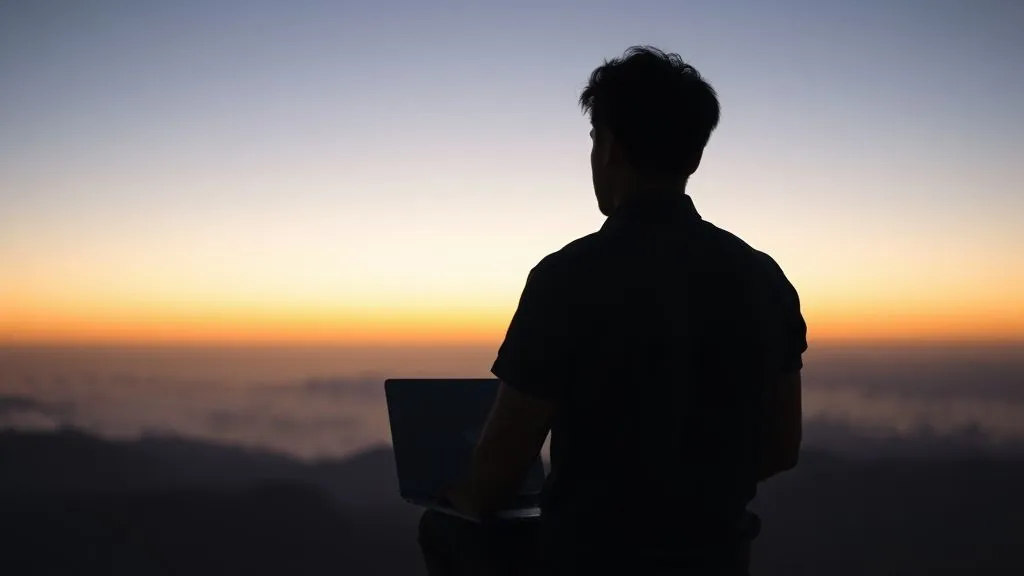
Preventing Digital Nomad Burnout from Constant Travel and Work?
For over 15 years in the remote work and digital nomad space, I've witnessed firsthand the exhilarating highs and the crushing lows of this lifestyle. I've seen countless bright-eyed adventurers embark on what they believe to be an endless vacation, only to find themselves adrift, exhausted, and questioning everything within a year or two. The allure of exotic locales and flexible schedules often masks a darker reality: the relentless demands of constant travel combined with the pressures of remote work can be a potent recipe for burnout.
The problem isn't just about feeling tired; it's a profound depletion of physical, mental, and emotional resources. It manifests as a loss of passion for your work, a lack of excitement for new destinations, and a pervasive sense of apathy that can steal the joy from even the most picturesque sunset. You're living the dream, yet feeling anything but dreamy. It's a silent epidemic among digital nomads, often swept under the rug due to the perceived 'privilege' of the lifestyle.
But it doesn't have to be your story. In this definitive guide, I will share the hard-won wisdom, actionable frameworks, and expert insights I've gathered over a decade and a half. We'll delve into practical strategies, real-world case studies, and proven techniques to not just prevent digital nomad burnout from constant travel and work, but to build a truly sustainable, fulfilling, and joyful remote life on your terms. Prepare to reclaim your energy, your enthusiasm, and your freedom.
Understanding the Digital Nomad Paradox: Freedom vs. Fatigue
The core appeal of the digital nomad lifestyle is freedom: freedom to choose where you live, when you work, and how you spend your time. However, this very freedom, when unchecked, can become a double-edged sword, leading to chronic fatigue and ultimately, burnout. The constant novelty of new places, while initially stimulating, can be incredibly draining. Every new city means new logistics, new social dynamics, and a constant state of adaptation.
"The greatest illusion of the digital nomad life is that it's an endless holiday. In reality, it's a life of constant negotiation between work demands, travel logistics, and personal well-being – a negotiation that many lose if they don't set clear boundaries and sustainable practices."
Compounding this is the nature of remote work itself. Without the traditional office structure, it's easy for work to bleed into every hour and every day. There's no physical separation to signal the end of the workday, and the temptation to 'just check one more email' while sitting by the beach can be overwhelming. This blurring of lines, combined with the inherent challenges of travel, creates a unique susceptibility to burnout.
Common triggers for digital nomad burnout often include:
- Over-scheduling travel: Moving too frequently without adequate rest periods.
- Lack of routine: Inconsistent work hours, sleep patterns, and self-care.
- Social isolation: Difficulty forming deep connections in transient environments.
- Financial anxiety: Unexpected expenses or inconsistent income streams.
- Client demands: Feeling pressured to be always available across time zones.
- Poor self-care: Neglecting sleep, nutrition, and exercise due to travel or work.
Recognizing these triggers is the first step towards building resilience and preventing digital nomad burnout from constant travel and work.
The Art of Slow Travel: Unpacking Your Bags (Literally and Figuratively)
One of the most impactful strategies I advocate for preventing burnout is embracing the philosophy of slow travel. The idea of 'seeing the world' quickly can be intoxicating, but it's often the fastest route to exhaustion. Instead of hopping from city to city every few days or weeks, commit to longer stays in each location. This allows you to truly immerse yourself, establish a routine, and reduce the constant logistical stress of packing, unpacking, and navigating new environments.
- Minimum Stay Duration: Aim for a minimum of 1-3 months in each location. This gives you time to find a comfortable routine, explore without rushing, and feel genuinely settled.
- Establish a 'Home Base': Even if temporary, create a space that feels like home. Unpack your clothes, personalize your workspace, and find your local grocery store, gym, and coffee shop.
- Factor in Travel Days: Don't schedule work on travel days. Treat them as full days off dedicated to the journey. Allow for a day or two of rest and acclimatization upon arrival.
- Deep Dive, Don't Skim: Instead of trying to see every tourist attraction, pick a few key experiences and allow yourself to savor them. Explore local neighborhoods, learn a few phrases, and engage with the community.
A study published by Forbes Coaches Council highlighted that slow travel significantly reduces stress levels and enhances cultural immersion, leading to a more fulfilling and less exhausting experience. It transforms travel from a series of tasks into a genuine lifestyle.

Building a Sustainable Work Routine: Structure Amidst Chaos
The freedom of remote work doesn't mean the absence of structure; it means you get to design your own structure. A lack of routine is one of the biggest contributors to burnout, especially when you're constantly changing environments. Establishing consistent work hours, a dedicated workspace, and clear boundaries between work and leisure is paramount.
- Define Your Work Hours: Decide when you start and end your workday. Communicate these hours to clients and colleagues, especially across different time zones. Stick to them as much as possible.
- Create a Dedicated Workspace: Whether it's a co-working space, a specific corner of your Airbnb, or a cafe you frequent, try to work from the same place each day. This signals to your brain that it's 'work time.'
- Implement a Morning Routine: Start your day with something non-work related that brings you joy or calm – exercise, meditation, reading, or a leisurely breakfast. This sets a positive tone.
- Take Regular Breaks: Schedule short breaks throughout the day to stretch, walk, or simply step away from your screen. A longer lunch break to explore your surroundings can also be rejuvenating.
- End-of-Day Ritual: Have a clear ritual to signal the end of your workday. This could be closing your laptop, going for a walk, or changing into different clothes.
Case Study: How Maya, a Freelance Designer, Reclaimed Her Evenings
Maya, a talented freelance graphic designer, found herself constantly working. Her laptop was always open, and client requests would often come in late evenings or early mornings due to time zone differences. She was productive, but perpetually exhausted and irritable, unable to enjoy her new surroundings in Bali. By implementing a strict 9 AM - 5 PM work schedule and communicating this clearly to her clients, she started closing her laptop at 5 PM sharp. She also committed to an hour of yoga every morning before work. Within a month, Maya reported a significant reduction in stress, improved sleep, and a newfound enthusiasm for exploring Bali's vibrant culture after work. Her creativity also blossomed, leading to even better client outcomes.
As highlighted in an article by Harvard Business Review, productivity isn't just about hours worked, but about the quality and focus of those hours, which greatly benefits from structured routines.
Prioritizing Mental & Physical Well-being: Your Non-Negotiables
Your body and mind are your most valuable assets as a digital nomad. Neglecting them is a direct path to burnout. This isn't about fitting in an occasional gym session; it's about making mental and physical health non-negotiable pillars of your lifestyle, regardless of where you are in the world.
- Consistent Sleep Schedule: Aim for 7-9 hours of quality sleep. Try to go to bed and wake up around the same time, even on weekends. Use earplugs and eye masks if your accommodation is noisy or bright.
- Nutritious Eating: Explore local markets and prioritize fresh, whole foods. Avoid relying solely on convenience food or eating out for every meal. Learning to cook simple meals wherever you are can be a game-changer for your health and budget.
- Regular Movement: Incorporate daily physical activity. This could be walking, running, hiking, swimming, yoga, or joining a local gym. Find what you enjoy and make it a consistent habit.
- Mindfulness and Meditation: Dedicate 10-15 minutes daily to mindfulness practices. Apps like Calm or Headspace can be invaluable tools for managing stress and staying grounded amidst constant change.
- Digital Detox Hours: Schedule specific times each day or week where you completely disconnect from all screens. Use this time to read a physical book, enjoy nature, or engage in a hobby.
The World Health Organization officially recognizes burnout as an occupational phenomenon, emphasizing the critical role of self-care and stress management in preventing its onset. Your well-being is not a luxury; it's a necessity for sustained success and happiness as a digital nomad.

Financial Stability and Future Planning: The Silent Stressors
While often overlooked in discussions about burnout, financial stress is a major underlying factor for many digital nomads. The perceived freedom can quickly turn into anxiety if income is inconsistent, expenses are unplanned, or future security feels uncertain. Proactive financial planning is crucial for peace of mind and preventing digital nomad burnout from constant travel and work.
"Nomadic life amplifies financial anxieties if you don't have a solid plan. An emergency fund isn't just smart; it's your personal buffer against the inevitable curveballs of travel and remote work, buying you the peace of mind to focus on what truly matters."
Having a robust emergency fund is non-negotiable. Aim for at least 6-12 months of living expenses saved. This allows you to weather unexpected dry spells in work, handle medical emergencies, or even take a deliberate break from work without panicking. Diversifying your income streams is another powerful strategy. Relying on a single client or source of income makes you vulnerable to market fluctuations or client changes.
| Financial Area | Recommendation | Actionable Step |
|---|---|---|
| Emergency Fund | 6-12 months living expenses | Automate savings transfers monthly |
| Income Diversification | 2-3 reliable income streams | Explore new skills, offer complementary services |
| Budgeting | Track all income and expenses | Use budgeting apps (e.g., YNAB, Mint) |
| Insurance | Travel, health, and liability insurance | Research global insurance providers for nomads |
Consider long-term investments, retirement planning, and understanding tax implications in various jurisdictions. Ignorance here can lead to significant stress down the line. Consulting with a financial advisor who understands the complexities of international remote work can be incredibly valuable. By securing your financial foundation, you remove a huge burden, allowing you to enjoy your nomadic journey with greater confidence and less stress.
Cultivating Community & Connection: Battling Isolation
One of the insidious aspects of digital nomad burnout is the creeping sense of isolation. Constantly moving means saying goodbye frequently, and forming deep, lasting connections can feel challenging. Humans are social creatures, and a lack of genuine connection can severely impact mental well-being. Actively seeking out and nurturing community is vital.
- Co-working Spaces: These are fantastic hubs for meeting like-minded professionals, collaborating, and forming friendships. Many organize social events, workshops, and communal meals.
- Local Meetups and Groups: Use platforms like Meetup.com or local Facebook groups to find activities aligned with your interests – hiking, language exchange, board games, or sports.
- Digital Nomad Communities: Join online forums, Slack groups, or dedicated platforms like Nomad List or Digital Nomads Around the World. These can be great for asking questions, getting recommendations, and even organizing impromptu meetups.
- Nurture Existing Relationships: Don't forget your friends and family back home. Schedule regular video calls, send updates, and plan visits. Maintaining these foundational relationships provides a sense of stability.
- Volunteer: Engaging in local volunteer work can be an incredibly rewarding way to meet locals, contribute to your temporary community, and gain a deeper cultural understanding.
Building a 'portable' community, whether through global nomad networks or by intentionally seeking out local connections in each new place, provides the social nourishment essential for preventing digital nomad burnout from constant travel and work. It reminds you that you're part of something bigger, even when you're far from home.
Mastering Digital Boundaries: When to Disconnect
The very tools that enable the digital nomad lifestyle – laptops, smartphones, constant internet access – can also be its undoing if not managed properly. The always-on culture of remote work, combined with the desire to document every travel experience, can lead to a constant state of digital overstimulation. Learning to set firm digital boundaries is crucial for mental clarity and preventing burnout.
- Designated Tech-Free Times: Establish specific hours each day (e.g., after 7 PM, or the first hour of your morning) when all work-related apps and notifications are off.
- Notification Management: Turn off non-essential notifications on your phone and computer. Batch check emails and messages rather than responding instantly.
- Weekend Disconnect: Aim for at least one full day each week where you minimize screen time, especially for work. Use this time to explore, relax, and recharge.
- Separate Devices (If Possible): If your budget allows, consider having a separate phone or SIM card for personal use versus work, or at least dedicated profiles.
- Mindful Social Media Use: While sharing experiences is fun, avoid the pressure to constantly post. Focus on living the moment rather than just capturing it for an audience.
According to experts in digital wellness, like those cited by Psychology Today, regular digital detoxes can significantly reduce stress, improve sleep, and enhance overall well-being. It's not about abandoning technology, but mastering it, so it serves you, rather than the other way around.

Learning to Say 'No': Protecting Your Time and Energy
One of the hardest lessons I learned as an entrepreneur and digital nomad was the power of 'no.' In the beginning, there's a natural inclination to say yes to every client, every social invitation, every new project. This can quickly lead to overcommitment, exhaustion, and a feeling of being constantly pulled in too many directions. Your time and energy are finite resources, and you must protect them fiercely to prevent digital nomad burnout from constant travel and work.
"'No' is a complete sentence. It's not rude; it's a declaration of your boundaries and a commitment to your own well-being. Mastering it is the ultimate act of self-preservation for any digital nomad."
Saying 'no' isn't about being unhelpful or antisocial; it's about strategic prioritization. It's about knowing your capacity and respecting your own limits. This applies to:
- Client Work: Don't take on more projects than you can comfortably manage. Be realistic about deadlines and your availability.
- Social Engagements: It's okay to decline an invitation if you need downtime. You don't have to experience every single thing in a new city.
- New Opportunities: Evaluate new projects or collaborations against your current workload and long-term goals. Is it a 'hell yes,' or a 'maybe'? If it's a 'maybe,' it's often a 'no.'
- Unrealistic Expectations: Gently push back on clients or colleagues who have unrealistic expectations about your response times or availability, especially across time zones.
Case Study: Alex, the Overcommitted Consultant
Alex, a seasoned marketing consultant working remotely, was known for his exceptional client service. However, he consistently took on too many projects, feared disappointing clients, and rarely said no. This led to working 12-14 hour days, often through weekends, and constantly feeling behind. He started experiencing severe headaches and a loss of interest in his work. After realizing he was on the brink of burnout, Alex implemented a 'client cap' and began to politely decline new projects once he hit his limit. He also started charging a premium for urgent requests outside his defined work hours. Initially, he feared losing clients, but instead, he found that his existing clients respected his boundaries, and his work quality improved due to better focus. Alex regained control of his schedule, his health, and his passion for consulting.
Embracing the power of 'no' allows you to create space for what truly matters: your well-being, your most important work, and the experiences that genuinely enrich your nomadic life. It’s a core component of sustainable living on the road.
Frequently Asked Questions (FAQ)
How do I manage time zones effectively when working with a global team or clients? The key is proactive communication and clear boundaries. Establish core overlap hours where everyone is expected to be available. Use scheduling tools that automatically convert time zones. Communicate your working hours clearly and set expectations for response times. For critical meetings, rotate who takes the 'uncomfortable' time slot.
What if I feel guilty taking breaks or not exploring every single day? This is a common struggle. Remind yourself that this is a marathon, not a sprint. Sustainable travel means prioritizing your well-being over constant activity. Frame breaks as investments in your productivity and mental health. A rested nomad enjoys experiences more deeply than an exhausted one. It's about quality of experience, not quantity.
How do I find the right community and avoid transient connections? Look for co-living spaces, participate in local workshops or classes related to your hobbies (e.g., cooking, yoga, art), or join niche digital nomad groups online that focus on deeper connection rather than just travel tips. Be intentional about reaching out and suggest activities with people you click with. Quality over quantity applies here too.
Is it okay to return home for a while if I'm feeling overwhelmed? Absolutely. There's no shame in seeking comfort and familiarity when you need it. A 'home base' doesn't have to be permanent; it can be a temporary retreat to recharge, connect with loved ones, and re-evaluate your journey. It's a strategic pause, not a failure. Many successful long-term nomads incorporate regular visits home.
How do I handle unexpected travel disruptions (delays, cancellations) without immense stress? Build flexibility into your schedule and budget. Have travel insurance, a backup plan for accommodation, and always carry essential documents digitally and physically. Embrace a mindset of 'things will go wrong, and I will adapt.' Learning to roll with the punches is a crucial skill for long-term nomadic life.
Key Takeaways and Final Thoughts
Preventing digital nomad burnout from constant travel and work isn't about eliminating challenges; it's about building resilience and implementing intentional strategies to navigate them. It's a journey of self-awareness, discipline, and self-compassion. As an experienced industry specialist, I've seen that the most successful and fulfilled digital nomads are those who master the art of balance, prioritize their well-being, and continuously adapt their approach.
- Embrace Slow Travel: Ditch the rush, savor destinations, and reduce logistical fatigue.
- Design Your Routine: Create structure for work, sleep, and self-care, even in new environments.
- Prioritize Well-being: Make sleep, nutrition, exercise, and mindfulness non-negotiable.
- Secure Your Finances: Build an emergency fund and diversify income for peace of mind.
- Cultivate Connection: Actively seek out and nurture meaningful relationships to combat isolation.
- Master Digital Boundaries: Disconnect regularly to prevent overstimulation and reclaim mental space.
- Learn to Say 'No': Protect your time and energy by setting clear limits on commitments.
Your digital nomad journey is yours to define. By integrating these expert strategies, you're not just avoiding burnout; you're crafting a lifestyle that is not only exciting and adventurous but also deeply sustainable, fulfilling, and genuinely joyful. Go forth, explore, work, and thrive – with wisdom and intention.
Recommended Reading
- Founder's Guide: Improve Leadership Skills & Skyrocket Your Startup
- HR Tech ROI: 7 Steps to Prove Value & Win Executive Buy-In
- Sole Proprietor to LLC: Should You Make the Switch Now?
- 5 Reasons Your Predictive Sales Forecasts Miss the Mark (And How to Fix Them)
- 5 Legal Pathways to Exit a Failing Franchise Early, Penalty-Free





Comments
Leave a comment below. Your email will not be published. Required fields marked with *