


Reducing Costly E-commerce Returns Through Policy Changes? The Expert's Playbook
For over 15 years in the e-commerce trenches, I've seen countless businesses struggle with a silent profit killer: excessive product returns. Many assume it's just 'part of doing business online,' but in my experience, that's a dangerous misconception.
The reality is, unchecked returns don't just eat into your margins; they erode customer trust, strain your operational bandwidth, and can even damage your brand's reputation. It’s a systemic issue that demands a strategic, policy-driven approach, not just reactive damage control.
This isn't about eliminating returns entirely – an impossible and undesirable goal. Instead, we'll explore actionable frameworks, data-backed strategies, and real-world insights to significantly reduce costly e-commerce returns through smart, customer-centric policy changes. You'll learn how to transform your return policy from a liability into a competitive advantage.
The Hidden Costs of 'Generous' Return Policies
When most people think of return costs, they immediately picture shipping labels and restocking fees. While these are certainly significant, they represent just the tip of a much larger and more insidious iceberg.
Beyond the direct financial hits, there are substantial hidden costs: the labor involved in processing, inspecting, and repackaging returned items; the depreciation of goods that can no longer be sold as 'new'; the environmental impact of increased shipping and waste; and perhaps most critically, the opportunity cost of resources diverted from growth initiatives.
The true cost of a return extends far beyond the transaction itself, impacting your operational efficiency, brand perception, and long-term customer value. Ignoring these hidden expenses is akin to running a business with a leaky bucket, constantly losing profits you could be retaining.
Data-Driven Diagnostics: Unearthing Your Return Root Causes
Before you can effectively implement policy changes for reducing costly e-commerce returns, you must first understand *why* those returns are happening. Guesswork is a luxury you cannot afford; data is your most powerful ally here.
I've always advocated for a rigorous, data-driven approach. It allows you to move beyond anecdotal evidence and pinpoint the precise areas where your return policies and product presentation are falling short.
Key Metrics to Monitor
- Return Rate by Product Category: Identifies problematic product lines.
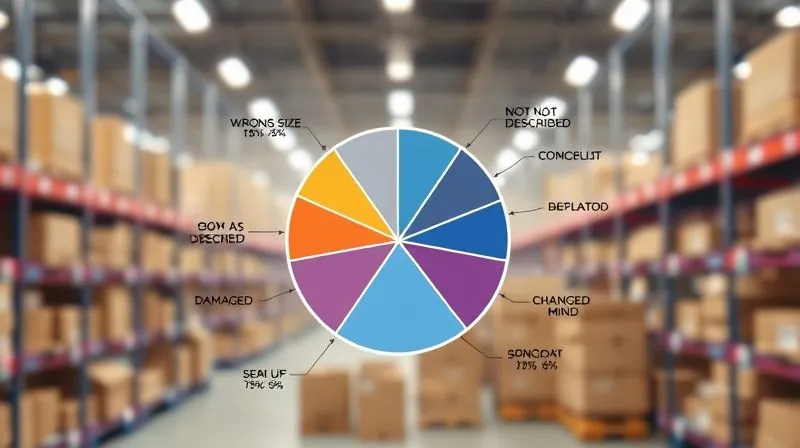
- Return Rate by Reason Code: Reveals common issues like 'not as described,' 'wrong size,' or 'damaged.'
- Return Rate by Customer Segment: Helps identify high-risk customer behaviors or demographics.
- Time to Return: Indicates customer satisfaction speed and potential 'wardrobing' behavior.
- Cost per Return: Comprehensive calculation including shipping, labor, and depreciation.
Implementing a Feedback Loop
Collecting data is only the first step. The real power lies in establishing a continuous feedback loop that informs your policy adjustments and product improvements.
- Collect Granular Data: Utilize your e-commerce platform's analytics, customer service logs, and post-return surveys.
- Categorize and Tag: Standardize return reason codes and ensure your team consistently applies them.
- Analyze Trends: Regularly review data to spot patterns, spikes, and recurring issues. Look for correlations between product descriptions and return reasons.
- Act and Iterate: Use insights to inform policy changes, improve product listings, or refine sizing guides. Then, monitor the impact of these changes.
| Return Reason | Frequency | Avg. Cost per Return | Proposed Policy Action |
|---|---|---|---|
| Wrong Size/Fit | 35% | $18 | Enhanced size guides, virtual try-on |
| Not as Described/Pictured | 25% | $22 | Improved product photography, detailed descriptions |
| Damaged/Defective | 15% | $25 | Quality control checks, better packaging |
| Changed Mind | 10% | $15 | Exchange incentives, tiered return windows |
| Other | 15% | $20 | Further investigation |
Refining Product Presentation & Information: Proactive Prevention
One of the most effective ways of reducing costly e-commerce returns is to prevent them from happening in the first place. The vast majority of returns stem from a mismatch between customer expectations and the actual product received.
This mismatch is often a direct result of inadequate or misleading product presentation. Your product pages are your digital storefront, and they must convey every detail with absolute clarity and accuracy.
High-Quality Product Photography & Video
Visuals are paramount in e-commerce. Customers can't touch or feel your products, so your images and videos must do the heavy lifting of conveying texture, scale, and functionality.
- Multiple Angles: Show the product from every conceivable perspective.
- Lifestyle Shots: Demonstrate the product in use, providing context and inspiration.
- Scale References: Include objects for scale (e.g., a hand, a coin) or provide dimensions clearly.
- 360-Degree Views & Video: Offer immersive experiences that mimic physical interaction.

Detailed & Accurate Product Descriptions
Beyond visuals, your product descriptions are critical for managing expectations. They should be comprehensive, honest, and easy to understand, addressing potential customer questions before they arise.
- Specific Measurements: Don't just say 'large'; provide exact dimensions in multiple units.
- Material Composition: Clearly state fabrics, metals, or components.
- Care Instructions: Especially for apparel or delicate items.
- Compatibility Information: Crucial for electronics or accessories.
- Disclaimers: If colors may vary slightly due to screen settings, state it.
Leveraging Customer Reviews & Q&A
User-generated content is a powerful tool for expectation management. Real customer feedback often addresses nuances that even the best product descriptions might miss.
Encourage detailed reviews, especially those that comment on sizing, fit, or real-world performance. A robust Q&A section allows customers to get answers directly from you or other buyers, further clarifying doubts and reducing the likelihood of a 'not as described' return.
Strategic Policy Adjustments: Balancing Customer Trust & Profitability
The notion that a 'no questions asked, free returns' policy is always best for customer loyalty is a myth that can cost you dearly. While flexibility is important, a truly strategic policy balances customer trust with your business's financial health. It's about being smart, not stingy.
I've seen companies transform their bottom line by subtly shifting their return policies, making them more sustainable without alienating their customer base. It's an art of clear communication and value proposition.
Tiered Return Windows & Fees
Not all returns are created equal. Implementing a tiered system can encourage quicker decisions and differentiate between various return scenarios.
- Standard Free Returns (e.g., 14-30 days): For items returned in original condition within a reasonable timeframe.
- Extended Return Window with Store Credit (e.g., 31-60 days): Encourages continued engagement with your brand.
- Returns with Restocking Fee (e.g., beyond 60 days, or open box): For items requiring more processing or having diminished resale value.
- Non-Refundable Items: Clearly define products like final sale, personalized items, or certain hygiene products.
As Harvard Business Review often highlights, a well-structured return policy can actually be a marketing asset, building trust when designed thoughtfully.
Clearer Eligibility Criteria & Condition Requirements
Ambiguity in your policy is an open invitation for disputes and costly returns. Be explicit about what constitutes a 'returnable' item.
- Original Packaging: Specify if original boxes, tags, and accessories are required.
- Unworn/Unused Condition: Clear guidelines on what 'new' means for your products.
- Proof of Purchase: Always required for tracking and fraud prevention.
- Damaged/Defective Claims: Outline the process for reporting and verifying issues, often requiring photographic evidence.
Introducing Exchange Incentives
An exchange is almost always more profitable than a full refund. Encourage customers to swap items rather than return them outright.
- Free Shipping on Exchanges: Remove friction for customers who want a different size or color.
- Small Discount for Exchanges: A gesture of goodwill that keeps revenue within your ecosystem.
- Personalized Recommendations: If a customer returns an item, suggest alternatives they might like better.
Case Study: StyleSavvy's 20% Return Rate Reduction
StyleSavvy, an online apparel retailer, faced a persistent 30% return rate, largely due to 'wrong size' and 'not as described' issues. They implemented a multi-faceted policy adjustment strategy. First, they revamped their product pages with detailed size charts, customer-uploaded fit photos, and a virtual try-on tool. Second, they adjusted their policy: free returns for exchanges within 30 days, but a $5 shipping fee for refunds. Third, they introduced a 'Style Consult' service for customers making their third return. This comprehensive approach, focusing on proactive information and incentivizing exchanges, resulted in a sustained 20% reduction in their overall return rate within six months, significantly improving their profitability and customer satisfaction.
Tackling Specific Return Drivers: From Fit Issues to Fraud
Beyond general policy refinements, it's crucial to address specific, high-frequency return drivers. These often require targeted solutions that integrate technology and careful policy enforcement.
In my experience, a 'one-size-fits-all' approach rarely works for complex return scenarios. You need to identify your biggest pain points and deploy surgical interventions.
Sizing & Fit Solutions
For apparel, footwear, and even some home goods, 'wrong size/fit' is a perennial problem. It's also one of the most solvable with the right tools.
- Standardized Size Guides: Provide clear, accurate measurements for every product.
- Customer-Contributed Fit Data: Allow customers to report how an item 'fits' (runs small, true to size, runs large) and display this data.
- Virtual Try-On Technology: AR-powered tools that allow customers to 'try on' items digitally.
- Comparison Tools: Let customers compare product dimensions against items they already own.
Managing 'Wardrobing' and Fraudulent Returns
'Wardrobing' (buying, wearing, returning) and outright fraud are significant drains on e-commerce profits. While you want to trust your customers, you also need safeguards.
- Security Tags: Non-reusable tags placed in conspicuous locations that, once removed, invalidate a return.
- Video Evidence: For high-value items, document the product's condition before shipping.
- IP Tracking & Purchase History Analysis: Identify serial returners or suspicious patterns.
- Clear Communication: State your fraud prevention measures in your policy.
Preventing return fraud is a critical aspect of maintaining profitability in e-commerce, as Forbes has frequently reported.
The Post-Purchase Experience: Turning Returns into Retention
Even with the best preventative measures, some returns are inevitable. The key is to manage these returns in a way that minimizes cost and, surprisingly, can even enhance customer loyalty. A smooth, transparent return process can differentiate your brand.
I've always believed that how you handle a customer's problem defines their perception of your brand more than how you handle a perfect transaction. A well-executed return experience can turn a potentially negative interaction into a positive one, fostering trust and repeat business.
Streamlined Return Process
Make it as easy as possible for customers to initiate and complete a legitimate return. Friction here only breeds frustration.
- Online Return Portal: A self-service portal for generating labels and tracking returns.
- Pre-Printed Labels: Include a return label in the original package.
- Clear Instructions: Step-by-step guidance on how to package and ship items.
- Multiple Return Options: Offer drop-off points, mail-in, or even in-store returns if applicable.
Proactive Communication & Feedback
Keep customers informed at every stage of the return process. This reduces anxiety and customer service inquiries.
Send automated notifications when a return label is generated, when the item is received, and when the refund/exchange is processed. Furthermore, after a return is complete, solicit feedback to understand the specific reason and improve future experiences.
Offering Alternatives (Repair, Discount)
Sometimes, a full return isn't necessary or desired. Offer alternatives that save you money and potentially retain the sale.
- Partial Refund/Discount: For minor damages or slight dissatisfaction, offer a partial refund if the customer keeps the item.
- Repair Service: Especially for electronics or higher-value goods, offer to repair the item.
- Troubleshooting Guides: For technical products, provide resources that might resolve an issue without a return.
| Policy Aspect | Common Practice | Optimized Policy |
|---|---|---|
| Return Window (Standard) | 30 Days Free Returns | 14-Day Free Refund, 30-Day Store Credit, 60-Day for Exchange Only |
| Return Shipping Cost | Free for all returns | Free for Exchanges, Customer Pays for Refunds (unless defective) |
| Product Condition | Original condition implied | Explicit 'New, Unworn, Tags Attached' requirement, security tags for high-value items |
| Customer Communication | Refund confirmation only | Proactive updates: label generated, item received, refund processed, feedback request |
Leveraging Technology for Predictive Return Management
The future of reducing costly e-commerce returns lies heavily in leveraging advanced technology. Artificial intelligence and machine learning are no longer just buzzwords; they are powerful tools that can predict, prevent, and optimize your return processes.
I've witnessed firsthand how early adopters of these technologies gained a significant competitive edge, turning what was once a reactive, manual process into a proactive, data-driven strategy.
AI-Powered Sizing & Recommendation Tools
These tools use algorithms to analyze customer data, product dimensions, and even user-generated content to provide highly accurate sizing recommendations.
- Personalized Fit Predictors: Based on past purchases, body measurements, and similar customer profiles.
- Visual AI: Analyzes product images and customer photos to suggest optimal fit.
- Dynamic Recommendations: Suggests alternative products with a higher likelihood of satisfaction if an item is frequently returned.
Predictive Analytics for High-Risk Orders
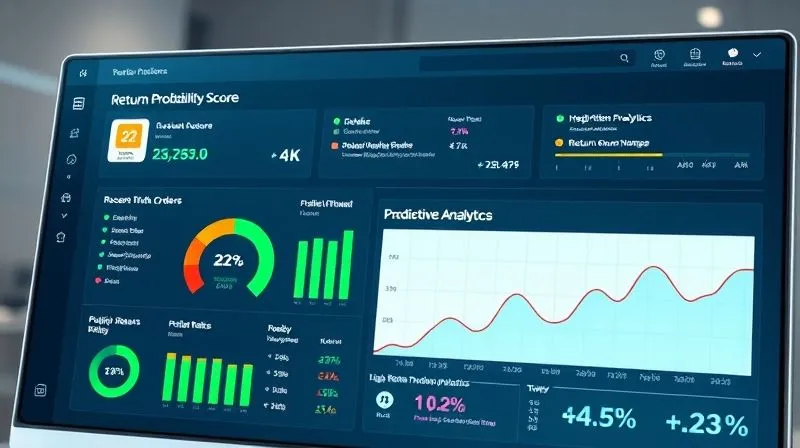
Machine learning models can analyze various data points associated with an order (customer history, product category, value, shipping address, payment method) to identify orders with a high probability of return or fraud *before* they are even shipped.
- Flagging Suspicious Orders: Alerts for potential wardrobing or fraudulent activity.
- Proactive Customer Service: For flagged orders, a pre-shipment email to confirm details or offer additional product information can prevent a return.
- Optimized Inventory Management: Predict which items are likely to be returned, allowing for better stock planning.
The application of predictive analytics in e-commerce is rapidly advancing, offering new frontiers for operational efficiency, as McKinsey & Company has highlighted.
Training Your Team: The Human Element in Policy Enforcement
Even the most meticulously crafted return policies and advanced technological solutions are only as effective as the people who implement them. Your customer service and fulfillment teams are on the front lines, and their understanding and execution of your policies are paramount.
I've seen excellent policies fail due to inconsistent application or a lack of understanding among staff. Investing in your team's training is not an expense; it's an essential investment in reducing costly e-commerce returns and enhancing customer satisfaction.
Comprehensive Training Modules
Ensure every team member who interacts with customers or processes returns is thoroughly trained on your policies.
- Policy Deep Dive: Explain the 'why' behind each policy, not just the 'what.'
- Scenario-Based Training: Role-play common return situations and how to handle them according to policy.
- Fraud Detection: Train staff to recognize red flags for wardrobing or fraudulent returns.
- De-escalation Techniques: Equip staff to handle challenging customer interactions professionally.
Empowering Front-Line Staff
While strict adherence to policy is important, empower your team with the discretion to make judgment calls when appropriate. This can prevent unnecessary escalations and foster goodwill.
- Clear Guidelines for Exceptions: Define situations where exceptions can be made (e.g., loyal customers, minor issues).
- Access to Customer History: Provide tools that give staff context about a customer's purchase and return history.
- Continuous Learning: Regular refreshers and updates on policy changes or new return trends.
Exceptional customer service, even during returns, can turn a negative experience into a positive one, as detailed in numerous customer service best practices guides.
Frequently Asked Questions (FAQ)
How do I balance stricter policies with maintaining customer loyalty? The key is transparency and communication. Stricter doesn't mean unfair. By clearly outlining your policies, providing excellent product information upfront, and offering alternatives like exchanges or store credit, you build trust. Customers appreciate clarity over ambiguity, and a fair policy that protects your business also ensures you can continue to offer quality products and service. It's about setting realistic expectations and delivering on them consistently.
What's the impact of free returns on profitability? While free returns can boost conversion rates and reduce cart abandonment, their impact on profitability can be severe if not managed. They increase reverse logistics costs, potential product damage, and may encourage 'buy-to-try' behavior. Data analysis is crucial: calculate the true cost of free returns against the incremental sales they generate. Often, a hybrid approach (e.g., free exchanges, customer pays for refunds) or a tiered system proves more sustainable for reducing costly e-commerce returns.
Can small businesses implement these changes effectively? Absolutely. While large enterprises might have more resources for advanced tech, the core principles apply universally. Small businesses can start with clear communication on product pages, detailed sizing guides, and a well-defined return policy. Leveraging affordable apps for return portals, carefully analyzing customer feedback, and focusing on excellent customer service during returns are highly effective, low-cost strategies. The most important thing is to be intentional and consistent.
How do I deal with customers who abuse return policies? Addressing return abuse requires a firm but fair approach. Utilize data to identify serial returners or 'wardrobers.' Implement security tags that invalidate returns once removed. Communicate your policy clearly, including clauses about fraudulent activity. For persistent abusers, consider implementing a 'no-returns' flag on their account after a certain threshold, though this should be a last resort and communicated transparently. Legal action is also an option for outright fraud.
What's the role of sustainability in return policies? Sustainability is increasingly important for consumers. High return rates contribute to significant waste (packaging, fuel, unsellable goods). Your return policy can reflect your commitment to sustainability by encouraging exchanges over refunds, promoting repair options, and partnering with charities for unsellable but usable returns. Clearly communicating these eco-friendly choices can enhance your brand image and appeal to environmentally conscious customers.
Key Takeaways and Final Thoughts
- Data is Your Compass: Understand *why* returns happen before making policy changes.
- Preventative Measures are Paramount: High-quality product information reduces expectation gaps.
- Strategic, Not Stinging Policies: Balance customer experience with profitability through tiered systems and clear criteria.
- Embrace Technology: AI and predictive analytics can revolutionize return management.
- Empower Your Team: Well-trained staff are crucial for consistent policy enforcement and positive customer interactions.
Reducing costly e-commerce returns through strategic policy changes isn't just about saving money; it's about building a more resilient, customer-centric, and profitable business. By adopting a proactive, data-driven approach, you can transform a significant operational challenge into a powerful lever for growth and customer loyalty. It's time to take control of your returns and unlock new levels of efficiency and trust in your e-commerce venture.
Recommended Reading
- 5 Critical Reasons Your Value Proposition Fails: Win More Deals Now
- Why VCs Reject Your Startup Pitch: 7 Key Mistakes to Avoid
- Unlock Peak Performance: Implementing Lean Principles for Operational Efficiency
- 7 Proven Strategies: Speed Up Hiring, Keep Top Candidate Quality
- 7 Strategies: Ethically Upsell Existing Clients Without Alienation





Comments
Leave a comment below. Your email will not be published. Required fields marked with *