


Stop Top Talent Leaving: Predict Turnover with HR Analytics
For over 15 years in the business analytics and HR technology space, I've witnessed countless organizations grapple with a silent, yet devastating, drain on their success: the unpredicted departure of top talent. It's a scenario that plays out in boardrooms and team meetings worldwide – a star performer suddenly resigns, leaving a void that's costly to fill and even harder to replicate.
This isn't just about a vacant seat; it’s about lost institutional knowledge, disrupted projects, decreased team morale, and a significant financial hit. The problem is often compounded by a reactive approach, where companies only act after a resignation letter lands on their desk, by which point it's usually too late to salvage the relationship or mitigate the damage.
But what if you could see it coming? What if you could move beyond gut feelings and anecdotal evidence to proactively identify who might leave, and more importantly, why? In this definitive guide, I'll walk you through the transformative power of HR analytics, showing you how to build a robust system to predict turnover, craft targeted retention strategies, and ultimately, stop your top talent from walking out the door. We’ll delve into actionable frameworks, a realistic case study, and expert insights to equip you with the tools to secure your most valuable asset: your people.
The Hidden Costs of Talent Turnover: Why You Can't Afford to Lose Your Best
Let's be blunt: losing a good employee is expensive. Losing a top performer, a key innovator, or a critical leader is exponentially more so. Many organizations only factor in the direct costs like recruitment fees or severance, but the true expense runs far deeper, impacting every facet of your business.
In my experience, the indirect costs often dwarf the direct ones, yet they remain largely unmeasured. These include the lost productivity during the vacancy, the time spent by managers and HR in interviewing and onboarding, the reduced morale of the remaining team, the potential for project delays, and the erosion of customer relationships. According to a study by the Society for Human Resource Management (SHRM), the cost to replace an employee can range from 50% to 60% of an employee's annual salary, with some estimates for highly specialized roles reaching up to 200%. Imagine that impact when it's your top 10% of talent.
- Decreased Productivity: Both during the vacancy and the ramp-up time for a new hire.
- Loss of Institutional Knowledge: Critical insights and processes walk out the door.
- Impact on Team Morale: Remaining employees may feel overworked, stressed, or wonder why others are leaving.
- Disrupted Customer Relationships: Especially if the departing employee was client-facing.
- Innovation Stifled: Top talent often drives new ideas and solutions.
"Retaining top talent isn't just about saving money; it's about preserving your competitive edge, fostering a culture of excellence, and ensuring the long-term sustainability of your innovation pipeline." - Industry Veteran
Understanding these comprehensive costs is the first step towards justifying the investment in predictive HR analytics. It shifts the conversation from a reactive expense to a proactive strategic investment.
Beyond Gut Feelings: Understanding the Power of Predictive HR Analytics
For too long, HR decisions, especially concerning retention, have been driven by intuition, anecdotal evidence, or lagging indicators. We react to exit interviews, try to understand why someone left, but rarely predict who might leave before they even consider it. This is where predictive HR analytics fundamentally changes the game.
Predictive HR analytics involves using statistical models and machine learning algorithms to analyze historical and current employee data to forecast future outcomes, such as employee turnover. It moves beyond descriptive analytics (what happened) and diagnostic analytics (why it happened) to prescriptive analytics (what will happen and what to do about it).
- Proactive Intervention: Identify at-risk employees before they become disengaged.
- Targeted Strategies: Develop personalized retention plans based on data-driven insights.
- Resource Optimization: Focus HR and management efforts where they will have the most impact.
- Improved Workforce Planning: Better anticipate future staffing needs and skill gaps.
- Enhanced Employee Experience: Address root causes of dissatisfaction, leading to a happier workforce.
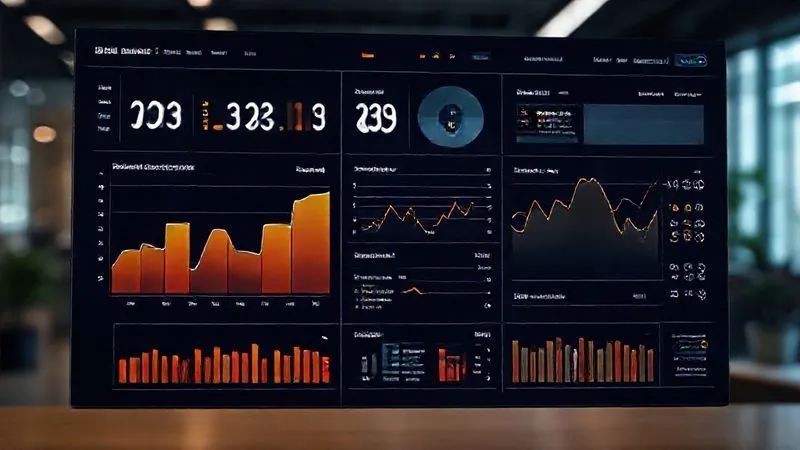
By leveraging vast datasets – from performance reviews and compensation history to engagement survey responses and even commute times – these models can uncover subtle patterns and correlations that human intuition would miss. This allows us to move from generalized retention programs to highly specific, impactful interventions.
Building Your Predictive Model: Key Data Points and Metrics
The success of any predictive turnover model hinges entirely on the quality and relevance of the data you feed into it. Think of your data as the raw ingredients for a gourmet meal; the better the ingredients, the better the outcome. I've found that a comprehensive approach, integrating data from various HR systems, yields the most accurate predictions.
You'll need to gather data points that reflect an employee's journey, performance, engagement, and external factors. This often involves integrating information from your HRIS, ATS, performance management system, learning management system (LMS), and internal communication platforms. Don't be afraid to think broadly; sometimes, seemingly unrelated data points can reveal powerful correlations.
Essential Metrics to Monitor:
- Demographic Data: Age, gender, tenure, department, location.
- Performance Data: Performance review scores, promotion history, last raise date, project success rates.
- Compensation & Benefits: Salary, bonus, benefits utilization, comparison to market rates.
- Engagement & Sentiment: Employee survey scores (eNPS, engagement index), feedback from 1-on-1s, sentiment analysis from internal communications (if ethically permissible and anonymized).
- Manager Effectiveness: Scores from direct reports on manager performance and support.
- Workload & Stress: Overtime hours, project load, perceived work-life balance (from surveys).
- Learning & Development: Training completion, certification attainment, career path discussions.
The goal isn't just to collect data, but to identify the specific variables that have historically correlated with turnover in your organization. This is where the 'predictive' part comes in – finding those leading indicators, not just the lagging ones.
| Predictive Factor | Potential Impact | Data Source |
|---|---|---|
| Low Engagement Score | High Turnover Risk | Employee Surveys, Pulse Checks |
| Recent Performance Dip | Moderate Turnover Risk | Performance Reviews, Manager Feedback |
| Compensation Below Market | High Turnover Risk | Salary Benchmarking, Internal Salary Data |
| Lack of Career Development | Moderate Turnover Risk | LMS Data, 1-on-1 Notes |
| Long Commute Time | Low-Moderate Turnover Risk | Employee Demographics, HRIS |
| Manager Effectiveness Score | High Turnover Risk | 360 Reviews, Employee Surveys |
The Step-by-Step Guide to Implementing a Turnover Prediction System
Implementing a robust turnover prediction system might sound daunting, but by breaking it down into manageable steps, any organization can achieve it. From my vantage point, the key is a structured approach combined with a willingness to iterate and refine.
- Define Your Objectives: What exactly do you want to achieve? Is it reducing overall turnover, retaining specific critical roles, or improving diversity retention? Clear objectives guide your data collection and model design.
- Data Collection & Integration: Identify all relevant data sources. This is often the most time-consuming step. Ensure your HRIS, payroll, performance, and survey data can speak to each other. Data cleanliness is paramount here.
- Data Cleaning & Preparation: Raw data is rarely perfect. You'll need to handle missing values, outliers, and inconsistent formats. Feature engineering – creating new variables from existing ones (e.g., 'tenure in years' from 'hire date') – is also crucial.
- Model Selection & Training: Choose appropriate statistical or machine learning models. Common choices include logistic regression, decision trees, random forests, or gradient boosting. Train your model using historical data where you know who left and who stayed.
- Model Validation & Testing: Don't just trust the model; verify it. Use a separate 'test' dataset to assess its accuracy, precision, and recall. A model that performs well on historical data but fails on new data is useless.
- Interpretation & Action: This is where the magic happens. Understand what variables the model identifies as key predictors. Translate these insights into actionable strategies. For example, if 'manager effectiveness' is a strong predictor, invest in manager training.
- Continuous Monitoring & Refinement: The world changes, and so does your workforce. Regularly review your model's performance, retrain it with new data, and update its parameters to maintain accuracy. This isn't a one-time project; it's an ongoing process.
Remember, the goal isn't just prediction, but prevention. The model is a tool to empower your HR team and managers with foresight, enabling them to engage in meaningful conversations and interventions.
Case Study: How InnovateTech Transformed Retention with HR Analytics
Case Study: InnovateTech's Journey from High Churn to High Retention
InnovateTech, a rapidly growing software development company with around 700 employees, was experiencing an alarming 25% annual turnover rate, especially among their senior developers and product managers. This was not only impacting project timelines but also creating a significant drain on their R&D budget. The HR team was swamped with exit interviews, but the insights were always reactive and generalized.
Following the framework I've outlined, InnovateTech embarked on a journey to implement predictive HR analytics. Their objectives were clear: reduce senior talent turnover by 10% within 18 months and identify root causes beyond compensation.
The Process:
- They integrated data from their HRIS (tenure, salary, department), performance management system (review scores, promotion dates), and an annual engagement survey (eNPS, manager effectiveness, career development satisfaction).
- After rigorous data cleaning, their data science team (supported by an external consultant) built a random forest model.
- The model revealed that the strongest predictors of turnover for senior roles were: lack of promotion opportunities within 24 months, low manager effectiveness scores (specifically around feedback and support), and declining participation in internal learning programs. Compensation, while a factor, was not the primary driver as initially assumed.
The Results:
Armed with these insights, InnovateTech launched targeted initiatives:
- They implemented a new 'Career Pathing & Mentorship' program for high-potential senior employees, ensuring clear visibility on growth opportunities.
- A mandatory 'Leadership Development for Managers' program was rolled out, focusing on effective feedback, coaching, and support.
- They revitalized their internal learning platform, adding more relevant, skill-based courses and promoting participation.
Within 12 months, InnovateTech saw their senior talent turnover drop from 25% to 18%, and within 24 months, it stabilized at 15% – exceeding their initial goal. This resulted in significant cost savings, improved project continuity, and a noticeable boost in overall employee morale and engagement. This success story underscores the power of data-driven insights to transform HR outcomes.
Identifying Flight Risks: What Your Data is Really Telling You
Once your predictive model is up and running, it will start flagging employees as 'at risk.' This isn't a scarlet letter; it's a call to action. The real value of HR analytics isn't just in identifying who might leave, but in understanding the underlying factors contributing to that risk. This allows for highly personalized and effective interventions.
Your model will likely output a 'probability of turnover' score for each employee, along with the key contributing factors. For example, an employee might have a high turnover probability because of a combination of low engagement scores, no promotion in three years, and a recent change in management. Understanding these specific drivers is crucial.
Early Warning Signs to Watch For:
- Sudden Decline in Performance: A previously high performer showing a dip.
- Decreased Engagement: Less participation in team activities, lower survey scores.
- Increased Absences: More sick days or unexplained time off.
- Update to LinkedIn Profile: Changes to job title, skills, or connecting with recruiters.
- Lack of Growth Opportunities: Long tenure without promotion or new challenges.
- Changes in Compensation Competitiveness: Salary falling below market benchmarks.
- Managerial Relationship Issues: Identified through 360 feedback or direct observation.
"The data doesn't just tell you 'who'; it tells you 'why.' And 'why' is where you find the leverage for meaningful intervention." - Data-Driven HR Leader
It's important to train managers on how to interpret these signals and, more importantly, how to approach at-risk employees with empathy and support, rather than suspicion. The goal is to open a dialogue and address concerns proactively.
From Insights to Action: Crafting Targeted Retention Strategies
Predictive analytics gives you the 'who' and the 'why'; now comes the 'what to do about it.' This is where HR and leadership collaborate to transform data into meaningful, human-centric actions. Generic retention programs often miss the mark because they don't address individual needs. Data-driven insights allow for precision.
Imagine your model identifies an employee as a flight risk due to a lack of career progression. A generic 'employee appreciation day' won't solve that. However, a targeted conversation about their career aspirations, coupled with a plan for skill development or a lateral move, could be highly effective. The key is to move from broad-brush initiatives to personalized interventions.
Personalized Retention Plans:
- Career Development & Growth: Offer mentorship, sponsorship for advanced training, or clear pathways to promotion.
- Compensation & Benefits Review: Conduct a proactive salary review against market rates, or offer enhanced benefits that align with their life stage.
- Managerial Support & Feedback: Provide targeted coaching for managers to improve their leadership skills and communication with at-risk employees.
- Work-Life Balance Initiatives: Offer flexible work arrangements, mental health resources, or support for managing workload.
- Recognition & Appreciation: Implement personalized recognition programs that truly resonate with the individual.
- Engagement & Belonging: Facilitate opportunities for greater involvement in strategic projects or employee resource groups.
The crucial aspect here is the human element. The analytics provides the intelligence, but it's the empathetic, timely, and relevant human intervention that truly makes a difference. This is how you stop top talent leaving: predict turnover with HR analytics and then act with precision and care.
| Identified Risk Factor | Targeted Intervention | Key Metric to Track |
|---|---|---|
| Low Engagement | Implement tailored engagement programs, manager training on feedback | eNPS, Employee Survey Scores |
| Compensation Gap | Conduct salary benchmarking, adjust compensation proactively | Compensation Ratio, Market Competitiveness |
| Lack of Growth | Develop personalized career paths, offer mentorship and training | Internal Promotion Rate, Training Participation |
| Poor Manager Relationship | Manager coaching, conflict resolution support, 360-degree feedback | Manager Effectiveness Score, Employee Feedback |

Overcoming Challenges and Ensuring Ethical Use of HR Analytics
While the benefits of predictive HR analytics are clear, implementing such a system isn't without its challenges. From data privacy concerns to potential biases, it's crucial to approach this with a robust ethical framework and a clear understanding of potential pitfalls. As an industry specialist, I've seen organizations stumble when they prioritize technology over people or compliance.
One of the primary concerns is data privacy. Employees must trust that their data is handled securely and used responsibly. Transparency about what data is collected, why it's collected, and how it's used is non-negotiable. Furthermore, there's the risk of algorithmic bias. If your historical data reflects past biases (e.g., favoring certain demographics for promotions), your model might inadvertently perpetuate those biases in its predictions. Regular audits and diverse data sets are essential to mitigate this.
Best Practices for Ethical Data Handling:
- Transparency: Clearly communicate your data collection and usage policies to employees.
- Consent: Obtain explicit consent where legally required and ethically appropriate.
- Anonymization & Aggregation: Prioritize aggregated and anonymized data for general insights, using individual data only when necessary for targeted support.
- Bias Detection & Mitigation: Regularly audit your models for bias and actively work to diversify your data inputs and model training.
- Security: Implement robust data security measures to protect sensitive employee information.
- Focus on Support: Frame predictive analytics as a tool to support employees and improve their experience, not to monitor or penalize them.
Another challenge is gaining buy-in from leadership and managers. They need to understand the value proposition and be trained on how to use the insights effectively without over-relying on the technology. Remember, the analytics informs; it doesn't replace human judgment. Organizations like Harvard Business Review consistently highlight the need for a human-centric approach to people analytics.
Finally, there's the skill gap. Building and maintaining these systems requires a blend of HR expertise, data science skills, and change management capabilities. Investing in training or bringing in specialized talent is often necessary. As Deloitte's Human Capital Trends reports often emphasize, the future of HR is inextricably linked with data literacy and ethical AI.

Frequently Asked Questions (FAQ)
What if our company doesn't have a dedicated data science team? Many companies start by partnering with external consultants specializing in HR analytics. You can also begin with simpler statistical analyses using tools like Excel or specialized HR analytics software before investing in complex machine learning models. The key is to start small, learn, and scale up.
How accurate are these predictive models, really? The accuracy varies based on data quality, model complexity, and the specific context of your organization. While no model can predict with 100% certainty, a well-built model can achieve 70-90% accuracy in identifying at-risk employees, providing a significant advantage over traditional methods. Regular validation and refinement are crucial for maintaining accuracy.
Is it ethical to predict who might leave? Doesn't it feel like 'spying'? This is a critical concern. The ethical use of predictive analytics hinges on transparency, consent, and intent. When framed as a tool to proactively support employees and improve their experience, rather than to penalize or manipulate them, it can be highly ethical. Focus on using insights to offer better career paths, address concerns, and improve the overall work environment. Avoid using it for punitive measures. For more insights, refer to resources from organizations like SHRM on AI ethics.
What's the first step for a small to medium-sized business (SMB) with limited resources? Start with what you have. Identify your most critical data points (e.g., tenure, performance, salary, basic survey data). Focus on descriptive analytics first to understand historical trends, then move to simple predictive models like logistic regression. Prioritize addressing the most impactful risk factors identified. The goal isn't perfection, but progress.
How often should we update or retrain our predictive models? Employee behaviors and market dynamics are constantly evolving. I recommend re-evaluating and potentially retraining your models at least annually, or whenever there are significant organizational changes (e.g., mergers, major policy shifts, economic downturns). Continuous monitoring of model performance is also essential.
Key Takeaways and Final Thoughts
The era of relying solely on intuition for managing your most valuable asset – your people – is rapidly fading. The ability to stop top talent leaving: predict turnover with HR analytics is no longer a futuristic concept; it's a strategic imperative for any organization aiming for sustainable growth and a thriving culture.
- Embrace Data as a Strategic Asset: Your HR data holds the keys to understanding and influencing your workforce dynamics.
- Shift from Reactive to Proactive: Predictive analytics empowers you to intervene before a problem escalates.
- Focus on the 'Why,' Not Just the 'Who': Understand the root causes of turnover to craft truly effective solutions.
- Prioritize Ethical Use: Transparency, privacy, and bias mitigation are non-negotiable for building trust.
- Integrate Human and Machine: Analytics provides the insights, but human empathy and action drive the change.
As an industry veteran, I've seen the profound impact that a data-driven approach can have on an organization's talent strategy. It's an investment that pays dividends not just in reduced costs, but in a more engaged, stable, and high-performing workforce. Don't let your top talent walk out the door unknowingly. Leverage the power of HR analytics, empower your leaders, and build a future where your best people choose to stay, grow, and innovate with you.
Recommended Reading
- 7 Proven Strategies: Fix Declining Organic Traffic on E-commerce Product Pages
- Can You Copyright a Business Name or Logo? Your Ultimate Brand Protection Guide
- 7 Proactive Strategies: How to Mitigate Software Royalty Payment Disputes
- Customs Seizure of Time-Sensitive Goods? 7 Steps to Appeal & Recover
- Unlock B2C Sales Funnel Secrets: Boost Conversions by 3X Today!





Comments
Leave a comment below. Your email will not be published. Required fields marked with *