


What's the Best Way to Reverse Declining Revenue Per Customer?
For over 15 years in financial management and revenue optimization, I've witnessed a recurring, often devastating, mistake: companies become so fixated on acquiring new customers that they neglect the goldmine they already possess. The alarm bells truly start ringing when the metrics shift, specifically when revenue per customer (RPC) begins its insidious decline. It’s a silent killer, slowly eroding profitability and market position.
This isn't just a number on a spreadsheet; it's a symptom of deeper issues—a disconnect from your customer base, a weakening value proposition, or perhaps an outdated operational model. The pain is palpable: shrinking margins, increasing acquisition costs, and a growing sense of urgency. I understand the anxiety that comes with seeing this trend, and I'm here to tell you it's not an irreversible fate.
In this definitive guide, I will share the actionable frameworks, real-world insights, and strategic approaches I've honed over years of experience. We'll move beyond surface-level fixes to uncover the root causes of RPC decline and equip you with a robust toolkit to not only reverse the trend but to build a more resilient and profitable customer base for the long term. Let's tackle this challenge head-on.
Understanding the 'Why': Diagnosing the Root Causes of Decline
Before we can even think about what's the best way to reverse declining revenue per customer, we must first become master diagnosticians. Just as a doctor wouldn't prescribe treatment without understanding the illness, we can't implement solutions without identifying the precise causes of RPC erosion. This requires a deep, unbiased dive into your operational data and customer behavior.
Market Shifts & Competition
One of the most common culprits I've encountered is a significant shift in the market landscape. New competitors might emerge with disruptive pricing or innovative offerings, or customer preferences might simply evolve. If your product or service hasn't kept pace, your existing customers might be finding better value elsewhere, leading them to downgrade their subscriptions, reduce purchase frequency, or even churn entirely.
Product/Service Obsolescence
Even the best products have a lifecycle. What was once groundbreaking can become commonplace, or worse, irrelevant. If your core offering no longer delivers perceived superior value, customers will naturally reduce their spend. This isn't always about a complete failure; sometimes, it's about a lack of continuous innovation or a failure to adapt to new technological standards and customer expectations.
Customer Experience (CX) Erosion
A deteriorating customer experience is a silent assassin of RPC. Poor support, clunky user interfaces, slow service delivery, or inconsistent quality can all chip away at customer satisfaction and loyalty. When customers feel undervalued or frustrated, their willingness to spend more—or even maintain their current spend—plummets. This is often an area where internal operational inefficiencies directly impact external customer perception.
Pricing Misalignment
Your pricing strategy must always reflect the value you provide and the market's willingness to pay. If your prices are too high for the perceived value, customers will seek cheaper alternatives. Conversely, if they're too low, you might be leaving money on the table, or worse, attracting customers who are less valuable in the long run. Pricing isn't a static decision; it requires continuous evaluation against market dynamics and customer segments.
Expert Insight: "The most critical step in reversing declining revenue per customer is not to guess, but to measure. Invest in robust analytics to pinpoint precisely where and why your customer value is eroding. Data-driven diagnosis prevents costly, misdirected interventions."
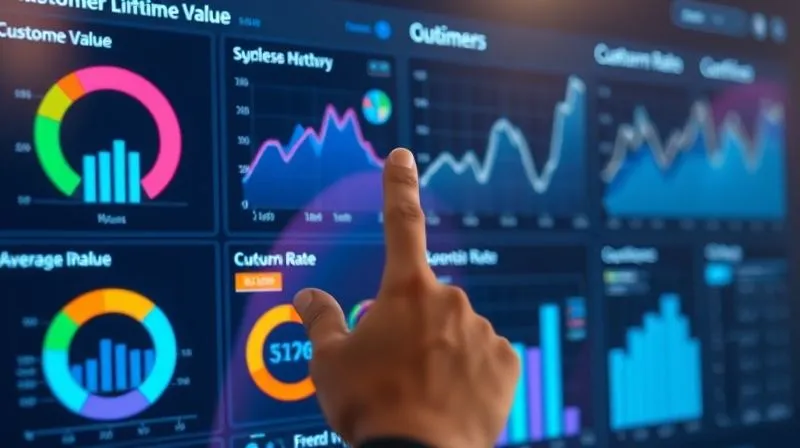
To accurately diagnose, start by segmenting your customers and analyzing their behavior over time. Look for changes in purchase frequency, average order value, product usage, and engagement with your support channels. This granular view will illuminate the specific segments or products where the decline is most pronounced. For instance, are your long-term, high-value customers suddenly downgrading, or is it new customers failing to achieve their potential spend?
Re-Engaging Your Core Customer Segments
Once you've diagnosed the 'why', the next crucial step in answering what's the best way to reverse declining revenue per customer is to re-engage your most valuable customer segments. Not all customers are created equal, and a blanket approach to recovery is rarely effective. Strategic re-engagement is about understanding who your best customers are, what they truly value, and how you can deepen your relationship with them.
Deep Dive into Customer Segmentation
Effective segmentation goes beyond basic demographics. It involves behavioral data, purchase history, engagement levels, and even psychographics. Identify your high-value customers (those with high CLTV), your at-risk customers (showing signs of declining engagement or spend), and your potential growth customers. Each segment will require a tailored re-engagement strategy.
- Identify Key Behavioral Metrics: Track purchase frequency, average order value, product usage patterns, last purchase date, and support interactions.
- Group Customers by Value & Behavior: Use these metrics to create distinct segments (e.g., 'Loyal Advocates,' 'Occasional Spenders,' 'Churn Risks').
- Analyze Segment-Specific Pain Points: For declining segments, conduct surveys, interviews, or focus groups to understand their specific frustrations or unmet needs.
- Develop Tailored Value Propositions: Craft specific messages and offers that directly address the needs and motivations of each segment.
Personalized Communication & Offers
Generic communication is a revenue killer. High-value customers expect and respond to personalization. This means understanding their past purchases, expressed preferences, and anticipated future needs. Tailor your marketing messages, product recommendations, and special offers to resonate deeply with their individual context. This isn't just about using their first name; it's about anticipating their next problem and offering your solution before they even ask.
Case Study: Reviving 'Apex Innovations'
How Apex Innovations Reversed Client Revenue Decline
Apex Innovations, a B2B SaaS company, faced a 20% decline in average revenue per client over 18 months. Their initial strategy was to offer discounts to all clients, which only eroded margins further. Working with my team, we implemented a granular segmentation strategy. We identified that their 'Enterprise' clients, despite being their highest spenders, were experiencing onboarding friction and underutilizing advanced features.
Instead of blanket discounts, Apex launched a personalized 'Value Realization' program for Enterprise clients. This included dedicated customer success managers, proactive feature adoption workshops, and tailored reports demonstrating ROI. For their 'Small Business' segment, where churn was high due to perceived complexity, they simplified their basic plan and introduced a tiered pricing structure with a clearer value ladder. Within 12 months, Apex reversed the declining revenue per customer trend, achieving a 15% increase in average revenue from Enterprise clients and a 10% reduction in churn for Small Business clients, leading to an overall 8% RPC growth. The key was understanding distinct segment needs and responding with targeted value, not just price cuts.
As Harvard Business Review often emphasizes, fostering deep customer loyalty often yields greater long-term value than simply chasing new leads. By treating your existing customers as your most valuable asset, you can begin to see a significant turnaround in your revenue per customer metrics.
Optimizing Your Product/Service Portfolio for Value
A critical component of what's the best way to reverse declining revenue per customer lies in a rigorous examination and optimization of your product and service portfolio. Is your offering still perceived as high-value? Are you maximizing opportunities to increase customer spend through thoughtful additions and structuring?
Value Proposition Reassessment
Take a hard look at your current offerings. Do they solve genuine problems for your customers? Are they differentiated enough from competitors? Conduct market research, gather customer feedback, and analyze usage data to understand which features are most valued and which are underutilized. Sometimes, simplifying an overly complex product can increase perceived value and adoption, leading to higher average spend.
Upselling and Cross-selling Strategies
These are powerful levers for increasing RPC, but they must be executed with finesse, not aggression. Upselling (encouraging customers to buy a more expensive version of their current product) and cross-selling (offering complementary products or services) should always be about adding genuine value. If a customer sees a clear benefit—saving time, improving efficiency, or enhancing their experience—they will be receptive. This requires understanding their evolving needs and pain points.
- Identify Natural Upgrade Paths: Based on customer usage and lifecycle, determine logical next steps for product adoption.
- Educate, Don't Just Sell: Explain the benefits of higher tiers or complementary products in terms of solving a specific problem or achieving a desired outcome.
- Timing is Everything: Offer upgrades or cross-sells when a customer has recently experienced success with your current product or when a new need arises.
Bundling & Tiered Offerings
Strategic bundling can increase the perceived value of your offerings, encouraging customers to spend more. By grouping complementary products or services together at a slightly reduced combined price, you can incentivize higher overall purchases. Similarly, tiered pricing (e.g., Basic, Pro, Enterprise) allows customers to self-select into plans that match their needs and budget, providing clear upgrade paths as their requirements grow. This makes it easier for them to increase their spend when they are ready.
| Product/Service | Features | Monthly Price |
|---|---|---|
| Basic CRM | Contact Management, Basic Reporting | $29 |
| Pro CRM | Basic + Sales Automation, Advanced Analytics, Email Integration | $79 |
| Enterprise CRM | Pro + Custom Workflows, Dedicated Support, API Access, Data Migration | $199 |
Enhancing the Customer Experience (CX) to Drive Loyalty and Spend
In today's competitive landscape, customer experience is no longer just a buzzword; it's a primary differentiator and a direct driver of revenue. When customers feel valued, heard, and supported, they are far more likely to remain loyal, increase their spend, and advocate for your brand. This is fundamentally what's the best way to reverse declining revenue per customer, as a superior CX directly impacts CLTV.
The Power of Proactive Support
Reactive customer support—waiting for a problem to arise—is the bare minimum. Truly exceptional CX involves proactive support. This means anticipating customer needs, identifying potential issues before they escalate, and reaching out with solutions or helpful resources. Think about personalized tips based on their usage, early warnings about upcoming maintenance, or checking in after a significant purchase. This builds trust and reduces friction, making customers feel genuinely cared for.
Seamless Onboarding & Continuous Value Delivery
The customer journey begins long before the first purchase. A smooth, intuitive onboarding process is crucial for setting expectations and ensuring early success. But the value delivery doesn't stop there. Continuously demonstrate the value of your product or service through regular updates, educational content, and success stories. Help customers maximize their use of your offering, ensuring they consistently see the ROI they expected—and more.
Feedback Loops and Iterative Improvement
Establish clear and accessible channels for customer feedback. This includes surveys, in-app feedback, direct communication with customer success teams, and social media monitoring. More importantly, act on this feedback. Show your customers that their input matters by implementing changes and communicating those improvements. This iterative process not only refines your offering but also reinforces customer loyalty by demonstrating your commitment to their satisfaction.
Expert Insight: "A seamless customer experience isn't just about preventing complaints; it's about creating delight. Delighted customers are your most powerful growth engine, willing to spend more and bring others with them."
As Forbes often highlights, companies that prioritize customer experience consistently outperform their competitors in revenue growth and profitability. It's an investment that pays dividends in loyalty and increased spend, directly addressing declining revenue per customer.

Strategic Pricing: Finding the Sweet Spot for Profitability
Pricing is arguably one of the most powerful—and often misunderstood—levers in reversing declining revenue per customer. It's not just about setting a number; it's about communicating value, understanding market dynamics, and optimizing for long-term profitability. A misaligned pricing strategy can either leave money on the table or drive customers away.
Value-Based Pricing Models
Moving away from cost-plus or competitor-matching pricing, value-based pricing centers on what your customer believes your product or service is worth. This requires a deep understanding of your customer's perceived benefits, the problems you solve, and the economic impact of your solution. When customers clearly see the value, they are less price-sensitive and more willing to pay a premium, directly increasing RPC. This can involve demonstrating ROI, showcasing unique features, or highlighting the time/cost savings your solution provides.
Dynamic Pricing and Promotions
In certain industries, dynamic pricing—adjusting prices based on real-time demand, supply, customer segment, or even competitor pricing—can be highly effective. While complex, it allows you to optimize revenue by capturing maximum value from different customer segments at different times. Similarly, strategic promotions, when used judiciously, can stimulate demand and encourage higher spend, but they must be carefully managed to avoid devaluing your core offering or training customers to only buy on discount.
- Segmented Promotions: Offer discounts or incentives only to specific customer segments (e.g., at-risk customers, new users) to encourage specific behaviors.
- Bundled Discounts: Promote higher-value bundles over individual items to increase average order value.
- Time-Sensitive Offers: Create urgency around upgrades or additional purchases.
Transparent Pricing Communication
Confusion around pricing can be a major deterrent. Ensure your pricing structure is clear, easy to understand, and transparent. Hidden fees or complex tiers can erode trust and lead to customer dissatisfaction, ultimately impacting their willingness to continue spending with you. Clearly articulate what's included in each tier or package, and proactively address any potential questions customers might have.
Expert Insight: "Pricing is not a one-time decision; it's an ongoing conversation with your market. Regularly test, analyze, and adapt your pricing strategies to ensure they align with perceived value and competitive realities."
When done correctly, strategic pricing can be a powerful engine for growth, allowing you to capture more value from each customer while maintaining their satisfaction and loyalty. It's a nuanced approach that requires constant monitoring and adjustment, but it's essential for anyone asking what's the best way to reverse declining revenue per customer.
Leveraging Data Analytics for Predictive Insights
In the digital age, data is your most potent weapon in the fight against declining revenue per customer. Simply collecting data isn't enough; the real power lies in extracting actionable, predictive insights. This allows you to move from reactive problem-solving to proactive revenue optimization.
Identifying At-Risk Customers
One of the most immediate applications of advanced analytics is identifying customers who are showing early signs of churn or reduced spend. By tracking metrics like declining product usage, decreased engagement with marketing emails, fewer support interactions, or a drop in purchase frequency, you can build predictive models. These models can flag customers as 'at-risk' before their decline becomes irreversible, allowing your customer success or sales teams to intervene proactively with targeted re-engagement strategies.
Predicting Future Customer Value (CLTV)
Customer Lifetime Value (CLTV) is a forward-looking metric that estimates the total revenue a customer is expected to generate over their relationship with your company. By analyzing historical data and behavioral patterns, you can develop predictive CLTV models. This helps you prioritize your efforts, focusing on retaining and growing the customers who have the highest potential future value. It also informs acquisition strategies, guiding you to attract customers who are likely to become high-value assets.
A/B Testing and Iterative Optimization
Data analytics empowers continuous improvement. Every change you make—from a new feature to a pricing adjustment or a marketing message—should be treated as an experiment. A/B testing allows you to compare the performance of different versions of your offering or communication to determine what resonates best with your customers and drives higher RPC. This iterative process of hypothesis, test, analyze, and implement ensures that your strategies are always backed by data, leading to more effective revenue recovery.
| Experiment | Control Group (Generic) | Variant A (Personalized) | Impact on RPC |
|---|---|---|---|
| Email Personalization | 0.8% Conversion Rate | 1.5% Conversion Rate | +7% |
| Upsell Offer Placement | 3% Upsell Rate | 5% Upsell Rate | +10% |
| Pricing Tier Messaging | 1.2% Upgrade Rate | 2.1% Upgrade Rate | +15% |
Expert Insight: "Data isn't just about reporting the past; it's about predicting the future. Leverage analytics to anticipate customer needs, mitigate risks, and uncover hidden opportunities for revenue growth."
As detailed in various Deloitte reports on data-driven decision-making, companies that effectively harness their data are better positioned to understand customer behavior and optimize their strategies. For anyone asking what's the best way to reverse declining revenue per customer, robust data analytics is non-negotiable.
Empowering Your Team: The Human Element in Revenue Recovery
Even the most sophisticated strategies and advanced analytics will falter without a motivated, well-trained, and aligned team. Your people are on the front lines, interacting with customers daily, and their performance directly impacts your ability to reverse declining revenue per customer. Investing in your team is investing in your customers and, ultimately, your bottom line.
Sales and Marketing Alignment
I've seen countless companies struggle because their sales and marketing teams operate in silos. Marketing generates leads, sales tries to close them, but there's a disconnect in understanding the customer journey and value proposition. True alignment means shared goals, consistent messaging, and a seamless handover process. Marketing should equip sales with insights into customer needs, and sales should provide feedback on what resonates (or doesn't) with customers. This collaboration ensures a consistent, value-driven experience from initial contact through retention.
Customer Success as a Revenue Driver
Customer success teams are no longer just about support; they are pivotal revenue drivers. Their primary role is to ensure customers achieve their desired outcomes using your product or service. When customers succeed, they renew, upgrade, and advocate. Train your customer success managers to be proactive, consultative, and skilled in identifying upsell and cross-sell opportunities that genuinely benefit the customer. They are your eyes and ears on the ground, providing invaluable feedback for product development and revenue optimization.
Continuous Training and Skill Development
The market evolves, customer expectations shift, and your products likely change. Your team needs to evolve with them. Implement continuous training programs covering product knowledge, sales techniques (especially value-based selling), customer service best practices, and the use of new tools. Empower your team with the skills and resources they need to excel, and they will be far more effective in nurturing customer relationships and driving higher RPC.
- Role-Playing & Scenario Training: Prepare teams for common customer objections or complex situations.
- Product Update Briefings: Ensure everyone understands new features and their benefits.
- Cross-Functional Workshops: Foster collaboration and understanding between departments.
Expert Insight: "Your team is your brand's living embodiment. Empower them with knowledge, tools, and a shared vision, and they will become your most effective asset in cultivating customer loyalty and increasing revenue per customer."
A high-performing, customer-centric team is an indispensable asset in any strategy to reverse declining revenue per customer. They are the human connection that builds trust, delivers value, and ultimately drives sustainable revenue growth.

The Long Game: Building Sustainable Revenue Growth
Reversing declining revenue per customer isn't a one-time fix; it's an ongoing commitment to continuous improvement and a long-term strategic vision. True, sustainable growth comes from embedding these principles into your company culture and operations, rather than treating them as temporary initiatives.
Innovation and Adaptation
The market is constantly changing. What worked yesterday might not work tomorrow. To sustain revenue growth, your company must foster a culture of innovation and adaptability. This means constantly monitoring market trends, listening to customer feedback, and being willing to evolve your products, services, and business models. Don't be afraid to experiment, even if it means disrupting your own offerings before someone else does.
Customer Lifetime Value (CLTV) Focus
Shift your organizational mindset from transactional thinking to a CLTV-centric approach. Every decision, from marketing campaigns to product development and customer service policies, should be evaluated through the lens of how it impacts the long-term value of your customer relationships. This holistic view encourages investments in customer satisfaction, retention, and growth, which are the true drivers of sustainable RPC increases.
Cultivating a Customer-Centric Culture
Ultimately, the most effective way to address what's the best way to reverse declining revenue per customer is to build an organization where the customer is at the heart of everything you do. This means every department, from finance to product development, understands their role in delivering exceptional customer value. Empower employees at all levels to make decisions that benefit the customer, and celebrate successes that demonstrate improved customer outcomes. A genuine customer-centric culture is your strongest defense against declining revenue.
Expert Insight: "Reversing revenue decline is not just about fixing a leak; it's about building a stronger, more resilient ship. Focus on long-term value, continuous adaptation, and a deeply customer-centric culture to ensure lasting prosperity."
By embracing these principles, you move beyond mere damage control to establishing a robust foundation for enduring revenue optimization. This isn't just about surviving; it's about thriving in a dynamic marketplace.

Frequently Asked Questions (FAQ)
How quickly can I expect to see results after implementing these strategies? The timeline for seeing results can vary significantly depending on the depth of the decline, the complexity of your business, and the speed of implementation. Initial improvements in specific metrics (e.g., increased engagement, reduced churn in an at-risk segment) might be visible within 3-6 months. However, a full reversal of declining revenue per customer and sustainable growth typically requires 12-24 months of consistent effort and adaptation. It's a marathon, not a sprint.
Should I focus more on customer acquisition or retention when RPC is declining? While new customer acquisition is always important, when RPC is declining, your immediate priority should be on retention and increasing the value of your existing customers. It's often 5-25 times more expensive to acquire a new customer than to retain an existing one. Focusing on what's the best way to reverse declining revenue per customer by enhancing current customer value provides a more stable and cost-effective path to recovery. Once that foundation is solid, you can scale acquisition efforts more effectively.
What's the biggest mistake companies make when trying to reverse declining RPC? The biggest mistake I've observed is reacting with panic-driven, short-term solutions, particularly broad price cuts or aggressive, non-value-added upselling. These tactics often erode margins further, devalue your brand, and alienate customers. Instead, a data-driven diagnosis followed by strategic, value-focused interventions is crucial. Don't guess; measure and target.
How can a small business effectively implement these strategies with limited resources? Small businesses can start by focusing on the most impactful areas. Prioritize deep customer understanding through direct feedback. Leverage free or affordable analytics tools. Implement one or two targeted CX improvements. Focus on simple, value-added upselling. The key is to be highly strategic and iterative, using limited resources on initiatives that promise the highest ROI for reversing declining revenue per customer. Automation tools can also help scale efforts without large teams.
Is it always possible to reverse declining revenue per customer, or are some declines irreversible? While most declines are reversible with the right strategy and commitment, there are rare instances where market conditions, technological shifts, or insurmountable competitive forces make a full reversal extremely challenging for a specific product or business model. In such cases, the strategy shifts to pivoting, innovation, or managing a graceful exit from a declining market segment while exploring new opportunities. However, for most businesses, significant improvements are achievable.
Key Takeaways and Final Thoughts
Reversing declining revenue per customer is a complex but entirely achievable goal. It requires a blend of rigorous analysis, strategic planning, and a deep commitment to customer value. As an industry veteran, I can tell you that the businesses that succeed are those that view this challenge not as a crisis, but as an opportunity to deepen their understanding of their customers and refine their value proposition.
- Diagnose Thoroughly: Don't guess; use data to pinpoint the exact reasons for RPC decline.
- Segment Strategically: Tailor your re-engagement efforts to specific customer groups.
- Optimize Offerings: Ensure your products and services deliver undeniable value and facilitate logical upgrades.
- Elevate CX: Prioritize exceptional customer experience as a core revenue driver.
- Price Smartly: Align your pricing with perceived value and market dynamics.
- Leverage Data: Use analytics for predictive insights and continuous optimization.
- Empower Your Team: Invest in your people; they are your frontline for customer relationships and revenue growth.
The journey to reverse declining revenue per customer is an investment in your company's future. It demands patience, persistence, and a willingness to adapt. By focusing on these core principles, you can not only stem the tide of decline but also build a more resilient, profitable, and customer-centric business that thrives for years to come. Take these insights, apply them with diligence, and watch your customer value—and your revenue—begin its upward climb.
Recommended Reading
- 6 Strategies When Your Product-Market Fit Stalls: A Growth Playbook
- 7 Steps to Eliminate Critical Supply Chain Delays from Inefficient Processes
- Unlock Hidden Potential: How to Identify Untapped Business Growth Opportunities
- Sales Team Consistently Missing Targets? 8 Proven Fixes From a Veteran
- Unraveling the Mystery: Overcoming Challenges in Measuring Strategic Partnership ROI





Comments
Leave a comment below. Your email will not be published. Required fields marked with *