

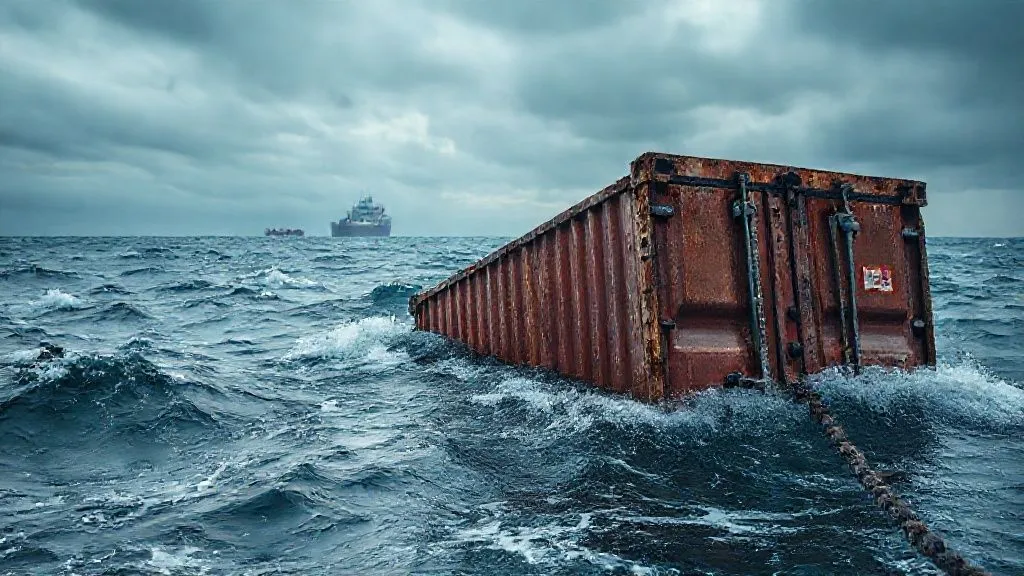
What to do when unexpected port delays disrupt your supply chain?
For over two decades in operations management, I've witnessed firsthand the profound impact that seemingly minor disruptions can have on even the most meticulously planned supply chains. It's a common mistake to assume that robust planning can eliminate all risks; instead, the real challenge, and the true mark of an agile operation, lies in how quickly and effectively you respond when the unexpected inevitably strikes.
Today, with global trade intricately linked and external factors ranging from geopolitical tensions to natural disasters becoming more frequent, unexpected port delays are no longer an anomaly but a persistent threat. These delays don't just push back delivery dates; they ripple through your entire operation, inflating costs, eroding customer trust, and potentially grinding production to a halt. The feeling of helplessness as your cargo sits stalled offshore is a familiar pain point for many.
In this definitive guide, I will share the strategies, frameworks, and expert insights I've honed over years in the trenches. You'll learn not just what to do when unexpected port delays disrupt your supply chain, but how to transform these challenges into opportunities for building a more resilient, agile, and ultimately, more profitable operation. We'll delve into actionable steps, real-world analogies, and the critical shifts in mindset required to navigate today's complex logistics landscape.
Proactive Planning: Building a Resilient Foundation
The first line of defense against any disruption, especially unforeseen port delays, isn't reactive firefighting; it's proactive planning. In my experience, companies that emerge stronger from crises are those that have invested heavily in understanding their vulnerabilities and building systems to mitigate them before they even manifest.
Risk Assessment and Scenario Planning
Understanding where your supply chain is most susceptible is paramount. This isn't just about identifying a single point of failure; it’s about mapping out complex interdependencies and potential choke points. I always advise my clients to go beyond the obvious and consider cascading failures.
- Identify Critical Nodes: Pinpoint key ports, shipping lanes, and transit hubs that are essential for your operations. Assess their historical performance, geopolitical stability, and susceptibility to environmental factors.
- Quantify Potential Impact: For each identified risk, estimate the financial, operational, and reputational impact of a delay. This helps prioritize your mitigation efforts.
- Develop 'What-If' Scenarios: Simulate various delay scenarios – a 3-day delay, a 2-week shutdown, a complete rerouting. For each, outline specific trigger points and pre-defined response protocols.
- Cross-Functional Collaboration: Involve procurement, logistics, sales, and finance teams in these planning sessions. Their diverse perspectives are invaluable in uncovering hidden risks and developing comprehensive solutions.
Diversification of Routes and Carriers
Putting all your eggs in one basket, whether it's a single port or a single carrier, is a recipe for disaster in the face of port delays. Diversification is not just a buzzword; it's a strategic imperative that significantly enhances your supply chain's resilience.
- Multi-Modal Options: Explore combining ocean freight with rail or air cargo for critical components or time-sensitive deliveries. While potentially more expensive, it offers flexibility when primary routes are blocked.
- Multiple Ports of Entry: Identify alternative ports that can handle your cargo, even if they are not your primary choice. Establishing relationships and pre-approvals with customs at these ports can save critical time during a crisis.
- Strategic Carrier Partnerships: Don't rely on just one shipping line. Cultivate relationships with several carriers, understanding their strengths, weaknesses, and geographical coverage. This allows you to pivot quickly if one carrier faces issues or capacity constraints.

Real-Time Visibility: The Eyes and Ears of Your Supply Chain
In the past, understanding where your cargo was meant waiting for an email or a phone call. Today, that approach is simply inadequate. When unexpected port delays disrupt your supply chain, the ability to see exactly where your goods are, and to predict potential future bottlenecks, is your most powerful asset.
Leveraging Digital Platforms and IoT
The digital transformation of logistics has provided unprecedented tools for real-time tracking and predictive analytics. Investing in these technologies is no longer a luxury; it's a necessity for competitive advantage and operational survival.
- Container Tracking Systems: Implement solutions that provide GPS-level tracking for individual containers, offering live updates on their location and status.
- Predictive Analytics: Utilize AI-driven platforms that analyze historical data, weather patterns, port congestion, and geopolitical events to forecast potential delays before they occur. This allows for proactive decision-making rather than reactive scrambling.
- IoT Sensors: For sensitive cargo, deploy IoT sensors that monitor temperature, humidity, and shock, providing not only location data but also insights into cargo integrity during transit.
Establishing Robust Communication Channels
Technology is crucial, but human connection remains indispensable. Direct, transparent, and timely communication with all stakeholders is vital for navigating disruptions.
- Dedicated Communication Protocols: Establish clear channels and escalation matrices for informing internal teams, suppliers, and customers about delays.
- Direct Carrier & Port Relationships: Cultivate strong relationships with your freight forwarders, shipping lines, and port authorities. These direct lines of communication can provide early warnings and more accurate information than public advisories.
- Customer Transparency: In my experience, customers appreciate honesty. Proactively communicate potential delays and revised timelines, offering solutions or alternatives where possible. This builds trust, even in challenging circumstances.
"Visibility isn't just about knowing where your goods are; it's about understanding the entire ecosystem's pulse. It transforms a reactive supply chain into a truly proactive, resilient network." - Expert Insight
Agility in Action: Rapid Response Strategies
Even with the best proactive planning and real-time visibility, unexpected port delays will still occur. The true test of a resilient supply chain lies in its agility – its ability to quickly adapt, pivot, and implement alternative strategies to minimize impact.
Dynamic Inventory Management
Traditional inventory models often fall short when faced with unpredictable disruptions. A dynamic approach is needed, balancing the costs of holding inventory against the risks of stockouts.
- Strategic Safety Stock: Identify critical components or finished goods that are highly susceptible to delays and maintain a strategic safety stock. This isn't about overstocking everything, but intelligently buffering key items.
- Demand Forecasting Adjustment: Continuously adjust your demand forecasts based on real-time delay information. If a delay is projected to be long-term, consider accelerating orders for future periods to compensate.
- Prioritization Matrix: Develop a system to prioritize incoming inventory. If you have limited capacity or resources due to delays, ensure that your most critical products or components are handled first.
Expedited Shipping and Alternative Transport
When ocean freight falters, having pre-arranged alternative transport options can be a lifesaver. This often involves a cost-benefit analysis in real-time.
- Air Freight Readiness: Establish relationships with air cargo carriers and understand their pricing structures and capacity. For high-value, low-volume, or time-critical goods, air freight can quickly bridge the gap.
- Rail and Road Options: For continental or regional movements, explore intermodal rail or dedicated trucking services as alternatives to coastal shipping or congested ports.
- Cost-Benefit Analysis: Rapidly assess the financial impact of expedited shipping (higher freight costs) against the cost of delays (lost sales, production downtime, contract penalties). Often, the higher freight cost is justified by avoiding more severe business disruptions.
Case Study: How Nova Logistics Pivoted During a Major Port Strike
Nova Logistics, a mid-sized electronics distributor, faced a severe crisis when a major West Coast port experienced an unexpected, prolonged labor strike, effectively halting all incoming ocean freight for weeks. Their standard 30-day lead times were instantly jeopardized, threatening key product launches and major retail contracts.
By leveraging their pre-established relationships with multiple carriers and their real-time visibility platform, Nova Logistics quickly identified all affected shipments. They immediately initiated a multi-pronged strategy:
- Prioritization: They identified the top 10% of their most critical product lines, those with immediate demand and high-profit margins.
- Air Freight Diversion: For these critical shipments, they diverted containers mid-ocean to alternative, less congested ports (e.g., in Mexico or Canada) and then arranged for expedited air freight to their primary distribution centers. While costly, this ensured key product availability.
- Rail & Road for Bulk: For less time-sensitive, higher-volume goods, they rerouted ocean shipments to East Coast ports and utilized existing rail and long-haul trucking contracts to move goods across the continent.
This rapid, multi-modal response, though incurring higher logistics costs, allowed Nova Logistics to fulfill over 85% of their critical orders on time, maintaining customer trust and avoiding millions in potential lost sales and penalty fees. This resulted in a strengthened reputation for reliability and a deeper understanding of their supply chain's true resilience.
Financial Safeguards: Mitigating Economic Impact
Unexpected port delays don't just disrupt logistics; they hit your bottom line hard. From demurrage charges to lost revenue, the financial fallout can be substantial. Implementing robust financial safeguards is crucial for absorbing these shocks and maintaining business continuity.
Insurance and Contractual Clauses
Protecting your assets and liabilities through appropriate insurance and well-drafted contracts is a fundamental aspect of supply chain risk management.
- Marine Cargo Insurance: Ensure your cargo is adequately insured against loss, damage, and specific delay-related risks. Understand the terms and conditions, especially regarding force majeure events or specific port-related issues.
- Force Majeure Clauses: Review and strengthen force majeure clauses in your contracts with suppliers, carriers, and customers. These clauses define what constitutes an "act of God" or unforeseen circumstance, and how responsibilities are allocated during such events.
- Incoterms Review: Understand your Incoterms. These define the responsibilities of buyers and sellers for the delivery of goods under sales contracts. Clear Incoterms can prevent disputes and clarify liability during delays.
Cash Flow Management and Supplier Financing
Delays can tie up capital in transit, strain cash flow, and impact your ability to pay suppliers or invest in other areas of the business.
- Dynamic Cash Flow Forecasting: Integrate potential delay scenarios into your cash flow forecasts. Understand how extended transit times or unexpected expedited freight costs will impact your liquidity.
- Supplier Payment Terms: Negotiate flexible payment terms with key suppliers, especially for goods prone to delays. Consider early payment discounts for guaranteed on-time delivery or extended terms if delays are unavoidable.
- Credit Lines and Working Capital: Ensure you have access to sufficient credit lines or working capital to bridge financial gaps that may arise from prolonged disruptions.
| Mitigation Strategy | Initial Cost | Impact on Delay Costs | Implementation Time |
|---|---|---|---|
| Diversified Carriers | Moderate (admin/setup) | High Reduction | Medium |
| Expedited Air Freight | High (per use) | Variable (depends on urgency) | Fast |
| Strategic Safety Stock | High (holding costs) | High Reduction (for critical items) | Medium |
| Real-time Tracking Software | Moderate (subscription) | Significant Reduction (proactive) | Medium |
Collaboration and Partnerships: Strengthening Your Ecosystem
No company operates in a vacuum. Your supply chain is an intricate network of relationships. When facing unexpected port delays, strong collaboration with your partners isn't just helpful; it's absolutely critical for collective resilience.
Deepening Supplier Relationships
Your suppliers are not just vendors; they are extensions of your own operations. Building strong, transparent relationships with them can provide significant advantages during disruptions.
- Shared Risk & Planning: Engage suppliers in your risk assessment and scenario planning. Understand their own supply chain vulnerabilities and how they might impact your inbound logistics.
- Information Sharing: Foster an environment of open communication. Encourage suppliers to proactively share information about their production schedules, raw material availability, and any potential issues that could affect your orders.
- Dual Sourcing: For critical components, develop relationships with multiple suppliers. This reduces dependence on a single source and provides alternatives if one supplier faces production or shipping issues.
Engaging with Freight Forwarders and Customs Brokers
These specialized partners are your navigators through the complex world of international logistics. Their expertise is invaluable when dealing with port delays and customs bottlenecks.
- Strategic Partnerships: Choose freight forwarders and customs brokers based on their proven track record, their network, and their ability to provide proactive solutions, not just their price.
- Pre-Clearance & Expedited Services: Work with your customs broker to explore pre-clearance options or expedited customs processing for critical shipments. Their deep understanding of regulations can significantly speed up the release of goods.
- Advocacy & Problem Solving: A good freight forwarder will act as your advocate with shipping lines and port authorities, helping to resolve issues and explore alternative solutions during delays.
As marketing guru Seth Godin often says, "People don't buy goods and services. They buy relations, stories, and magic." In the context of supply chain, this translates to the immense value of trusted relationships. According to a Harvard Business Review article, companies with stronger supplier relationships consistently outperform their peers in times of crisis.
Technology Integration: Automating for Efficiency
The sheer complexity and volume of data involved in global supply chains make manual management incredibly challenging, especially when facing unexpected port delays. Technology, specifically AI and blockchain, offers powerful tools for automation, predictive insights, and enhanced transparency.
AI and Machine Learning for Predictive Analysis
Artificial Intelligence (AI) and Machine Learning (ML) algorithms can process vast amounts of data far beyond human capability, identifying patterns and making predictions that are critical for proactive decision-making.
- Demand and Supply Forecasting: AI can analyze historical sales data, seasonal trends, economic indicators, and even social media sentiment to provide highly accurate demand forecasts, allowing for better inventory planning.
- Predictive Delay Analytics: ML models can ingest real-time data from various sources – satellite imagery of ports, vessel tracking, weather forecasts, news feeds – to predict potential port congestion or delays with increasing accuracy. This gives you a crucial head start.
- Route Optimization: AI can continuously analyze and optimize shipping routes, considering factors like transit time, cost, fuel efficiency, and real-time congestion data, to suggest the most efficient path for your cargo.
Blockchain for Transparency and Traceability
Blockchain technology, often associated with cryptocurrencies, offers unique benefits for supply chain management due to its immutable and distributed ledger capabilities.
- Enhanced Traceability: Every step of a product's journey, from raw material sourcing to final delivery, can be recorded on a blockchain. This provides an unalterable, transparent record that can be accessed by all authorized parties.
- Improved Trust and Data Integrity: The decentralized nature of blockchain means that data cannot be unilaterally altered, reducing disputes and enhancing trust among supply chain partners.
- Faster Dispute Resolution: In case of delays or quality issues, the transparent record on the blockchain can significantly speed up the identification of the problem's origin and facilitate quicker resolution.

Continuous Improvement: Learning from Disruptions
Even after the immediate crisis of an unexpected port delay has passed, the work isn't over. True resilience is built through continuous learning and adaptation. Each disruption, no matter how challenging, offers invaluable lessons that can strengthen your supply chain for the future.
Post-Mortem Analysis and Feedback Loops
A thorough review of what happened, why it happened, and how your team responded is critical for institutional learning.
- Detailed Incident Review: Document every aspect of the delay – its cause, duration, impact on various departments, and the specific actions taken.
- Root Cause Analysis: Go beyond the surface. Was the delay truly 'unexpected,' or were there underlying vulnerabilities that could have been identified earlier?
- Feedback Sessions: Conduct cross-functional meetings with all teams involved (logistics, procurement, sales, finance) to gather their insights. What worked well? What could have been done better?
- Supplier and Carrier Feedback: Engage your external partners in this review process. Their perspective on the event and your response can be incredibly insightful.
Training and Skill Development
A resilient supply chain isn't just about technology and processes; it's about the people who manage it. Investing in your team's capabilities is an investment in your future resilience.
- Crisis Simulation Training: Conduct regular training exercises that simulate various supply chain disruptions, including port delays. This helps teams practice their response protocols and identify areas for improvement in a low-stakes environment.
- Digital Literacy: Ensure your team is proficient in using the latest supply chain visibility platforms, analytics tools, and communication systems.
- Critical Thinking & Problem Solving: Develop your team's ability to think critically under pressure and make rapid, informed decisions when faced with unforeseen challenges.
"Resilience is not a destination; it's a journey of continuous adaptation. Every disruption is a teacher, revealing new pathways to strength and agility." - Industry Veteran's Wisdom
As a recent article in Forbes highlights, the future of supply chain resilience is about embracing constant change and building a culture of adaptability. Companies that actively learn from their experiences are the ones that not only survive but thrive in an increasingly volatile global economy.
Frequently Asked Questions (FAQ)
Question? How do I convince leadership to invest in supply chain resilience before a crisis hits?
Detailed answer: This is a common challenge. In my experience, the key is to shift the conversation from 'cost' to 'risk mitigation' and 'competitive advantage.' Present compelling data on the potential financial impact of past disruptions (using your own historical data or industry benchmarks). Frame resilience not just as avoiding losses, but as enabling uninterrupted revenue generation and protecting brand reputation. Highlight how proactive investment can lead to smoother operations, improved customer satisfaction, and even opportunities to gain market share when competitors falter. Use concrete examples and ROI calculations where possible, demonstrating that the cost of inaction far outweighs the cost of investment.
Question? What's the biggest mistake companies make when facing unexpected port delays?
Detailed answer: The single biggest mistake I've seen is a lack of real-time, transparent communication – both internally and externally. Internally, silos can lead to fragmented information and uncoordinated responses. Externally, failing to proactively inform customers about potential delays, or providing vague updates, erodes trust and can lead to lost business. Another critical error is a failure to conduct thorough post-mortems; without learning from each incident, companies are doomed to repeat the same mistakes.
Question? Can small businesses effectively implement these sophisticated supply chain strategies?
Detailed answer: Absolutely. While large enterprises might have bigger budgets for advanced AI platforms, the core principles of resilience – proactive planning, visibility, agility, and strong partnerships – are scalable. Small businesses can start by focusing on building strong relationships with a few key carriers and suppliers, investing in basic tracking software, and developing simple, clear contingency plans for their most critical products. Leveraging freight forwarders who specialize in small business needs can also provide access to expertise and networks that might otherwise be out of reach. It's about smart, incremental steps, not necessarily massive overhauls.
Question? How do I measure the ROI of supply chain resilience efforts?
Detailed answer: Measuring the ROI of resilience can be tricky because it often involves proving a negative – the costs you *avoided*. Key metrics include: Reduced stockout rates during disruptions, lower expedited freight costs (due to proactive measures), improved on-time delivery percentages during periods of volatility, decreased customer churn attributable to better communication/mitigation, and faster recovery times post-disruption. You can also quantify the avoided costs of production stoppages, penalty fees, and reputational damage. Establishing baseline metrics before implementing resilience strategies is crucial for demonstrating improvement.
Question? What role does sustainability play in mitigating port delays?
Detailed answer: Sustainability is increasingly intertwined with resilience. Companies that prioritize sustainable practices often have more diversified, localized supply chains, reducing reliance on single, long-haul routes prone to delays. For example, sourcing locally or regionally can lessen exposure to global port congestion. Furthermore, sustainable logistics practices, such as optimizing container utilization or investing in more fuel-efficient vessels, can lead to more predictable transit times and less reliance on congested hubs, indirectly contributing to delay mitigation. As Deloitte research suggests, integrating sustainability into supply chain strategy builds a stronger, more adaptable ecosystem.
Key Takeaways and Final Thoughts
Navigating the unpredictable waters of global supply chains, especially when faced with unexpected port delays, demands more than just good planning; it requires a deep commitment to resilience, agility, and continuous improvement. As an industry veteran, I've seen that the companies that truly excel are those that view every disruption not as a setback, but as a critical learning opportunity to refine their strategies and strengthen their operational backbone.
- Proactive Planning is Non-Negotiable: Invest in robust risk assessment, scenario planning, and route diversification.
- Visibility is Your Superpower: Leverage digital tools for real-time tracking and predictive analytics.
- Agility is Your Lifeline: Be ready to implement dynamic inventory adjustments and alternative transport options.
- Financial Safeguards Protect Your Bottom Line: Utilize insurance, smart contracts, and flexible cash flow management.
- Collaboration Fuels Resilience: Deepen relationships with suppliers, carriers, and customs brokers.
- Embrace Technology for Efficiency: Integrate AI for predictive insights and blockchain for transparency.
- Learn, Adapt, Evolve: Conduct thorough post-mortems and continuously train your teams.
The global supply chain will always present its share of challenges. However, by adopting these expert-driven strategies, you can transform the daunting question of "What to do when unexpected port delays disrupt your supply chain?" into a confident declaration: "We are prepared, we are agile, and we will thrive." Embrace the journey of building a truly resilient supply chain – your business's future depends on it.
Recommended Reading
- 7 Proven Strategies: Justify Digital Marketing Spend to Skeptical Executives
- Unlock USMCA Savings: 7 Steps to Leverage Rules of Origin
- 6 Strategies: Build a Focused Home Office in Noisy Shared Living
- 7 Steps: How to Effectively Measure ROI for Inbound Marketing?
- 7 Proven Strategies: Boost Online Support First Contact Resolution Rate




Comments
Leave a comment below. Your email will not be published. Required fields marked with *