


Why are my e-commerce product photos not converting to sales?
For over 15 years in the bustling world of e-commerce, I've had a front-row seat to countless businesses, from budding startups to established brands. Time and again, I've witnessed a perplexing phenomenon: incredible products, meticulously crafted and competitively priced, languishing on digital shelves. The common culprit? Often, it wasn't the product itself, but the visual story—or lack thereof—being told.
You've invested in your product, perfected your marketing, and driven traffic to your store. Yet, despite the clicks, your sales figures remain stagnant. This disconnect is incredibly frustrating, and if you're asking, "Why are my e-commerce product photos not converting to sales?" you're not alone. Many entrepreneurs overlook the profound psychological impact of visual presentation in a digital-first economy, where the visual is often the only tangible interaction a customer has with your offering.
This comprehensive guide isn't just about identifying problems; it's about equipping you with actionable frameworks, expert insights, and real-world strategies to transform your product visuals from mere images into powerful sales drivers. We'll delve into the science, the art, and the practical steps needed to ensure your photos don't just look good, but actively convert browsers into loyal customers, unlocking the true potential of your e-commerce venture.
Beyond 'Good Enough': Understanding the Psychology of Online Buying
In the physical retail world, customers can touch, feel, and experience a product. Online, your product photos are their only window into that experience. This means your visuals aren't just decorative; they are the primary sensory input, triggering emotions, building trust, and informing purchasing decisions. Anything less than exceptional is a missed opportunity to connect with your audience on a deeper, more persuasive level.
The Instant Impression: Why First Seconds Matter
Think about your own online shopping habits. How long do you spend on a product page before deciding to scroll, click away, or investigate further? Often, it's mere seconds. During this fleeting moment, your primary product image acts as the gatekeeper to further engagement. Is it compelling? Does it immediately convey value and professionalism? A blurry, poorly lit, or uninspired hero shot will send potential customers fleeing faster than you can say "add to cart." I've seen this mistake countless times, where a fantastic product is sabotaged by a lack of visual polish, failing to make that crucial first impression.
Building Trust Through Visual Authenticity
Customers are savvy. They can spot stock photos or overly Photoshopped images from a mile away. Authenticity in product photography builds trust. When your images accurately represent the product—its true color, texture, size, and utility—you reduce buyer's remorse and increase confidence. This isn't about perfection; it's about genuine representation, fostering a transparent relationship with your customer. According to a study published by Harvard Business Review, trust is a critical driver in online purchasing decisions, and visuals play a significant role in establishing that initial rapport and credibility.
Case Study: How 'Artisan Crafts Co.' Boosted Sales by Humanizing Product Shots
Artisan Crafts Co., a small e-commerce business selling handmade jewelry, struggled with stagnant sales despite positive feedback on their craftsmanship. Their original product photos were technically decent but sterile: white background, perfectly lit, but devoid of personality. We identified that their target audience valued authenticity and the human touch. By implementing contextual shots featuring models wearing the jewelry in everyday settings, and including behind-the-scenes images of the crafting process, their conversion rate jumped by 28% within three months. This simple shift from 'product' to 'experience' transformed their sales trajectory and proved that photos are about more than just showing an item; they're about telling a story that resonates with the customer's values.
"In e-commerce, your product photo isn't just an image; it's a silent salesperson. It communicates quality, utility, and trustworthiness long before a customer reads a single word of your description. Treat it as such."
Technical Flaws That Kill Conversions: It's More Than Just Resolution
Many assume "good photography" simply means high resolution. While important, it's a superficial metric. The foundational technical elements are often where most e-commerce product photos falter, directly impacting how customers perceive quality and value. Ignoring these basics is like building a house on a shaky foundation – it might look okay from a distance, but it won't stand up to scrutiny.
Lighting: The Unsung Hero (or Silent Killer)
Poor lighting is arguably the single biggest technical flaw I encounter. It can make a premium product look cheap, obscure critical details, and distort colors. Natural, soft, diffused light is often ideal, but consistent studio lighting setups are crucial for scalability and professional results. Avoid harsh shadows, blown-out highlights, and inconsistent illumination across your product range. Proper lighting reveals texture, depth, and the true essence of your product, making it appear more inviting and high-quality.

White Balance & Color Accuracy: The Truth in Every Pixel
Imagine buying a vibrant red dress online, only for it to arrive a dull maroon. This is a common issue caused by incorrect white balance. Your camera's white balance setting ensures that white objects appear white in your photos, which in turn ensures all other colors are accurate and true-to-life. Inaccurate colors lead to disappointment, increased returns, and eroded trust. Always calibrate your white balance and, if necessary, use color reference cards during your shoot to guarantee fidelity.
Sharpness, Focus, and Depth of Field: Guiding the Eye
A blurry product photo is an instant conversion killer. Ensure your product is tack-sharp, especially the key features. Depth of field (how much of the image is in focus) should be used strategically. For most standard product shots, you want the entire product in sharp focus, but for lifestyle shots, a shallow depth of field can beautifully blur the background, making the product pop and drawing attention to its utility. Understanding and mastering these elements is critical to guiding the customer's eye to what matters most.
- Common Technical Mistakes to Avoid:
- Inconsistent lighting across different product images, creating a disjointed look.
- Over-exposure or under-exposure, washing out or obscuring important details.
- Incorrect white balance, leading to inaccurate and misleading product colors.
- Blurry or out-of-focus subjects, making the product appear unprofessional.
- Distracting reflections on shiny products that hide features or create glare.
- Busy or cluttered backgrounds that detract from the product's prominence.
Missing the Story: Your Photos Aren't Communicating Value
If your photos only show the product in isolation, against a plain background, you're missing a huge opportunity to communicate its true value, utility, and appeal. Customers don't just buy products; they buy solutions, experiences, and aspirations. Your photography needs to reflect that by creating a narrative around your offering.
Contextual Shots: Showing Products in Action
How does your product fit into a customer's life? A contextual or lifestyle shot shows the product being used or in a relevant environment. A coffee mug isn't just a mug; it's part of a cozy morning routine, holding a warm beverage. A backpack isn't just a bag; it's an adventure companion, ready for a hike. These images help customers envision themselves using the product, making it far more desirable and relatable. This is crucial if you're asking, "Why are my e-commerce product photos not converting to sales?" because often, the missing piece is the narrative context that resonates with the buyer.

Scale & Size Representation: Avoiding Buyer's Remorse
One of the top reasons for product returns is inaccurate size perception. Include photos that clearly show the product's scale. This could be a product next to a common, easily recognizable object (like a hand, a coin, or a standard-sized item) or a model wearing/holding it. While dimensions in the description are essential, visual cues are far more effective in preventing misunderstandings and setting accurate expectations, thereby reducing customer disappointment.
Detail Shots: Highlighting Unique Features & Craftsmanship
What makes your product special? Is it a unique texture, intricate stitching, a specific material, or an innovative design element? Detail shots zoom in on these features, allowing customers to appreciate the quality and craftsmanship that might otherwise be overlooked. These close-ups can be incredibly persuasive, especially for premium or artisan goods, as they demonstrate transparency and pride in your product's construction.
- Essential Elements of a Compelling Visual Story:
- Hero Shot: The main image, perfectly lit and composed, grabbing immediate attention.
- Contextual/Lifestyle Shot: Product in use or a relevant environment, showing its application.
- Scale Shot: Demonstrating size relative to a familiar object or person, preventing misunderstandings.
- Detail Shot: Highlighting unique features, textures, or craftsmanship, emphasizing quality.
- Group Shot: If applicable, showing product variations, color options, or sets, for comprehensive understanding.
- Packaging Shot: For unboxing experience, gift appeal, or demonstrating brand care.
The Unseen Hurdles: Consistency, Quantity, and Variety
Even if individual photos are technically sound, a lack of consistency, insufficient quantity, or limited variety across your product listings can significantly hinder conversions. These elements contribute to a professional, trustworthy brand image and ensure a complete understanding of the product, which is vital for informed purchasing decisions.
Consistency Across Your Storefront: Branding Through Visuals
Imagine browsing an online store where every product photo has different lighting, backgrounds, and editing styles. It feels amateurish, disjointed, and unprofessional. Consistency in your product photography—from lighting and background to editing style and angle—reinforces your brand identity and professionalism. It makes your entire store feel cohesive and trustworthy, signaling to customers that you pay meticulous attention to detail and uphold high standards.
The Power of Multiple Angles & Lifestyle Shots
Online shoppers can't pick up and rotate a physical product. Your photos must do that for them. Provide at least 5-7 high-quality images per product, showcasing it from various angles (front, back, sides, top, bottom), with detail shots, and at least one compelling lifestyle shot. For apparel, this means front, back, side, detail of fabric, and a model shot. The more visual information you provide, the less guesswork for the customer, and the higher the likelihood of conversion, as their confidence in the product grows.
A/B Testing Your Visuals: Let Data Lead the Way
Don't just guess what works; test it. A/B testing different hero shots, lifestyle images, or even the order of your product photos can provide invaluable insights into what resonates most with your audience. This data-driven approach is a cornerstone of optimizing your conversion rates and continuously improving your visual strategy. As marketing guru Seth Godin often says, "Don't find customers for your products, find products for your customers." In this context, it means finding the visual presentation that best serves your customers' needs and desires, leading to higher engagement and sales.
| Visual Element Tested | Control (Product Only) Conversion Rate | Variant (Lifestyle Focus) Conversion Rate | Improvement |
|---|---|---|---|
| Hero Image Style (Product vs. Lifestyle) | 1.8% | 2.5% | +38.9% |
| Number of Images (5 vs. 8) | 2.1% | 2.8% | +33.3% |
| Detail Shot Placement (3rd vs. 1st) | 2.3% | 2.6% | +13.0% |
Optimizing for Mobile: The Conversion Battleground
With mobile devices now dominating online shopping, neglecting mobile optimization for your product photos is akin to closing your store's front door during peak hours. If your images don't load quickly or display beautifully on a smartphone, you're losing sales and frustrating a significant portion of your potential customer base.
Responsive Imagery: Speed and Clarity on Small Screens
Your e-commerce platform should automatically serve responsive images, but it's vital to ensure your original files are optimized for web delivery. Large, uncompressed images will cripple your mobile load times, leading to high bounce rates and a poor user experience. Customers expect instant gratification. Use appropriate file formats (e.g., WebP for modern browsers, JPEG for wider compatibility) and compress images without sacrificing visual quality. You can check your site's performance using tools like Google PageSpeed Insights to identify and rectify bottlenecks.
Tap-to-Zoom & Interactive Elements
Mobile users rely heavily on tap-to-zoom functionality to inspect product details. Ensure this feature works flawlessly and that the zoomed-in image retains its sharpness and clarity, revealing intricate details without pixelation. Consider implementing 360-degree spins or short product videos for complex items, offering an even richer, more immersive mobile experience. These interactive elements significantly enhance engagement and answer many unspoken questions a customer might have, directly addressing the core problem of "Why are my e-commerce product photos not converting to sales?" by providing comprehensive visual information and control.
"Mobile-first isn't just a buzzword; it's the reality of modern e-commerce. If your product photos aren't optimized for the smallest screen, ensuring speed and clarity, you're leaving money on the table and alienating your largest audience segment."
Leveraging User-Generated Content (UGC) and Reviews Visually
Beyond your meticulously staged professional shots, user-generated content (UGC) offers an authentic, powerful layer of social proof that can significantly boost conversions. It's real people, using your real products, in real-world scenarios, providing a level of credibility that professional photos often can't replicate alone.
Integrating Social Proof into Product Pages
Showcasing customer photos (with explicit permission, of course) on your product pages or in dedicated galleries adds immense credibility and relatability. These images often capture the product in a more natural, unpolished way, which can resonate deeply with potential buyers. It's a powerful endorsement that goes beyond written testimonials, demonstrating genuine satisfaction and real-world application, making your product feel more accessible and trustworthy.
Encouraging Visual Reviews
Actively encourage customers to submit photos with their reviews. Many modern review platforms now support image uploads, making this process seamless. Offer incentives, run contests, or simply make the process incredibly easy and prominent. Visual reviews are incredibly influential, as they combine the power of a testimonial with the undeniable authenticity of real imagery. They provide diverse perspectives and show your product being enjoyed by a variety of people, which can be particularly effective for fashion, home goods, or beauty products, broadening your appeal.
- Key Benefits of Integrating Visual UGC:
- Increases authenticity and builds immediate trust with potential buyers.
- Provides diverse perspectives and showcases various real-world use cases.
- Offers powerful social proof, demonstrating popularity and genuine customer satisfaction.
- Reduces perceived risk for new buyers by showing how others interact with the product.
- Can reveal unexpected and creative ways customers use your product, inspiring others.
Beyond the Shot: Post-Production & Presentation Mastery
The work isn't done when the camera clicks. Professional post-production and thoughtful presentation are crucial steps that elevate good photos to great, ensuring they effectively drive sales. This stage is where raw captures are refined into polished, conversion-ready assets, maintaining consistency and enhancing visual appeal.
Professional Retouching: Enhancing, Not Falsifying
Retouching isn't about creating a false image; it's about perfecting the existing one. This includes correcting minor flaws, removing dust, adjusting colors for consistency across your brand, and ensuring a clean, distraction-free background. The goal is to present your product in its best, most appealing light without misrepresenting its true nature. Over-retouching can lead to a disconnect between expectation and reality, resulting in returns and negative reviews. A good retoucher enhances the product's natural beauty and removes distractions, making the product the undeniable star of the image.
File Optimization: Speed Without Sacrificing Quality
As mentioned earlier, image file size directly impacts page load speed, a critical factor for both SEO and user experience. Beyond responsive images, proactively optimize your files before uploading them. Use image compression tools and consider lazy loading for images below the fold to improve initial page load times. A fast-loading page keeps customers engaged, reduces bounce rates, and improves your search engine rankings. For advanced editing and optimization, I often recommend industry-standard tools like Adobe Photoshop or open-source alternatives like GIMP, which offer powerful features for both retouching and efficient compression.
Implementing a Strategic Photography Workflow
Converting browsers to buyers with your product photos isn't a one-off event; it's a strategic, repeatable process. A well-defined workflow ensures consistency, efficiency, and continuous improvement, allowing you to scale your visual content efforts without compromising on quality or impact.
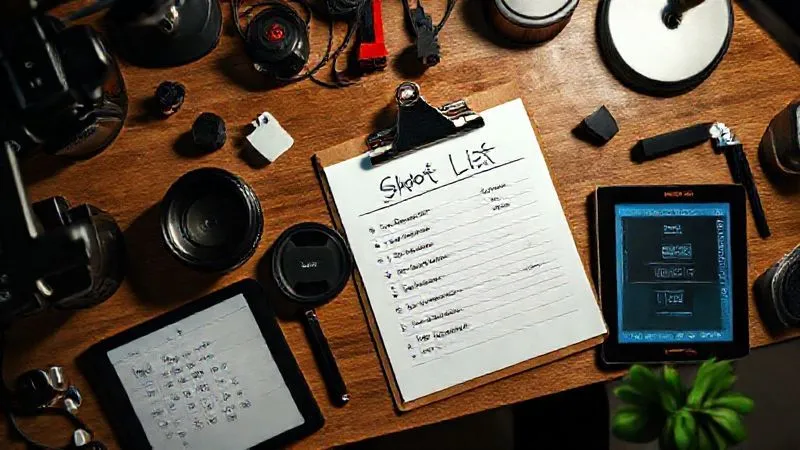
Planning Your Shot List: A Blueprint for Success
Before you even pick up a camera, create a detailed shot list for each product. This comprehensive plan ensures you capture every necessary image and maintain consistency across your entire inventory. Your shot list should include:
- Angles: Front, back, sides, top, bottom, and any unique perspectives.
- Detail Shots: Specific features, textures, branding elements, or intricate craftsmanship.
- Contextual/Lifestyle Shots: Product in use, with relevant props, or featuring models.
- Scale Shots: With a ruler, a hand, or a common, recognizable object for size comparison.
- Variations: Different colors, sizes, configurations, or bundled options if applicable.
- Required File Types & Sizes: Specifications for web, social media, advertising, and print.
Investing in the Right Equipment (or Outsourcing Wisely)
While you don't need a five-figure setup to start, investing in decent equipment (a good DSLR/mirrorless camera, a macro lens for details, proper lighting equipment like softboxes) pays significant dividends in image quality and consistency. However, for many small businesses, outsourcing to a professional product photographer is a more cost-effective and quality-assured solution. Weigh the costs and benefits carefully to make an informed decision:
| Aspect | DIY Photography | Professional Outsourcing |
|---|---|---|
| Initial Investment | Moderate to High (Camera body, Lenses, Lighting kit, Software) | Low (No equipment purchase needed) |
| Expertise & Quality | Requires significant learning curve, variable quality based on skill | High, consistent, industry-standard quality and technical precision |
| Time Commitment | High (shooting, editing, learning, setup/teardown) | Low (briefing, reviewing proofs, minimal hands-on time) |
| Cost per Product | Low (after initial investment, mainly time) | Variable (per image/per product/per hour, can be higher initially) |
| Scalability | Limited by internal resources and capacity | Highly scalable with external partners, handling large volumes |
Ultimately, the goal is to produce images that convert. If your budget or time constraints mean you can't achieve professional-level results in-house, outsourcing is a wise investment that can quickly pay for itself through increased sales. The ROI on high-quality product photography can be substantial, as highlighted in this insightful article on Forbes, demonstrating its direct impact on your bottom line.
Frequently Asked Questions (FAQ)
Q: How many product photos should I include for each item? A: As a general rule, aim for a minimum of 5-7 high-quality images per product. This should ideally include a main hero shot, various angles (front, back, sides), at least one crucial detail shot, a clear scale shot, and a compelling lifestyle or contextual shot. For apparel, complex electronics, or items with many features, even more angles and model shots are highly beneficial. The goal is to provide enough visual information for a customer to feel completely confident in their purchase without needing to ask further questions.
Q: Should I use models in my product photos? A: For products worn (clothing, jewelry, accessories), or products that are used by people (furniture, tech gadgets, home decor items), models are highly recommended. They provide invaluable context, accurately demonstrate scale, and allow potential customers to envision themselves using or interacting with the product, significantly boosting relatability and appeal. For other products, well-chosen props can effectively serve a similar purpose in creating engaging contextual shots.
Q: Is it okay to use a smartphone for product photography? A: Modern smartphones have impressive cameras, and for very small businesses, initial product launches, or basic social media content, they can be a viable starting point, especially with good natural light and a tripod. However, to achieve truly professional, conversion-driving results consistently, a dedicated DSLR or mirrorless camera with appropriate lenses and studio lighting equipment will offer superior control, image quality, and consistency, which are crucial for high-stakes e-commerce. If using a smartphone, ensure excellent, consistent lighting, a stable tripod, a clean background, and always edit your photos professionally.
Q: What's the biggest mistake e-commerce sellers make with product photos? A: In my experience, the single biggest mistake is underestimating the power of visual storytelling and focusing solely on "showing" the product rather than "selling" the experience. Many simply place a product on a white background and call it a day, failing to convey its benefits, scale, emotional connection, or how it integrates into a customer's life. This lack of narrative and emotional resonance leads directly to low conversion rates, which prompts the perennial question: Why are my e-commerce product photos not converting to sales? The answer often lies in this fundamental oversight.
Q: How important is image file size for SEO? A: Extremely important! Large, unoptimized image files significantly slow down your website, which negatively impacts user experience and is a direct ranking factor for search engines like Google. Slow load times lead to higher bounce rates, frustrating potential customers and signaling to search engines that your site isn't user-friendly. Optimized images (compressed, correct dimensions, appropriate format like WebP or JPEG) lead to dramatically faster load times, lower bounce rates, and ultimately, better SEO performance. This, in turn, helps more potential customers find your product pages, giving your great photos a crucial chance to convert.
Key Takeaways and Final Thoughts
Addressing the question of "Why are my e-commerce product photos not converting to sales?" requires a holistic approach that goes far beyond simply pointing a camera at your product. It demands an understanding of consumer psychology, technical precision, compelling storytelling prowess, and continuous optimization based on data. By now, you should have a clear roadmap to diagnose and rectify the issues plaguing your visual strategy, transforming your product listings into powerful sales engines.
- Prioritize Professionalism: Invest in proper lighting, sharp focus, accurate color, and consistent technical execution.
- Tell a Story: Utilize contextual, lifestyle, and detail shots to convey the product's value, utility, and emotional appeal.
- Ensure Consistency: Maintain a cohesive visual brand identity across all your product listings to build trust and professionalism.
- Optimize for Mobile: Guarantee fast loading speeds and crystal-clear images on all devices, especially smartphones, where most shopping occurs.
- Leverage Social Proof: Integrate user-generated content and visual reviews to build authenticity and enhance buyer confidence.
- Test and Iterate: Employ A/B testing and data analysis to continuously understand what visuals truly resonate with your audience and drive conversions.
Your product photos are your most powerful sales tool in the digital realm. They are the silent ambassadors of your brand, capable of forging an instant connection or driving a customer away. By implementing the comprehensive strategies outlined in this guide, you won't just be taking pictures; you'll be crafting compelling visual narratives that convert browsers into enthusiastic buyers, transforming your e-commerce presence and unlocking its full sales potential. Start applying these insights today, and watch your conversions climb, building a more robust and profitable online business.
Recommended Reading
- How to Effectively Communicate Vision to a Disengaged Team? 7 Steps
- Smart Funding: 7 Ways to Avoid Excessive Equity Dilution in Early Rounds
- 5 Steps: Implement Strategic Thinking Despite Daily Overwhelm?
- Uncover Why Profits Dive: 7 Data Steps to Root Cause Analysis
- 7 Proven Strategies: Hedging Global Payroll Against Currency Drops






Comments
Leave a comment below. Your email will not be published. Required fields marked with *