


Why isn't my small business plan securing bank loan approval?
For over two decades in the small business finance world, I've seen countless entrepreneurs pour their heart and soul into a business plan, only to face the crushing disappointment of a bank loan rejection. It's a frustrating, often bewildering experience that can leave you questioning your vision and capabilities.
Many business owners assume their innovative idea or passionate pitch is enough. However, banks operate on a different wavelength, driven by data, risk assessment, and a clear path to repayment. The gap between your entrepreneurial dream and the bank's stringent criteria is often where the disconnect lies.
In this definitive guide, I'll pull back the curtain on the most common, yet avoidable, reasons why your small business plan isn't securing bank loan approval. We’ll dive into actionable frameworks, real-world insights, and expert advice to help you transform your plan into a compelling, bank-ready document that speaks the language of lenders.
The Foundation Cracks: Your Executive Summary's Fatal Flaws
Think of your executive summary as your business plan's elevator pitch to a highly skeptical banker. It’s the first, and sometimes only, part they’ll read in detail. If it doesn't immediately grab their attention and convey confidence, the rest of your meticulously crafted plan might never see the light of day.
In my experience, a weak executive summary is a primary culprit for loan application failures. It often lacks clarity, conciseness, or fails to address the bank's core questions right upfront. You have a very limited window to make a powerful impression.
Clarity and Conciseness are Non-Negotiable
Many entrepreneurs get bogged down in jargon or provide too much detail too soon. Your executive summary should be a standalone document, typically no more than one to two pages. It must succinctly summarize every key aspect of your business: your mission, products/services, target market, management team, financial highlights, and, crucially, your funding request.
Actionable Step: Distill your entire business into its most potent elements. Can someone understand your business, its potential, and its financial needs within five minutes of reading? If not, it's too long or too vague. Focus on impact statements rather than lengthy descriptions.
The 'Why' and The 'What' Must Shine
Lenders want to quickly understand why your business will succeed and what problem it solves. They're looking for a compelling narrative that demonstrates market opportunity and your unique value proposition. Avoid generic statements; be specific about your niche and competitive advantage.
"Your executive summary isn't just an overview; it's a promise. A promise of viability, profitability, and a clear repayment strategy."
Case Study: The 'Generic Coffee Shop' Dilemma
I once advised a client, let's call her Sarah, who wanted to open a coffee shop. Her initial executive summary was bland: "We will sell coffee and pastries in a friendly environment." Unsurprisingly, her loan application was rejected. After reviewing her plan, I helped her refine it. We emphasized her unique angle: a "community hub" concept, focusing on locally sourced ingredients, evening poetry readings, and a loyalty program tied to local charities. Her revised summary highlighted her deep understanding of the local demographic's desire for connection and ethical consumption. With this targeted narrative, her next application secured approval, proving that specificity sells.

Financial Projections: Beyond Wishful Thinking
This is often the most significant hurdle. Banks lend money to businesses they believe can generate enough revenue to repay the loan with interest. Your financial projections aren't just numbers; they tell the story of your business's future profitability and cash flow. Inaccurate, inconsistent, or overly optimistic projections are almost guaranteed to lead to a 'no'.
Lenders are looking for realism, conservative estimates, and a clear understanding of your underlying assumptions. They want to see that you've done your homework, not just pulled numbers out of thin air. This is where many small business plans fall short, leaving lenders with more questions than answers.
Realistic Revenue and Expense Forecasting
Entrepreneurs often overestimate sales and underestimate expenses. Banks scrutinize these figures. They want to see projections for at least three to five years, including detailed profit and loss statements, cash flow statements, and balance sheets. Your assumptions must be clearly stated and defensible, backed by market research, industry benchmarks, or your own historical data if available.
Actionable Step: Be conservative. It's better to under-promise and over-deliver. Justify every revenue stream and expense line item. For example, if you project significant growth, explain the marketing strategies and operational capacity that will support it.
Cash Flow is King: Understanding Liquidity
Profitability is important, but cash flow is paramount. A business can be profitable on paper but still run out of cash if receivables are slow or inventory sits too long. Banks need assurance that you'll have sufficient cash on hand to cover your operating expenses and, critically, your loan repayments.
"Banks don't lend on ideas alone; they lend on the proven ability to generate and manage cash flow reliably."
Debt Service Coverage Ratio (DSCR)
Lenders will calculate your Debt Service Coverage Ratio (DSCR), which measures your business's ability to cover its debt payments. A healthy DSCR (typically 1.25 or higher) indicates you have ample cash flow to meet your obligations. If your projections don't support a strong DSCR, your chances of approval are slim. According to the U.S. Small Business Administration (SBA), understanding your DSCR is a critical component of loan readiness.
| Financial Metric | Optimistic Estimate | Realistic Estimate |
|---|---|---|
| Projected Revenue (Year 1) | $500,000 | $350,000 |
| Cost of Goods Sold (Year 1) | $150,000 | $180,000 |
| Operating Expenses (Year 1) | $100,000 | $120,000 |
| Net Profit Margin | 50% | 14% |
| DSCR (Projected) | 2.5x | 1.1x (Potentially too low) |
Market Analysis: Proving Your Viability
A brilliant product or service is only as good as the market that demands it. Banks want to see concrete evidence that a substantial, accessible market exists for what you're offering. A superficial or poorly researched market analysis is a red flag, indicating you haven't fully understood your business's external environment.
Without a robust market analysis, your financial projections become speculative, and your entire business model appears to be built on hope rather than data. Lenders need to be convinced that your business has a clear path to attracting and retaining customers.
Deep Dive into Your Niche and Target Customer
It’s not enough to say, "everyone needs our product." You must identify your specific target market segments, understand their demographics, psychographics, needs, and buying habits. Provide data-backed evidence of market size, growth trends, and your projected market share. Show how you've validated this demand, perhaps through surveys, pilot programs, or pre-sales.
Actionable Step: Use reliable sources for your market data, such as industry reports, government statistics, and reputable research firms. Don't just present numbers; interpret them and explain how they translate into opportunity for your business.
Competitive Edge and Barriers to Entry
Banks want to know how you'll compete and why customers will choose you over existing options. A thorough competitive analysis is essential. Identify your direct and indirect competitors, analyze their strengths and weaknesses, and articulate your sustainable competitive advantage. Is it price, quality, unique features, customer service, or a proprietary technology?
Furthermore, address any barriers to entry you might face and how you plan to overcome them. This demonstrates foresight and strategic thinking. As marketing guru Seth Godin often emphasizes, differentiation is key to standing out in a crowded market.
Management Team: The People Behind the Plan
Banks don't just lend to businesses; they lend to the people running them. A compelling business plan can be undermined if the management team section doesn't inspire confidence. Lenders assess the experience, expertise, and commitment of the individuals who will be responsible for executing the plan and repaying the loan.
If your team lacks relevant experience, has significant gaps in critical areas, or if roles aren't clearly defined, it raises questions about the business's ability to navigate challenges and achieve its objectives. This is a common oversight for many startups and small businesses.
Experience and Expertise Matter
Highlight the relevant experience, skills, and accomplishments of each key team member. Focus on how their backgrounds directly contribute to the success of the business. Include their roles, responsibilities, and past successes, especially those related to financial management, sales, operations, and industry-specific knowledge.
Actionable Step: Create concise bios that emphasize relevant achievements and demonstrate a clear understanding of each person's contribution. If there are skill gaps, explain how you plan to address them through advisors, consultants, or future hires.
Succession Planning and Advisory Boards
While often overlooked in small business plans, lenders appreciate evidence of foresight. Briefly mentioning succession planning, even if informal, or the presence of an advisory board with seasoned professionals, adds another layer of credibility. It shows that you're thinking long-term and are open to external guidance.

Operations & Execution: More Than Just Ideas
Your business plan might have a fantastic idea and solid financials, but if you can't clearly articulate *how* you'll deliver, banks will be hesitant. The operations section details how your business will function on a day-to-day basis, from production and service delivery to customer support and supply chain management. A vague or incomplete operational plan suggests a lack of practical understanding.
Lenders need assurance that you've thought through the practicalities of running your business and that you have a viable strategy for efficient and effective execution. This demonstrates your ability to translate strategy into tangible results.
Scalability and Efficiency
Describe your operational processes, equipment, facilities, and technology. How will you produce your product or deliver your service? How will you manage inventory, quality control, and customer service? Banks are looking for efficiency and the potential for scalability – how can your operations grow as your business expands without disproportionately increasing costs?
Actionable Step: Map out your core processes step-by-step. Identify key suppliers and partners. Discuss your technology stack and how it supports your operations. Show how you've optimized for cost-effectiveness and quality.
Risk Mitigation Strategies
No business is without risk. Lenders expect you to identify potential operational challenges (e.g., supply chain disruptions, equipment failure, staffing issues) and outline your strategies to mitigate them. This demonstrates a realistic and proactive approach to management, building trust with the bank.
"A well-thought-out operations plan isn't just about what you'll do, but how you'll adapt when things inevitably don't go exactly as planned."
The 'Ask' & Collateral: Clarity in Your Request
It sounds obvious, but a surprising number of small business plans fail because the funding request itself is unclear or not well-justified. Banks need to know exactly how much money you need, what it will be used for, and how it contributes to your business's ability to generate revenue and repay the loan. Vague requests or a lack of understanding about collateral are immediate red flags.
This section is your opportunity to demonstrate financial literacy and a clear, strategic purpose for the loan. Lenders are looking for precision and a direct correlation between the funds requested and the business's growth or stability.
Specific Loan Request and Use of Funds
State the exact amount of funding you are seeking. Then, provide a detailed breakdown of how those funds will be allocated. For example, specify amounts for equipment purchases, working capital, marketing, inventory, or facility improvements. Each allocation should be justified by your business plan and financial projections.
Actionable Step: Create a clear table or list detailing the loan amount, its specific uses, and the expected impact of each use on your business's financial performance. Show how the loan will generate a return that enables repayment.
Understanding Collateral
Banks mitigate risk by requiring collateral – assets that can be seized if you default on the loan. This could include real estate, equipment, inventory, accounts receivable, or even personal assets. Your business plan should demonstrate an understanding of what collateral you can offer and how it aligns with the bank's requirements.
If you don't have significant collateral, explore options like SBA-backed loans, which can reduce the risk for lenders. According to a Forbes Advisor article, understanding SBA loan requirements can significantly improve your chances if collateral is an issue.
| Loan Category | Amount Requested | Justification | Proposed Collateral |
|---|---|---|---|
| Equipment Purchase | $75,000 | New production line, increasing output by 30% | New equipment, existing machinery |
| Working Capital | $50,000 | Covering 3 months of operational expenses during growth phase | Accounts receivable, inventory |
| Marketing & Advertising | $25,000 | Launch of new product line, expected 15% revenue increase | General business assets |
Creditworthiness & Personal Guarantees: The Unspoken Factors
Even the most perfectly crafted business plan can be derailed by issues related to creditworthiness, both business and personal. For small businesses, especially startups, the line between personal and business finances can be blurry, and banks will scrutinize both. Ignoring these factors is a common reason why your small business plan isn't securing bank loan approval.
Lenders view your credit history as a strong indicator of your reliability and ability to manage debt. They need to trust that you, as the business owner, are a responsible borrower.
Business Credit Score and History
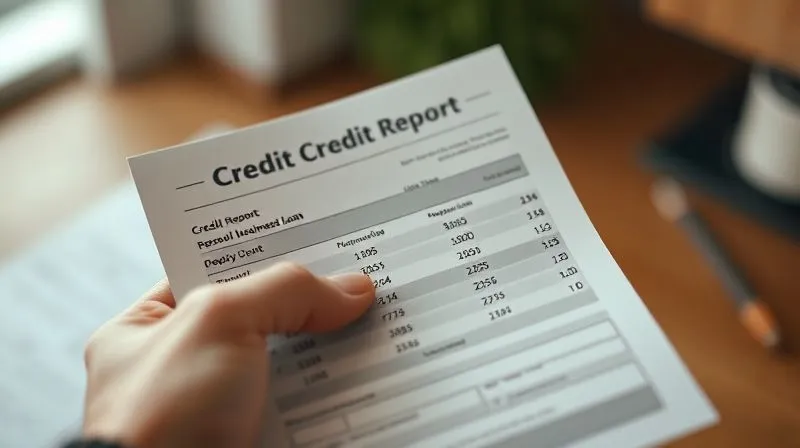
If your business has been operating for a while, its credit score (from agencies like Dun & Bradstreet, Experian Business, or Equifax Business) will be a key factor. A strong business credit history, built by paying suppliers and creditors on time, is crucial. If your business is new, this history will be limited, making personal credit even more important.
Actionable Step: Regularly monitor your business credit report for accuracy. Take steps to build business credit early by establishing trade lines with suppliers and paying promptly.
Personal Credit and Guarantees
For most small business loans, especially for newer ventures, banks will require a personal guarantee. This means you, as the owner, are personally responsible for repaying the loan if the business defaults. Your personal credit score (FICO, VantageScore) will be heavily weighed. A poor personal credit history can be a deal-breaker, regardless of your business plan's merits.
"Your personal credit score is often the bank's first glimpse into your financial discipline, even before they dive deep into your business projections."
Ensure your personal credit is in good standing before applying for a loan. Pay down personal debt, resolve any outstanding issues, and avoid opening new credit lines. A study by Harvard Business Review often highlights how personal financial health is intrinsically linked to small business success and funding opportunities.
Beyond the Plan: Building a Relationship with Your Lender
While the business plan is central, your approach to the lending relationship itself can significantly impact your approval chances. Many entrepreneurs treat the loan application process as a transactional hurdle, rather than an opportunity to build trust and demonstrate their professionalism. This can be a subtle yet powerful reason why your small business plan isn't securing bank loan approval.
Banks are looking for reliable partners. Your demeanor, responsiveness, and willingness to engage openly can tip the scales in your favor, especially when the decision is borderline.
Pre-Application Engagement
Don't just walk in with a completed application. Schedule a preliminary meeting with a small business loan officer. Discuss your business idea, your funding needs, and get their initial feedback. This allows you to tailor your plan to their specific requirements and build rapport before the formal submission.
Actionable Step: Research local banks and credit unions that have a strong track record of supporting small businesses. Develop a relationship with a loan officer who understands your industry and business model.
Responsiveness and Professionalism
Once you've submitted your application, be prepared for questions and requests for additional information. Respond promptly, thoroughly, and professionally. Any delays or incomplete answers can suggest disorganization or a lack of commitment, eroding the bank's confidence in you and your business.
Present yourself and your business professionally in all interactions. This includes your communication, appearance, and the overall presentation of your documents. This seemingly small detail can leave a lasting positive impression.
Frequently Asked Questions (FAQ)
How long should my business plan be? While there's no strict rule, a comprehensive business plan for a loan application typically ranges from 20 to 40 pages, not including appendices. The executive summary, however, should be a concise 1-2 pages. Focus on quality and conciseness, not just length. A well-structured, data-rich 20-page plan is far more effective than a rambling 50-page document.
Can I get a small business loan with bad personal credit? It's significantly more challenging. Most traditional lenders will heavily weigh your personal credit score, especially for startups or smaller loan amounts. Options might include microloans, community development financial institutions (CDFIs), or seeking a co-signer. However, addressing your personal credit issues should be a priority for long-term business success.
What if I don't have significant collateral? Lack of collateral is a common hurdle. Consider SBA-guaranteed loans (like the SBA 7(a) loan), which reduce the risk for lenders and can make it easier to get approved even with limited collateral. Other options include asset-backed lending (using accounts receivable or inventory), or exploring lines of credit based on your business's cash flow.
Should I use a business plan template? Templates can be a great starting point, ensuring you cover all necessary sections. However, don't just fill in the blanks. Customize it extensively to reflect your unique business, industry, and strategic vision. Banks can spot generic, templated plans a mile away. Use it as a guide, but make it genuinely yours.
How often should I update my business plan? Your business plan shouldn't be a static document. It's a living guide. I recommend reviewing and updating it at least annually, or whenever there are significant changes in your market, strategy, or financial projections. For loan purposes, ensure it's current and reflects your most recent data and strategic direction.
Key Takeaways and Final Thoughts
- Clarity is Paramount: Your executive summary must be a compelling, concise overview that instantly communicates value and viability.
- Financial Realism: Back your projections with defensible assumptions and demonstrate strong cash flow and debt service coverage.
- Market Validation: Prove there's a substantial, accessible market for your offering with data-backed research.
- Team Strength: Showcase the relevant experience and expertise of your management team.
- Operational Excellence: Detail how your business will function efficiently and sustainably.
- Precise Funding Request: Clearly state your loan amount, its specific uses, and the collateral you can offer.
- Credit Health: Understand that your personal and business credit scores are critical indicators of reliability.
- Build Relationships: Engage with lenders proactively and maintain professional communication.
Securing a bank loan for your small business is not just about having a great idea; it's about presenting that idea in a language that lenders understand and trust. By meticulously addressing these common pitfalls, you can transform your business plan from a hopeful dream into a powerful, bank-ready document. Remember, every 'no' is an opportunity to refine, learn, and strengthen your approach. With persistence, preparation, and a commitment to detail, you absolutely can secure the funding your small business deserves.
Recommended Reading
- 7 Proven Strategies to Productize Your Service Business for Scale
- Solving BI Adoption: 7 Strategies for Large Firms' Success
- Unlock Business Health: Mastering Financial Ratios for Growth & Stability
- Unlock the Secret: How to Reduce Help Desk Agent Burnout Rates Permanently
- How to Rebuild Trust After Major Team Conflict? 7 Proven Steps.





Comments
Leave a comment below. Your email will not be published. Required fields marked with *