


How do consultants prove ROI when business solutions stall?
For over two decades in the business consulting arena, I've witnessed countless organizations embark on ambitious initiatives, investing heavily in transformative solutions. The excitement is palpable at the outset, but then, a familiar pattern often emerges: the solution, for reasons manifold and often complex, begins to stall. Progress slows, anticipated benefits remain elusive, and suddenly, the consultant — that trusted advisor brought in to deliver change — finds themselves in a precarious position.
This isn't merely a minor setback; it's a critical challenge that strikes at the very heart of the consultant-client relationship. When a business solution fails to gain traction, the question inevitably shifts from 'What will this achieve?' to 'What *has* this achieved?' And for consultants, the pressure to prove Return on Investment (ROI) intensifies, even as the path to demonstrating that value becomes obscured by inertia and doubt. It's a tough spot to be in, demanding not just expertise in the solution itself, but also a profound understanding of client psychology, data analytics, and strategic communication.
In this definitive guide, I'll draw upon my extensive experience to provide you with a robust framework. We'll explore actionable strategies, practical tools, and real-world insights designed to help you, as a consultant, confidently navigate these challenging waters. You'll learn how to proactively establish value, meticulously track progress, and compellingly articulate ROI, even when the business solutions you've championed appear to be stuck in neutral. It’s about more than just numbers; it’s about restoring trust and reigniting the path to success.
The Silent Killer: Why Business Solutions Stall and ROI Becomes Elusive
Before we can prove ROI in a stalled situation, we must first understand *why* solutions stall. In my career, I've seen that it's rarely a single catastrophic failure but rather a confluence of factors that chip away at momentum. These 'silent killers' can transform a promising initiative into a lingering liability, making the demonstration of value incredibly difficult.
Common Pitfalls in Implementation
Often, the solution itself isn't flawed; it's the environment it's introduced into, or the execution process, that creates roadblocks. I've frequently encountered scenarios where a lack of genuine stakeholder buy-in, inadequate change management, or a disconnect between the solution's design and the organization's operational realities lead to inertia. Scope creep, insufficient resource allocation, and poor communication are also persistent culprits that can derail even the most well-intentioned projects.
Another significant factor is the 'implementation gap' – the chasm between strategizing a solution and effectively integrating it into daily operations. This gap is often widened by an underestimation of the cultural shift required or a failure to empower frontline employees with the necessary skills and confidence to adopt new processes. Without this crucial human element, even the most technologically advanced or strategically sound solution will struggle to deliver its intended benefits.
The Perception vs. Reality Gap
When a solution stalls, perception can quickly become reality. If key stakeholders perceive a lack of progress or a failure to deliver on initial promises, their confidence erodes, regardless of underlying efforts. This negative perception can then create a self-fulfilling prophecy, making it even harder to re-engage teams and drive adoption. The consultant's challenge here is twofold: to diagnose the actual operational issues *and* to manage the narrative around the project's status.
"The greatest enemy of a good plan is the dream of a perfect plan, and the greatest enemy of a good solution is the expectation of an instant, effortless transformation. Real change requires grit, adaptation, and continuous validation."
I've learned that addressing these underlying causes is paramount. A consultant must act as both an investigator and a diplomat, uncovering the root causes of the stall while simultaneously working to rebuild trust and align expectations across the organization. Only then can a credible path to proving ROI be forged.
Shifting the Paradigm: Proactive ROI Measurement from Day One
The most effective way to prove ROI when a solution stalls is to have established a robust measurement framework *before* any stall occurs. This proactive approach shifts the focus from reactive damage control to continuous value demonstration. It’s about building a foundation of transparency and accountability that can withstand unforeseen challenges.
Establishing Baseline Metrics & Clear KPIs
From the very beginning of an engagement, my first priority is to work with the client to define what success truly looks like. This goes beyond vague aspirations and delves into concrete, measurable outcomes. Without a clear baseline, proving progress – or even identifying a stall – becomes an exercise in guesswork. We need to know where we started to accurately measure how far we’ve come.
- Define Objectives with Precision: Articulate the specific business objectives the solution is designed to achieve. Are we aiming to reduce operational costs, increase customer satisfaction, improve employee retention, or boost sales conversion rates? Each objective must be clearly stated and understood by all stakeholders.
- Identify Baseline Performance: Before any changes are implemented, meticulously capture the current state of relevant metrics. If the goal is to reduce customer churn, what is the current churn rate? If it's to improve process efficiency, what are the current cycle times and error rates? This baseline serves as your essential point of comparison.
- Set SMART Key Performance Indicators (KPIs): Translate objectives into Specific, Measurable, Achievable, Relevant, and Time-bound KPIs. These KPIs should be directly linked to the solution's intended impact and agreed upon by both the consulting team and the client's leadership. For example, 'Reduce average customer service resolution time by 20% within 6 months.'
- Implement Robust Tracking Mechanisms: Establish the tools and processes required to consistently collect and monitor data against your identified KPIs. This might involve integrating with existing CRM or ERP systems, implementing new analytics dashboards, or setting up regular reporting cycles. The data must be reliable and accessible.
I've found that this initial investment in defining and tracking metrics pays dividends, especially when a project hits a snag. It provides objective data points that can diagnose the problem and, crucially, demonstrate any incremental value that *has* been achieved, even if the overall solution isn't yet fully realized.

Deep Dive into Data: Unearthing Hidden Value & Quantifying Impact
When a business solution stalls, the immediate reaction might be to focus on what isn't working. However, a skilled consultant knows that this is precisely the time to dig deeper into the data, not just to identify problems, but to unearth any hidden pockets of value that *have* been created. Sometimes, the ROI isn't where you initially expected it, or it manifests in forms that aren't immediately obvious in the ledger.
Beyond Direct Revenue: Indirect & Intangible ROI
ROI is often narrowly defined as direct financial return. While crucial, this perspective can be limiting, especially for solutions that aim for broader organizational transformation. I always encourage clients to look beyond the immediate P&L statement and consider the wider ripple effects of a solution.
- Operational Efficiency: Even if a system isn't fully implemented, have certain modules or processes already streamlined workflows, reduced manual errors, or freed up employee time? Quantify these time savings and error reductions.
- Employee Engagement & Retention: Has the solution, even partially, improved job satisfaction, reduced frustration, or provided better tools for employees? Lower turnover rates or improved internal survey scores can be powerful indicators of value.
- Customer Satisfaction: Are there early signs of improved customer experience, faster response times, or reduced complaint volumes? These can lead to long-term loyalty and revenue growth.
- Risk Mitigation: Has the solution enhanced compliance, improved data security, or reduced the likelihood of costly errors or legal issues? Quantify the potential cost of avoided risks.
- Knowledge Transfer & Capability Building: Has the process of implementing the solution, even if stalled, upskilled the client's team or improved their understanding of critical business processes? This builds internal capacity for future success.
Leveraging Advanced Analytics for Proof Points
To truly unearth these less obvious forms of ROI, consultants must be adept at leveraging advanced analytics. This involves more than just pulling reports; it's about asking the right questions of the data and employing techniques that can reveal correlations and causal links that might otherwise remain hidden. Predictive analytics, for instance, can model the future impact of current partial successes, while sentiment analysis can gauge shifts in customer or employee perception.
I often guide clients through a process of 'data storytelling,' where we combine quantitative metrics with qualitative insights. This involves identifying micro-improvements, such as a 5% reduction in data entry errors in one department, and then extrapolating its potential impact across the organization. It's about finding the small wins and articulating their larger significance.
| ROI Type | Example Metric | Challenge in Stalled Project | Proof Point Strategy |
|---|---|---|---|
| Direct Financial | Increased Revenue, Cost Savings | Often delayed, hard to isolate | Isolate specific revenue streams or cost centers impacted by partial implementation |
| Operational Efficiency | Reduced Process Time, Error Rate Reduction | May only be evident in small pockets | Quantify time/resource savings in completed modules or pilot programs |
| Customer Experience | Improved CSAT Score, Reduced Churn | Longer lead time for impact, external factors | Analyze early feedback, qualitative testimonials, specific customer journey improvements |
| Employee Productivity/Engagement | Reduced Training Time, Higher Morale | Subjective, hard to link directly | Internal surveys, focus groups, reduced overtime in specific areas |
| Risk Mitigation | Compliance Adherence, Security Incidents Avoided | Difficult to measure 'non-events' | Document improved compliance rates, audit results, comparisons to industry benchmarks |
According to a Harvard Business Review article on data analytics, organizations that effectively harness their data can uncover value in unexpected places, transforming insights into tangible business outcomes. This principle is even more critical when a solution's primary impact isn't immediately apparent.
The Art of Storytelling: Communicating Value When Numbers Aren't Enough
While data provides the backbone of ROI proof, numbers alone rarely sway skeptical stakeholders, especially when a solution has stalled. This is where the art of storytelling comes into play. As consultants, we must become master communicators, capable of weaving compelling narratives that illustrate value, even if the full picture isn't yet complete.
Crafting Compelling Narratives with Qualitative Data
Qualitative data — interviews, testimonials, feedback sessions, observations — offers a human dimension to the numbers. It provides context, explains 'why' things are happening, and paints a vivid picture of the impact. When a solution stalls, these stories can be invaluable in demonstrating the positive changes that *have* occurred, even if they're not reflected in top-line metrics yet.
- Employee Testimonials: Gather quotes from employees who have found specific aspects of the new solution helpful, even if the overall project is delayed. Focus on efficiency gains, improved collaboration, or reduced frustration.
- Customer Feedback: If customers have interacted with any part of the new solution, collect their positive comments. Did a new self-service portal, even in beta, resolve an issue faster for them?
- Managerial Observations: Document instances where managers have observed improvements in team performance, decision-making, or problem-solving due to the new processes or tools.
- Before-and-After Scenarios: Create simple, relatable 'day in the life' stories that contrast the challenges before the solution with the improvements experienced after even partial implementation.
Case Study: How Apex Innovations Revitalized a Stalled CRM Implementation
I once worked with Apex Innovations, a mid-sized tech firm, whose new CRM system had stalled. The technical implementation was behind schedule, and user adoption was abysmal. Leadership was losing faith, and the project was on the brink of cancellation. Financial ROI was nowhere in sight.
Instead of just focusing on the technical fixes, I initiated a series of user interviews and workshops. We discovered that while the full CRM wasn't live, a newly implemented customer ticketing module, part of the broader CRM, *was* being used by a small team. Their feedback was overwhelmingly positive: response times had improved by 15%, and customer satisfaction scores for those interactions had jumped by 10 points. I compiled these qualitative insights, along with the specific metrics from that module, into a compelling presentation. I also highlighted how the new module had reduced the mental load for the support agents, leading to a visible boost in team morale – a key intangible benefit.
By showcasing this 'mini-success story' and quantifying its localized impact, we shifted the narrative from 'CRM failure' to 'partial success with immense potential.' This re-engaged leadership, secured additional resources, and allowed us to recalibrate the implementation strategy. Eventually, the full CRM was successfully rolled out, driven by the momentum of that initial, well-communicated win.
"People forget facts, but they remember stories. When numbers fail to move the needle, a well-crafted narrative that resonates with human experience can unlock understanding and renew commitment."
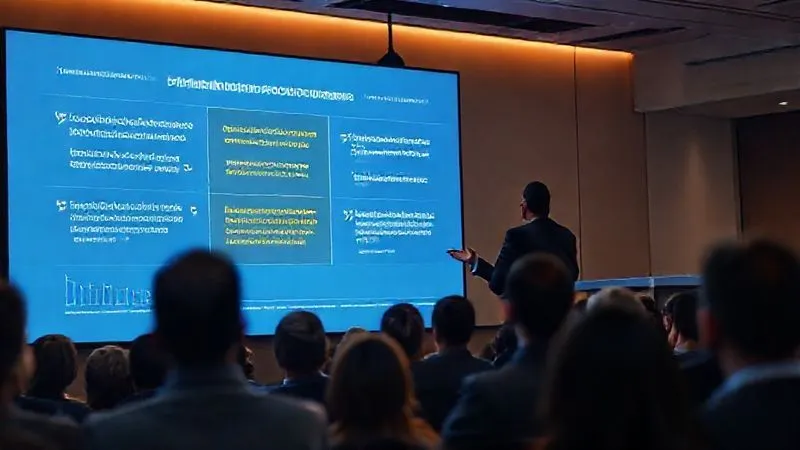
Re-Engaging Stakeholders: Building Consensus & Realigning Expectations
A stalled business solution often reflects a breakdown in stakeholder alignment and communication. When expectations diverge and trust erodes, proving ROI becomes an uphill battle. My experience has shown that actively re-engaging stakeholders is not just about reporting status; it’s about rebuilding bridges and fostering a renewed sense of shared purpose.
Transparent Communication & Regular Check-ins
Ambiguity is the enemy of progress. When a solution stalls, stakeholders need clarity, not obfuscation. I advocate for highly transparent and frequent communication, even if the news isn't always good. This doesn't mean dwelling on failures, but rather presenting an honest assessment of challenges, outlining proposed solutions, and celebrating any small victories.
- Establish a Cadence: Implement regular, structured check-ins (weekly, bi-weekly) with all key stakeholders, from executive sponsors to end-users. Consistency builds trust.
- Focus on Solutions, Not Just Problems: While acknowledging challenges, always pivot to what is being done to address them. Present clear action plans, timelines, and accountability.
- Tailor the Message: Different stakeholders require different levels of detail and focus. Executives need high-level impact and strategic alignment, while operational managers need specifics on process improvements and team support.
- Actively Solicit Feedback: Create forums for stakeholders to voice concerns and contribute ideas. This fosters a sense of ownership and can uncover insights that help unblock the solution.
Scenario Planning & Risk Mitigation Strategies
When a solution is stalled, it’s crucial to move beyond simply reacting to problems. Proactive scenario planning allows consultants to anticipate potential future roadblocks and develop contingency plans. This demonstrates foresight and a commitment to seeing the project through, even in adverse circumstances.
I often facilitate workshops where we collaboratively identify potential risks (e.g., further technical delays, budget cuts, key personnel changes) and brainstorm mitigation strategies. This shared understanding of potential pitfalls and the agreed-upon responses can significantly reduce panic and improve decision-making should those risks materialize. It transforms uncertainty into managed risk, providing a clearer path to eventual ROI.
Effective stakeholder engagement is foundational to any successful project, and even more so when facing a stall. As detailed by McKinsey & Company's insights on leading transformations, sustained leadership attention and clear communication are critical in steering complex initiatives through turbulent waters.
Agile Adaptation: Pivoting Strategies to Unblock Stalled Solutions
In today's dynamic business environment, rigidity is a recipe for failure. When a business solution stalls, clinging to the original plan without critical evaluation can be detrimental. My experience has taught me the immense value of agile adaptation – the ability to pivot, iterate, and adjust strategies in response to real-time feedback and emerging challenges.
Iterative Approaches & Feedback Loops
Applying agile principles, even to traditionally waterfall projects, can be a game-changer when a solution hits a wall. Instead of striving for a perfect, monolithic rollout, consider breaking down the stalled solution into smaller, manageable iterations. Each iteration should aim to deliver a piece of demonstrable value, however small, and be followed by a rapid feedback loop.
This iterative process allows for continuous learning and adjustment. If a particular feature isn't working, or a process is causing friction, it can be refined or even removed in the next iteration without derailing the entire project. This approach not only helps unblock the solution but also provides more frequent opportunities to demonstrate incremental ROI, keeping stakeholders engaged and confident.
- Identify Minimum Viable Functionality (MVF): What is the smallest set of features or processes that can deliver tangible value? Focus efforts on getting this MVF operational.
- Implement & Test: Roll out the MVF to a pilot group or a specific department. Collect detailed feedback on usability, efficiency, and impact.
- Analyze & Adapt: Based on the feedback and data, make necessary adjustments. Is the training inadequate? Is a process too cumbersome? Iterate on the solution.
- Communicate Wins: Each successful iteration, no matter how minor, provides an opportunity to demonstrate progress and reinforce the solution's potential ROI.
When to Call for a Strategic Reset
While adaptation is crucial, there's also a point where a complete strategic reset might be necessary. I've been in situations where the initial premise of a solution, or the market conditions it was designed to address, had fundamentally changed. In these cases, continuing on the original path is akin to throwing good money after bad.
Calling for a strategic reset requires courage and a clear-eyed assessment of the situation. It involves:
- Objective Re-evaluation: Revisit the original business objectives. Are they still relevant? Are the market conditions the same?
- Root Cause Analysis: Conduct a thorough analysis of why the solution stalled, going beyond surface-level issues to uncover systemic problems.
- Feasibility Assessment: Determine if the original solution, even with adaptations, is still the most viable path to achieving the revised objectives.
- New Path Forward: Develop a revised strategy, which might involve significantly altering the solution's scope, technology, or even abandoning it in favor of a completely different approach.
The ability to adapt, and even to reset, is a testament to a consultant's true value. It demonstrates not just technical expertise, but also strategic acumen and a deep commitment to the client's ultimate success, regardless of initial missteps.
| Aspect | Traditional (Stalled Project) | Agile Adaptation (Consultant's Strategy) |
|---|---|---|
| Approach to Stalls | Problem-fix (reactive), rigid adherence to original plan | Iterative problem-solving (proactive), flexible adjustment to plan |
| Value Demonstration | Delayed, often only at full project completion | Frequent, incremental, small-scale wins and partial ROI |
| Stakeholder Engagement | Sporadic, often focused on issues and delays | Continuous, collaborative, focused on progress and learning |
| Risk Management | Often a formal, upfront exercise; less dynamic | Ongoing identification and mitigation, quick pivots |
| Time to Course Correction | Slow, difficult, high cost of change | Fast, integrated, lower cost of change |
Long-Term Value: Ensuring Sustained ROI Post-Engagement
My philosophy has always been that a consultant's true measure of success isn't just in fixing an immediate problem or implementing a solution, but in ensuring that the client can sustain and grow that value long after the engagement ends. When a business solution stalls, the focus must shift not only to unblocking it but also to embedding the capabilities within the client organization to prevent future stalls and continuously realize ROI.
Knowledge Transfer & Capability Building
A common reason for solutions stalling, or for their ROI to diminish post-consulting, is a lack of internal capability. The client team might not fully understand how to operate, maintain, or evolve the new solution. As consultants, our role extends beyond delivery; it encompasses empowerment. We must transfer our knowledge and build robust internal capabilities.
- Structured Training Programs: Develop and deliver comprehensive training for end-users, system administrators, and management. This should cover not just 'how to use' but 'why it matters.'
- Documentation & Playbooks: Create clear, accessible documentation, including user manuals, troubleshooting guides, and process playbooks. These resources serve as an enduring knowledge base.
- Mentorship & Coaching: Provide one-on-one or small-group coaching to key client personnel, helping them internalize new processes and problem-solving approaches.
- "Train the Trainer" Models: Empower internal champions to become experts who can then train and support their colleagues, creating a sustainable learning ecosystem.
By investing in these areas, we ensure that the client is not dependent on the consultant for ongoing success, but rather equipped to drive their own continuous improvement and realize long-term ROI.
Establishing Monitoring Frameworks
Sustained ROI doesn't happen by accident; it requires continuous vigilance. Before concluding an engagement, especially one that faced a stall, I always work with clients to establish robust monitoring frameworks. These frameworks ensure that the benefits realized from the solution continue to be tracked, measured, and optimized over time.
This often involves setting up automated dashboards, defining review cycles for KPIs, and establishing clear ownership for ongoing data analysis and reporting. The goal is to create a self-sustaining system where the client can independently identify emerging issues, measure ongoing impact, and make informed decisions to maximize the solution's value. It’s about building a legacy of data-driven decision-making.

As articulated by Forbes Coaches Council on knowledge transfer, the effectiveness of a consulting engagement is significantly amplified when clients are empowered to continue the work independently, solidifying long-term value and preventing regression.
Frequently Asked Questions (FAQ)
Q: How do you measure ROI when the solution's benefits are primarily intangible, like improved morale or brand perception? A: While direct financial metrics are challenging for intangibles, you can use proxy metrics and qualitative data. For morale, track employee turnover rates, absenteeism, internal survey scores (e.g., eNPS), and conduct focus groups. For brand perception, monitor social media sentiment, media mentions, brand recall surveys, and website traffic/engagement metrics. Combine these with anecdotal evidence and 'before-and-after' stories to build a compelling narrative of value.
Q: What if the client refuses to share sensitive data needed for ROI measurement? A: This is a common hurdle. First, reinforce the mutual benefit of data transparency for accurate ROI proof. Offer to sign strict NDAs or data privacy agreements. If direct data sharing is impossible, explore anonymized or aggregated data sets. Alternatively, suggest using benchmark data from similar industries or internal proxy metrics that the client is comfortable sharing. Sometimes, a phased approach, starting with less sensitive data, can build trust over time.
Q: Is it always possible to prove ROI, even for highly complex, long-term initiatives with many variables? A: While it's not always possible to isolate a single, direct financial ROI for every complex initiative, it is almost always possible to demonstrate 'value contribution.' This involves breaking down the initiative into smaller components, identifying intermediate outcomes, and measuring their impact. Even if you can't quantify a direct dollar return, you can show how the initiative contributes to strategic objectives like market leadership, risk reduction, or future innovation, which have inherent long-term value.
Q: How do I handle client skepticism when a solution isn't performing as expected, and they doubt the ROI? A: Address skepticism head-on with transparency and data. Acknowledge their concerns without defensiveness. Present the actual performance data (good and bad), explain the root causes of the underperformance, and outline the revised action plan. Focus on the 'why' and the 'what next.' Re-engage them in problem-solving. Show them the partial successes and the path to full realization, emphasizing the long-term vision and commitment.
Q: What's the biggest mistake consultants make when trying to prove ROI for a stalled solution? A: The biggest mistake I've observed is waiting too long to address the stall and then attempting to 'force' a positive ROI narrative without genuine evidence. This erodes trust. Consultants must be proactive, transparent, and willing to adapt. Trying to hide problems or overstate minor wins will backfire. Instead, focus on honest diagnosis, incremental value demonstration, and collaborative problem-solving to rebuild momentum and credibility.
Key Takeaways and Final Thoughts
- Proactive Measurement is Paramount: Establish clear baselines, KPIs, and tracking mechanisms from day one to measure progress continuously.
- Look Beyond Direct Financials: Unearth indirect and intangible ROI in areas like operational efficiency, employee engagement, and risk mitigation.
- Master the Art of Storytelling: Combine quantitative data with compelling qualitative narratives to illustrate value and impact.
- Re-engage & Realign Stakeholders: Foster transparency, clear communication, and collaborative problem-solving to rebuild trust and consensus.
- Embrace Agile Adaptation: Be willing to pivot strategies, iterate on solutions, and even call for a strategic reset when necessary.
- Empower for Long-Term Value: Focus on knowledge transfer and capability building to ensure sustained ROI beyond your engagement.
The journey of a business solution is rarely linear, and stalls are an inevitable part of complex transformations. For consultants, these moments are not just challenges; they are profound opportunities to demonstrate true expertise, resilience, and unwavering commitment to client success. By embracing these strategies – by being meticulous with data, empathetic in communication, and agile in approach – you can not only prove ROI when solutions stall but also solidify your reputation as an indispensable, trusted advisor. Your value as a consultant isn't just in initiating change, but in guiding it through every twist and turn, ensuring that the promise of transformation is ultimately fulfilled.
Recommended Reading
- 7 Proven Steps to Slash International E-commerce Fraud & Chargebacks
- How to Consistently Generate 50+ High-Quality B2B Leads Monthly (No Ads)
- 7 Steps to Tame Scope Creep: What to Do When Project Scope Expands
- 5 Critical Steps: Unmasking the Root Cause of Failing Business Solutions
- Innovation Strategy Not Delivering ROI? 7 Steps to Recalibrate





Comments
Leave a comment below. Your email will not be published. Required fields marked with *