


How Small Businesses Can Compete on Value, Not Just Lowest Price?
For over 18 years in the small business landscape, I've witnessed a recurring, often fatal, mistake: the relentless pursuit of being the 'cheapest option.' It's a race to the bottom, a destructive cycle where margins shrink, quality erodes, and passion wanes. Many entrepreneurs believe that slashing prices is the only way to attract customers, especially when up against larger competitors with deeper pockets.
This mindset, while seemingly intuitive, traps small businesses in a reactive, unsustainable model. You're not just fighting for market share; you're fighting for survival on increasingly thin ice. The real pain point isn't just low sales; it's the erosion of your brand, the devaluation of your hard work, and the constant stress of undercutting your own worth. It leaves you feeling undervalued, overworked, and ultimately, unable to invest in the very things that would make you truly competitive.
But what if I told you there's a different path? A more sustainable, profitable, and fulfilling way to thrive? In this definitive guide, I'll share my proven framework for how small businesses can compete on value, not just lowest price. We'll explore actionable strategies, real-world examples, and expert insights to help you build a business that not only survives but truly stands out and commands premium pricing.
Understanding the Illusion of the 'Lowest Price' Advantage
The allure of the lowest price is a powerful one, both for consumers and, unfortunately, for many small business owners. It feels like the simplest lever to pull when sales are slow or competition is fierce. However, this strategy is inherently flawed for small businesses because it fundamentally misunderstands the core dynamics of sustainable growth.
When you compete solely on price, you're entering a battle you're almost guaranteed to lose against larger enterprises that benefit from economies of scale, massive purchasing power, and extensive distribution networks. They can afford to take smaller margins, or even losses, to dominate a market. For a small business, such a strategy quickly leads to unsustainable operations, compromised quality, and a diminished brand perception.
"Price is what you pay. Value is what you get." - Warren Buffett. This timeless wisdom underscores that customers, especially those you truly want, are rarely seeking the cheapest option. They are seeking the best solution to their problem, which often transcends mere cost.
The Psychology of Perceived Value
Customers don't always make rational decisions based purely on price. Their purchasing behavior is heavily influenced by perceived value, which is a complex interplay of quality, brand reputation, customer service, convenience, and emotional connection. A higher price can sometimes even *enhance* perceived value, signaling exclusivity, superior quality, or a premium experience. Think about luxury brands; their prices aren't low, yet demand remains high because they've mastered the art of communicating immense value.
Your challenge, then, is not to lower your price, but to elevate your perceived value. This means shifting the conversation from 'how much does it cost?' to 'what problem does it solve and what benefits does it deliver?' It's about demonstrating that your offering, while potentially costing more upfront, provides a superior long-term return, whether that's through greater efficiency, enhanced satisfaction, or a more profound emotional connection.
Step 1: Deeply Know Your Ideal Customer & Their True Needs
Before you can articulate value, you must understand to whom you are articulating it. This means moving beyond generic demographics and delving into the psychographics, behaviors, and deepest pain points of your ideal customer. I've seen countless businesses flounder because they try to be everything to everyone, which ultimately makes them nothing special to anyone.
Your ideal customer isn't just a buyer; they're an individual with specific aspirations, frustrations, and unmet needs that your product or service is uniquely positioned to address. When you understand these nuances, you can tailor your messaging, your offerings, and your entire customer experience to resonate deeply, making price a secondary concern.
Actionable Steps: Creating Detailed Customer Personas
- Conduct In-Depth Interviews: Don't just survey; have conversations. Ask open-ended questions about their daily challenges, their goals, what they value most, and what frustrates them about existing solutions.
- Analyze Existing Customer Data: Look at your current best customers. What do they have in common? How did they find you? What services or products do they use most?
- Observe Online Behavior: Where do they hang out online? What forums do they frequent? What questions do they ask? This provides invaluable insight into their true needs and language.
- Identify Pain Points & Aspirations: List out their biggest challenges. Then, list their biggest desires and goals. Your value proposition will bridge this gap.
- Develop a Persona Profile: Give your ideal customer a name, age, occupation, and even a personality. Describe their motivations, their 'day in the life,' and their decision-making process.
This deep dive allows you to speak directly to their desires, making your solution feel tailor-made and indispensable. According to a study by Forbes, customer-centric companies are 60% more profitable than companies that aren't. This focus starts with knowing your customer inside and out.
| Persona Element | Description/Example |
|---|---|
| Name | Sarah, The Savvy Solopreneur |
| Demographics | 35-45, Female, Small Business Owner, Urban |
| Goals | Grow business, achieve work-life balance, innovate |
| Pain Points | Time scarcity, technology overwhelm, inconsistent lead flow |
| Values | Efficiency, authenticity, reliable support, community |
| How We Solve | Automated marketing, personalized tech support, curated networking |
Step 2: Crafting a Unique Value Proposition (UVP) That Resonates
Once you understand your ideal customer, the next crucial step is to articulate what makes your business uniquely valuable to them. Your Unique Value Proposition (UVP) is not just a slogan; it's a clear statement that explains how you solve a specific problem for your target customer, what benefits they will receive, and why you are different from the competition. It's the cornerstone of competing on value.
A strong UVP doesn't just list features; it highlights the transformation or outcome your customer will experience. It answers the fundamental question: "Why should I buy from you instead of anyone else?" This clarity is what allows you to justify a premium price and attract customers who truly appreciate what you offer.
Beyond Features: Focusing on Benefits and Transformation
Many small businesses fall into the trap of talking about features – "we offer X, Y, and Z." While features are important, customers buy benefits. They want to know what those features *do for them*. For example, a feature might be "our software has automated reporting." The benefit is "you'll save 10 hours a week on manual data entry, freeing you up to focus on strategy."
Even better, focus on the transformation. "With our software, you'll go from feeling overwhelmed by data to confidently making data-driven decisions that propel your business forward." This speaks to a deeper emotional need and demonstrates true value. As marketing guru Seth Godin often says, "People don't buy products; they buy better versions of themselves."
To develop your UVP, consider these questions:
- What specific problem do you solve for your ideal customer?
- What unique combination of skills, products, or services do you offer?
- What tangible and intangible benefits do customers gain from choosing you?
- What makes you different from your closest competitors, and why does that matter to your customer?
Your UVP should be concise, memorable, and clearly communicated across all your marketing channels. It's what differentiates you from the mass market and allows you to command respect and fair pricing. For more on crafting compelling value propositions, I often refer to insights from the Harvard Business Review on the elements of value.
Step 3: Elevating Customer Experience to an Art Form
In a world where products and services can often be commoditized, the customer experience (CX) is often the most powerful differentiator a small business possesses. Competing on value isn't just about what you sell, but how you make your customers feel throughout their entire journey with you. An exceptional customer experience justifies a higher price point and fosters unparalleled loyalty, turning customers into advocates.
I've seen firsthand how businesses with seemingly ordinary products achieve extraordinary success simply by making every interaction memorable, personalized, and genuinely helpful. This isn't just about problem-solving; it's about anticipation, empathy, and creating a positive emotional connection.
"Customer service shouldn't just be a department; it should be the entire company." - Tony Hsieh, Zappos. This philosophy highlights that every touchpoint, from your website to your delivery, contributes to the overall customer experience and, by extension, your perceived value.

The Power of Personalization and Proactive Support
Small businesses have a distinct advantage over larger corporations when it comes to personalization. You can genuinely get to know your customers, remember their preferences, and tailor your service. This could mean a personalized follow-up email, remembering their favorite coffee order, or proactively reaching out when you notice a potential issue.
Proactive support means anticipating needs before they become problems. If you sell a product that requires maintenance, send a reminder. If you offer a service, check in regularly to ensure satisfaction. These seemingly small gestures build immense goodwill and demonstrate that you care beyond the transaction, significantly boosting your value in the customer's eyes.
Case Study: 'The Crafted Corner' - A Local Artisan Boutique
The Crafted Corner, a small artisan boutique specializing in handmade jewelry and home decor, initially struggled to compete with online giants and larger gift shops. Their prices were naturally higher due to the handcrafted nature of their goods. Instead of lowering prices, owner Maya focused on an unparalleled customer experience.
She implemented a 'Story Card' with every purchase, detailing the artisan's journey and inspiration. She offered complimentary gift wrapping and hand-written thank you notes. For repeat customers, she'd remember their preferences and offer personalized recommendations or early access to new collections. She also hosted small, intimate workshops where customers could meet artisans and learn a craft.
The result? The Crafted Corner cultivated a fiercely loyal customer base willing to pay a premium. Sales increased by 40% in two years, and her customers became her most enthusiastic brand ambassadors, spreading positive word-of-mouth. Maya proved that a superior experience, not a lower price, drives growth and loyalty.
Step 4: Building Your Brand Story and Authority
Your brand is more than just a logo or a catchy slogan; it's the sum total of perceptions your customers have about your business. A compelling brand story and established authority are crucial elements in how small businesses can compete on value, not just lowest price. When customers trust your expertise and connect with your narrative, they are far less likely to haggle over price.
Building authority means positioning yourself as a thought leader or the go-to expert in your niche. This elevates your status from a mere vendor to a trusted advisor, making your services or products invaluable. Your story provides the emotional resonance that differentiates you from faceless corporations.
Leveraging Testimonials and Social Proof
In today's digital age, social proof is paramount. Customers inherently trust the opinions of their peers more than direct advertising. Actively solicit and prominently display testimonials, reviews, and case studies from satisfied customers. These aren't just endorsements; they are powerful narratives that validate your value proposition and build trust with prospective clients.
Beyond formal testimonials, encourage user-generated content, engage with customers on social media, and highlight positive mentions. When potential customers see that others are successfully using and praising your product or service, it significantly reduces their perceived risk and reinforces your authority. Consider what Forbes has to say about the power of storytelling in branding.
Actionable Steps to Build Authority:
- Content Marketing: Consistently create valuable content (blog posts, videos, podcasts) that addresses your target audience's pain points and showcases your expertise.
- Public Speaking/Workshops: Offer to speak at local events or host workshops related to your industry. This positions you as an expert and builds community.
- Strategic Partnerships: Collaborate with other reputable businesses or influencers in complementary niches to cross-promote and leverage their authority.
- Media Mentions: Seek opportunities for local media coverage or contribute expert commentary to industry publications.
- Showcase Your 'Why': Clearly communicate your mission, values, and the passion behind your business. People connect with authentic stories.
Step 5: Innovative Pricing Models Beyond Cost-Plus
One of the biggest shifts required to compete on value is to move away from traditional cost-plus pricing. While understanding your costs is essential, simply adding a markup doesn't reflect the true value you deliver. Innovative pricing models allow you to capture more of that value and provide flexibility for different customer segments.
Value-based pricing, in particular, focuses on what the customer perceives your product or service is worth to them, rather than simply what it cost you to produce. This often means a higher price point, but it's justified by the significant benefits or return on investment your customer receives.
Communicating Your Value, Not Just Your Price
When you present your pricing, don't just state the number. Frame it in terms of the problems solved, the benefits gained, and the return on investment. For example, instead of saying "Our service costs $500," say "Invest $500 today to save an estimated 10 hours of work per week, translating to $1,000 in monthly productivity gains for your business."
Consider these alternative pricing strategies:
- Value-Based Pricing: Price your offering based on the perceived value to the customer, often tied to the outcomes or ROI they achieve. This requires a deep understanding of customer needs and the impact of your solution.
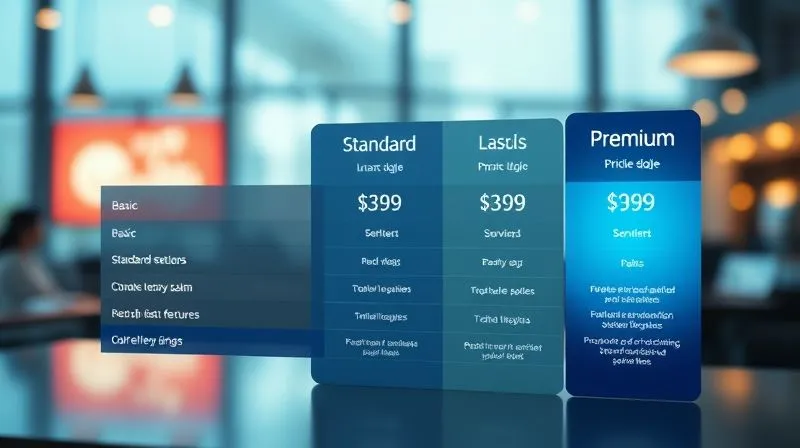
- Tiered Pricing: Offer multiple packages (e.g., Basic, Standard, Premium) with varying levels of features, support, and benefits. This caters to different customer segments and allows them to choose the value level that best suits their needs and budget.
- Subscription/Membership Models: For ongoing services or products, a recurring revenue model can build predictable income and foster deeper customer relationships. This also shifts the focus from a one-time transaction to continuous value delivery.
- Freemium Models: Offer a basic version of your product or service for free to attract a wide audience, then upsell them to premium, paid features. This works well for software or digital products.
- Bundling: Combine multiple products or services into a package that offers greater value than purchasing each item separately. This can increase average transaction value and simplify the customer's decision.
The key is to experiment and find the model that best aligns with your UVP and resonates with your ideal customer. Remember, your pricing is a reflection of the confidence you have in the value you provide.
Step 6: Continuously Delivering and Demonstrating Value
Competing on value isn't a one-time marketing campaign; it's an ongoing commitment. The sale is never truly over. To sustain premium pricing and build long-term customer relationships, you must continuously deliver on your promises and actively demonstrate the value your customers are receiving. This reinforces their decision to choose you and encourages repeat business and referrals.
Many small businesses focus heavily on acquisition but neglect retention. However, studies show that it costs significantly more to acquire a new customer than to retain an existing one. By consistently proving your worth post-purchase, you transform transactions into enduring partnerships.
A Value Delivery Checklist:
- Consistent Quality: Ensure your product or service consistently meets or exceeds expectations. Inconsistency quickly erodes trust and perceived value.
- Proactive Communication: Keep customers informed about updates, new features, or relevant industry insights. Don't wait for them to come to you with questions.
- Solicit Feedback: Regularly ask for customer feedback through surveys, reviews, or direct conversations. Act on this feedback to show you're listening and continuously improving.
- Educational Content: Provide resources that help customers maximize their use of your product/service, whether it's tutorials, FAQs, or best practice guides.
- Personalized Follow-Ups: Check in after a purchase or service delivery to ensure satisfaction and offer further assistance.
- Exclusive Perks: Reward loyal customers with exclusive offers, early access to new products, or special discounts. This reinforces their status as valued clients.
By actively engaging in these practices, you're not just selling; you're building a relationship based on trust and mutual benefit. This continuous cycle of value delivery and demonstration is what truly differentiates a value-driven business from a price-driven one. Research from Bain & Company highlights the immense impact of customer retention on profitability.
Step 7: Empowering Your Team to Be Value Ambassadors
Your team is on the front lines, interacting with customers every single day. Their understanding of your value proposition and their ability to articulate it is paramount to how small businesses can compete on value, not just lowest price. If your team members are not aligned with your value-first philosophy, all your efforts in marketing and strategy can be undermined.
I've observed that businesses where employees genuinely believe in the product or service, and understand the impact it has on customers, naturally provide a superior experience. They become authentic brand ambassadors, reinforcing your value at every touchpoint, from sales to support.

Cultivating a Value-Driven Culture
It starts from the top. As a leader, you must embody the value-first mindset and clearly communicate it to your entire team. This involves:
- Comprehensive Training: Equip your team with a deep understanding of your products/services, your ideal customer, and your unique value proposition. Role-play scenarios where they practice articulating value over price.
- Empowerment: Give your team the autonomy and resources to go above and beyond for customers. Trust them to make decisions that enhance the customer experience.
- Internal Communication: Regularly share customer success stories, positive feedback, and metrics that demonstrate the impact of your value-driven approach. Celebrate wins that are tied to customer satisfaction and value delivery.
- Incentivize Value: Structure incentives not just around sales volume, but around customer satisfaction, retention, and positive feedback. This aligns individual goals with the overarching value strategy.
- Lead by Example: Demonstrate your own commitment to value in all your interactions, both internally and externally. Your team will mirror your behavior.
When every member of your team understands, believes in, and can articulate your value, they become a powerful collective force that elevates your brand beyond mere transactions. They transform your business into one that truly competes, and wins, on the strength of its delivered value.
Frequently Asked Questions (FAQ)
Question: My customers always ask for a discount. How do I shift their focus from price to value? The key is proactive communication and confidence. Before they even ask about price, ensure you've clearly articulated your unique value proposition, highlighting the benefits and transformation they'll experience. Frame your pricing as an investment that yields significant returns. If they still push for a discount, gently reiterate the value your offering provides, perhaps by comparing the cost of not solving their problem or choosing a cheaper, inferior alternative. You can also offer tiered options, allowing them to choose a package that aligns with their perceived value without devaluing your core offering.
Question: What if my product or service is in a highly commoditized market? Is competing on value still possible? Absolutely. In commoditized markets, competing on value becomes even more critical. Your differentiation won't come from the core product itself, but from the surrounding experience, convenience, speed, personalization, or specialized support. Think about coffee – a highly commoditized product. Starbucks competes on experience, brand, and convenience, not just the bean. Identify unmet needs in your market, even small ones, and build your value proposition around solving those. Exceptional customer service, a strong brand story, or a unique delivery model can transform a commodity into a premium offering.
Question: How do I measure the 'value' I'm providing to customers? Measuring value can be qualitative and quantitative. Quantitatively, track metrics like customer lifetime value (CLTV), customer retention rates, referral rates, average transaction value, and net promoter score (NPS). Qualitatively, regularly collect customer feedback through surveys, testimonials, and direct conversations. Ask questions like: 'How has our product/service impacted your business/life?' or 'What specific problems did we help you solve?' Look for anecdotes and stories that illustrate the positive change you've created. This feedback is crucial for refining your value proposition and demonstrating your impact.
Question: I'm a new small business. How can I build authority and trust quickly without a long track record? Building authority takes time, but you can accelerate it. Focus intensely on a very specific niche where you can quickly become the 'go-to' expert. Leverage your personal story and passion. Create high-quality, targeted content that solves specific problems for your niche. Seek out micro-influencers or complementary businesses for partnerships. Offer free workshops or consultations to demonstrate your expertise. Actively solicit early testimonials and showcase them prominently. Authenticity and a genuine desire to help your customers will go a long way in building trust, even without decades of experience.
Question: Should I ever lower my prices, even if I'm trying to compete on value? While the core strategy is to avoid competing on price, there might be strategic reasons for temporary price adjustments, such as a promotional launch for a new product, a limited-time offer to attract a specific segment, or a bundled deal that increases overall value. However, these should be deliberate, short-term tactics, clearly communicated as exceptions, and always tied back to an overarching value proposition. Never lower your prices out of desperation or as a default response to competition, as this devalues your brand in the long run. Focus on adding value rather than subtracting price.
Key Takeaways and Final Thoughts
- Shift Your Mindset: Stop viewing price as your primary competitive lever. Embrace value as the foundation of your business strategy.
- Know Your Customer Intimately: Understand their deepest needs, pain points, and aspirations to tailor your offerings and messaging.
- Craft a Powerful UVP: Clearly articulate what makes you unique and the specific benefits and transformations you deliver.
- Prioritize Customer Experience: Make every interaction memorable, personalized, and proactive to build loyalty and justify premium pricing.
- Build Brand Authority: Position yourself as an expert and leverage social proof to foster trust and respect.
- Innovate Your Pricing: Explore value-based, tiered, or subscription models that reflect the true worth of your offering.
- Empower Your Team: Ensure everyone understands and champions your value proposition, turning them into brand ambassadors.
The journey to competing on value, not just lowest price, is not always easy, but it is profoundly rewarding. It liberates your small business from the relentless pressure of price wars and allows you to build a sustainable, profitable enterprise that genuinely serves its customers. By focusing on delivering exceptional value, you're not just selling products or services; you're building relationships, solving real problems, and creating a legacy. Take these strategies, implement them diligently, and watch your small business not just survive, but truly thrive.
Recommended Reading
- 7 Reasons B2B Deals Stall at Proposal: Fix Your Sales Funnel Now
- Restore Operations After Cyberattack: 5 Critical Steps for Rapid Recovery
- 7 Strategies to Break Deadlocks in Collective Bargaining Negotiations
- 5 Urgent Steps: What to Do When Your Small Business Faces a Cash Crunch?
- 5 Pivots: Franchises Adapting to Emerging Consumer Tech Trends?





Comments
Leave a comment below. Your email will not be published. Required fields marked with *