


How to detect nascent market trends before competitors do?
For over two decades in the dynamic world of business analytics, I've witnessed countless companies rise and fall. Often, the difference between enduring success and rapid obsolescence boiled down to one critical factor: their ability to anticipate the future. I've seen organizations pour millions into catching up, only to realize the market had already moved on, leaving them scrambling in the wake of more agile competitors.
The pain points are universal: missed opportunities, declining market share, and the constant pressure to innovate in a reactive rather than proactive manner. Many leaders feel like they're always a step behind, struggling to differentiate in an increasingly crowded marketplace because they're addressing yesterday's problems instead of tomorrow's opportunities.
This isn't just about spotting a new gadget; it's about understanding the underlying shifts in consumer behavior, technological advancements, and societal values that reshape entire industries. In this definitive guide, I'll share the actionable frameworks, real-world insights, and expert strategies I've honed over the years to help you not just react to, but actively shape your future by learning how to detect nascent market trends before competitors do. We’ll explore proven methodologies, illustrative case studies, and practical tools to transform your foresight into a formidable competitive advantage.
The Evolving Landscape: Why Early Trend Detection is Paramount
In today's hyper-connected, rapidly evolving global economy, the notion of 'business as usual' is a relic of the past. Disruption isn't an anomaly; it's the norm. I often tell my clients that if you're not actively looking for the next big wave, you're already being swept away. The cost of ignorance – or even delayed awareness – of emerging trends is staggering, manifesting as lost revenue, diminished brand relevance, and ultimately, market irrelevance.
Think about industries like retail or media; those who failed to grasp the significance of e-commerce or streaming services found themselves playing an impossible game of catch-up. Conversely, companies like Netflix, which began as a DVD rental service, proactively pivoted by recognizing the nascent trend of digital content delivery and transformed their entire business model. This wasn't luck; it was astute trend detection and courageous strategic execution.
The stakes are higher than ever. Companies that master how to detect nascent market trends before competitors do gain an unparalleled edge. They can allocate resources more effectively, develop innovative products and services that truly resonate, and build brand loyalty that withstands market fluctuations. It's about being the sculptor of the future, not just a bystander.
The Foundation: Building a Robust Market Intelligence Framework
Before you can spot a trend, you need the right infrastructure. In my experience, many organizations falter here, mistaking sporadic Google searches for a systematic market intelligence framework. A robust framework isn't just about collecting data; it's about creating a continuous, integrated process for information gathering, analysis, and dissemination that feeds directly into strategic decision-making.
This framework should act as your company's 'early warning system,' constantly scanning the horizon for signals that might otherwise be dismissed as noise. It requires a blend of technological prowess and human intuition, ensuring that no stone is left unturned in your quest to understand the future market landscape.
Leveraging Data Aggregation & AI for Signal Detection
The sheer volume of data available today is both a blessing and a curse. Without sophisticated tools, it's easy to drown. This is where modern data aggregation platforms and Artificial Intelligence (AI) become indispensable. AI-powered tools can monitor vast swathes of information – from social media chatter and academic papers to patent filings and niche forums – identifying patterns and anomalies that human analysts might miss.
- Natural Language Processing (NLP): Use NLP to analyze customer reviews, forum discussions, and news articles for shifts in sentiment, emerging keywords, and unmet needs.
- Predictive Analytics: Employ machine learning models to forecast potential demand shifts, technological adoption rates, or even the likelihood of regulatory changes based on historical data.
- Competitor Monitoring: Automate the tracking of competitor product launches, marketing campaigns, and even job postings for clues about their strategic direction.

The Power of Human Observation: Beyond the Algorithms
While AI is powerful, it lacks context and intuition. This is why human observation remains critical. I've always emphasized the importance of 'gemba walks' – going to where the action happens. For market trends, this means actively engaging with customers, attending industry conferences, talking to suppliers, and even observing adjacent markets.
"Data tells you what happened, but human insight often reveals why it happened and what might happen next. Never underestimate the power of a well-informed hunch."
Encourage your sales teams, customer service representatives, and even product developers to act as frontline intelligence gatherers. They are often the first to hear about new customer frustrations, innovative competitor offerings, or shifts in purchasing priorities. Establishing clear channels for these observations to be collected and analyzed is just as important as any automated system.
According to Harvard Business Review, balancing data-driven insights with human judgment is crucial for effective strategic decision-making, particularly when navigating uncertain futures. This synergy is key to how to detect nascent market trends before competitors do.
Strategic Pillars for Nascent Trend Identification
With your intelligence framework in place, it's time to focus on the strategic pillars that will guide your search for emerging trends. These aren't just theoretical concepts; they are actionable lenses through which to view the market.
Pillar 1: Horizon Scanning & Weak Signal Analysis
This is arguably the most critical pillar. Horizon scanning involves systematically exploring potential threats, opportunities, and future developments. It's about identifying 'weak signals' – faint, early indicators of change that haven't yet gained significant momentum but could evolve into major trends. Think of it like a radar for the future.
- Broad Environmental Scan: Monitor PESTLE factors (Political, Economic, Social, Technological, Legal, Environmental) globally. Look for shifts in policy, demographic changes, scientific breakthroughs, and cultural movements.
- Identify Anomaly Clusters: Don't dismiss isolated incidents. When you see multiple seemingly unrelated anomalies pointing in a similar direction (e.g., niche forums discussing new materials, a startup patenting a specific energy solution, and a government report on climate change), pay attention.
- Cross-Industry Comparison: Trends rarely emerge in isolation. A trend in one industry (e.g., subscription models in software) often portends similar shifts in another (e.g., subscription models in retail or automotive).
- Expert Interviews & Foresight Panels: Engage with futurists, academics, and thought leaders outside your immediate industry. Their perspectives can often illuminate blind spots.
This proactive approach is fundamental to how to detect nascent market trends before competitors do. It requires dedicated resources and a willingness to explore areas that might initially seem irrelevant to your core business.
Pillar 2: Consumer Behavior & Psychographic Deep Dives
At the heart of every market trend is a human need or desire. Understanding shifts in consumer behavior and psychographics – the attitudes, aspirations, and other psychological criteria – is paramount. This goes beyond simple demographics.
- Ethnographic Research: Observe customers in their natural environment. How do they *really* use your products or competitors'? What frustrations do they encounter?
- Social Listening: Actively monitor social media, online communities, and review sites. Look for emerging language, shared values, and unspoken desires. Tools like Brandwatch or Talkwalker can be invaluable here.
- Co-creation & Lead User Engagement: Involve your most innovative and forward-thinking customers in product development or ideation sessions. These 'lead users' often embody future needs.
- Values & Lifestyle Shifts: Are consumers prioritizing sustainability more? Health? Convenience? Personalization? These macro shifts drive micro-trends.
Pillar 3: Technology S-Curves & Innovation Proxies
Technological advancement is a primary driver of market trends. By understanding technology adoption cycles (often depicted as S-curves) and monitoring innovation proxies, you can anticipate disruptive changes.
- S-Curve Analysis: Identify technologies currently in their early, rapid growth phase. These are the ones poised for exponential impact. Conversely, technologies nearing the top of their S-curve might be ripe for disruption.
- Patent Filings: Monitor patent databases for clusters of activity in specific technological areas. This is a strong indicator of future commercial interest and investment.
- Startup Funding & Acquisitions: Keep an eye on venture capital funding rounds and M&A activity in adjacent or disruptive tech sectors. Where is the smart money flowing?
- Academic Research & White Papers: Universities and research institutions are often where foundational breakthroughs occur. Monitoring these can provide a significant head start.
By combining these three pillars, you create a multi-faceted approach to how to detect nascent market trends before competitors do, moving beyond superficial analysis to deep, contextual understanding.
Implementing Predictive Analytics & Scenario Planning
Identifying signals is one thing; translating them into actionable foresight is another. This is where predictive analytics and scenario planning become indispensable tools. They help you move from 'what if' to 'what's likely' and prepare for multiple possible futures.
Predictive analytics, powered by machine learning, can sift through historical data and current signals to model potential outcomes. For instance, analyzing past consumer responses to similar innovations can help forecast the adoption rate of a new product category. Tools range from simple regression models to complex neural networks, depending on the data and desired accuracy.
Case Study: How InnovateCo Predicted the Rise of Sustainable Packaging
InnovateCo, a mid-sized consumer goods manufacturer, faced increasing pressure regarding its environmental footprint. Through consistent horizon scanning, they identified weak signals: a surge in online searches for 'eco-friendly packaging,' a slight increase in patent filings for biodegradable materials, and niche activist movements gaining traction. Their predictive analytics team, using sentiment analysis on social media and correlating it with early sales data of eco-conscious competitors, forecasted a significant shift towards sustainable packaging preferences within 3-5 years.
Instead of waiting, InnovateCo proactively invested in R&D for compostable materials, partnered with a green packaging startup, and began a marketing campaign highlighting their commitment. This early move allowed them to launch a full line of sustainable products two years before their major competitors, capturing significant market share and enhancing their brand reputation as an industry leader. They didn't just react; they led the change, demonstrating precisely how to detect nascent market trends before competitors do.
Scenario planning, on the other hand, acknowledges the inherent uncertainty of the future. It involves developing several plausible future scenarios (e.g., 'Rapid Tech Adoption,' 'Economic Stagnation,' 'Global Green Shift') and then strategizing how your business would perform and adapt in each. This isn't about predicting *the* future, but preparing for *possible* futures, making your organization resilient and agile.
| Scenario | Key Drivers | Business Impact | Response Strategy |
|---|---|---|---|
| Rapid Tech Adoption | AI, IoT, 5G widespread | Accelerated digital transformation, new service models | Invest in R&D, agile development, talent upskilling |
| Economic Stagnation | Inflation, supply chain disruptions | Price sensitivity, reduced consumer spending | Cost optimization, value propositions, market diversification |
| Global Green Shift | Climate policy, consumer eco-consciousness | Demand for sustainable products, regulatory pressure | Green innovation, supply chain transparency, ESG focus |
This dual approach of predictive modeling and strategic scenario development ensures that your organization is not only aware of emerging trends but also strategically positioned to capitalize on them or mitigate their risks.
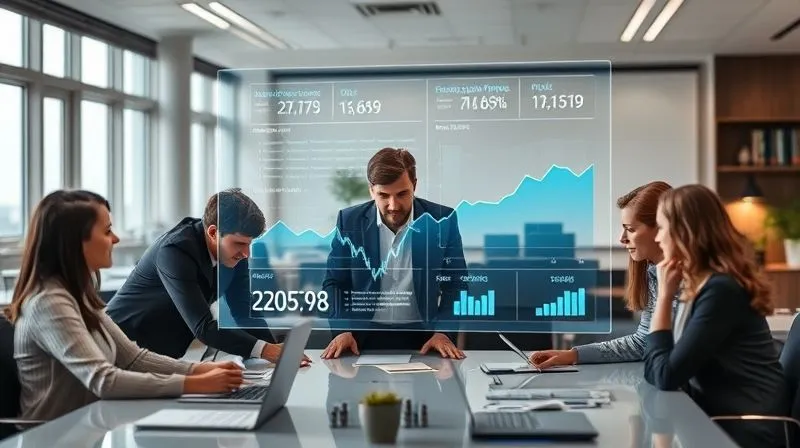
Cultivating an 'Anticipatory Culture' Within Your Organization
Tools and frameworks are only as effective as the culture that embraces them. To truly excel at how to detect nascent market trends before competitors do, you need to embed foresight into your organizational DNA. This means shifting from a reactive mindset to a proactive, 'future-ready' one.
In my years, I've seen that the most successful companies foster an environment where curiosity is celebrated, questions are encouraged, and even 'crazy' ideas are given a fair hearing. This culture starts at the top, with leadership championing the importance of foresight and allocating dedicated resources to trend intelligence.
- Cross-Functional Foresight Teams: Establish small, diverse teams from different departments (marketing, R&D, sales, strategy) to regularly meet and discuss emerging signals. Diversity of thought is crucial here.
- Continuous Learning & Training: Provide training on trend analysis methodologies, critical thinking, and future studies. Encourage employees to attend industry events and foresight workshops.
- Incentivize Foresight: Recognize and reward employees who bring forward valuable insights about emerging trends or potential disruptions. Make trend-spotting a part of performance reviews for relevant roles.
- Open Communication Channels: Create platforms (e.g., internal wikis, dedicated Slack channels, regular 'future Fridays') where employees can share observations, articles, and ideas related to emerging trends without fear of judgment.
This cultural shift transforms every employee into a potential sensor for the future, amplifying your organization's ability to spot and act on nascent market trends.
Overcoming Common Pitfalls in Trend Spotting
Even with the best intentions and tools, pitfalls abound in the pursuit of nascent trends. I've guided many organizations through these challenges, and a few common traps consistently emerge.
- Confirmation Bias: The tendency to interpret new information in a way that confirms one's existing beliefs. This can lead to dismissing weak signals that contradict current strategies. Actively seek out dissenting opinions and challenge assumptions.
- Analysis Paralysis: Getting bogged down in data collection and analysis without moving to action. Remember, perfect information is the enemy of good decision-making in a fast-changing world. Prioritize action over endless deliberation.
- Short-Term Focus: An excessive focus on immediate quarterly results can overshadow the long-term strategic importance of trend detection. Leadership must champion a balanced perspective.
- Ignoring Adjacent Industries: Trends rarely respect industry boundaries. Limiting your scan to your direct competitors means you'll miss disruptive innovations coming from unexpected places. Think broadly.
- Lack of Integration: Trend insights sitting in a siloed report are useless. Ensure there's a clear pipeline for insights to flow directly into strategic planning, R&D, and product development processes.
Recognizing these pitfalls is the first step toward avoiding them. A disciplined, open-minded, and integrated approach is essential to successfully how to detect nascent market trends before competitors do.
Forbes highlights the dangers of confirmation bias in business, emphasizing the need for diverse perspectives to challenge existing assumptions.
Measuring Your Foresight: KPIs for Trend Detection Efforts
How do you know if your efforts to detect nascent market trends are actually paying off? Measuring the impact of foresight can be challenging, as the benefits are often long-term and indirect. However, establishing relevant Key Performance Indicators (KPIs) is crucial for justifying investment and refining your approach.
While direct ROI can be elusive, you can track proxy metrics that indicate improved foresight and preparedness:
- Number of 'Early Bird' Initiatives: Track how many new products, services, or strategic pivots were launched *before* competitors, specifically attributed to identified nascent trends.
- Time-to-Market Reduction: If you're spotting trends earlier, your development cycles for trend-aligned offerings should ideally shorten.
- Market Share Gain in New Segments: Measure market share captured in newly identified or emerging segments where your company was an early mover.
- Innovation Pipeline Health: Assess the percentage of your innovation pipeline that is directly informed by future trend analysis versus reactive market demands.
- Employee Engagement in Foresight: Measure participation in foresight initiatives, ideas submitted, and perceived value of trend intelligence within the organization.
- Reduction in 'Surprise' Disruptions: While impossible to eliminate all surprises, a robust trend detection system should lead to fewer major market shocks catching your company off guard.
| KPI | Measurement | Target | Impact |
|---|---|---|---|
| Early Mover Advantage Score | Number of trend-aligned launches before competitors | 3+ per year | Increased market share, brand leadership |
| Foresight-Driven Innovation Ratio | Percentage of R&D budget allocated to future trend-aligned projects | >50% | Sustainable growth, relevance |
| Trend Alert Response Time | Average time from trend identification to strategic discussion | <2 weeks | Agility, reduced analysis paralysis |
| Market Share in Emerging Segments | Percentage of market share in newly identified categories | Top 3 position | New revenue streams, competitive edge |
By tracking these types of KPIs, you create a feedback loop that not only quantifies the value of your foresight efforts but also helps continuously improve your ability to how to detect nascent market trends before competitors do.
Frequently Asked Questions (FAQ)
Q: How can small businesses with limited resources effectively detect nascent market trends? A: Small businesses can leverage free or low-cost tools like Google Trends, social media listening (e.g., Twitter advanced search, Reddit), and industry newsletters. Focus on niche communities and adjacent markets. Networking with thought leaders and attending local industry meetups can also provide invaluable qualitative insights. Prioritize deep dives into a few key areas rather than broad, superficial scans.
Q: What's the difference between a 'fad' and a 'nascent trend'? A: A fad is typically short-lived, lacks a strong underlying societal or technological driver, and often appeals to a narrow demographic for a brief period. A nascent trend, while also early stage, is characterized by its connection to deeper, more fundamental shifts (e.g., changes in values, demographics, technology). It has the potential for sustained growth and broader impact, often evolving into a macro-trend. Look for the 'why' behind the interest – if it's superficial, it's likely a fad.
Q: How do I convince leadership to invest in trend detection when ROI isn't immediately visible? A: Frame trend detection as risk mitigation and future opportunity generation. Present mini case studies (like InnovateCo's example) of competitors who either succeeded by early adoption or failed by missing a trend. Focus on the cost of *not* anticipating change (e.g., lost market share, reactive R&D). Start with small, pilot projects that demonstrate tangible, albeit early, wins or insights. Connect it directly to strategic goals like innovation, competitive advantage, or long-term sustainability.
Q: Should I focus on global trends or local trends? A: It's crucial to do both. Global trends (e.g., AI, climate change, aging populations) provide the macro context and often influence local markets. However, local or regional nuances can significantly alter how a global trend manifests or is adopted. A 'glocal' approach – understanding global forces and then interpreting their local implications – is often the most effective. Your ability to detect nascent market trends before competitors do often hinges on this dual perspective.
Q: What role does intuition play in trend spotting, given all the data tools? A: Intuition, born from experience and deep domain knowledge, is incredibly valuable. Data tools can identify patterns, but human intuition often provides the 'aha!' moment – connecting disparate data points into a coherent narrative about a future trend. It helps in formulating the right questions for data analysis and interpreting ambiguous signals. The best approach integrates data-driven insights with seasoned human judgment and intuition.
Key Takeaways and Final Thoughts
Detecting nascent market trends before your competitors is no longer a luxury; it's a strategic imperative for survival and growth in the modern business landscape. It demands a blend of sophisticated tools, rigorous methodologies, and a forward-thinking organizational culture. The journey from reactive to anticipatory is challenging, but the rewards are profound: sustained innovation, competitive differentiation, and the ability to truly shape your destiny.
- Build a Robust Framework: Integrate AI-powered data aggregation with invaluable human observation.
- Employ Strategic Pillars: Master horizon scanning, deep consumer insights, and technology S-curve analysis.
- Plan for Futures: Utilize predictive analytics and scenario planning to translate insights into action.
- Cultivate Foresight: Embed an anticipatory culture throughout your organization, from leadership down.
- Measure and Adapt: Use relevant KPIs to continuously refine your trend detection capabilities.
Remember, the future isn't something that just happens to you; it's something you actively create through informed foresight. By committing to these principles and diligently working to how to detect nascent market trends before competitors do, you position your organization not just to survive, but to thrive and lead the way into tomorrow's markets. The time to look ahead is now.
Recommended Reading
- 8 Proven Strategies to Fix Negative Cash Flow in Your Struggling Franchise Unit
- 7 Proven Strategies: When Front-Line Staff Ignore New Service Standards
- Transform Your Tiny Apartment: 7 Pro Tips for a Perfect Home Office
- 7 Proven Strategies: How to Prevent Customer Churn When CRM Data Shows High Risk?
- Unlock Global Success: Developing Cultural Intelligence for Your Teams




Comments
Leave a comment below. Your email will not be published. Required fields marked with *