


How to get critical project updates from unresponsive stakeholders?
For over 15 years in project management, I've seen countless projects falter, not due to a lack of talent or resources, but a simple, insidious problem: communication breakdown. Specifically, the silent treatment from critical stakeholders. It's a scenario I've navigated too many times: a crucial decision hangs in the balance, a deadline looms, and the one person with the information you need has seemingly vanished into the ether.
This isn't just frustrating; it's a project killer. Unresponsive stakeholders can derail timelines, inflate budgets, introduce unforeseen risks, and ultimately lead to project failure. The silence isn't just an absence of information; it's a void filled with uncertainty, missed opportunities, and escalating problems that could have been nipped in the bud. You're left guessing, making assumptions, and often, redoing work – all because a key player isn't providing the necessary input.
But what if you could transform these communication black holes into reliable information pipelines? This article isn't just about theory; it's about battle-tested strategies, actionable frameworks, and real-world insights I've personally applied to get those critical project updates. We'll dive deep into understanding why stakeholders go silent, how to proactively engage them, and what to do when your carefully crafted emails go unanswered. By the end, you'll have a robust toolkit to ensure your projects stay on track, even with the most elusive of stakeholders.
Understanding the Roots of Unresponsiveness
Before we can fix the problem, we must understand its origins. Unresponsiveness is rarely malicious; it's usually a symptom of deeper issues. As a project manager, it's my job to play detective and uncover these underlying causes, as a tailored solution is always more effective than a generic one.
Common Reasons Why Stakeholders Go Silent
- Lack of Perceived Value: Stakeholders might not see the direct relevance or impact of the update request on their own priorities or the larger business objectives. If they don't understand 'what's in it for them' or 'why this matters now,' your request will fall to the bottom of their inbox.
- Time Constraints and Overload: High-level stakeholders often juggle multiple projects and responsibilities. Your request, however critical to your project, might just be another item in a long list of demands. They might genuinely be too busy to respond promptly.
- Information Overload: If you're sending lengthy, jargon-filled reports or frequent, non-essential updates, stakeholders can become desensitized. They might start filtering out your communications, assuming they contain no critical information.
- Fear of Bad News or Accountability: Sometimes, a stakeholder might be delaying an update because the news isn't good. They might be struggling with a task, facing delays on their end, or simply not want to be the bearer of bad tidings. This can lead to avoidance.
- Unclear Roles and Responsibilities: If the stakeholder isn't entirely sure what's expected of them, or if they believe someone else is responsible for the update, they might defer or simply ignore the request. Ambiguity is a silent killer of communication.
- Trust Issues or Past Negative Experiences: Has there been a history of miscommunication, blame, or project failures? Stakeholders might be wary of providing information if they fear it could be used against them or lead to more work without clear benefits.
- Preferred Communication Channels: You might be emailing, but they prefer a quick chat, a text, or a specific platform. Mismatched communication styles can lead to missed messages.
“The most dangerous assumption in project management is that silence means agreement. More often, it means disengagement, confusion, or a ticking time bomb.”<

Phase 1: Proactive Engagement & Relationship Building
The best defense is a good offense. Building robust relationships and setting clear communication expectations from the outset can drastically reduce the chances of encountering unresponsive stakeholders later on. This is where true project leadership shines.
Stakeholder Mapping and Analysis
Before the project even properly kicks off, I advocate for a thorough stakeholder analysis. This isn't just listing names; it's about understanding their influence, interest, and communication preferences.
- Identify All Stakeholders: Go beyond the obvious. Who funds the project? Who will use the end product? Who is impacted by its implementation? Who has the power to stop it?
- Analyze Influence and Interest: Use a power/interest grid. High-power, high-interest stakeholders need close management. High-power, low-interest need to be kept satisfied. Low-power, high-interest need to be kept informed. Low-power, low-interest need minimal effort. This helps prioritize your communication efforts.
- Prioritize and Plan Engagement: Based on your analysis, define specific engagement strategies for each key stakeholder. What information do they need? How often? In what format? Who is their preferred contact person?
According to a Harvard Business Review article on managing stakeholders, 'Effective stakeholder management requires more than just communication; it demands understanding their perspective and aligning their interests with project goals.' (Harvard Business Review)
Tailoring Communication Strategies
One size does not fit all. Once you understand your stakeholders, you can customize your approach.
- Preferred Channels: Does your CEO prefer a concise email summary, a quick call, or a dashboard? Does a technical lead prefer detailed documentation or a brief Slack message? Ask them!
- Frequency of Updates: Some stakeholders need daily updates, others weekly, some monthly. Over-communicating can be as detrimental as under-communicating.
- Level of Detail: Executives need high-level summaries and impact statements. Team leads need more granular details. Tailor your reports to their specific information needs and their capacity to absorb it.
- Meeting Cadence: Schedule regular check-ins that fit their availability. A standing 15-minute weekly call might be more effective than a long, ad-hoc meeting.
Here's an example of a simple communication matrix that can guide your efforts:
| Stakeholder | Interest Level | Influence Level | Communication Frequency | Preferred Channel | Key Information Needs |
|---|---|---|---|---|---|
| Project Sponsor | High | High | Weekly (Summary) | Email + Bi-weekly 1:1 | Budget, Timeline, Key Risks, Strategic Impact |
| Marketing Lead | Medium | Medium | Bi-weekly (Detailed) | Project Management Tool (Asana) | Feature Status, Release Schedule, User Stories |
| Legal Counsel | Low | High | Ad-hoc (Critical) | Email (Formal) | Compliance, Contractual Changes, IP Issues |
| End-Users (Representative) | High | Low | Monthly (Feedback Session) | Surveys + Workshops | Feature Demos, Usability, Training Needs |
Phase 2: Strategic Outreach & Information Extraction
Despite your best proactive efforts, there will inevitably be times when a stakeholder goes quiet. This phase focuses on the art of getting them to respond without resorting to aggressive tactics.
Crafting Compelling Update Requests
Your request itself can be the reason for unresponsiveness. Make it easy, clear, and valuable for the stakeholder to respond.
- Clear and Concise Subject Line: Start with 'ACTION REQUIRED: Project X Update - [Specific Question/Deadline]' or 'URGENT: Project Y Decision Needed by [Date]'. Make the purpose immediately obvious.
- Concise Body, Specific Questions: Get straight to the point. State the context briefly, then ask specific, closed-ended questions (yes/no, a choice between options). Avoid open-ended questions that require lengthy responses.
- Highlight the Impact: Explain *why* their input is critical and what the consequences of delay are. 'Without your approval, Feature A will be delayed by 3 days, impacting the overall launch.'
- Offer Convenience: Can you provide options for them to respond? 'Reply to this email with your choice (Option A or B)', 'Click this link to vote', or 'Let me know if a 15-min call works tomorrow at 10 AM or 2 PM.'
- Set a Clear Deadline: Always include a 'Please respond by [Date/Time]' with a buffer. This creates a sense of urgency and expectation.
- Provide Necessary Context (Briefly): Don't make them search for information. Include relevant links or attachments, but keep the email body short.
Leveraging Technology for Follow-ups
Modern project management tools are your allies in consistent communication. Don't rely solely on email.
- Project Management Tools (PMTs): Platforms like Jira, Asana, Trello, or Monday.com allow you to assign tasks directly to stakeholders with due dates. They often have automated reminders built-in. Use comments sections for specific questions related to a task.
- Automated Reminders: Set up automated email reminders if your PMT doesn't handle it. Many email clients allow you to schedule follow-up reminders if an email isn't opened or replied to.
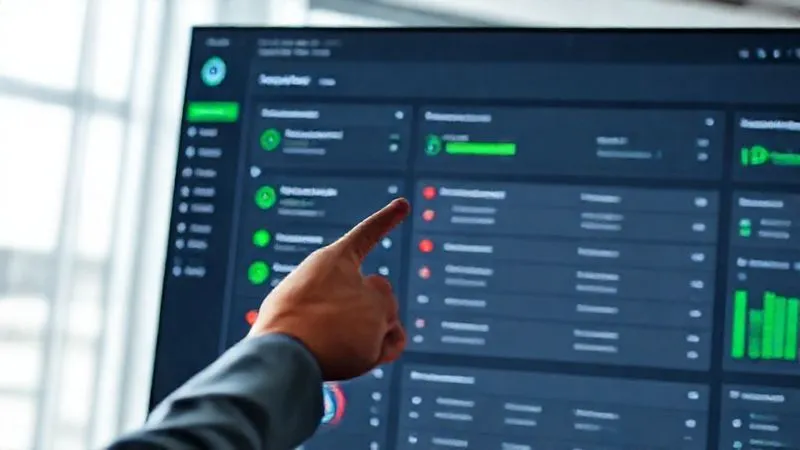
- Shared Dashboards & Reports: Give stakeholders access to real-time dashboards that visualize project progress, key metrics, and upcoming decision points. This makes the information push-based rather than pull-based. They can often see what's needed without you asking directly.
- Collaboration Platforms: Tools like Slack or Microsoft Teams can facilitate quicker, less formal communication. A direct message might get a faster response than a formal email, especially for quick clarifications.
Phase 3: Escalation and Conflict Resolution (When All Else Fails)
There will be times when even the most carefully crafted requests and technological nudges yield no results. This is when a thoughtful, structured escalation process becomes crucial. Escalation isn't about throwing someone under the bus; it's about safeguarding the project.
The Art of Gentle Escalation
Escalation should be a last resort, handled with professionalism and a focus on resolution, not blame.
- Internal Channels First: Before going external, check with your project team. Is there another team member who has a better relationship with the unresponsive stakeholder? Can they reach out?
- Direct Manager Notification: If the stakeholder is within your organization, inform their direct manager. Frame it as 'seeking assistance to unblock a project dependency' rather than 'complaining about X'. Provide the history of your attempts.
- Project Sponsor Involvement: Your project sponsor is your most powerful ally. They have the authority and vested interest to get things moving. Inform them of the situation, the impact on the project, and your previous attempts. Ask for their guidance on how to proceed.
- Formal Meeting Request: If the issue is complex or persistent, request a formal meeting with the stakeholder, their manager, and your sponsor. Clearly state the meeting's objective: to resolve the communication bottleneck and ensure project continuity.
- Document Everything: Maintain a clear record of all communication attempts, including dates, times, channels, and the specific information requested. This documentation is vital if further escalation or project re-planning becomes necessary.
Case Study: Turning a Silent Sponsor into an Advocate
Case Study: How 'Project Nexus' Unlocked Critical Funding Approval
In a previous role, I was managing 'Project Nexus,' a critical digital transformation initiative. We hit a wall when a key project sponsor, Sarah, responsible for approving a significant budget tranche, went completely dark. Emails went unanswered, calls unreturned. The project was at risk of a two-month delay without this approval.
My initial attempts were standard: polite emails, follow-ups, and a summary of the impact. Nothing. Recognizing the urgency, I shifted strategy. Instead of another email, I approached Sarah's direct report, who was also a stakeholder, for insight. I learned Sarah was overwhelmed with another company-wide crisis and felt she lacked the full context to approve our complex funding request, fearing a misstep.
Armed with this insight, I scheduled a 15-minute 'decision-focused' meeting with Sarah and her direct report. My agenda was concise: 1) Reiterate the project's strategic importance (aligning with the crisis she was handling), 2) Present a streamlined, one-page summary of the funding request, highlighting only the critical numbers and the 'go/no-go' decision, and 3) Offer two clear options for approval with immediate implications for each. I also brought the project's financial controller to answer any deep-dive questions instantly, removing the burden from Sarah.
Within that 15 minutes, Sarah not only approved the funding but also thanked me for the concise presentation and understanding her bandwidth. She confessed the detailed reports had felt overwhelming. This resulted in the project resuming on schedule and Sarah becoming a more engaged, proactive sponsor for the remainder of the initiative. The key was understanding her underlying reason for unresponsiveness and tailoring the request to her specific needs and constraints.
For further insights on managing difficult stakeholders, consider resources from reputable project management bodies like the Project Management Institute (PMI.org).
Building a Culture of Transparency and Accountability
Beyond individual tactics, a project manager's ultimate goal should be to foster an environment where responsiveness is the norm, not the exception. This means building a culture of transparency and mutual accountability.
Implementing Regular Communication Rhythms
Consistency is key. Establishing predictable communication points helps stakeholders anticipate updates and understand when their input will be needed.
- Daily Stand-ups (for core team): Brief, focused meetings to discuss 'what I did yesterday, what I'll do today, any blockers.'
- Bi-weekly Project Status Reports: A consistent format, delivered on a consistent day, summarizing progress, risks, and key decisions needed.
- Monthly or Quarterly Business Reviews: Higher-level meetings for executive stakeholders, focusing on strategic alignment, budget, and overall progress against objectives.
- Dedicated 'Decision Windows': If you know a major decision is coming, pre-schedule a specific time block or meeting to get that input, ensuring all key players are available.
The Power of Visual Reporting
Humans are visual creatures. A picture truly is worth a thousand words, especially when dealing with time-strapped stakeholders.
- Interactive Dashboards: Utilize tools that provide real-time, customizable dashboards. Stakeholders can log in and see the information most relevant to them at a glance, reducing the need for you to chase them.
- Gantt Charts and Timelines: Visually represent project schedules and dependencies. It's much easier to see the impact of a delay on a Gantt chart than in a paragraph of text.
- Burn-down/Burn-up Charts: For agile projects, these show progress against scope and can quickly highlight if a team is falling behind or ahead.
- Infographics and Heatmaps: For complex data, condense it into easily digestible visuals. Heatmaps can show areas of high risk or high activity.

Tools and Techniques for Consistent Project Communication
In today's digital landscape, a plethora of tools can streamline communication and make it harder for stakeholders to remain unresponsive. Integrating these effectively is part of a modern project manager's toolkit.
Project Management Software Integration
Leverage the full capabilities of your chosen PM software.
- Centralized Information Hub: Use your PMT as the single source of truth for all project documentation, decisions, and updates. This reduces information silos.
- Task Assignment and Tracking: Directly assign tasks, including 'review and approve' or 'provide input,' to specific stakeholders with clear deadlines.
- Automated Notifications: Configure the system to send automated notifications for task assignments, due dates, and status changes.
- Reporting Features: Generate customized reports for different stakeholder groups directly from the tool, saving time and ensuring consistency.
Communication Protocols and Agreements
Formalizing communication expectations can prevent future misunderstandings.
- Communication Plan: Develop a formal communication plan at the project's outset, detailing who needs what information, when, and how. Get stakeholders to review and agree to it.
- Service Level Agreements (SLAs) for Responses: For critical stakeholders, consider discussing and agreeing on expected response times for different types of requests (e.g., 24 hours for urgent decisions, 3 days for review comments).
- Agreed-Upon Reporting Formats: Standardize your reports. If stakeholders know exactly where to find the key information every time, they are more likely to engage.
- Escalation Paths: Clearly define the escalation path in your communication plan. This provides transparency and a structured approach when unresponsiveness persists.
As industry expert Seth Godin often emphasizes, 'Communication is the work.' It's not a byproduct of the project; it's integral to its success. For a comprehensive overview of communication tools and best practices, consider white papers from leading tech analysis firms or project management research bodies, such as this one on 'Effective Communication in Project Management' (PwC).
Measuring Communication Effectiveness
You can't improve what you don't measure. Just as you track project progress, you should track the effectiveness of your communication efforts.
Key Performance Indicators (KPIs) for Communication
While some aspects are qualitative, you can quantify others to identify trends and areas for improvement.
- Response Rates: Track the percentage of your requests that receive a response within the agreed-upon timeframe.
- Response Time: Measure the average time it takes for key stakeholders to respond to critical requests.
- Completeness of Updates: Assess if the updates received contain all the necessary information, or if follow-up questions are consistently needed.
- Stakeholder Satisfaction Surveys: Periodically survey key stakeholders on their perception of project communication – is it clear, timely, relevant?
- Number of Escalations: A decrease in the number of times you need to escalate unresponsive behavior is a positive indicator.
“Effective communication isn't just about sending messages; it's about ensuring those messages are received, understood, and acted upon. Measure the outcome, not just the output.”
Frequently Asked Questions (FAQ)
What if a stakeholder is genuinely too busy to respond? In such cases, it's crucial to offer flexibility and reduce their burden. Can you propose a shorter meeting? Can you provide a 'yes/no' option instead of a detailed response? Can you draft the response for their review? Sometimes, delegating to a trusted representative on their team might be an option, provided they have the authority. The goal is to make it as easy as possible for them to provide the necessary input.
How do I deal with stakeholders who constantly change their minds after providing updates? This is less about unresponsiveness and more about scope creep or indecision. The key here is rigorous documentation and change control. Every update or decision should be documented, ideally in a shared system, with an 'approved by' and date. When a change is requested, refer back to the documented decision and initiate a formal change request process, highlighting the impact on timeline, budget, and resources. This makes the cost of indecision visible.
Is it ever appropriate to make a decision without a stakeholder's input if they are unresponsive? This is a high-risk move and should be a last resort. Before doing so, ensure you have exhausted all escalation paths, documented every attempt to gain input, and clearly communicated the 'if no response by X date, we will proceed with Y' scenario. Involve your project sponsor in this decision. Proceeding without critical input can lead to significant rework or project failure, but sometimes the cost of waiting indefinitely outweighs the risk.
How do I manage a stakeholder who is technically responsive but provides vague or incomplete updates? This requires a shift in your questioning technique. Instead of broad questions, ask highly specific, quantifiable questions. For example, instead of 'How's the marketing campaign progressing?', ask 'What is the current CTR on the Q3 campaign, and when will the final report be available?' Provide templates or specific fields for them to fill out to guide their responses. Sometimes, a quick 5-minute call to clarify can be more efficient than a long email chain.
What's the role of empathy when dealing with unresponsive stakeholders? Empathy is paramount. Before assuming malice or indifference, consider their perspective. Are they overwhelmed? Facing internal pressures? Do they lack understanding of the project's urgency? Approaching the situation with an understanding that there's likely an underlying reason for their behavior allows you to frame your approach as problem-solving rather than confrontational. It builds bridges, not walls.
Key Takeaways and Final Thoughts
Navigating the complexities of project communication, especially when faced with unresponsive stakeholders, is a core competency for any successful project manager. It's a blend of art and science, requiring strategic planning, empathetic understanding, and persistent, professional execution.
- Proactive Engagement is Paramount: Build relationships and tailor communication strategies from the project's inception.
- Clarity and Value Drive Response: Make your requests concise, specific, and highlight the direct impact of their input.
- Leverage Technology Wisely: Utilize PM tools and dashboards to streamline information flow and provide automated nudges.
- Escalate Strategically, Not Aggressively: When necessary, follow a structured escalation path, always documenting your efforts and focusing on project continuity.
- Foster a Culture of Transparency: Establish consistent communication rhythms and measurement to ensure accountability and predictability.
Remember, every silent stakeholder represents a potential risk to your project. By adopting these strategies, you're not just chasing updates; you're actively de-risking your project, fostering better collaboration, and ultimately, paving the way for consistent project success. It's a continuous journey of refinement, but with these tools, you're well-equipped to turn communication challenges into triumphs. Go forth and conquer those communication black holes!
Recommended Reading
- 5 Steps to Master Complex Operational Risk Mitigation Post-Merger
- Tackling Child Labor: 7 Strategies for Complex Global Supply Chains
- Fix GA4 Conversion Discrepancies: 7 Expert Steps & Common Pitfalls
- Unlock Operational Excellence: How to Make Performance Monitoring Truly Deliver
- 7 Ways to Streamline Small Business Processes Without Hiring More Staff?






Comments
Leave a comment below. Your email will not be published. Required fields marked with *