


How to Reduce B2C Customer Acquisition Cost Effectively?
For over two decades in the B2C sales and marketing trenches, I've witnessed countless businesses, from budding startups to established enterprises, grapple with a common, insidious challenge: spiraling customer acquisition costs (CAC). It's a silent profit killer, often masked by top-line revenue growth, until it's too late. I've seen firsthand how a seemingly robust growth strategy can crumble under the weight of unsustainable acquisition expenses.
The pressure to acquire new customers in the competitive B2C landscape is immense, leading many to throw money at every new marketing trend without a clear strategy. This 'spray and pray' approach inflates your CAC, erodes profit margins, and ultimately jeopardizes long-term sustainability. You're not alone if you feel like you're constantly chasing new leads, only to find the cost per conversion climbing higher, making growth feel like a zero-sum game.
But what if there was a smarter way? This isn't about cutting corners; it's about strategic optimization and building genuine customer relationships. In this definitive guide, I'll share battle-tested frameworks, data-driven strategies, and expert insights that I've personally applied to help businesses reduce B2C customer acquisition cost effectively, transforming their marketing spend into a powerful growth engine. We'll delve into actionable steps, supported by real-world examples, to ensure you walk away with a clear roadmap.
1. Understanding Your Current CAC & LTV: The Foundation
Before you can effectively reduce B2C customer acquisition cost, you must first precisely understand what you're currently spending and what value those customers bring. This means diving deep into two critical metrics: Customer Acquisition Cost (CAC) and Customer Lifetime Value (LTV).
Your CAC is simply the total cost of sales and marketing efforts divided by the number of new customers acquired over a specific period. LTV, on the other hand, estimates the total revenue a business can reasonably expect from a single customer account over the average customer relationship. Without a firm grasp of these figures, any attempt to optimize will be akin to navigating in the dark.
In my experience, many businesses either miscalculate these metrics or don't track them at all. This oversight can lead to disastrous resource allocation. Knowing your numbers is the first and most crucial step towards strategic optimization.
"You can't manage what you don't measure. In B2C, if you don't know your CAC and LTV, you're merely guessing at profitability."
The ideal scenario is a healthy CAC:LTV ratio, typically 1:3 or better, meaning for every dollar you spend to acquire a customer, they generate at least three dollars in revenue over their lifetime. A lower ratio indicates that you're either spending too much to acquire customers or your customers aren't generating enough long-term value.
| Metric | Formula | Significance |
|---|---|---|
| Customer Acquisition Cost (CAC) | Total Sales & Marketing Spend / Number of New Customers Acquired | Measures the average cost incurred to acquire one new customer over a specific period. A high CAC can erode profitability. |
| Customer Lifetime Value (LTV) | Average Purchase Value x Average Purchase Frequency x Average Customer Lifespan | Estimates the total revenue a business can reasonably expect from a single customer account over the average customer relationship. A higher LTV justifies higher acquisition costs. |
Understanding and continually monitoring these metrics provides the baseline for all your CAC reduction efforts. For a deeper dive into the strategic importance of LTV, I often refer clients to resources like this Harvard Business Review article on Customer Lifetime Value.
2. Optimizing Your B2C Sales Funnel for Efficiency
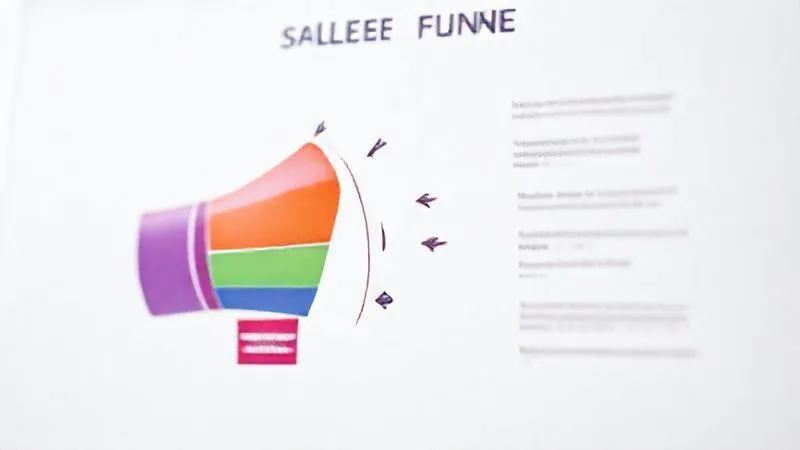
A leaky sales funnel is a common culprit behind inflated CAC. Every prospect that drops out unnecessarily represents wasted marketing spend. To reduce B2C customer acquisition cost effectively, you must meticulously audit and optimize every stage of your B2C sales funnel, from initial awareness to final conversion.
Think of your funnel not as a static structure, but as a dynamic system that requires constant fine-tuning. Are there bottlenecks? Points where customers get confused, lose interest, or face friction? Identifying and resolving these 'leaks' can dramatically improve your conversion rates without increasing your ad spend.
Here's a systematic approach I recommend for funnel optimization:
- Map Your Current Customer Journey: Document every touchpoint a customer has with your brand, from seeing an ad to making a purchase and beyond.
- Identify Drop-Off Points: Use analytics (website, email, ad platform) to pinpoint where prospects abandon the journey. Is it a slow landing page? A confusing checkout process?
- Analyze User Behavior: Employ heatmaps, session recordings, and user surveys to understand *why* users are dropping off.
- Implement Targeted Improvements: Based on your analysis, make specific changes to content, design, calls-to-action (CTAs), or technical aspects.
- Test and Iterate: Always A/B test your changes to ensure they are genuinely improving conversion rates.
By systematically addressing these points, you can guide more prospects through to conversion, thereby lowering your average CAC. This focus on internal efficiency is often far more impactful than simply spending more on ads.
3. Leveraging Data for Hyper-Targeted Marketing
One of the most significant ways to reduce B2C customer acquisition cost effectively is to stop marketing to everyone and start marketing to the *right* people. This is where data-driven segmentation and hyper-targeting become indispensable. Generic campaigns are a relic of the past; today's consumers expect relevance.
By analyzing demographic, psychographic, behavioral, and transactional data, you can segment your audience into distinct groups with unique needs and preferences. This allows you to craft highly personalized messages and offers that resonate deeply with each segment, leading to higher engagement and conversion rates.
According to a Forbes Communications Council article, data-driven marketing strategies are crucial for maximizing ROI. This isn't just about knowing your audience; it's about predicting their needs and preferences.
Case Study: How 'Evergreen Retail' Slashed Ad Spend with Segmentation
Evergreen Retail, an online fashion brand, was struggling with rising ad costs and diminishing returns. Their broad targeting meant they were paying to show ads to many users who had no real interest. By implementing a robust data segmentation strategy, they identified three core customer personas: 'Trendsetters' (young, fashion-forward), 'Comfort Seekers' (mid-age, prioritize practicality), and 'Eco-Conscious Buyers' (value sustainability).
Instead of a single ad campaign, they created three distinct campaigns, each with tailored visuals, messaging, and product showcases. The results were dramatic: their click-through rates (CTR) increased by an average of 35%, and their conversion rates jumped by 22%. This led to a 20% reduction in their overall CAC within six months, simply by being smarter with their targeting, proving that understanding your audience is paramount.
Utilize tools like CRM systems, website analytics, and social media insights to gather this invaluable data. The more you know about your ideal customer, the less you'll spend reaching those who aren't a good fit.
4. Boosting Customer Retention: Your Most Powerful CAC Reducer
This might sound counterintuitive when discussing acquisition costs, but hear me out: the cheapest customer to acquire is the one you already have. Focusing on customer retention is arguably the single most effective strategy to reduce B2C customer acquisition cost effectively over the long term. Repeat customers cost significantly less to market to, often spend more, and are more likely to refer new business.
If your customer retention is poor, you're constantly refilling a leaky bucket, making every new acquisition more expensive in the grand scheme. A strong retention strategy builds a loyal customer base that provides consistent revenue and acts as a powerful, organic marketing channel.
Key strategies for boosting retention include:
- Exceptional Customer Service: Make every interaction positive and problem-solving.
- Loyalty Programs: Reward repeat purchases and engagement.
- Personalized Communication: Keep customers engaged with relevant offers and content post-purchase.
- Gathering Feedback: Actively solicit and respond to customer feedback to improve products and services.
- Community Building: Create a sense of belonging around your brand.
By investing in the post-purchase experience, you transform one-time buyers into loyal advocates, dramatically improving your LTV and indirectly lowering the pressure on your acquisition budget.

5. Personalization at Scale: From Prospect to Advocate
Moving beyond basic segmentation, true personalization at scale involves delivering highly relevant experiences to individual customers throughout their journey. This means understanding not just *who* they are, but *what* they need, *when* they need it, and *how* they prefer to be communicated with. This level of tailored engagement makes prospects feel valued, not just targeted, which significantly boosts conversion rates and reduces acquisition friction.
I've seen businesses achieve remarkable results by implementing dynamic content on websites, personalized product recommendations in emails, and triggered communications based on specific user actions (or inactions). This isn't just about putting a customer's name in an email; it's about anticipating their next need and providing value proactively.
"Personalization isn't a luxury; it's a necessity. In a crowded B2C market, relevance is the currency of attention, and attention is the gateway to lower acquisition costs."
According to Deloitte's research on customer experience trends, personalization is a key driver of customer loyalty and increased spending. When customers feel understood, they are more likely to convert and remain loyal.
To implement personalization effectively:
- Utilize a Robust CRM: A good CRM allows you to centralize customer data and track interactions.
- Map Customer Journeys: Identify key moments where personalization can make a difference.
- Implement Marketing Automation: Automate personalized email sequences, product recommendations, and retargeting ads.
- Test and Refine: Continuously test different personalization tactics to see what resonates best with your audience segments.
By making every customer feel like your only customer, you foster trust and reduce the perceived risk of purchase, directly contributing to a lower CAC.
6. The Power of Referral Programs and User-Generated Content
Word-of-mouth marketing has always been the most potent, and often the most cost-effective, form of advertising. In the digital age, this translates into powerful referral programs and authentic user-generated content (UGC). These strategies allow you to acquire new customers at a fraction of the cost of traditional paid channels, significantly helping you to reduce B2C customer acquisition cost effectively.
People trust recommendations from friends and peers far more than they trust advertisements. Leveraging this inherent trust is a smart move for any B2C brand. Referral programs incentivize existing customers to spread the word, turning your satisfied customers into an extension of your sales team.
For example, offering both the referrer and the referred customer a discount or a bonus creates a win-win situation that encourages participation. This method brings in highly qualified leads who are already predisposed to trust your brand because they come through a trusted source.
Similarly, user-generated content – reviews, testimonials, social media posts, videos – provides authentic social proof that resonates deeply with prospective customers. Encouraging customers to share their experiences with your products or services can build immense credibility and attract new buyers organically.
- Implement a Structured Referral Program: Clearly define incentives, make it easy to share, and track referrals effectively.
- Encourage Reviews & Testimonials: Prompt customers for feedback post-purchase and showcase positive reviews prominently.
- Run UGC Campaigns: Create contests or hashtags that encourage customers to share their content featuring your products.
- Feature Customer Stories: Highlight real customer success stories on your website and social channels.
As Nielsen research consistently shows, consumers place the highest level of trust in earned media, such as recommendations from people they know, and online consumer reviews. This organic trust translates directly into lower acquisition hurdles.
7. A/B Testing and Continuous Optimization: The Iterative Approach
The marketing landscape is constantly evolving, and what worked yesterday might not work today. To truly reduce B2C customer acquisition cost effectively, you must embrace a culture of continuous A/B testing and optimization. This iterative approach allows you to make data-backed decisions, refine your strategies, and squeeze maximum efficiency out of every marketing dollar.
A/B testing involves comparing two versions of a webpage, email, ad, or other marketing asset to see which one performs better. By testing one variable at a time (e.g., headline, CTA button color, image), you can identify small changes that lead to significant improvements in conversion rates, click-through rates, and ultimately, a lower CAC.
I've seen businesses achieve remarkable gains by consistently testing elements like:
- Ad Creatives and Copy: Different images, videos, headlines, and calls-to-action.
- Landing Page Layouts: Variations in design, content hierarchy, and form placement.
- Email Subject Lines and Content: Personalization, urgency, and offer presentation.
- Checkout Process: Number of steps, payment options, and trust signals.
Each successful A/B test is a step towards a more optimized and cost-efficient customer journey. It's a scientific method applied to marketing, turning assumptions into validated insights.
| Test Area | Hypothesis | Metric | Result |
|---|---|---|---|
| Landing Page CTA | Changing 'Shop Now' to 'Discover Your Style' will increase engagement. | Click-Through Rate | +12% increase |
| Email Subject Line | Adding a personalized emoji will boost open rates for loyal customers. | Open Rate | +9% increase (for segment A) |
| Ad Creative | Using user-generated content in ads will outperform stock photography. | Conversion Rate | +18% increase |
| Checkout Form Fields | Reducing mandatory fields will decrease cart abandonment. | Cart Abandonment Rate | -15% decrease |
Remember, even small, incremental improvements accumulate over time to create substantial gains. Never assume; always test. This rigorous approach is fundamental to truly understanding how to reduce B2C customer acquisition cost effectively and sustainably.
8. Streamlining Your Tech Stack for Maximum Impact
In today's digital-first B2C landscape, your marketing technology (MarTech) stack plays a crucial role in efficiency. An unoptimized or bloated tech stack can inadvertently increase your CAC by creating inefficiencies, data silos, and unnecessary subscription costs. To truly reduce B2C customer acquisition cost effectively, you need a streamlined, integrated, and high-performing set of tools.
I've often seen companies using multiple tools that perform similar functions, or tools that don't communicate with each other, leading to manual data transfers, errors, and wasted time. This not only saps productivity but also prevents a holistic view of the customer journey, making optimization efforts more difficult.
"Your tech stack should be an accelerator, not an anchor. Consolidate, integrate, and automate to unlock true efficiency and drive down acquisition costs."
A well-integrated tech stack allows for seamless data flow between your CRM, marketing automation platform, analytics tools, and advertising platforms. This enables more accurate attribution, better customer insights, and the ability to automate personalized experiences at scale, all of which contribute to a lower CAC.
Consider these steps for optimizing your MarTech stack:
- Audit Your Current Tools: List every tool you use, its function, and its cost.
- Identify Redundancies: Pinpoint tools that overlap in functionality.
- Prioritize Integration: Choose tools that offer robust integrations with your core platforms (CRM, e-commerce).
- Automate Workflows: Leverage automation capabilities to reduce manual tasks in lead nurturing, customer service, and data reporting.
- Consolidate Where Possible: Explore all-in-one platforms that can replace multiple single-function tools, if it makes sense for your business needs.
By ensuring your technology works *for* you, not against you, you create a more agile and efficient marketing operation, directly impacting your ability to reduce B2C customer acquisition cost effectively and drive sustainable growth.
Frequently Asked Questions (FAQ)
What's a good CAC:LTV ratio to aim for in B2C? While it varies by industry and business model, a generally healthy CAC:LTV ratio in B2C is 1:3 or higher. This means that for every dollar you spend to acquire a customer, they should generate at least three dollars in lifetime value. Ratios below 1:1 indicate an unsustainable business model, while ratios significantly higher than 1:3 might suggest you could invest more in acquisition and still be profitable.
How quickly can I expect to see results from CAC reduction strategies? The timeline for seeing results can vary. Some optimizations, like A/B testing ad copy or landing page CTAs, might show improvements within weeks. More fundamental changes, such as overhauling your retention strategy or implementing a new CRM, could take several months to yield significant, measurable results. Consistency and patience are key; it's an ongoing process, not a one-time fix.
Is it possible to reduce CAC without sacrificing customer quality? Absolutely, and in fact, the most effective CAC reduction strategies often lead to *higher* quality customers. By focusing on hyper-targeting, personalization, and leveraging referrals, you attract customers who are a better fit for your brand, have a higher propensity to purchase, and are more likely to become loyal advocates. This qualitative improvement often translates into higher LTV, further justifying your acquisition spend.
What's the biggest mistake businesses make when trying to lower CAC? The biggest mistake I've observed is focusing solely on cutting ad spend without understanding the underlying causes of high CAC. Simply reducing your marketing budget without optimizing your funnel, improving targeting, or boosting retention often leads to a decrease in customer acquisition *volume* rather than a true reduction in *cost per acquisition*. It's about working smarter, not just spending less.
How does mobile optimization impact B2C CAC? Mobile optimization has a massive impact on B2C CAC. A significant portion of B2C traffic comes from mobile devices, and if your website, landing pages, and checkout process aren't mobile-friendly, you'll experience high bounce rates and low conversion rates. This means you're paying for clicks that don't convert, driving up your CAC. Ensuring a seamless, fast, and intuitive mobile experience is crucial for converting mobile traffic efficiently and lowering acquisition costs.
Key Takeaways and Final Thoughts
Reducing B2C customer acquisition cost effectively isn't a magical trick; it's a strategic imperative built on a foundation of data, efficiency, and customer-centricity. As a veteran in this space, I can confidently say that the businesses that thrive are those that continuously analyze, optimize, and innovate their approach to attracting and retaining customers.
- Know Your Numbers: Start with a crystal-clear understanding of your CAC and LTV.
- Optimize Your Funnel: Eliminate friction points and streamline the customer journey.
- Leverage Data: Use insights to hyper-target and personalize your marketing efforts.
- Prioritize Retention: Your existing customers are your most valuable asset for reducing overall acquisition pressure.
- Embrace Referrals & UGC: Harness the power of trusted recommendations for organic growth.
- Commit to A/B Testing: Make continuous, data-driven improvements across all touchpoints.
- Streamline Your Tech: Ensure your MarTech stack supports, rather than hinders, efficiency.
The journey to a lower CAC is ongoing, requiring dedication and a willingness to adapt. But by implementing these strategies, you're not just cutting costs; you're building a more resilient, profitable, and customer-focused business that's truly equipped for sustainable growth. Start small, track everything, and watch your marketing investments yield far greater returns.
Recommended Reading
- 7 Proven Steps to Re-engage Churn-Risk Customers Post-Service Issue
- Consultants: 7 Steps to Deep Expertise for New Industry Clients
- 7 Proven Strategies: How Marketing Consultants Prove ROI to Skeptical Clients
- Unlock the Secret: How to Measure ROI of Talent Development Programs Effectively
- 7 Reasons Your Marketing ROI is Stalling: A Consultant's Guide to Fix It





Comments
Leave a comment below. Your email will not be published. Required fields marked with *