


For over two decades in the business landscape, I've witnessed countless companies pour resources into acquisition, only to see their hard-won customers leak out the back door. It's a frustrating, often financially devastating cycle that many leaders struggle to break. The good news is, with the right strategy and focused execution, this doesn't have to be your story.
The pain of customer churn isn't just about lost revenue; it erodes trust, deflates team morale, and dramatically increases your customer acquisition costs. You feel the constant pressure to replace lost customers, diverting energy from growth and innovation. The question isn't *if* you can fix it, but *how quickly* and *how effectively*.
This isn't just another theoretical guide. I'm going to walk you through a practical, 90-day framework, distilled from years of hands-on experience and deep dives into customer retention analytics. We’ll uncover actionable strategies, real-world insights, and the precise steps you need to take to reduce your customer churn rate by a tangible 15% in the next three months, laying the groundwork for sustainable, long-term growth.
Understanding Your Churn: The Diagnostic Phase (Days 1-15)
Before you can fix a problem, you must first understand it. In my experience, many businesses jump straight to solutions without truly diagnosing the root causes of their churn. This diagnostic phase is critical for ensuring your efforts in the subsequent 90 days are targeted and impactful, not just a shot in the dark.
Identifying Churn Segments & Behaviors
Not all churn is created equal. A customer who leaves after a week due to a poor onboarding experience is very different from a long-term customer who departs after a price increase or a competitor’s offering. Your first step is to segment your churned customers.
- New Customer Churn: Those who leave shortly after acquisition (e.g., within 30-60 days).
- Early Life Churn: Customers who leave after initial engagement but before becoming fully entrenched.
- Mature Customer Churn: Long-term, established customers who decide to leave.
- Voluntary Churn: Customers actively decide to cancel a subscription or stop purchasing.
- Involuntary Churn: Often due to payment failures, expired credit cards, or technical issues.
Each segment requires a different intervention strategy. Understanding who is leaving, when they are leaving, and what their journey looked like leading up to their departure is paramount. This insight allows you to prioritize your efforts where they will have the greatest impact.
Data Analysis & Root Cause Identification
This is where the rubber meets the road. You need to gather and analyze data from various sources to pinpoint the underlying reasons for churn. Don't rely on assumptions; let the data tell the story.
- Customer Relationship Management (CRM) Data: Track customer interactions, support tickets, purchase history, and engagement levels.
- Product Usage Analytics: Identify features customers use, features they don't, and patterns of declining engagement.
- Customer Feedback: Surveys (NPS, CSAT), exit interviews, online reviews, and direct conversations provide qualitative insights.
- Support Ticket Data: Look for recurring issues, unresolved problems, or patterns of frustration.
- Marketing & Sales Data: Analyze acquisition channels and messaging to see if expectations are being mismanaged.
“The ultimate question for any business is not 'Are we good?' but 'Are we good enough to keep our customers?' To answer that, you need data, not just anecdotes.” – Fred Reichheld, creator of the Net Promoter Score.
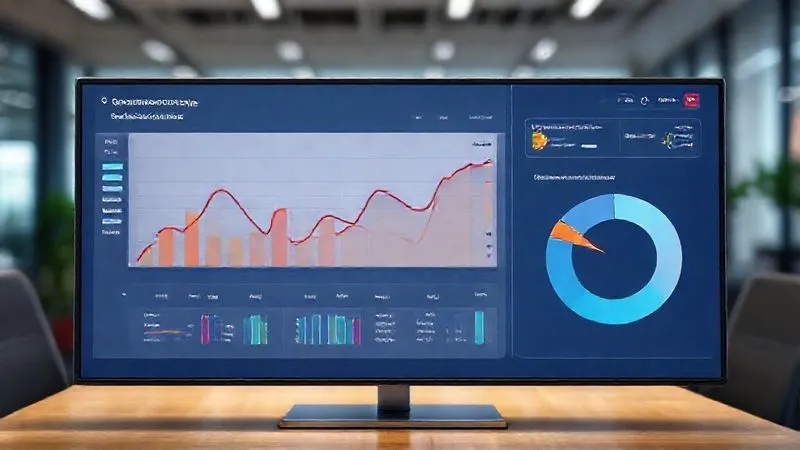
Once you have this data, look for correlations and patterns. Are customers who don't use a specific feature churning more often? Is there a spike in churn after a particular product update? Are support response times impacting retention? Visualizing this data is key to rapid understanding.
The 90-Day Rapid Intervention Framework: Phase 1 (Days 16-45)
With your diagnostic insights in hand, it’s time to move into rapid intervention. This initial phase focuses on quick wins and proactive measures that can immediately stem the bleeding and show tangible results within weeks.
Re-engaging At-Risk Customers Proactively
Identifying at-risk customers is a crucial first step. These are the customers showing signs of disengagement – declining product usage, decreased activity, or a sudden drop in interactions. Don't wait for them to churn; reach out before it's too late.
- Define Risk Triggers: Establish clear metrics that indicate a customer is at risk (e.g., no login in 7 days, decreased feature usage, multiple unanswered emails).
- Automate Early Warning Systems: Implement tools that automatically flag customers hitting these triggers and alert your customer success or account management teams.
- Personalized Outreach: Don't send generic emails. Reach out with a personalized message acknowledging their activity (or lack thereof), offering assistance, or sharing relevant content that adds value.
- Offer a 'Win-Back' Incentive: For those showing clear signs of disengagement, consider a small, targeted incentive – a free consultation, a temporary discount, or access to a premium feature – to re-ignite their interest.
- Schedule a Check-in Call: A direct, empathetic conversation can often uncover hidden issues that automated systems cannot.
Proactive engagement isn't just about saving customers; it's about demonstrating that you value their business and are committed to their success. As research from Harvard Business Review suggests, a focus on proactive customer service significantly boosts customer satisfaction and loyalty. Read more on the power of proactive service here.
| Customer Segment | Risk Indicators | Intervention Strategy |
|---|---|---|
| New User (Trial) | No login in 3 days, incomplete profile | Automated 'Getting Started' email, personalized setup call offer |
| Active User (Declining) | 20% drop in key feature usage, no support tickets | Personalized email with relevant use-case content, proactive check-in call |
| Long-term (Disengaged) | No purchases in 60 days, ignored promotional emails | Win-back offer, re-engagement survey, senior account manager outreach |
Enhancing Customer Experience: Phase 2 (Days 46-75)
Once you've addressed immediate churn risks, the next phase focuses on systematically improving the overall customer experience. This is about building a robust foundation that naturally fosters loyalty and reduces future churn.
Optimizing Onboarding & First-Touch Experience
The first few interactions a customer has with your product or service are disproportionately important. A poor onboarding experience is a leading cause of early churn. This phase is about making those initial moments truly exceptional.
- Streamline the Onboarding Flow: Remove unnecessary steps, clarify instructions, and make the path to first value as short and clear as possible.
- Personalized Welcome: Tailor welcome messages and initial guidance based on the customer's stated goals or initial actions.
- Educate & Empower: Provide easy-to-digest tutorials, video guides, and accessible documentation. Don't just show them *what* to do, explain *why* it matters to them.
- Set Clear Expectations: Be transparent about what your product can and cannot do, and what the customer's journey will look like.
- Proactive Check-ins: Schedule automated or manual check-ins during the first week or month to ensure they are progressing and address any friction points.
A well-executed onboarding process transforms new users into engaged, active customers, significantly reducing the likelihood of early churn. It sets the tone for the entire customer relationship.
Implementing Feedback Loops & Acting on Insights
You can't improve what you don't measure, and you can't truly understand your customers without listening to them. Implementing robust feedback loops is essential for continuous improvement and demonstrating to your customers that their voice matters.
- Regular Surveys: Deploy NPS (Net Promoter Score) to gauge overall loyalty, CSAT (Customer Satisfaction) after interactions, and CES (Customer Effort Score) to measure ease of use.
- In-App Feedback Widgets: Make it easy for customers to provide feedback directly within your product or service.
- User Interviews & Focus Groups: Go beyond surveys to have qualitative conversations that uncover deeper motivations and frustrations.
- Monitor Social Media & Review Sites: These platforms are often unfiltered sources of customer sentiment.
- Close the Loop: This is perhaps the most critical step. Acknowledge feedback, communicate how you're using it, and – most importantly – implement changes based on what you learn.
According to a study by Microsoft, 90% of customers expect an organization to offer an online portal for self-service. What's more, customers are more likely to spend more with companies that take their feedback into account. Explore the full report on customer service expectations.

Building Long-Term Loyalty: Phase 3 (Days 76-90)
As you near the end of your 90-day sprint, the focus shifts to solidifying customer relationships and fostering long-term loyalty. This phase is about moving beyond problem-solving to proactive value creation and community building.
Value Reinforcement & Upselling/Cross-selling Ethically
Customers stay when they continuously perceive value. It's not enough to deliver value once; you need to remind them of it and demonstrate how you can offer even more. This often involves strategic upselling or cross-selling, but always with the customer's best interest at heart.
- Regular Value Communication: Send monthly summaries of how customers are using your product, new features released, or success stories from similar businesses.
- Personalized Recommendations: Based on their usage patterns and needs, suggest additional features, services, or products that genuinely enhance their experience.
- Educational Content: Provide webinars, guides, and articles that help them maximize their use of your offering and achieve their goals.
- Customer Success Reviews: Conduct periodic business reviews with key accounts to discuss their progress, identify new needs, and demonstrate ROI.
“The best marketing is always about empathy and connection, not just transactions. It's about serving the people you care about.” – Seth Godin.
When you focus on adding genuine value, upselling and cross-selling become a natural extension of your customer success efforts, rather than just a sales tactic. This builds trust and strengthens the relationship, making churn less likely.
Creating a Community & Loyalty Programs
Humans are social creatures, and belonging to a community significantly increases stickiness. Fostering a sense of community around your brand and rewarding loyalty can dramatically reduce churn.
- Online Forums or Groups: Create a space where customers can connect with each other, share best practices, and get peer support.
- User-Generated Content: Encourage customers to share their success stories, tips, and testimonials.
- Exclusive Content & Events: Offer loyal customers access to premium content, beta programs, or exclusive webinars.
- Referral Programs: Incentivize existing customers to refer new ones, turning them into advocates.
- Tiered Loyalty Programs: Reward customers based on their tenure or spend with exclusive benefits, discounts, or early access to new features.
A well-designed loyalty program doesn't just offer discounts; it creates a sense of belonging and appreciation. Customers who feel valued and connected are far less likely to seek alternatives. Learn more about building powerful loyalty programs.
Empowering Your Team: The Human Element of Retention
No strategy, no matter how brilliant, can succeed without the right people executing it. Your team members are the frontline of customer retention. Investing in their training, tools, and alignment is non-negotiable for reducing churn.
Training for Customer Success & Empathy
Customer success isn't just a department; it's a mindset that should permeate your entire organization. Every interaction, from sales to support to product development, impacts retention. Equipping your team with the skills to foster customer success is vital.
- Empathy Training: Teach team members to actively listen, understand customer pain points, and respond with genuine care and understanding.
- Product Expertise: Ensure everyone, especially customer-facing roles, has a deep understanding of your product's features, benefits, and common use cases.
- Conflict Resolution Skills: Provide training on de-escalation techniques and how to turn a negative customer experience into a positive one.
- Proactive Problem Solving: Empower teams to anticipate issues and offer solutions before customers even realize there's a problem.
- Feedback Collection & Utilization: Train teams on how to effectively collect customer feedback and route it to the appropriate internal departments for action.
Remember, a well-trained, empathetic team can often save a customer who is on the brink of churning, simply by making them feel heard and valued. It's about building relationships, not just processing transactions.
Aligning Sales, Marketing, and Support
One of the biggest culprits of churn I've observed is internal misalignment. When sales oversells, marketing misrepresents, or support is disconnected from product development, customers suffer, and churn skyrockets. True customer retention requires a unified front.
- Shared Goals & Metrics: Ensure all departments have shared goals related to customer lifetime value and retention, not just acquisition.
- Regular Cross-Functional Meetings: Facilitate communication between departments to share insights, discuss customer feedback, and align on messaging and strategy.
- Customer Journey Mapping: Collaboratively map the entire customer journey to identify handoff points and areas of potential friction between departments.
- Feedback Loop Integration: Establish clear processes for customer feedback collected by support to inform product development and marketing messaging.
- Consistent Messaging: Ensure that the promises made by sales and marketing are consistently delivered by product and support.
Case Study: How ConnectFlow Reduced Customer Churn
ConnectFlow, a B2B SaaS company, faced a persistent 28% customer churn rate, largely due to a disconnect between their sales team's promises and the product's actual capabilities, compounded by slow support. By implementing a mandatory weekly 'Customer Sync' meeting involving sales, product, and support leads, they began to align expectations and address product gaps directly. They also introduced shared KPIs for customer onboarding success and time-to-resolution for support tickets. Within 90 days, their churn rate dropped by 18%, exceeding their 15% goal, primarily by improving the consistency of the customer experience and proactively resolving issues identified through cross-functional collaboration. This resulted in a significant boost in customer satisfaction and a noticeable increase in positive reviews.
Measuring Success & Iterating: Beyond the 90 Days
Achieving a 15% reduction in churn within 90 days is a fantastic accomplishment, but it's not the end of the journey. Retention is an ongoing process of measurement, analysis, and continuous improvement. This phase sets you up for sustained success.
Key Metrics to Track (Churn Rate, LTV, NPS, CSAT)
To confirm your 15% reduction and continue improving, you need to rigorously track the right metrics. Establish baselines at the start of your 90-day plan and monitor these indicators regularly.
- Customer Churn Rate: The percentage of customers who stopped using your product or service over a given period. This is your primary metric.
- Revenue Churn Rate: The percentage of recurring revenue lost from existing customers over a given period. Crucial for understanding financial impact.
- Customer Lifetime Value (LTV): The total revenue a business can reasonably expect from a single customer account over their relationship. Increased LTV signifies better retention.
- Net Promoter Score (NPS): Measures customer loyalty and willingness to recommend. A higher NPS often correlates with lower churn.
- Customer Satisfaction (CSAT): Measures satisfaction with specific interactions or aspects of your service.
- Customer Engagement Metrics: Product usage frequency, feature adoption rates, time spent in-app, etc.
Regularly review these metrics, not just at the end of 90 days, but weekly or bi-weekly to identify trends and adjust your strategy as needed. Don't just look at the numbers; understand the stories they tell.
| Metric | Baseline (Day 0) | Target (Day 90) | Monitoring Frequency |
|---|---|---|---|
| Customer Churn Rate | 10% | 8.5% (-15%) | Weekly |
| Revenue Churn Rate | 8% | 6.8% (-15%) | Bi-Weekly |
| NPS | +30 | +35 | Monthly |
| Avg. Customer LTV | $500 | $550 | Quarterly |
Establishing a Continuous Improvement Cycle
Retention is never 'solved.' It's an ongoing commitment. Once you've achieved your initial 15% reduction, you must embed a culture of continuous improvement to maintain and further enhance your gains.
- Regular Review Meetings: Schedule monthly or quarterly meetings to review churn data, discuss new insights, and adapt strategies.
- A/B Testing: Continuously test different onboarding flows, messaging, and proactive outreach strategies to find what works best.
- Stay Updated on Industry Trends: Customer expectations evolve. Keep an eye on new technologies and best practices in customer experience and retention.
- Empower Your Team: Continue to invest in training and give your team the autonomy to experiment and innovate in their customer interactions.
- Celebrate Successes: Acknowledge and celebrate the wins, big and small, to keep your team motivated and reinforce the importance of retention.

Common Pitfalls to Avoid in Your Churn Reduction Journey
Even with the best intentions and a solid plan, certain traps can derail your churn reduction efforts. I've seen these mistakes made repeatedly, and avoiding them is as crucial as implementing the right strategies.
- Ignoring Involuntary Churn: Focusing solely on voluntary churn can leave significant revenue on the table. Payment failures are fixable!
- One-Size-Fits-All Approach: Treating all customers and all churn reasons the same is inefficient and ineffective. Segmentation is key.
- Lack of Internal Alignment: When sales, marketing, and support aren't on the same page, the customer experience suffers, leading to frustration and churn.
- Failing to Act on Feedback: Collecting feedback is pointless if you don't use it to make tangible improvements. This signals to customers that their voice doesn't matter.
- Over-Promising and Under-Delivering: Setting unrealistic expectations during the sales process is a sure-fire way to drive early churn. Honesty and transparency build trust.
- Neglecting Long-Term Customers: Focusing too much on new customers can make your loyal base feel taken for granted, increasing their likelihood of leaving.
- Not Measuring the Right Things: Tracking vanity metrics instead of actionable KPIs will lead you astray.
“Customer experience is not a one-off project; it’s an ongoing journey. Patience, persistence, and a willingness to adapt are your greatest assets.” – McKinsey & Company.
Be vigilant, be adaptable, and always keep your customer's perspective at the forefront of every decision.
Frequently Asked Questions (FAQ)
Question? How quickly can I realistically expect to see results from these churn reduction strategies? While a 15% reduction in 90 days is an ambitious but achievable target, you can often see initial positive shifts within 30-45 days, particularly from proactive re-engagement and onboarding optimizations. The full impact of systemic changes, like improved feedback loops and team alignment, will accumulate over the 90-day period and beyond. Consistent effort is key.
Question? What's the single most important metric to track for churn reduction? While the churn rate itself is critical, I'd argue that Customer Lifetime Value (LTV) is arguably the most important long-term metric. A higher LTV indicates that customers are staying longer and generating more revenue, which is the ultimate goal of churn reduction. NPS and engagement metrics serve as crucial leading indicators for LTV.
Question? My company is small and lacks extensive data analytics tools. Can I still implement these strategies? Absolutely. While advanced tools are helpful, you can start with simpler methods. Use spreadsheets to track customer interactions, conduct manual exit interviews, and send basic email surveys. The core principles of understanding your customer, listening to feedback, and acting proactively remain the same, regardless of your tech stack. Start small, be consistent, and leverage the data you do have.
Question? How do I deal with 'unavoidable' churn, like customers going out of business or changing needs? Some churn is indeed unavoidable. However, even in these cases, you can mitigate its impact. For example, if a customer is downsizing, can you offer a lower-tier plan instead of full cancellation? If their needs are changing, can you refer them to a partner or offer a related service? And even if they leave, ensure they leave with a positive impression, increasing the likelihood of future referrals or re-engagement if their situation changes. Focus on making every exit a graceful one.
Question? What role does pricing play in customer churn, and how should I address it? Pricing is a significant factor in churn, especially for mature customers or in competitive markets. If your diagnostics reveal price as a primary churn driver, you need to evaluate your value proposition relative to your price point. Are you delivering enough perceived value? Are your competitors offering similar value at a lower price? Strategies can include value-based pricing, offering tiered plans, or clearly communicating the ROI your product provides to justify the cost. Avoid competing solely on price; instead, compete on value.
Key Takeaways and Final Thoughts
- Diagnostic First: Understand *why* customers churn before attempting to fix it. Data-driven insights are non-negotiable.
- Proactive Engagement: Don't wait for customers to leave; identify at-risk segments and reach out with personalized value.
- Experience is Everything: Optimize onboarding, streamline processes, and make every customer interaction frictionless and positive.
- Listen and Act: Implement robust feedback loops and, crucially, demonstrate that you're listening by acting on the insights.
- Empower Your Team: Invest in training, foster empathy, and ensure seamless alignment across all customer-facing departments.
- Measure, Monitor, Iterate: Churn reduction is an ongoing journey. Continuously track key metrics and adapt your strategies.
- Focus on Value: Always reinforce the value your product or service provides, and ethically seek opportunities to expand that value.
Reducing customer churn by 15% in 90 days isn't just a lofty goal; it's an achievable strategic imperative that can fundamentally transform your business. It requires dedication, a data-driven approach, and a deep commitment to your customers. I've seen countless companies turn their fortunes around by focusing on retention, and I'm confident that by following this framework, you can too. Start today, stay consistent, and watch your customer relationships, and your bottom line, flourish.
Recommended Reading
- 7 Proven Strategies to Prevent Scope Creep in Long-Term Consulting
- Build a Predictable Revenue Pipeline: 7 Steps From Scratch
- 5 Proven Strategies: Prevent Cultural Missteps in Global Business Talks
- 9 Proven Strategies to Slash Financial Losses from Supply Chain Disruptions
- 7 Reasons New Franchise Owners Fail (And How to Avoid Them)





Comments
Leave a comment below. Your email will not be published. Required fields marked with *