


How to Reduce Remote Employee Turnover Due to Low Engagement?
For over 15 years in the business landscape, I’ve witnessed countless organizations grapple with a deceptively simple yet profoundly damaging challenge: retaining talent in a rapidly evolving work environment. The shift to remote work, while offering immense flexibility and opportunity, has also amplified a critical vulnerability – employee disengagement. I've seen promising teams unravel, not due to lack of skill, but because the invisible threads of connection and purpose frayed in the digital ether.
The stark reality is that low engagement among remote employees isn't just a 'nice-to-have' problem; it's a direct precursor to high turnover, eroding team cohesion, productivity, and ultimately, your bottom line. Leaders often feel a sense of helplessness, struggling to replicate the informal interactions and spontaneous mentorship that once defined their office culture. This leads to a silent exodus, where valuable team members simply drift away, feeling unheard, unvalued, and disconnected from the organizational mission.
But it doesn't have to be this way. In this definitive guide, I will share the actionable frameworks, research-backed strategies, and expert insights that I've seen transform struggling remote teams into vibrant, highly engaged powerhouses. You’ll learn precisely how to reduce remote employee turnover due to low engagement by building a culture of psychological safety, clear communication, and purposeful connection, even across time zones and digital divides.
The Invisible Threat: Understanding Remote Disengagement's Roots
Before we can fix a problem, we must understand its anatomy. Remote disengagement isn't a monolithic issue; it's a complex interplay of factors unique to the distributed work environment. In my experience, the biggest culprits often hide in plain sight.
The Challenge of Isolation and Lack of Belonging
One of the most profound differences between office and remote work is the loss of spontaneous social interaction. Water cooler chats, hallway hellos, and team lunches are gone. For many, this leads to a feeling of isolation, a sense of being 'out of sight, out of mind.' This isn't just about loneliness; it's about the erosion of a sense of belonging, which is fundamental to human motivation and engagement. Indeed, Gallup's State of the Global Workplace report consistently highlights low engagement as a pervasive issue, directly impacting productivity and retention.
Blurred Lines: Work-Life Imbalance
The home office can quickly become an 'always-on' trap. Without the clear demarcation of a commute or a physical office closing, many remote employees struggle to disconnect. This constant pressure leads to burnout, stress, and ultimately, disengagement. They might be physically present, but mentally and emotionally, they're running on empty.
Communication Gaps and Misinterpretations
Remote work magnifies communication challenges. Nuance is lost without body language, tone of voice can be misconstrued in text, and critical information can fall through the cracks. This leads to frustration, inefficiency, and a feeling that one is not adequately informed or supported. As leadership expert Simon Sinek often emphasizes, clear communication is the bedrock of trust and effective collaboration.
"Remote work amplifies both the best and worst aspects of your company culture. Disengagement in a remote setting is often a symptom of underlying cultural deficiencies that were merely masked by physical proximity."
Strategy 1: Cultivating Psychological Safety and Belonging
The foundation of any highly engaged team, especially a remote one, is psychological safety. It's the belief that you won't be punished or humiliated for speaking up with ideas, questions, concerns, or mistakes. Without it, employees will self-censor, leading to a silent, disengaged workforce. As Amy Edmondson, a professor at Harvard Business School and leading expert on the topic, articulates, psychological safety is crucial for high-performing teams. Read more about it here in the Harvard Business Review.
Building a Culture of Trust and Vulnerability
- Encourage 'Safe Spaces' for Sharing: Implement regular, informal check-ins – not just about tasks, but about well-being. Ask questions like, "What's one thing you're struggling with this week, work-related or not?"
- Model Vulnerability as a Leader: Share your own challenges and learnings. When leaders admit mistakes or uncertainties, it creates permission for others to do the same. This builds immense trust and strengthens the sense of belonging.
- Actively Solicit and Acknowledge Feedback: Create clear channels for employees to provide feedback anonymously or directly. More importantly, demonstrate that feedback is heard and acted upon. Close the loop.
Fostering Social Connection Beyond Tasks
While work is important, human connection is vital. It's about creating those 'water cooler' moments digitally.
- Virtual Social Events: Organize non-work-related virtual activities like coffee breaks, game nights, or themed happy hours. Make them optional but engaging.
- Buddy Systems for New Hires: Pair new remote employees with a seasoned team member who can help them navigate the company culture and build initial connections.
- Shared Interest Channels: Create Slack or Teams channels for hobbies like cooking, gaming, or pets. These informal spaces allow personalities to shine and build camaraderie.
By consciously designing opportunities for connection and ensuring that team members feel safe to be their authentic selves, you lay the groundwork to significantly reduce remote employee turnover due to low engagement.
Strategy 2: Mastering Asynchronous Communication & Clarity
In a remote setting, relying solely on synchronous meetings is a recipe for burnout and miscommunication. Embracing asynchronous communication is not just a preference; it's a strategic imperative for clarity, efficiency, and engagement.
Defining Clear Communication Protocols
Ambiguity is the enemy of remote engagement. Employees need to know where to find information, how to communicate, and what the expectations are.
- Document Everything: Create a centralized, easily accessible knowledge base for processes, decisions, and project updates. Think of it as your company's digital brain.
- Choose the Right Tool for the Job: Establish guidelines for when to use email (formal, non-urgent), chat (quick questions, informal), project management tools (task updates), and video calls (complex discussions, relationship building).
- Set Response Time Expectations: Clearly communicate expected response times for different channels. This reduces anxiety and the 'always-on' pressure.
The Power of Intentional Asynchronous Updates
Instead of endless meetings, shift to structured async updates that inform and empower.
- Daily/Weekly Stand-ups (Text-Based): Encourage team members to share their progress, blockers, and plans in a dedicated channel or tool. This keeps everyone informed without interrupting flow.
- Pre-recorded Updates & Demos: For complex explanations or product demos, consider recording a short video. This allows team members to consume information at their own pace and re-watch as needed.
- Structured Feedback Loops: Implement specific times or platforms for providing feedback on documents, designs, or projects, ensuring everyone has a chance to contribute thoughtfully, not just the loudest voice in a meeting.
Effective asynchronous communication reduces meeting fatigue, respects different time zones, and allows employees to focus on deep work. This directly contributes to higher satisfaction and helps reduce remote employee turnover due to low engagement. 
Strategy 3: Purposeful Performance & Growth Pathways
Remote employees, perhaps even more than their in-office counterparts, need a clear sense of purpose and visible pathways for growth. When work feels meaningless or stagnant, disengagement is inevitable.
Connecting Individual Contributions to the Bigger Picture
Ensure every team member understands how their work contributes to the company's strategic goals.
- Transparent Goal Setting: Use frameworks like OKRs (Objectives and Key Results) that are visible to everyone. Show how individual tasks roll up into team and company objectives.
- Regular 1:1s with a Focus on Impact: Shift 1:1s from status updates to discussions about impact, challenges, and future aspirations. Help employees see the value they create.
- Celebrate Small Wins Publicly: Acknowledge and celebrate achievements – both individual and team – in public forums. This reinforces positive behavior and builds morale.
Designing Clear Development and Career Paths
Stagnation is a major driver of turnover. Remote employees need to see that their career can progress within the organization.
- Personalized Development Plans: Work with each employee to create a plan that aligns their career aspirations with company needs. This might include skills training, mentorship, or new project opportunities.
- Access to Learning Resources: Provide easy access to online courses, workshops, and industry conferences. Invest in their growth.
- Internal Mobility Opportunities: Promote internal transfers and career progression. Show that there are opportunities to grow within the company, not just by leaving it.
By providing clarity of purpose and genuine opportunities for development, you not only boost engagement but also build a compelling reason for employees to stay. This is a crucial element in how to reduce remote employee turnover due to low engagement.
| Development Area | Action Step | Timeline | Impact |
|---|---|---|---|
| Skill Gap Analysis | Quarterly self-assessment & manager review | Ongoing | Identifies areas for targeted training |
| Mentorship Program | Pair with senior leader for 6 months | Bi-annually | Accelerates career growth & knowledge transfer |
| Cross-Functional Projects | Assign to project outside primary role | As opportunities arise | Broadens perspective & skill set |
| Formal Training | Enroll in online course/certification | Annually | Deepens expertise in specific domain |
Strategy 4: Empowering Managers as Engagement Catalysts
Managers are the frontline of employee engagement. In a remote setting, their role becomes even more critical. They are the primary link between the employee and the organization, and their effectiveness directly impacts retention.
Training Managers for Remote Leadership
Leading a remote team requires a different skill set than leading an in-office team.
- Empathy and Emotional Intelligence: Train managers to recognize signs of disengagement or burnout remotely. This includes active listening during video calls and paying attention to communication patterns.
- Delegation and Trust: Equip managers to delegate effectively and trust their team members to perform without constant oversight. Micromanagement is a sure fire way to kill remote engagement.
- Facilitating Virtual Connection: Provide managers with tools and strategies to foster team cohesion, from virtual icebreakers to structured team-building exercises.
- Performance Management in a Remote Context: Train managers on setting clear expectations, providing constructive feedback remotely, and recognizing achievements in a distributed environment.
Case Study: How Acme Corp Reduced Employee Churn
Acme Corp, a mid-sized tech company specializing in SaaS solutions, faced a staggering 30% voluntary churn rate among their remote engineering teams over 18 months. Exit interviews consistently pointed to a lack of connection with leadership and a feeling of being 'just a cog in the machine'. Recognising this as a critical failure in manager-employee relationships, they invested heavily in their team leads.
By implementing a comprehensive Remote Manager Enablement Program, which included weekly 1:1 coaching sessions for managers on empathetic leadership, asynchronous feedback techniques, and virtual team-building facilitation, Acme Corp saw a dramatic shift. Managers were taught to not just ask 'What did you do?' but 'How are you doing?' and 'How can I support you?'. They also mandated monthly virtual 'coffee roulette' pairings within teams.
Within 12 months, Acme Corp's remote employee turnover dropped to 12%, and their internal engagement survey scores for 'manager support' and 'feeling valued' increased by 45%. This resulted in a significant reduction in recruitment costs and a noticeable boost in team productivity and morale. This case exemplifies how investing in your managers is key to knowing how to reduce remote employee turnover due to low engagement.

Strategy 5: Leveraging Technology for Connection, Not Just Control
Technology is the backbone of remote work, but it can be a double-edged sword. Used wisely, it fosters connection and efficiency; misused, it creates surveillance and resentment.
Choosing the Right Tools for Engagement
The goal isn't more tools, but the *right* tools used effectively.
- Communication Hubs: Utilize platforms like Slack or Microsoft Teams for real-time collaboration, but also establish clear channels for different types of communication (e.g., #announcements, #project-x, #social-pets).
- Project Management Software: Tools like Asana, Trello, or Jira provide transparency into project progress, individual responsibilities, and deadlines, reducing ambiguity and fostering accountability.
- Virtual Whiteboards & Collaboration Tools: Miro, Mural, or Google Jamboard can replicate the spontaneity of in-person brainstorming and problem-solving, making remote collaboration dynamic and inclusive.
- Engagement & Feedback Platforms: Consider tools like Culture Amp or Officevibe for pulse surveys, anonymous feedback, and tracking sentiment. These provide valuable, actionable data on employee well-being and satisfaction.
Avoiding the Pitfalls of Digital Surveillance
While monitoring tools exist, over-reliance on them can quickly erode trust and engagement.
- Focus on Outcomes, Not Activity: Shift from tracking keystrokes or login times to measuring tangible results and goal achievement. Trust your employees to manage their time.
- Transparency is Key: If you use any monitoring tools (e.g., for security or compliance), be completely transparent about their purpose and what data is collected.
- Empower Autonomy: Provide employees with the flexibility to structure their workday in a way that maximizes their productivity, respecting their personal circumstances.
Thoughtful technology adoption, coupled with a philosophy of trust and empowerment, is crucial in knowing how to reduce remote employee turnover due to low engagement. It creates an environment where technology serves the human connection, not replaces it.
| Tool Category | Recommended Tool Example | Engagement Benefit |
|---|---|---|
| Communication | Slack/Microsoft Teams | Real-time collaboration, informal connection |
| Project Management | Asana/Jira | Transparency, accountability, clear goals |
| Collaboration | Miro/Mural | Interactive brainstorming, idea generation |
| Feedback/Survey | Culture Amp/Officevibe | Active listening, data-driven improvements |
Measuring What Matters: Metrics Beyond Activity
You can't improve what you don't measure. But in the remote world, measuring 'activity' (like hours online) is often counterproductive. Focus instead on metrics that truly reflect engagement, impact, and retention.
Key Metrics for Remote Engagement and Retention
- Voluntary Turnover Rate: Track how many employees choose to leave and, if possible, delve into the reasons through exit interviews. This is your ultimate indicator for how to reduce remote employee turnover due to low engagement.
- Employee Net Promoter Score (eNPS): A simple survey question ("How likely are you to recommend our company as a place to work?") provides a quick pulse on overall satisfaction and loyalty.
- Engagement Survey Scores: Conduct regular, comprehensive surveys measuring aspects like belonging, psychological safety, clarity of purpose, and growth opportunities. According to a Deloitte study on employee experience, a strong sense of belonging is a key driver of workforce commitment and performance.
- Manager Effectiveness Scores: Include questions about manager support, feedback quality, and fairness in your surveys. Remember, managers are key.
- Participation Rates in Optional Activities: While not a direct measure of engagement, low participation in social events or optional training might signal a deeper issue of disconnection.
- Internal Mobility Rate: A healthy rate of internal promotions or transfers indicates employees see growth opportunities within the company.
- Absenteeism and Presenteeism: While harder to track remotely, sudden changes in availability or signs of burnout (e.g., consistently working late, taking fewer breaks) can be red flags.
Analyzing Data for Actionable Insights
Data is only useful if it leads to action. Look for trends, correlations, and anomalies.
- Segment Your Data: Analyze engagement by team, department, tenure, or manager. This can reveal specific problem areas.
- Conduct Stay Interviews: Instead of just exit interviews, proactively talk to your high-performing, long-tenured employees to understand why they stay and what keeps them engaged.
- Pilot Initiatives and Measure Impact: When implementing a new engagement strategy, define clear metrics upfront and track its effectiveness over time.
Regularly reviewing these metrics with an analytical yet empathetic lens will provide the insights needed to refine your strategies and effectively combat disengagement. 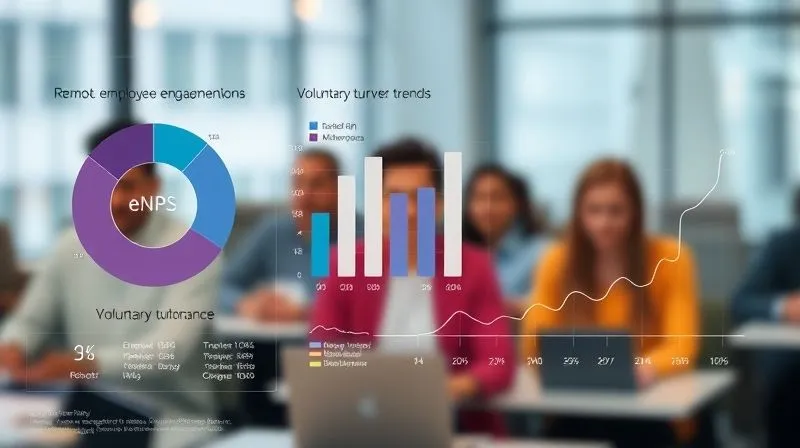
Frequently Asked Questions (FAQ)
Q: How quickly can I expect to see results after implementing these strategies? A: While some immediate improvements in morale might be noticeable, significant reductions in remote employee turnover due to low engagement typically take 6-12 months. Building a strong, engaged remote culture is a marathon, not a sprint. Consistency and genuine commitment are key. Focus on incremental improvements and celebrate small victories along the way.
Q: Is it possible to have too much communication in a remote setting? A: Yes, absolutely. The goal isn't more communication, but more effective and intentional communication. 'Always-on' chat notifications, excessive meetings, and unclear communication channels can lead to fatigue and overwhelm. Focus on quality over quantity, and prioritize asynchronous methods where appropriate to respect deep work time and different time zones.
Q: What's the single most important thing a remote manager can do to boost engagement? A: In my opinion, it's fostering psychological safety and genuine connection. A manager who creates an environment where team members feel safe to speak up, make mistakes, and be their authentic selves, and who genuinely cares about their well-being beyond just tasks, will have the most profound impact on engagement and retention. This builds the trust necessary for all other strategies to succeed.
Q: How can I address disengagement in a remote employee who seems completely withdrawn? A: This requires a sensitive, proactive approach. Start with a private, empathetic 1:1 conversation, expressing concern for their well-being. Ask open-ended questions like, "I've noticed you seem a bit quieter lately; is everything okay? How can I support you?" Avoid accusations. Offer resources if appropriate (EAP, flexible work options). If the issue persists, involve HR, but always prioritize a supportive, understanding approach first. Sometimes, just knowing someone cares can make a huge difference.
Q: How do these strategies apply to a hybrid work model? A: These strategies are equally, if not more, critical in a hybrid model. Hybrid often presents unique challenges of 'proximity bias' where in-office employees inadvertently get more attention or opportunities. It's crucial to apply these principles consistently to both remote and in-office staff, ensuring equitable access to information, development, and connection, regardless of their physical location on a given day. Intentionality is paramount in hybrid.
Key Takeaways and Final Thoughts
The challenge of how to reduce remote employee turnover due to low engagement is formidable, but it is far from insurmountable. It requires a deliberate, empathetic, and strategic approach that places human connection and purpose at its core. As I've outlined, success hinges on:
- Prioritizing Psychological Safety: Creating an environment where employees feel safe to contribute and be vulnerable.
- Mastering Asynchronous Communication: Ensuring clarity and efficiency without burnout.
- Providing Purpose and Growth: Connecting individual contributions to the larger mission and offering clear development paths.
- Empowering Your Managers: Equipping them with the skills to lead and connect effectively in a distributed world.
- Leveraging Technology Wisely: Using tools to foster connection and transparency, not control.
- Measuring What Truly Matters: Focusing on engagement and retention metrics, not just activity.
The future of work is undeniably flexible, and your ability to build and sustain a thriving, engaged remote workforce will be a defining factor in your organization's success. By investing in these strategies, you're not just preventing turnover; you're cultivating a resilient, innovative, and deeply committed team that will propel your business forward, no matter where they're working from. Embrace this journey with intentionality and empathy, and watch your remote team flourish.
Recommended Reading
- Unlock Success: How to Structure an Effective Entrepreneur Mentorship Program
- Authentic Green Impact: 5 Pillars to Measure Environmental Initiatives
- Invisible Locally? 7 Steps to Fix Your Small Business's Local Search Ranking
- 7 HR Strategies: Halting Remote Burnout & High Turnover
- 7 Steps to Win C-Suite Buy-In for Radical Strategic Shifts





Comments
Leave a comment below. Your email will not be published. Required fields marked with *