


How to Shorten Long B2B Sales Cycles for Enterprise Clients?
For over two decades in the B2B sales arena, especially within the complex world of enterprise solutions, I've observed a recurring, costly pattern: promising deals getting stuck in an agonizingly long sales cycle. It's not just about lost revenue; it's about wasted resources, demoralized teams, and missed opportunities that can severely impact a company's growth trajectory.
The unique challenges of selling to enterprise clients – multiple stakeholders, intricate procurement processes, risk aversion, and the sheer scale of the potential impact – often stretch sales cycles from months into years. This extended timeline isn't just a nuisance; it's a significant drain on resources, a barrier to predictable forecasting, and a breeding ground for competitor infiltration.
In this definitive guide, I'll share the strategies, frameworks, and hard-won insights I've developed and refined over my career to dramatically compress B2B sales cycles for enterprise clients. We'll move beyond generic advice to explore actionable techniques, supported by real-world examples and data-driven approaches, designed to accelerate your deals and boost your win rates.
Deconstructing the Enterprise Sales Cycle: Why It's So Long
Before we can shorten something, we must first understand why it's long. Enterprise sales cycles are inherently protracted due to several critical factors. These aren't obstacles to be ignored, but rather elements to be strategically navigated.
- Multiple Stakeholders: An average B2B purchase decision involves 6-10 people, each with their own priorities and concerns.
- High Stakes and Risk Aversion: Enterprise decisions often involve multi-million dollar investments and significant operational changes.
- Complex Procurement Processes: Legal, compliance, security, and finance teams all weigh in, adding layers of review.
- Budget Allocation & Approval: Large budgets require executive-level sign-off, often tied to annual planning cycles.
- Solution Customization: Enterprise solutions frequently require tailoring, extending evaluation and implementation planning.
"In enterprise sales, you're not just selling a product; you're selling a vision, managing change, and mitigating risk across an entire organization."
Understanding these underlying dynamics is the first step towards building a more agile and efficient sales process. It's about proactive management, not reactive firefighting.
Precision Targeting: Identifying the Ideal Enterprise Client Profile (ICP)
One of the most profound mistakes I've witnessed in enterprise sales is pursuing every lead with equal vigor. This scattergun approach not only wastes precious resources but also inflates your sales cycle with unsuitable prospects. The key to shortening cycles begins long before the first call: it starts with ruthless precision in targeting.
Defining your Ideal Client Profile (ICP) for enterprise clients goes beyond basic demographics. It involves a deep understanding of which companies derive the most value from your solution, have the budget to invest, the internal champions to drive change, and the strategic imperative to act now.
- Analyze Your Best Customers: Identify common attributes of your most successful, profitable, and long-term enterprise clients. What industries are they in? What's their revenue size? What specific pain points did you solve for them?
- Map Pain Points to Solutions: For each identified ICP segment, articulate precisely how your solution addresses their most pressing, high-impact business challenges.
- Identify Key Decision Makers & Influencers: Go beyond job titles. Understand their roles, responsibilities, and how they perceive value.
- Develop a Scoring Mechanism: Implement a lead scoring system that prioritizes prospects based on their alignment with your ICP and their demonstrated intent.
According to a Harvard Business Review article, companies that excel at lead nurturing generate 50% more sales-ready leads at 33% lower cost. This isn't just about efficiency; it's about focusing your efforts where they'll yield the quickest, most impactful results.
By focusing solely on enterprise clients that are truly an ideal fit, you automatically reduce the time spent on dead-end opportunities and accelerate the engagement with those who are genuinely poised to buy.
Strategic Account Planning: Beyond the Initial Outreach
Once an ICP-aligned prospect is identified, the next critical phase is meticulous strategic account planning. This isn't just about knowing their company size; it's about understanding their world, their strategic objectives, their competitive landscape, and the individual motivations of every key stakeholder.
I've seen too many sales professionals jump straight into a product demo without truly understanding the client's internal politics or the specific business outcomes they desperately need. This leads to generic pitches that fail to resonate and ultimately prolong the sales cycle.
- Deep Dive Research: Before any meaningful interaction, research the company's annual reports, press releases, recent news, leadership interviews, and even their LinkedIn profiles. Understand their stated goals and recent challenges.
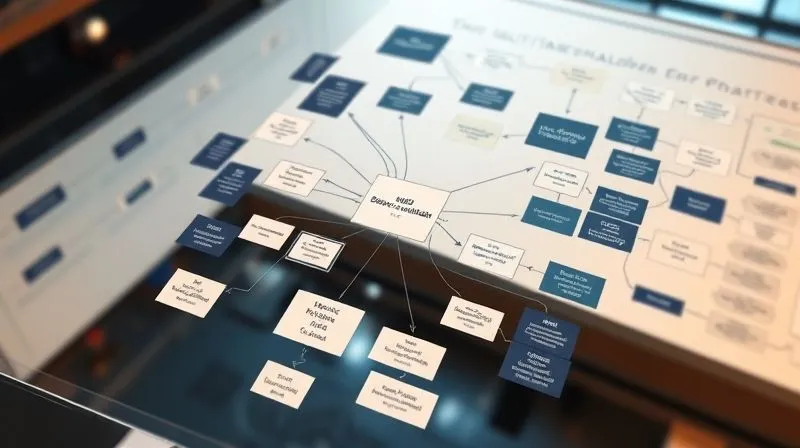
- Stakeholder Mapping and Influence Analysis: Identify all potential decision-makers, influencers, end-users, and even potential blockers. Map their reporting lines, understand their individual KPIs, and anticipate their concerns. This isn't just a list; it's a dynamic web of relationships you need to navigate.
- Craft a Tailored Value Hypothesis: Based on your research, develop a preliminary hypothesis of how your solution will specifically address their strategic objectives and deliver measurable ROI. This isn't your full proposal, but a compelling opening statement.
- Prepare for Objections Proactively: Anticipate common objections from each stakeholder type (e.g., IT security, finance, end-users) and prepare concise, data-backed responses.
This level of preparation demonstrates genuine expertise and commitment, building trust and authority from the very first interaction. It allows you to guide the conversation strategically, rather than reactively, pushing the deal forward more efficiently.
| Stakeholder Role | Primary Concern | Value Proposition Focus |
|---|---|---|
| CFO | ROI, Cost Savings, Budget Impact | Quantifiable financial benefits, rapid payback period, reduced TCO |
| CIO/CTO | Integration, Security, Scalability, Technical Fit | Seamless integration, robust security protocols, future-proof architecture |
| Head of Operations | Efficiency, Process Improvement, User Adoption | Streamlined workflows, reduced manual effort, easy-to-use interface, training support |
Value-Based Selling: Articulating ROI Early and Often
Enterprise clients aren't buying features; they're buying solutions to complex problems that impact their bottom line. The fastest way to shorten a sales cycle is to shift the conversation from what your product does to what measurable business outcomes it delivers.
In my experience, sales cycles often stall when the perceived value isn't clearly articulated or quantified. Executives need a compelling business case, not just a list of features, to justify significant investment.
- Discover Critical Business Problems: Through deep questioning, uncover the specific, quantifiable challenges the enterprise faces (e.g., "Our current system leads to $X million in lost productivity annually").
- Quantify the Impact: Work with the client to put a monetary value on these problems. What's the cost of inaction? What's the potential gain from solving them?
- Build a Custom Business Case: Develop a tailored ROI analysis that clearly demonstrates how your solution will deliver financial returns (e.g., cost savings, revenue generation, risk reduction) within a specific timeframe. This often requires collaboration with the client's finance team.
- Present the Value Story Consistently: Ensure every stakeholder understands the overarching value proposition and how it impacts their specific area.
Case Study: How InnovateTech Streamlined Procurement Cycles
InnovateTech, a global manufacturing firm, struggled with a 12-month average procurement cycle for new software, leading to significant delays in critical projects. Their sales team, initially focused on the technical prowess of their solution, pivoted to a value-based approach. They collaborated with InnovateTech's finance and operations teams to quantify the cost of these delays – estimated at $500,000 per delayed project on average. By demonstrating how their platform could reduce the cycle to 3 months, saving InnovateTech over $1.5 million annually across three major projects, the deal accelerated dramatically. The executive committee, seeing the clear financial benefit, approved the purchase in just 6 weeks.
This focus on quantifiable ROI and strategic business impact is what truly differentiates a fast-moving enterprise deal from a stalled one. As marketing guru Seth Godin often says, "Don't find customers for your products. Find products for your customers." In enterprise sales, this translates to finding solutions for your customers' most pressing, high-value problems.

Streamlining Internal Processes & Stakeholder Alignment
One of the most common reasons enterprise deals get stuck is a lack of internal consensus or misalignment among the client's stakeholders. Your role extends beyond just selling; it's about facilitating internal agreement within the client's organization.
I've learned that you can't shorten a sales cycle if you're only engaging with one or two individuals. You need to build a coalition of support, identify and empower internal champions, and actively manage the consensus-building process.
- Identify and Empower Your Internal Champion: Find someone within the client organization who genuinely believes in your solution's value and is willing to advocate for it internally. Equip them with data, talking points, and support materials.
- Multi-threading: Engage Across Departments: Don't rely on a single point of contact. Proactively seek to connect with stakeholders from various departments (IT, finance, legal, operations, HR) that will be impacted by or benefit from your solution.
- Facilitate Internal Meetings and Workshops: Offer to facilitate internal discussions or workshops for the client, helping them articulate their needs, explore potential solutions, and build consensus around your offering. This positions you as a trusted advisor, not just a vendor.
- Map the Decision Process: Work with your champion to understand the exact steps and approvals required for a purchase. Who needs to sign off? What information do they need? What are the potential roadblocks?
- Proactive Objection Handling: Address potential objections or concerns from various stakeholders before they become deal-breakers. Use your champion to gather intelligence and prepare your responses.
By actively participating in and guiding the internal alignment process, you become an invaluable partner, not just a salesperson. This proactive approach significantly reduces the time spent waiting for internal decisions and approvals.
"Your job isn't to sell the product; it's to help your client buy it."
This proactive management of the internal buying journey is a cornerstone of accelerating enterprise deals. It's about empathy, understanding, and strategic support.
Leveraging Technology: CRM, AI, and Automation for Acceleration
In today's fast-paced B2B landscape, attempting to manage complex enterprise sales cycles without robust technological support is like trying to win a Formula 1 race with a bicycle. Modern sales technology isn't just about efficiency; it's about providing insights, automating mundane tasks, and ensuring consistent, high-quality engagement.
I've seen firsthand how a well-implemented tech stack can transform a sluggish sales operation into a lean, mean, deal-closing machine. It frees up your sales team to focus on high-value interactions, rather than administrative overhead.
- Centralized CRM (Customer Relationship Management): A robust CRM system is non-negotiable. It serves as the single source of truth for all client interactions, stakeholder information, deal stages, and communication history. This ensures continuity and prevents information silos, especially critical with multiple team members engaging with an enterprise account.
- Sales Engagement Platforms (SEPs): Tools that automate personalized outreach, follow-ups, and content distribution ensure consistent communication without overwhelming your team. They track engagement metrics, helping you understand what resonates and when to pivot.
- AI-Powered Insights and Forecasting: Utilize AI to analyze historical data, predict deal velocity, identify potential risks, and even suggest next best actions. AI can flag deals that are stalling, allowing for timely intervention.
- Proposal Automation and Document Management: Streamline the creation, delivery, and tracking of proposals, contracts, and other critical documents. E-signature solutions drastically reduce turnaround times for legal agreements.
- Collaboration Tools: Internally, use collaboration platforms to ensure your sales, pre-sales, legal, and implementation teams are all aligned and can quickly provide necessary support for enterprise clients.
According to a Salesforce State of Sales report, high-performing sales teams are 4.5x more likely to use AI than underperformers. This isn't a coincidence; it's a testament to the power of technology in accelerating complex sales processes.
Embracing these tools allows your team to be more strategic, data-driven, and responsive, all of which contribute directly to shorter sales cycles.
Negotiation & Closing Strategies for Complex Deals
The final stages of an enterprise sales cycle are often where deals either accelerate to a close or languish indefinitely. Effective negotiation and a clear path to closing are paramount to preventing last-minute stalls.
From my perspective, many sales professionals view negotiation as a battle over price. In enterprise sales, it's a collaborative process focused on mutual value. The goal is to reach an agreement that satisfies both parties while ensuring the client feels they've made a wise, strategic investment.
- Reiterate Value, Not Just Price: When negotiations begin, always anchor the discussion back to the quantifiable value and ROI you've established. Price becomes less of an issue when the return on investment is clear and compelling.
- Anticipate and Address Objections Systematically: Expect objections related to budget, implementation timelines, security, and internal resources. Have well-researched, data-backed responses ready. Frame potential risks as manageable challenges with clear solutions.
- Create a Mutual Action Plan (MAP): This is a game-changer. Work with the client to outline every single step from decision to implementation. Assign owners, set realistic deadlines, and schedule regular check-ins. This shared document ensures transparency, accountability, and a clear path forward.
- Leverage Urgency (Authentically): While artificial urgency is a turn-off, genuine urgency based on the client's business problems is powerful. Remind them of the cost of inaction or the strategic benefits of moving quickly.
- Trial Closes and Next Steps: Throughout the process, regularly confirm understanding and commitment. "Based on what we've discussed, does this align with your strategic goals?" "What do you see as the next logical step from your side?" Always end every meeting with clearly defined next steps and assigned responsibilities.
Negotiation is an art, but in enterprise sales, it's also a science rooted in understanding the client's needs and demonstrating undeniable value. By staying proactive and collaborative, you can steer complex deals toward a swift and successful close.

Post-Sale Nurturing: Turning Clients into Advocates
While the goal of this article is to shorten the initial sales cycle, true success in enterprise B2B sales extends far beyond the first close. A rapid, successful implementation and ongoing client success are critical for fostering long-term relationships, securing renewals, and, crucially, generating referrals that can significantly shorten future sales cycles.
I've always believed that the best new business comes from existing, happy clients. They become your most powerful advocates, opening doors and providing social proof that no marketing campaign can replicate.
- Seamless Onboarding and Implementation: Ensure a smooth transition from sales to implementation. A dedicated customer success manager should be introduced early in the process.
- Proactive Customer Success Management: Regularly check in, demonstrate ongoing value, and help the client achieve their stated business outcomes.
- Solicit Feedback and Testimonials: Actively seek out success stories, case studies, and references. These become invaluable assets for accelerating future deals.
- Identify Expansion Opportunities: A happy client is ripe for additional solutions or expanded usage, often requiring a significantly shorter sales cycle due to established trust.
By prioritizing post-sale success, you're not just closing a deal; you're cultivating a partnership that will pay dividends in accelerating future enterprise sales initiatives.
Frequently Asked Questions (FAQ)
Question: How do I handle multiple stakeholders with conflicting priorities in an enterprise deal?
Answer: This is a common challenge. The key is to map all stakeholders, understand their individual KPIs and motivations, and then craft a tailored value proposition for each. You'll need to identify your internal champion(s) and empower them with information. Often, facilitating an internal workshop or discussion for the client, where you can help them align their own priorities against the broader business objective, can be incredibly effective. Your role becomes that of a facilitator, helping them find common ground and demonstrating how your solution addresses the overarching strategic goal while also meeting individual needs.
Question: What's the biggest mistake sales teams make that prolongs enterprise sales cycles?
Answer: In my experience, the single biggest mistake is failing to adequately qualify prospects early on and then not investing enough time in deep discovery. Chasing every lead, or assuming every enterprise client is a good fit, leads to wasted effort on deals that were never going to close. Equally detrimental is focusing on product features instead of quantifiable business outcomes and ROI. If you can't articulate the financial and strategic value your solution brings, the deal will inevitably stall in procurement or executive review.
Question: How can I create urgency without being pushy or resorting to artificial deadlines?
Answer: Authentic urgency comes from understanding the client's pain points and the cost of inaction. Instead of saying, "This offer expires soon," focus on, "What is the financial impact of another quarter with your current system's inefficiencies?" Highlight the competitive landscape, missed market opportunities, or escalating costs they are incurring by delaying. Work with your internal champion to frame the urgency around their strategic objectives and how your solution helps them achieve those faster. A well-constructed Mutual Action Plan with agreed-upon timelines can also naturally create accountability and urgency.
Question: When should I bring in senior leadership or technical experts from my own company?
Answer: Strategically involving senior leadership or technical experts at the right moments can significantly accelerate a deal, but overusing them can also be detrimental. Bring in senior leaders when you need to match the client's executive level, demonstrate commitment from your organization, or overcome high-level strategic objections. Technical experts should be engaged once the client has established a clear technical need and is ready for deeper dives into integration, security, or architecture. The key is to ensure their involvement is purposeful, adds specific value, and moves the deal forward, rather than just being a courtesy call.
Question: How important is a solid business case for enterprise clients, and who should build it?
Answer: A solid, quantifiable business case is absolutely critical for enterprise clients. It's often the single most important document that gets a deal approved by finance and executive leadership. While your sales team should initiate and build the framework for the business case, it's most impactful when it's a collaborative effort with the client's team, especially finance and operations. This ensures accuracy, builds internal buy-in, and makes it "their" business case, not just yours. Providing the tools and guidance to help them build it can significantly accelerate the approval process.
Key Takeaways and Final Thoughts
Shortening long B2B sales cycles for enterprise clients isn't about cutting corners; it's about strategic execution, deep empathy, and relentless focus on delivering quantifiable value. It requires a shift from transactional selling to becoming a trusted advisor who guides the client through their complex buying journey.
- Precision over Volume: Ruthlessly qualify prospects against a well-defined ICP.
- Deep Discovery & Planning: Invest heavily in understanding the client's world, stakeholders, and strategic goals.
- Value-Centricity: Always articulate and quantify the business outcomes and ROI.
- Facilitate Internal Alignment: Empower champions and manage the consensus-building process within the client organization.
- Leverage Technology: Utilize CRM, AI, and automation to enhance efficiency and insights.
- Proactive Negotiation: Address objections early and guide the client to a mutual action plan.
In my career, I've seen these principles consistently transform sluggish pipelines into dynamic engines of growth. Implementing these strategies requires discipline and a commitment to continuous improvement, but the rewards—faster closes, higher win rates, and stronger client relationships—are well worth the effort. Go forth, be strategic, and accelerate those enterprise deals!
Recommended Reading
- KPIs Off-Track? 7 Ways to Uncover Hidden Operational Bottlenecks
- Stop the Flood: 7 Proven Ways to Qualify Sales Automation Leads & Boost ROI
- 7 Reasons Your Email Campaigns Fail to Convert Sales (And How to Fix Them)
- Boost FCR by 30%: Fixing Low First Call Resolution in High-Volume Call Centers
- 7 Urgent Strategies: Get Overdue Project Deliverables Back on Track NOW





Comments
Leave a comment below. Your email will not be published. Required fields marked with *