


Urgent: How to Modernize Legacy IT Systems Without Disrupting Operations?
For over two decades in IT consulting, I've witnessed a recurring nightmare for many businesses: the paralyzing fear of modernizing their legacy IT systems. They know their outdated infrastructure is a ticking time bomb – a drag on innovation, a security risk, and a drain on resources. Yet, the specter of operational disruption, data loss, and catastrophic downtime often keeps them frozen, clinging to the familiar, albeit failing, status quo.
This isn't just a technical challenge; it's a strategic paralysis. The urgency to evolve is undeniable, but the perceived risks of transformation loom large. Companies grapple with questions like: How do we upgrade our core systems without halting critical business processes? Can we migrate to the cloud without a single moment of customer-facing downtime? Is it truly possible to achieve a seamless transition?
Today, I'm going to share a battle-tested framework, forged from years of guiding enterprises through complex IT transformations. This isn't theoretical advice; it's a blueprint for action, designed to empower you with the strategies, insights, and confidence needed to modernize your legacy IT systems without disrupting operations. We’ll explore the foundational pillars, architectural patterns, and operational disciplines that make zero-downtime modernization not just a dream, but a tangible reality.
Understanding the Imperative: Why Legacy Systems Are a Ticking Time Bomb
Before we dive into the 'how,' it's crucial to acknowledge the 'why.' The decision to modernize often comes from a place of pain, but a deep understanding of the systemic risks of inaction can galvanize leadership and secure the necessary resources for transformation. Sticking with legacy systems isn't a cost-saving measure; it's a deferred expense that accrues interest in the form of inefficiency, vulnerability, and lost opportunities.
The Hidden Costs of Stagnation
The true cost of legacy IT extends far beyond maintenance fees. It permeates every aspect of your business, often silently eroding your competitive edge.
- Security Vulnerabilities & Compliance Risks: Older systems are often riddled with unpatched vulnerabilities, making them prime targets for cyberattacks. Furthermore, they struggle to meet evolving regulatory compliance standards, exposing your organization to hefty fines and reputational damage.
- Scalability Limitations & Performance Bottlenecks: As your business grows, legacy systems often hit their ceiling, struggling to handle increased data volumes or user loads. This leads to slow performance, frustrating customers and employees alike, and hindering your ability to scale operations efficiently.
- Talent Drain & Difficulty Attracting New Skills: Maintaining archaic systems requires specialized, often dwindling, skill sets. Modern engineers are less likely to be attracted to roles working with outdated technology, leading to a talent crunch and increased reliance on expensive, external consultants.
- Missed Innovation Opportunities & Competitive Disadvantage: Legacy systems act as an anchor, preventing you from adopting new technologies like AI, machine learning, or advanced analytics. Your competitors, unburdened by technical debt, can innovate faster, bringing new products and services to market while you're still patching old code.
“In my experience, the biggest risk isn't in moving forward, but in standing still. Legacy systems don't just hold you back; they actively push you backward in a rapidly evolving market.”
According to a recent IBM report on legacy modernization, the average cost of maintaining legacy infrastructure can consume up to 70-80% of an IT budget, leaving minimal funds for innovation. This stark reality underscores the urgent need for strategic intervention.
The Foundational Pillars of Zero-Downtime Modernization
Achieving modernization without disruption isn't magic; it's the result of meticulous planning and adherence to proven methodologies. I've distilled this process into three foundational pillars that must be established before any code is touched or server is moved.
Pillar 1: Comprehensive Current State Assessment
You cannot effectively modernize what you do not fully understand. A thorough assessment of your existing IT landscape is the absolute starting point, providing the data needed to make informed decisions and minimize surprises.
- Inventory & Asset Discovery: Document every application, server, database, network device, and piece of software. This includes both hardware and software assets, their versions, and their physical/logical locations. Don't assume; discover.
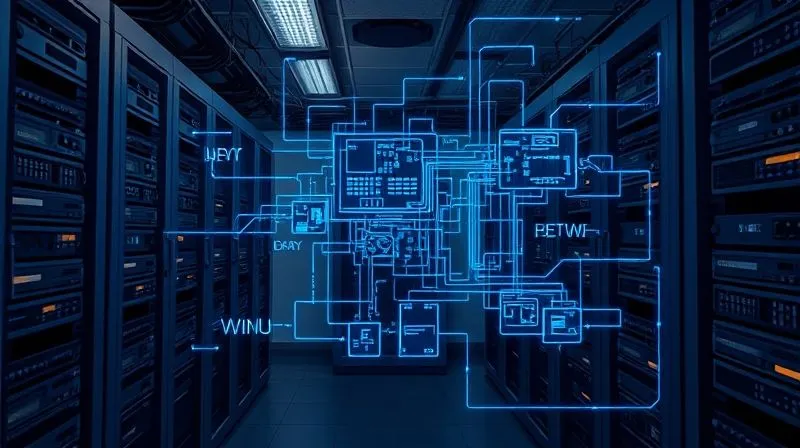
- Dependency Mapping & Interconnection Analysis: This is critical. Identify every single dependency between applications, databases, services, and external integrations. Understand which systems rely on others and how data flows through your ecosystem. Visualizing these dependencies is paramount to preventing cascading failures during migration.
- Performance Baselines & Service Level Objectives (SLOs): Establish clear performance metrics for your current systems (e.g., response times, throughput, uptime). These baselines will serve as benchmarks to ensure that your modernized systems meet or exceed current performance, and your SLOs will define acceptable thresholds for the new environment.
- Risk Assessment & Technical Debt Audit: Identify areas of high technical debt, critical single points of failure, security vulnerabilities, and compliance gaps. Prioritize these risks based on their potential impact and likelihood.
To give you an idea of how such an assessment might look, consider this simplified risk matrix:
| Application | Risk Level | Impact | Mitigation Strategy |
|---|---|---|---|
| Legacy ERP | High | Business Critical | Strangler Fig, Cloud Re-platform |
| Customer Portal | Medium | Customer Facing | API Gateway, Microservices |
| Internal HR System | Low | Internal Ops | Lift-and-Shift to SaaS |
| Data Warehouse | High | Reporting/Analytics | Phased Cloud Migration, Data Lake |
Pillar 2: Strategic Planning & Phased Roadmapping
With a clear understanding of your current state, you can formulate a strategic plan. The key to non-disruptive modernization is a phased, iterative approach, breaking down the mammoth task into manageable, low-risk chunks.
- Define Clear Objectives: What do you want to achieve? (e.g., reduce TCO by 20%, improve scalability by 50%, enhance security posture).
- Prioritize Workloads: Start with less critical applications or components to gain experience and refine your process, then move to more complex, business-critical systems.
- Create a Detailed Roadmap: Outline specific phases, timelines, required resources, and success metrics for each stage. Each phase should deliver tangible value and minimize the blast radius of any potential issues.
As a Harvard Business Review article on strategic planning emphasizes, agility and adaptability are paramount. Your roadmap should be a living document, capable of adjusting to new information and unforeseen challenges.
Pillar 3: Robust Change Management & Communication
Technology transformations are, at their core, people transformations. Ignoring the human element is a recipe for resistance, confusion, and ultimately, project failure.
From the outset, engage all stakeholders – IT teams, business units, end-users, and leadership. Clearly communicate the 'why,' the 'what,' and the 'how' of the modernization journey. Manage expectations, address concerns, and celebrate small victories. A well-informed and engaged team is your greatest asset.
“The most sophisticated technical solution is worthless if your people aren't on board. Communication isn't just a soft skill; it's a critical success factor in any large-scale IT project.”
Architectural Strategies for Seamless Transition
Once your foundational pillars are solid, you can choose the right architectural patterns to execute your modernization with minimal disruption. These strategies focus on gradual replacement and decoupling, ensuring that the old system can continue to operate while the new one is built and integrated.
The Strangler Fig Pattern: The Gradual Replacement
Named after the strangler fig vine that grows around a host tree, eventually replacing it, this pattern is a cornerstone of non-disruptive modernization. Instead of a 'big bang' cutover, you incrementally replace specific functionalities of your monolithic legacy application with new services.
Here’s how it works: You identify a component of your legacy system (e.g., user authentication, payment processing). You then build a new, modern service to handle that specific function. All new requests for that function are routed to the new service, while the old system continues to handle other operations. Over time, more and more functionality is 'strangled' off and replaced by modern services, until the legacy monolith is eventually retired. This allows for continuous operation, immediate value delivery, and reduced risk at each step.

Re-platforming vs. Re-factoring vs. Re-hosting: Choosing Your Path
The 'right' modernization approach depends on your specific goals, the complexity of the legacy system, and your risk appetite. Here's a quick overview of common strategies:
- Re-hosting (Lift-and-Shift): Moving an application from an on-premises environment to the cloud with minimal changes. This is the fastest path to cloud benefits but doesn't optimize for cloud-native features. It's often a first step.
- Re-platforming: Moving an application to the cloud and making some optimizations to take advantage of cloud-native features (e.g., replacing an on-premises database with a managed cloud database service). It offers more benefits than re-hosting but requires more effort.
- Re-factoring/Re-architecting: Significantly modifying an application's code and architecture to fully leverage cloud-native capabilities (e.g., breaking a monolith into microservices). This offers the greatest long-term benefits but is the most complex and time-consuming.
- Re-purchasing (SaaS): Replacing an existing application with a commercial off-the-shelf SaaS solution. This can be highly disruptive to processes but eliminates maintenance burden.
- Retire: Simply turning off applications that are no longer needed.
Microservices & APIs: Decoupling for Agility
The move from monolithic applications to microservices architecture, orchestrated through robust APIs, is a powerful enabler of non-disruptive modernization. By breaking down large applications into smaller, independent services, you can:
- Isolate Failures: A problem in one microservice won't bring down the entire system.
- Deploy Independently: New features or updates can be deployed to individual services without affecting others, significantly reducing deployment risk and downtime.
- Scale Independently: You can scale only the services that need more resources, optimizing cost and performance.
API gateways act as a crucial layer, managing how external systems and users interact with your new microservices, ensuring secure, controlled, and versioned access. This allows you to expose new functionality while gradually deprecating old interfaces.
Leveraging Cloud for Non-Disruptive Modernization
The cloud is not just a destination; it's a powerful tool and methodology for achieving modernization with minimal disruption. Its inherent elasticity, scalability, and managed services provide the perfect environment for gradual, controlled transitions.
Hybrid and Multi-Cloud Approaches
Few organizations jump entirely to a single cloud provider overnight. A hybrid cloud strategy, combining on-premises infrastructure with public cloud services, allows you to migrate workloads gradually. You can keep sensitive data or critical legacy applications on-premises while moving less critical or new applications to the cloud.
Multi-cloud strategies, utilizing services from multiple public cloud providers, further enhance flexibility and resilience. This approach allows you to choose the best service for each workload and avoid vendor lock-in, providing additional pathways for non-disruptive migration and disaster recovery.
Lift-and-Shift with a Twist: The Parallel Run
While a pure lift-and-shift of a legacy application to the cloud might seem disruptive, a 'parallel run' strategy can make it virtually seamless. This involves running both the legacy system and its cloud-based counterpart simultaneously for a period, ensuring full functionality and performance before cutting over.
- Replicate Environment: Create an exact replica of your legacy application in the cloud, including infrastructure, data, and configurations.
- Data Synchronization Strategy: Implement robust, real-time or near real-time data synchronization between the old and new environments. This is often the most critical and complex step.
- Traffic Routing (e.g., Canary Deployments, Blue-Green): Gradually divert a small percentage of live traffic to the new cloud environment. Monitor closely. If all goes well, increase the traffic. This is known as a canary deployment. Alternatively, 'blue-green' deployments involve running two identical production environments (blue for current, green for new) and switching traffic instantly once green is validated.
- Monitoring & Validation: Continuously monitor performance, errors, and user feedback in both environments. Compare metrics to ensure the new system performs as expected, or better.
- Phased Cutover: Once confident, gradually cut over all traffic to the new system. The old system remains as a fallback until full confidence is achieved, then it can be decommissioned.
DevOps and Automation: The Engine of Seamless Evolution
Modernization isn't a one-time event; it's a continuous journey. DevOps principles and extensive automation are indispensable for not only achieving a non-disruptive transition but also for sustaining the agility and stability of your modernized environment.
Continuous Integration/Continuous Delivery (CI/CD)
CI/CD pipelines automate the entire software delivery process, from code commit to deployment. This means:
- Faster Release Cycles: Smaller, more frequent deployments reduce risk and allow for rapid iteration.
- Automated Testing: Every code change is automatically tested, catching bugs early and ensuring quality.
- Consistent Deployments: Automation eliminates manual errors, ensuring consistency across environments.
By implementing robust CI/CD, you can continuously evolve your systems, deploying updates and new features with confidence, knowing that automated checks are in place to prevent disruption.
Automated Testing & Rollback Capabilities
Comprehensive automated testing is your safety net. This includes unit tests, integration tests, performance tests, and user acceptance tests (UAT). Before any change goes live, it must pass a rigorous gauntlet of automated checks.
Equally important are automated rollback capabilities. If an issue is detected post-deployment, you must be able to instantly revert to the previous stable version. This minimizes the impact of any unforeseen problems, providing immense confidence during modernization efforts.
“Trust in your modernization process comes from a combination of thorough automated testing and the ability to instantly revert. Without these, every deployment is a gamble.”
Case Study: How InnovateTech Achieved Zero-Downtime Migration
InnovateTech, a mid-sized manufacturing company, faced a critical challenge: their decades-old monolithic Enterprise Resource Planning (ERP) system was buckling under increasing demand, leading to slow order processing, inventory inaccuracies, and frustrated customers. The thought of a 'big bang' ERP replacement paralyzed them, fearing weeks of operational standstill.
Working with InnovateTech, we implemented a multi-faceted, non-disruptive modernization strategy. First, using the Strangler Fig Pattern, we identified customer-facing modules (e.g., order tracking, inventory lookup) as initial targets. These functionalities were re-architected as microservices and deployed to a new cloud environment using a hybrid cloud model. An API gateway was established to route requests, slowly diverting traffic from the legacy ERP to the new microservices.
For the core financial and production planning modules, we opted for a re-platforming approach to a managed cloud ERP solution, coupled with a rigorous parallel run. Data synchronization was meticulously set up between the old and new ERPs, and both systems ran concurrently for three months. During this period, InnovateTech used CI/CD pipelines for continuous, automated testing and small, iterative deployments to the new system, ensuring stability and performance. Automated rollback mechanisms were in place for every deployment.
The results were transformative: the cutover to the new cloud ERP was executed over a weekend with virtually zero customer-facing downtime. InnovateTech achieved a 15% improvement in order fulfillment efficiency, reduced infrastructure costs by 20%, and significantly enhanced system stability. Their developers, now working with modern tools and processes, reported a substantial boost in morale and productivity.
Mitigating Risks and Ensuring Business Continuity
Even with the best planning and architectural strategies, risks remain. Proactive risk mitigation and robust business continuity measures are essential to safeguard your operations throughout the modernization journey.
Robust Backup and Recovery Strategies
Your data is your most valuable asset. Ensure you have comprehensive backup and recovery strategies for both your legacy systems and the new environments. This goes beyond simple backups; define clear Recovery Time Objectives (RTOs) – how quickly you need systems back online – and Recovery Point Objectives (RPOs) – how much data loss is acceptable. Regularly test your recovery procedures to ensure they work as expected.
Fallback Mechanisms & Contingency Planning
For every critical component being modernized, have a well-defined fallback plan. What happens if the new service fails? Can you revert to the old system? Can you temporarily switch to a manual process? These contingency plans, though hopefully never used, are vital for peace of mind and business resilience.
- Failover to Legacy: Maintain the legacy system in a 'warm' or 'hot' state, ready to take over if the new system experiences critical issues during the initial transition phase.
- Manual Process Activation: For less critical functions, have documented manual workarounds ready to deploy if automated systems fail.
- Geographic Redundancy: For mission-critical applications, consider deploying across multiple data centers or cloud regions to protect against regional outages.
As Gartner's insights on IT resilience often highlight, a proactive approach to disaster recovery is no longer optional but a strategic imperative.
Performance Monitoring & Alerting
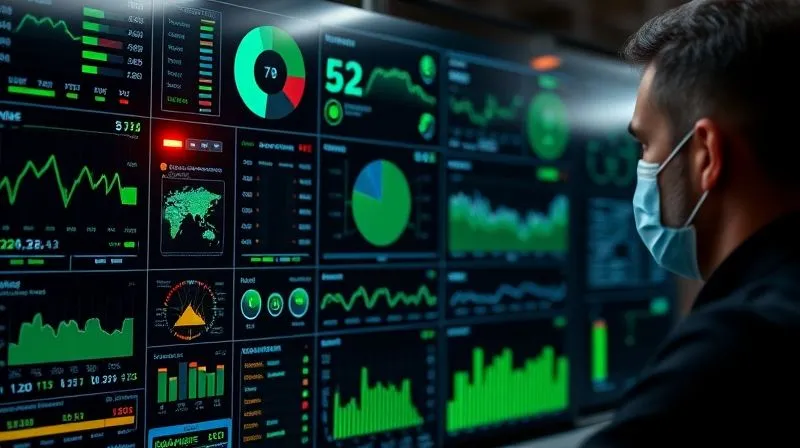
Real-time visibility into the health and performance of your systems is non-negotiable. Implement robust monitoring tools that track key metrics across both legacy and new environments. Set up automated alerts to notify your teams immediately of any deviations from baseline performance or predefined thresholds. This allows for proactive intervention before minor issues escalate into major disruptions.
The Human Element: Leading Your Team Through Change
While technology and processes are crucial, the success of any modernization initiative ultimately hinges on your people. Neglecting the human element can derail even the most technically sound plans.
Stakeholder Engagement & Communication
Effective communication is a continuous process throughout the modernization journey. Regularly update all stakeholders – from executives to end-users – on progress, challenges, and successes. Be transparent about potential disruptions, no matter how small, and articulate the benefits of the modernization for each group. Create channels for feedback and actively address concerns to build trust and minimize resistance.
Skill Development & Training
Modernizing IT systems often means adopting new technologies, tools, and methodologies. Invest in comprehensive training and skill development programs for your existing IT teams. Empower them to learn new cloud platforms, DevOps practices, and modern programming languages. This not only ensures your team can manage the new environment but also boosts morale and retention.
Fostering a Culture of Continuous Improvement
Modernization is not a finish line; it's a new beginning. Foster a culture within your organization that embraces continuous improvement, experimentation, and learning. Encourage teams to leverage the agility of the new systems to innovate faster and respond to market changes more effectively.
“Leadership in modernization isn't just about technology; it's about inspiring your team to embrace the future, providing them with the tools and knowledge to thrive in it.”
Measuring Success and Sustaining Modernization Momentum
How do you know if your modernization efforts are truly successful? It's not enough to simply replace old systems; you must demonstrate tangible business value and establish mechanisms for ongoing optimization.
Key Performance Indicators (KPIs) for Modernization
Define clear KPIs that measure both technical performance and business outcomes. These should extend beyond simple uptime to reflect the strategic goals of your modernization.
| KPI Category | Specific KPI | Goal |
|---|---|---|
| Operational Efficiency | Mean Time To Recovery (MTTR) | Reduce by 50% |
| Cost Optimization | Infrastructure Cost per Transaction | Reduce by 25% |
| Innovation Agility | Time to Market for New Features | Reduce by 40% |
| Security & Compliance | Number of Critical Vulnerabilities | Reduce by 70% |
| Developer Productivity | Deployment Frequency | Increase by 3x |
Regularly review these KPIs, share the results with stakeholders, and use them to inform future optimization efforts. This data-driven approach ensures that your modernization delivers on its promises.
Post-Modernization Optimization
The journey doesn't end with the cutover. The true benefits of modernization often come from continuous optimization of your new cloud-native or modern environments. This includes:
- Cost Management: Continuously optimize cloud spending by right-sizing resources, leveraging reserved instances, and eliminating waste.
- Performance Tuning: Fine-tune configurations, database queries, and application code to maximize performance and efficiency.
- Security Enhancements: Continuously review and strengthen your security posture in the new environment, adapting to emerging threats.
Future-Proofing Your IT Landscape
By embracing modern architectural patterns, cloud-native services, and DevOps practices, you're not just modernizing; you're future-proofing your IT landscape. You're building a foundation that is adaptable, resilient, and ready to incorporate the next wave of technological innovation without another disruptive 'big bang' overhaul. This continuous evolution is the ultimate goal.
Frequently Asked Questions (FAQ)
Q: How long does a typical legacy modernization project take? The duration varies greatly depending on the scope, complexity, and chosen strategy. A small, single-application re-platforming might take 6-12 months, while a large-scale, enterprise-wide re-architecture using the Strangler Fig pattern could span 2-5 years. The key is to break it into manageable phases, delivering value incrementally rather than waiting for a single, distant 'finish line'.
Q: What are the biggest hidden costs of modernization? Often overlooked costs include data migration complexity, re-training staff for new technologies, licensing for new software, integration costs between old and new systems during transition, and the initial investment in robust monitoring and automation tools. Underestimating these can significantly impact your budget and timeline.
Q: Is it always better to re-architect than to re-host? Not necessarily. Re-hosting (lift-and-shift) can be a quick win to get out of an on-premises data center, reduce immediate infrastructure costs, and gain some cloud benefits. It's often a strategic first step to buy time and gain experience before undertaking more complex re-platforming or re-architecting efforts. The 'best' approach depends on your application's criticality, technical debt, and long-term strategic goals.
Q: How do I get buy-in from skeptical stakeholders? Start by clearly articulating the business risks of inaction (security, competitive disadvantage, talent drain). Then, present a phased plan that minimizes disruption and delivers incremental value. Highlight successful case studies (even internal mini-wins). Emphasize the benefits for their specific department, and involve them early in the planning process to foster ownership. Data-driven projections of ROI and risk reduction are also powerful persuaders.
Q: What's the role of AI in legacy modernization? AI is playing an increasingly significant role. It can be used in the assessment phase to automatically analyze code dependencies and identify technical debt. During migration, AI-powered tools can assist in code refactoring and optimization. Post-modernization, AI and machine learning are crucial for intelligent monitoring, anomaly detection, predictive maintenance, and optimizing cloud resource consumption, ensuring the new systems run efficiently and reliably.
Key Takeaways and Final Thoughts
Modernizing legacy IT systems without disrupting operations is not an insurmountable challenge; it's a strategic imperative that, with the right approach, can be achieved seamlessly. From my vantage point, the path to success is paved with meticulous planning, iterative execution, and an unwavering focus on both technological and human elements.
- Assess Thoroughly, Plan Incrementally: Understand every dependency and plan your migration in small, manageable, low-risk phases.
- Embrace Architectural Patterns: Strategies like the Strangler Fig and microservices are your allies in gradual, non-disruptive replacement.
- Leverage Cloud and Automation: Cloud platforms offer flexibility, while DevOps and CI/CD pipelines ensure agility and stability.
- Prioritize People and Communication: Engage stakeholders, train your teams, and foster a culture of continuous improvement.
- Monitor and Measure: Use KPIs to track progress, demonstrate value, and drive ongoing optimization.
The urgency to modernize is real, but so is the proven capability to do so without paralyzing your business. By adopting these expert-backed strategies, you can confidently navigate the complexities of IT transformation, unlock new levels of agility and innovation, and position your organization for sustained success in the digital age. Don't let fear dictate your future; take control, modernize smartly, and thrive.
Recommended Reading
- 5 Steps: Master Personalized Service Despite Poor Customer Data
- 7 Strategies: How to Prevent Scope Creep on Fixed-Price Consulting Projects?
- Unlock the Power: Strategies for Effective CSR Stakeholder Engagement
- 7 Proven Strategies: Prevent Remote Burnout & Boost Engagement
- The Ultimate Guide: How to Foster Trust in Your Newly Formed Team




Comments
Leave a comment below. Your email will not be published. Required fields marked with *