

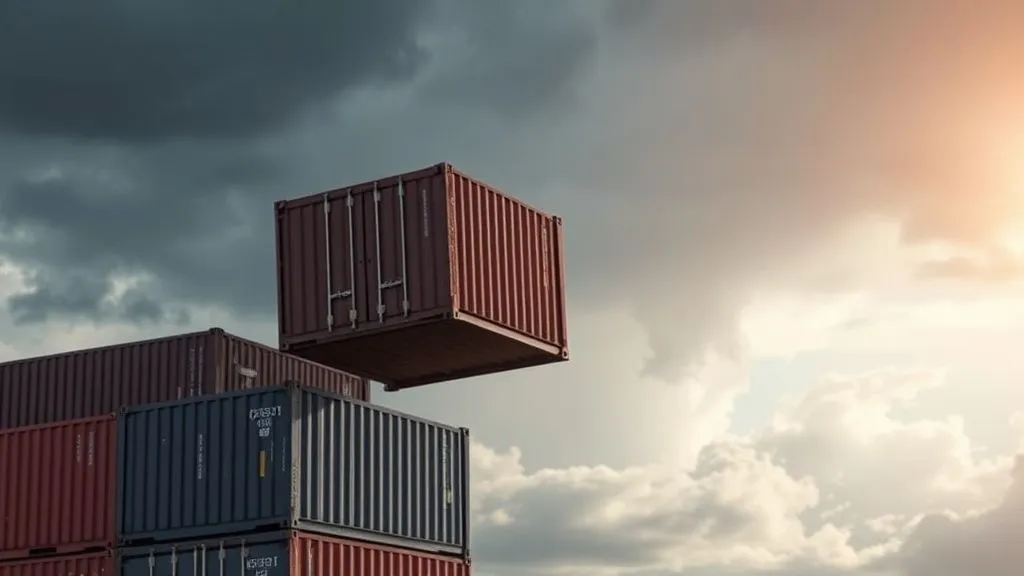
What to do when a key overseas supplier faces political instability?
For over two decades in international business, I've witnessed firsthand the devastating ripple effects when a seemingly stable overseas supply chain suddenly buckles under the weight of geopolitical turmoil. It’s not just a theoretical risk; it’s a brutal reality that can halt production, erode trust, and decimate bottom lines faster than you can say 'contingency plan'.
The globalized economy, while offering immense opportunities, inherently comes with increased exposure to external shocks. Political instability in a key sourcing region—whether it’s civil unrest, sudden policy shifts, or even armed conflict—isn't merely a headline; it's a direct threat to your operational continuity and market reputation. Many businesses make the mistake of reacting rather than proactively building resilience.
In this definitive guide, I will share the strategies and frameworks I’ve developed and seen successfully implemented by leading international firms. We'll move beyond crisis management to building a truly robust and adaptable supply chain, equipping you with actionable steps, real-world insights, and the expert knowledge required to navigate these treacherous waters and ensure your business not only survives but thrives amidst global uncertainty.
Proactive Risk Assessment: The Foundation of Resilience
In my experience, the biggest mistake companies make isn't failing to react, but failing to anticipate. A robust, continuous risk assessment framework is your early warning system. It's about looking beyond immediate market conditions to understand the deeper geopolitical currents that could impact your key overseas suppliers.
Identifying Potential Flashpoints
This isn't just about reading the news; it's about deep-dive intelligence gathering. You need to identify regions and specific suppliers that are vulnerable to political shifts, economic downturns, or social unrest. Don't rely solely on publicly available information; consider subscribing to specialized geopolitical risk intelligence services.
- Geopolitical Scanning: Regularly monitor political climates, electoral cycles, social movements, and economic indicators in countries where your critical suppliers operate. Look for signs of escalating tensions, policy changes, or leadership instability.
- Supplier-Specific Vulnerability: Assess your suppliers' direct exposure. Do they rely heavily on local infrastructure that could be targeted? Are their key personnel local, and how might instability affect their operations or workforce?
- Impact Analysis: For each identified risk, quantify the potential impact on your business in terms of cost, lead time, quality, and reputation. Prioritize risks based on both likelihood and severity.
- Scenario Planning: Develop 'what-if' scenarios. What if a port closes? What if labor unrest halts production for a month? What if tariffs suddenly increase by 25%? This helps you visualize potential disruptions and pre-plan responses.
"Ignoring geopolitical risk in supply chain management is like building a house without a foundation. It might stand for a while, but the first tremor will bring it down."
According to a Deloitte study on supply chain resilience, companies that proactively engage in risk sensing and scenario planning are significantly more likely to recover faster from disruptions.
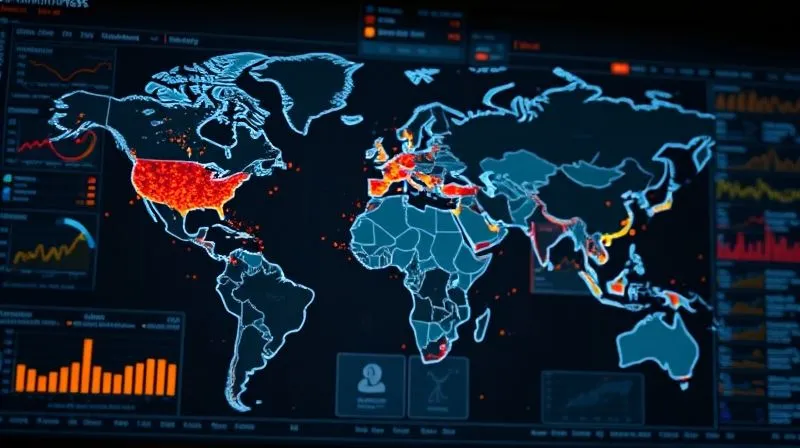
Diversification: Your Strategic Imperative
The adage "don't put all your eggs in one basket" is nowhere more relevant than in global supply chains. Over-reliance on a single supplier or a single geographic region, however cost-effective it may seem, is an Achilles' heel when political instability strikes. Diversification isn't just about finding another supplier; it's about building inherent resilience into your network.
Geographical and Supplier Diversification
This strategy involves spreading your sourcing across multiple countries and with multiple suppliers within those countries, or even different regions within the same country, provided they have distinct risk profiles. The goal is to ensure that a disruption in one area doesn't cripple your entire operation.
- Multi-Sourcing: Identify and qualify multiple suppliers for critical components or finished goods. This might mean higher unit costs initially, but the security it offers far outweighs the marginal savings of single-sourcing.
- Geographic Spreading: Even if you have multiple suppliers, if they're all in the same politically volatile region, you haven't truly diversified. Seek suppliers in different continents or regions with uncorrelated geopolitical risks.
- Dual-Sourcing Strategy: For extremely critical components, consider a 'hot' and 'cold' dual-sourcing strategy. One primary supplier handles the bulk, while a secondary, qualified supplier is maintained with smaller orders to keep them ready to scale up if needed.
Case Study: How GlobalTech Navigated a Regional Lockdoown
GlobalTech, a mid-sized electronics manufacturer, heavily relied on a single key supplier in Southeast Asia for specialized circuit boards. When unexpected political protests escalated into a nationwide lockdown, their production line faced imminent shutdown. Fortunately, GlobalTech had, two years prior, initiated a dual-sourcing strategy, qualifying a smaller supplier in Eastern Europe. While the European supplier's costs were slightly higher, GlobalTech had maintained minimal orders to keep the relationship active. During the crisis, they rapidly ramped up orders with the European partner, albeit at a higher cost. This strategic foresight allowed them to maintain 70% of their production capacity, minimizing financial losses and retaining customer trust, while many competitors faced complete halts.
As Professor Yossi Sheffi of MIT often emphasizes, a resilient supply chain is not necessarily the cheapest, but the one that can withstand shocks and recover quickly. This often means investing in redundancy and diverse options.
Building Robust Supplier Relationships & Communication
When political instability looms, your relationship with your supplier transforms from a transactional exchange into a critical partnership. Open, honest, and frequent communication becomes paramount. You need to be seen as a reliable partner, not just a customer, to ensure you remain a priority during challenging times.
Enhanced Due Diligence and Communication Channels
Beyond initial qualification, continuous due diligence is essential. Understand your supplier's internal stability, their local connections, and their own contingency plans. Establish formal and informal communication channels that go beyond standard purchasing contacts.
- Regular Check-ins: Schedule weekly or bi-weekly calls with key supplier contacts, even when things are calm. Discuss not just orders, but also local conditions, challenges they might be facing, and their outlook.
- Trusted Liaisons: Consider having a dedicated liaison or even a small, on-the-ground team if the volume justifies it, to build deeper relationships and gain real-time intelligence.
- Information Sharing Protocols: Agree on clear protocols for how and when information about potential disruptions will be shared. Emphasize transparency from both sides.
- Joint Scenario Planning: Work with your key suppliers to develop joint contingency plans. This fosters a sense of shared responsibility and ensures alignment when a crisis hits.
I've always advocated for treating suppliers as extensions of your own team. When you invest in their success and well-being, that loyalty often translates into prioritized service when you need it most.
| Relationship Aspect | Pre-Instability Norm | Crisis Preparedness Best Practice |
|---|---|---|
| Frequency of Communication | Monthly/Quarterly formal calls | Weekly informal check-ins, dedicated liaison |
| Information Sharing | Order updates, delivery schedules | Geopolitical outlook, local challenges, joint risk assessments |
| Contingency Planning | Internal supplier plans | Joint scenario workshops, shared playbooks |
| Trust Level | Transactional | Strategic partnership, mutual support |
Developing a Multi-Tiered Contingency Plan
A contingency plan isn't a single document; it's a dynamic, multi-faceted strategy that evolves with geopolitical realities. It must encompass various levels of disruption and outline clear, actionable steps for each scenario. This is where your earlier risk assessment and scenario planning truly pay off.
Scenario Planning and Playbooks
Your plan should detail specific actions for different levels of political instability, from minor disruptions to complete cessation of operations. Each scenario needs a 'playbook'—a step-by-step guide for your teams.
- Tier 1: Minor Disruption (e.g., localized protests, temporary transit delays):
- Activate secondary logistics routes or modes.
- Increase buffer stock for critical items.
- Communicate revised schedules to internal stakeholders and customers.
- Tier 2: Moderate Disruption (e.g., regional lockdown, extended labor strikes):
- Initiate orders with qualified backup suppliers (from your diversification strategy).
- Explore expedited shipping options, even if costly.
- Engage with government agencies or industry associations for support.
- Tier 3: Severe Disruption (e.g., civil unrest, government collapse, war):
- Execute full transition to alternative suppliers or production sites.
- Activate political risk insurance claims.
- Re-evaluate long-term sourcing strategy for the affected region.
Remember, a plan is only as good as its last test. Regularly review and simulate these scenarios with your teams. This helps identify gaps and ensures everyone knows their role when the pressure is on.
As a veteran in this field, I've seen companies with well-rehearsed plans navigate crises with remarkable agility, minimizing damage and maintaining market share. For deeper insights into crisis management, consider resources from the Harvard Business Review on supply chain crisis management.

Leveraging Technology for Real-time Monitoring
In today's fast-paced world, relying on traditional news cycles for geopolitical intelligence is like trying to catch a bullet with a net. Modern supply chain resilience demands real-time, data-driven insights. Technology is no longer a luxury; it's a necessity for anticipating and responding to political instability effectively.
AI-driven Risk Intelligence and Predictive Analytics
Invest in platforms that can aggregate and analyze vast amounts of data—news feeds, social media, government advisories, economic indicators, and even satellite imagery—to provide predictive insights into potential disruptions. These tools can flag emerging risks long before they hit mainstream media.
- Geopolitical Risk Platforms: Utilize specialized software that provides real-time alerts on political events, economic sanctions, and social unrest in your supplier regions.
- Supply Chain Mapping Tools: Gain end-to-end visibility of your entire supply chain, including sub-tier suppliers. Knowing your tier-2 and tier-3 dependencies is crucial for understanding cascading risks.
- Predictive Analytics: Employ AI and machine learning to analyze historical data and current trends to forecast potential disruptions, allowing for proactive adjustments rather than reactive firefighting.
- Automated Communication Systems: Implement systems that can automatically trigger alerts and communication protocols with relevant internal teams and backup suppliers when a predefined risk threshold is met.
"Visibility isn't just seeing; it's understanding and acting. In supply chains, technology provides the eyes and the brain to navigate complexity."
The World Economic Forum consistently highlights the critical role of advanced technologies in building resilient global supply chains, emphasizing that digital transformation is key to managing systemic risks. More on this can be found in their reports on the future of supply chains.
Local Sourcing and Nearshoring: A Viable Alternative?
While globalization has driven efficiency through offshore sourcing, recent years have shone a harsh light on its vulnerabilities. As geopolitical tensions rise, many companies are re-evaluating their sourcing strategies, considering the benefits of local sourcing (reshoring) or nearshoring (sourcing from nearby countries).
Cost-Benefit Analysis and Strategic Re-evaluation
This isn't about abandoning global sourcing entirely, but rather finding the right balance. It involves a meticulous cost-benefit analysis that goes beyond unit price to include total cost of ownership (TCO) and risk mitigation.
- Reduced Lead Times: Shorter distances mean faster delivery, reducing inventory holding costs and improving responsiveness to market demand.
- Lower Transportation Costs: Less travel, fewer customs hurdles, and potentially lower freight costs.
- Improved Communication and Oversight: Cultural and time zone differences are minimized, facilitating easier communication, quality control, and quicker problem resolution.
- Reduced Geopolitical Exposure: Sourcing from politically stable, geographically proximate regions significantly lowers the risk of disruption due to overseas political instability.
- Higher Labor Costs: Often the primary deterrent, local labor costs can be significantly higher, requiring a careful balance against the benefits.
- Limited Supplier Pool: The availability of specialized suppliers might be more restricted in local or nearshore markets.
The decision to nearshore or reshore is strategic and long-term. It requires a thorough understanding of your product's lifecycle, market demands, and risk appetite. It's not a quick fix but a fundamental shift in how you view your supply chain's architecture.
| Factor | Offshoring | Nearshoring/Reshoring |
|---|---|---|
| Lead Time | Long, variable | Short, predictable |
| Transportation Cost | High, complex logistics | Lower, simpler logistics |
| Geopolitical Risk | High | Lower |
| Labor Cost | Low | Higher |
| Communication & Oversight | Challenging | Easier |
| Total Cost of Ownership (TCO) | Potentially lower direct, higher indirect/risk | Potentially higher direct, lower indirect/risk |
Legal and Insurance Safeguards
Even with the best planning, some risks are unavoidable. This is where robust legal agreements and appropriate insurance policies become your last line of defense, providing financial and legal recourse when political instability throws your supply chain into disarray.
Contractual Clauses and Political Risk Insurance
Reviewing and strengthening your legal contracts with overseas suppliers is critical. Beyond standard force majeure clauses, consider more specific provisions for geopolitical disruptions. Simultaneously, explore specialized insurance products.
- Force Majeure Refinements: Ensure your force majeure clauses explicitly cover events like civil unrest, government-imposed lockdowns, trade embargoes, and war. Define the notification process and the responsibilities of each party.
- Termination & Exit Clauses: Clearly define the conditions under which either party can terminate the contract due to prolonged political instability, and outline the associated liabilities and obligations.
- Political Risk Insurance (PRI): This specialized insurance can protect against losses due to expropriation, political violence, currency inconvertibility, and breach of contract by a foreign government. It's an often-overlooked but vital tool for international businesses.
- Trade Credit Insurance: Protects against the risk of non-payment by customers due to political events or other unforeseen circumstances.
- Supply Chain Interruption Insurance: Some policies can cover financial losses resulting from supply chain disruptions, including those caused by political events.
Consult with legal experts specializing in international trade and insurance brokers experienced in political risk. These safeguards are complex and require tailored solutions to truly protect your interests. For more information on political risk insurance, resources like Marsh McLennan's insights on PRI can be very informative.

Training and Empowering Your Team
Ultimately, even the most sophisticated plans and technologies are only as effective as the people implementing them. Your team needs to be well-trained, empowered, and have a clear understanding of their roles and responsibilities during a crisis. This is an investment in human capital that pays immense dividends.
Building Internal Expertise and Crisis Response Capabilities
Foster a culture of continuous learning and preparedness. Ensure your supply chain, procurement, and logistics teams are equipped with the knowledge and skills to navigate complex international challenges.
- Cross-functional Training: Train teams across different departments (procurement, logistics, legal, finance, sales) on the supply chain contingency plan. Everyone needs to understand their role and how disruptions impact the broader organization.
- Geopolitical Awareness: Provide regular briefings or access to resources that enhance your team's understanding of global geopolitical dynamics and their potential impact on business.
- Decision-Making Frameworks: Equip your teams with clear decision-making frameworks for crisis situations. Empower them to make rapid, informed decisions, especially when time is of the essence.
- Communication Skills: Train on effective crisis communication, both internally and externally (with suppliers, customers, and other stakeholders). Transparency and empathy are crucial during challenging times.
- Leadership Development: Identify and develop leaders who can calmly and effectively guide teams through high-pressure situations.
I’ve seen firsthand how a well-drilled team can turn a potential catastrophe into a manageable challenge. Their ability to execute pre-defined plans and adapt to unforeseen circumstances is your most valuable asset. Continuous learning and development in this area are non-negotiable for any global enterprise. Resources from organizations like the Institute for Supply Management (ISM) offer excellent professional development opportunities for supply chain professionals.

Frequently Asked Questions (FAQ)
Q: How often should I update my geopolitical risk assessment and contingency plans? A: Geopolitical landscapes are dynamic. I recommend a formal review and update of your risk assessment at least quarterly, or immediately if significant political events unfold in your key sourcing regions. Contingency plans should be tested and refined annually, incorporating lessons learned from any minor disruptions or global events.
Q: Is it always more expensive to diversify suppliers or nearshore? A: Not necessarily. While direct unit costs might sometimes be higher, a comprehensive Total Cost of Ownership (TCO) analysis often reveals hidden costs of offshoring, such as longer lead times, higher inventory holding, quality control issues, and crucially, the cost of disruption. Diversification and nearshoring offer resilience, which can lead to significant savings by preventing costly shutdowns or reputational damage.
Q: What if my key supplier is a sole source for a highly specialized component? A: This is a critical vulnerability. In such cases, your priority must be to work extremely closely with that supplier to understand their internal resilience and develop joint contingency plans. Simultaneously, invest in R&D to find alternative materials or designs, or actively seek and help develop a secondary supplier, even if it requires significant investment. Dual-sourcing for highly specialized items, even at a higher cost, is often essential for long-term viability.
Q: How can small to medium-sized enterprises (SMEs) afford these sophisticated strategies? A: SMEs often feel these strategies are out of reach, but many principles can be adapted. Start with basic diversification (e.g., two suppliers instead of one), build strong personal relationships, and leverage accessible tools for geopolitical monitoring (e.g., reputable news sources, government advisories). Focus on your most critical components. Collaboration with industry peers or trade associations can also provide shared intelligence and resources.
Q: What's the role of government support or trade agreements during instability? A: Governments and trade agreements can play a significant role. During crises, governments may offer emergency aid, trade facilitation, or diplomatic intervention. Understanding free trade agreements (FTAs) and leveraging trade blocs can also mitigate risks by providing preferential treatment or alternative sourcing options within a stable economic zone. Stay informed about foreign policy developments and maintain relationships with relevant government bodies.
Key Takeaways and Final Thoughts
Navigating the complexities of international business in an era of heightened geopolitical uncertainty requires more than just good intentions; it demands proactive strategy, robust systems, and an unwavering commitment to resilience. As I've outlined, waiting for a crisis to hit before asking 'what to do when a key overseas supplier faces political instability?' is a recipe for disaster.
- Anticipate, Don't Just React: Implement continuous geopolitical risk assessment and scenario planning.
- Diversify Your Network: Never rely on a single supplier or geographic region for critical inputs.
- Build Strong Partnerships: Foster deep, transparent relationships with your key suppliers.
- Plan for Every Contingency: Develop multi-tiered playbooks for various disruption levels.
- Embrace Technology: Leverage AI and data analytics for real-time visibility and predictive insights.
- Re-evaluate Sourcing Strategy: Consider nearshoring or reshoring for critical components where it makes strategic sense.
- Secure Legal & Insurance Backstops: Fortify contracts and invest in political risk insurance.
- Empower Your People: Train and equip your teams to be agile and effective crisis managers.
The global supply chain isn't just a conduit for goods; it's a living, breathing ecosystem susceptible to external forces. By adopting these expert-driven strategies, you're not just mitigating risk; you're building a future-proof enterprise capable of weathering any storm. The investment in resilience today is the insurance policy for your business's continuity and success tomorrow. Let's build supply chains that are not just efficient, but truly invincible.
Recommended Reading
- 7 Proven Strategies: Fix Low Conversion on High-Traffic Digital Storefronts
- Unlock Success: How to Structure an Effective Entrepreneur Mentorship Program
- The Ultimate Guide: How to Optimize Inventory for Multi-Marketplace Selling
- Flexible Remote Hours: 7 Ways to Measure Productivity Effectively
- Unlock Your Edge: Market Analysis for Competitive Advantage





Comments
Leave a comment below. Your email will not be published. Required fields marked with *