

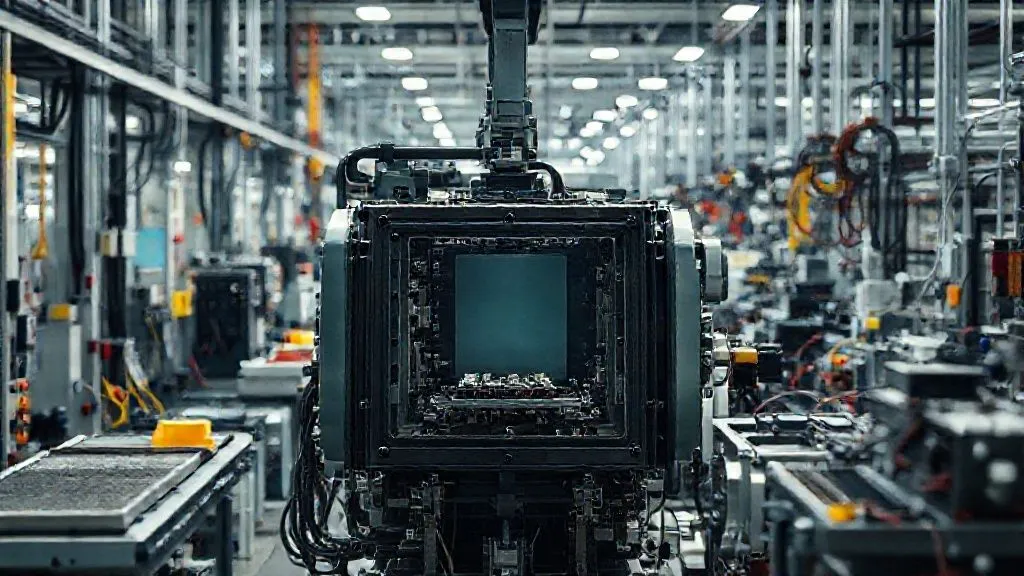
How to Fix Production Delays Due to Sudden Material Shortages?
For over two decades in operations management, I've witnessed firsthand the devastating ripple effect that sudden material shortages can have on even the most robust production lines. It's a scenario that keeps even seasoned industry veterans awake at night: one day, everything is running smoothly, and the next, a crucial component is unavailable, bringing everything to a screeching halt.
This isn't just about a minor inconvenience; it's about missed deadlines, frustrated customers, spiraling costs, and a significant blow to your brand's reputation. The unpredictability of global supply chains, from geopolitical tensions to natural disasters, makes this challenge more prevalent than ever, and many businesses are caught unprepared, scrambling for reactive solutions.
In this definitive guide, I'll draw upon my extensive experience to provide you with a comprehensive framework for not only understanding but also proactively tackling and mitigating production delays due to sudden material shortages. We'll explore actionable strategies, real-world insights, and technological solutions designed to build a resilient, agile production system that can weather any storm.
Understanding the Root Causes of Material Shortages
Before we can effectively address the problem, we must first understand its origins. From my perspective, material shortages rarely stem from a single issue but rather a confluence of interconnected factors that expose vulnerabilities in your supply chain.
Global Supply Chain Volatility
The interconnected nature of modern manufacturing means that a disruption in one part of the world can quickly impact production thousands of miles away. Events like port closures, trade disputes, or even localized labor strikes can sever critical supply lines, leading to widespread material scarcity.
Supplier Reliability Issues
Over-reliance on a single supplier, or a supplier with a history of inconsistent performance, is a ticking time bomb. I've seen countless companies suffer when a key supplier faces their own operational challenges, quality control issues, or simply goes out of business, leaving their customers in a lurch.
Inaccurate Forecasting and Inventory Management
Poor demand forecasting can lead to either excessive inventory (tying up capital) or, more critically for our discussion, insufficient buffer stock. Similarly, an over-optimized 'Just-in-Time' (JIT) approach, while efficient in stable times, offers little protection against unexpected material disruptions.
Geopolitical and Environmental Factors
Natural disasters such as earthquakes, floods, or pandemics can cripple production regions and transport infrastructure. Beyond nature, political instability, tariffs, and regulatory changes can severely restrict the flow of materials, creating sudden and acute shortages that are difficult to predict.
Immediate Triage: Stabilizing Production During a Crisis
When a sudden material shortage hits, the first priority is damage control. My experience dictates that a swift, coordinated response can significantly mitigate the immediate impact and buy you time for long-term solutions.
Rapid Assessment and Communication
The moment a potential shortage is identified, immediately assess its scope and potential impact. Communicate clearly and transparently with all stakeholders: internal teams, customers, and other suppliers. Honesty about the situation, coupled with a clear action plan, builds trust and manages expectations.
Diversifying Current Sourcing
While long-term supplier diversification is key, in a crisis, you need to activate any existing secondary or tertiary suppliers for the affected material. Even if they can only provide a fraction of your needs, every bit helps to keep some production moving. This is where pre-vetted alternative suppliers prove invaluable.
Expedited Logistics and Alternative Transport
If the material exists but is stuck in transit, explore all options for expedited delivery. This might mean shifting from sea freight to air cargo, even at a higher cost, to keep critical lines running. Sometimes, the cost of a delay far outweighs the increased shipping expense.
Production Prioritization and Rerouting
Identify your most critical products or customer orders. Can you reallocate existing limited materials to fulfill these high-priority items? Can production lines be re-sequenced or adapted to work around the missing component, perhaps by producing sub-assemblies that don't require the scarce material?

Building a Resilient Supply Chain: Proactive Strategies
The true solution to 'How to fix production delays due to sudden material shortages?' lies not in reactive measures, but in building resilience. This is where strategic planning and robust operational frameworks come into play, transforming vulnerabilities into strengths.
Supplier Relationship Management (SRM)
In my opinion, strong supplier relationships are the bedrock of a resilient supply chain. It's not just about transactions; it's about partnership. Foster open communication, share forecasts, and collaborate on risk mitigation strategies. A loyal supplier is more likely to prioritize your needs during a crunch.
“Your suppliers are not just vendors; they are extensions of your own operations. Treat them as strategic partners, and they will help you navigate the toughest challenges.”
Establishing clear performance metrics and regular reviews can also ensure suppliers meet agreed-upon standards. This fosters a relationship built on mutual trust and accountability.
Multi-Sourcing and Diversification
Never put all your eggs in one basket. Identify critical materials and ensure you have at least two, preferably three, qualified suppliers for each. These don't all have to be active simultaneously, but having pre-vetted alternatives ready to activate is crucial. This strategy is highlighted by experts like those at Harvard Business Review as essential for modern supply chain resilience.
| Supplier Name | Risk Level | Lead Time (weeks) | Backup Supplier |
|---|---|---|---|
| Alpha Components | Low | 4 | Yes |
| Beta Parts Inc. | Medium | 6 | Yes |
| Gamma Solutions | High | 8 | No |
| Delta Materials | Low | 5 | Yes |
Strategic Inventory Buffering (Just-in-Case vs. Just-in-Time)
While JIT principles have their place for efficiency, a pure JIT approach is often too fragile for today's volatile environment. I advocate for a 'Just-in-Case' mentality for critical, high-risk components. This involves maintaining strategic safety stock or buffer inventory for items prone to shortages or those with long lead times.
This doesn't mean stockpiling everything; it means a calculated risk assessment to identify which materials warrant an investment in buffer stock. According to Deloitte's insights on supply chain resilience, striking the right balance between efficiency and redundancy is key.
Enhanced Demand Forecasting and Collaboration
Improve the accuracy of your demand forecasts by incorporating more data sources, including market trends, sales promotions, and even macroeconomic indicators. Collaborate closely with your sales and marketing teams to get the most up-to-date information, and share these forecasts with your key suppliers to help them plan their own production.
Case Study: How Apex Manufacturing Overcame a Semiconductor Shortage
Apex Manufacturing, a mid-sized electronics producer, faced a crippling global semiconductor shortage that threatened to halt its flagship product line. By proactively implementing a multi-sourcing strategy, they had pre-qualified two alternative chip manufacturers in different regions. When their primary supplier announced a 6-month delay, Apex immediately activated their secondary supplier, albeit at a slightly higher cost.
Simultaneously, they leveraged their strong supplier relationships to secure a limited allocation from their primary supplier for their highest-priority product variants. This combination of pre-planning and relationship management allowed Apex to maintain 70% of its critical production, minimize customer churn, and recover faster than competitors who relied on single-source strategies. This demonstrates the power of preparedness when asking how to fix production delays due to sudden material shortages.

Leveraging Technology for Supply Chain Visibility and Agility
In today's fast-paced environment, technology is not just an advantage; it's a necessity for understanding and reacting to supply chain disruptions. I've consistently seen companies with advanced tech infrastructures outperform their less-equipped counterparts during crises.
Real-time Inventory Management Systems
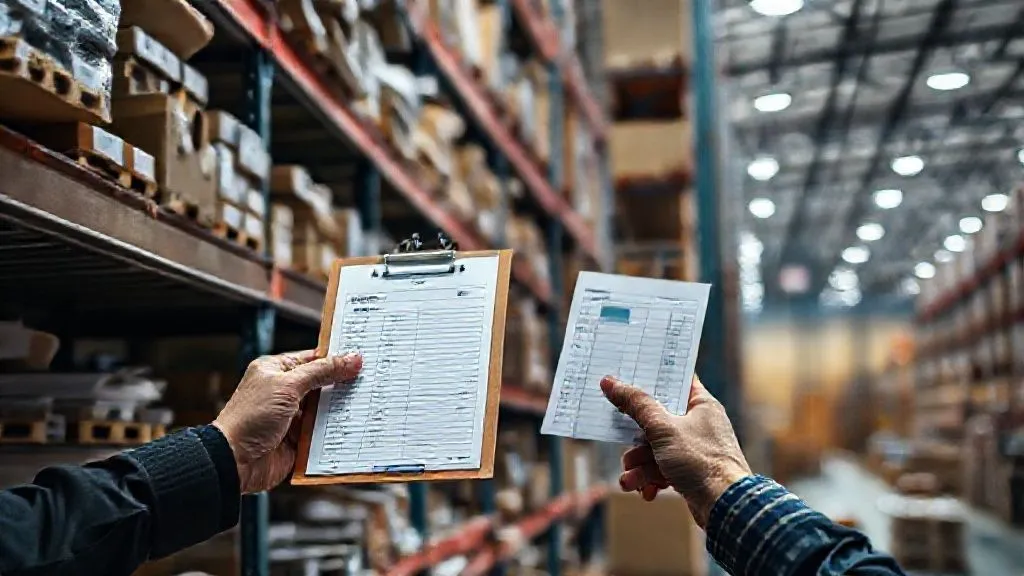
Invest in robust inventory management systems that provide real-time visibility into stock levels across all your warehouses and even in transit. Knowing exactly what you have, where it is, and when it's expected allows for quicker decision-making and better allocation of scarce resources.
Predictive Analytics and AI
AI-powered predictive analytics can analyze vast amounts of data – historical demand, weather patterns, geopolitical news, supplier performance – to identify potential shortages before they become critical. These systems can alert you to risks, helping you proactively adjust procurement and production schedules.
Blockchain for Traceability
For high-value or highly sensitive materials, blockchain technology offers unparalleled transparency and traceability. It can provide an immutable record of a material's journey from origin to your factory floor, helping to verify authenticity and identify bottlenecks rapidly. This level of insight is crucial for building trust and accountability within the supply chain.

Operational Flexibility and Workforce Adaptation
Beyond materials and technology, your internal operations and human capital play a critical role in mitigating production delays. Flexibility is key to adapting to unforeseen challenges.
Cross-Training and Skill Versatility
A workforce that is cross-trained across different roles and production lines can be invaluable during a shortage. If one line is halted due to a missing component, those workers can be redeployed to other areas, maintaining overall productivity and morale. This also reduces downtime when you manage to fix production delays due to sudden material shortages.
Modular Production Lines
Designing production lines with a modular approach allows for easier reconfigurations. If a specific section is dependent on a scarce material, the line can be quickly re-engineered to produce alternative products or sub-assemblies that are not impacted, thus maintaining some level of output.
Contingency Planning for Labor Shifts
Develop clear contingency plans for adjusting labor schedules and assignments during a crisis. This might include temporary reassignments, adjusted shifts, or even engaging temporary staff if a surge in alternative production is required. Clear communication with your workforce is paramount during these changes.
Financial Implications and Risk Transfer
Addressing how to fix production delays due to sudden material shortages also involves a crucial financial dimension. Understanding the costs and exploring risk transfer mechanisms can safeguard your bottom line.
Inventory Holding Costs vs. Stockout Costs
There's a constant tension between the cost of holding excess inventory (storage, obsolescence, capital tied up) and the much higher cost of a stockout (lost sales, expedited shipping, customer dissatisfaction, production line downtime). A thorough cost-benefit analysis will help you determine the optimal safety stock levels for critical items.
| Cost Factor | Value |
|---|---|
| Inventory Holding (per unit/month) | $0.50 |
| Lost Sales (per unit) | $10.00 |
| Expedited Shipping (per unit) | $2.00 |
| Production Downtime (per hour) | $500.00 |
Supply Chain Insurance
Explore specialized supply chain disruption insurance. While it doesn't prevent shortages, it can provide financial compensation for losses incurred due to unforeseen events, helping to cover lost revenue, extra costs, and even reputational damage. This is a growing area, as noted by sources like Gartner on supply chain planning.
Contractual Agreements with Suppliers
Strengthen your supplier contracts to include clauses that address material availability, lead time guarantees, and penalties for non-compliance. Also, consider 'force majeure' clauses that protect both parties in extreme, uncontrollable circumstances, but clearly define what constitutes such an event. Clear contractual terms can provide a framework for resolution when facing a material crunch.

The Culture of Continuous Improvement
Finally, the most effective strategy for how to fix production delays due to sudden material shortages is to embed a culture of continuous improvement within your organization. This means constantly learning, adapting, and refining your processes.
Post-Mortem Analysis
After every significant disruption or even a near-miss, conduct a thorough post-mortem analysis. What went wrong? What went right? What could have been done differently? Document these learnings and integrate them into your standard operating procedures. This is a critical step in turning crises into opportunities for growth.
Regular Supply Chain Audits
Periodically audit your entire supply chain, from your tier-1 suppliers to their suppliers. Assess their financial stability, operational capabilities, and risk management practices. These audits can uncover hidden vulnerabilities before they escalate into major problems, as emphasized by business publications like Forbes on supply chain diversification.
Fostering a Proactive Mindset
Encourage all team members, from procurement to production, to adopt a proactive, risk-aware mindset. Empower them to identify potential issues, suggest improvements, and take ownership of supply chain resilience. This collective vigilance is your strongest defense against unexpected disruptions.
Frequently Asked Questions (FAQ)
Q: What's the most common mistake companies make when facing a sudden material shortage? The most common mistake I've observed is panic-driven, uncoordinated reactions. Companies often jump to short-term, expensive fixes without a clear strategy, failing to communicate effectively with stakeholders, and neglecting to learn from the incident to prevent future occurrences. A lack of pre-established contingency plans often exacerbates this.
Q: How can small businesses, with limited resources, implement these strategies? Small businesses can start by focusing on their most critical components and suppliers. Diversifying even just one key supplier, building stronger relationships through clear communication, and maintaining a small but strategic safety stock for high-risk items are achievable first steps. Leveraging affordable cloud-based inventory systems can also provide significant benefits without massive investment.
Q: Is 'Just-in-Time' (JIT) inventory still a viable strategy given current global volatility? JIT remains viable for certain stable and predictable components where supply chain risk is low. However, for critical or high-volatility materials, a pure JIT approach is risky. I recommend a hybrid model: JIT for non-critical, easily sourced items, combined with strategic 'Just-in-Case' buffering for high-impact, high-risk components. It's about intelligent segmentation and risk assessment.
Q: What role does digital transformation play in preventing these delays? Digital transformation is pivotal. Technologies like real-time inventory tracking, predictive analytics, AI-driven forecasting, and even blockchain for traceability provide unprecedented visibility and foresight. They allow businesses to anticipate problems, react faster, and make data-driven decisions, transforming reactive crisis management into proactive risk mitigation.
Q: How often should a company review its supply chain risk management plan? A supply chain risk management plan should be a living document, reviewed at least annually, or more frequently if significant changes occur (e.g., new product launches, new suppliers, geopolitical shifts, or major market disruptions). Regular stress tests and scenario planning are also crucial to ensure its effectiveness.
Key Takeaways and Final Thoughts
- Proactive Planning is Paramount: Don't wait for a crisis; build resilience into your supply chain from the ground up.
- Diversify Your Suppliers: Never rely solely on a single source for critical materials.
- Strategic Inventory Buffering: Balance efficiency with security by maintaining safety stock for high-risk components.
- Leverage Technology: Use real-time data, AI, and analytics for visibility and predictive capabilities.
- Foster Strong Relationships: Collaborate closely with your suppliers and internal teams.
- Cultivate Flexibility: Empower your operations and workforce to adapt quickly to disruptions.
- Continuous Improvement: Learn from every incident and constantly refine your strategies.
The challenge of production delays due to sudden material shortages is a complex one, but it is not insurmountable. By adopting a strategic, multi-faceted approach that combines robust planning, technological integration, strong partnerships, and a culture of continuous improvement, you can transform your supply chain from a point of vulnerability into a source of competitive advantage. Embrace these strategies, and you'll not only fix production delays but also build a more resilient, future-proof operation.
Recommended Reading
- Unlock Growth: How to Implement an Inbound Lead Generation Funnel That Converts
- Prove Your Impact: 7 Metrics to Quantify Community Involvement ROI
- 7 Proven Strategies: How to Avoid Greenwashing Accusations in CSR Reporting?
- Quantifying Leadership Coaching ROI: 7 Metrics to Prove Value & Impact
- Ultimate Guide: How to Prepare for a Commercial Contract Dispute?




Comments
Leave a comment below. Your email will not be published. Required fields marked with *