


Preventing Costly Cross-Cultural Miscommunications in Global Teams?
For over 15 years in international business, I've seen firsthand how promising global ventures can falter, not due to market challenges or product flaws, but because of a seemingly simple yet profoundly impactful issue: cross-cultural miscommunication. I recall a major European-Asian joint venture that nearly collapsed because one side interpreted direct feedback as aggressive and disrespectful, while the other saw indirectness as evasive and untrustworthy. It was a clash of communication styles that spiraled into mistrust, costing millions and nearly dissolving the partnership.
The stakes are incredibly high. In today's interconnected world, global teams are the norm, not the exception. Yet, the very diversity that offers a competitive edge can also be a minefield of misunderstandings. These aren't just minor annoyances; costly cross-cultural miscommunications can lead to missed deadlines, damaged client relationships, decreased productivity, high employee turnover, and ultimately, significant financial losses. The subtle cues, unspoken assumptions, and differing interpretations of 'professionalism' or 'urgency' can derail projects faster than any economic downturn.
But there's good news. Through years of navigating these complex waters, I've developed and refined a set of strategies and frameworks designed to systematically address and prevent these costly errors. In this comprehensive guide, I'll share actionable insights, real-world examples, and expert-backed advice that will empower you and your global teams to not just survive, but thrive in a culturally diverse environment. You'll learn how to build true cultural intelligence, establish clear communication protocols, and foster an environment where diversity is a strength, not a source of friction.
1. Understanding the Nuances: Beyond Language Barriers
Many assume that if everyone speaks English, communication problems vanish. This couldn't be further from the truth. Language is merely the vehicle; culture dictates the rules of the road. I've observed countless instances where teams, all proficient in English, still struggled because they failed to grasp the underlying cultural nuances that shape how messages are encoded and decoded. It’s about understanding the 'why' behind different communication styles.
Consider high-context vs. low-context cultures. In high-context cultures (e.g., Japan, China), much of the meaning is embedded in the context, non-verbal cues, and shared understanding. A direct 'no' might be considered rude. In low-context cultures (e.g., Germany, USA), communication is explicit, direct, and relies heavily on spoken words. Misinterpreting these fundamental differences can lead to frustration and perceived incompetence on both sides. For instance, a German manager might find an Egyptian team member's indirect feedback vague and unhelpful, while the Egyptian team member might find the German manager's direct feedback overly blunt and insensitive.
Actionable Steps:
- Educate Your Team: Provide training on cultural dimensions (e.g., Hofstede's, Lewis Model) to help team members understand broad cultural tendencies.
- Observe and Adapt: Encourage team members to pay close attention to how colleagues from different cultures communicate and adapt their own style accordingly.
- Encourage Clarification: Foster a culture where asking 'What do you mean by that?' or 'Could you elaborate?' is not seen as a sign of weakness, but as a commitment to clarity.

2. Building Cultural Intelligence (CQ) in Your Team
Cultural Intelligence (CQ) is not just about knowing cultural facts; it's the capability to function effectively in culturally diverse situations. It’s a critical skill for preventing costly cross-cultural miscommunications. I’ve seen teams with high CQ navigate complex international negotiations with ease, while those lacking it stumbled over basic interactions. It's an adaptable skill that can be learned and developed, transforming potential friction points into opportunities for stronger collaboration.
CQ comprises four key capabilities: CQ Drive (motivation to learn and adapt), CQ Knowledge (understanding cultural similarities and differences), CQ Strategy (ability to plan for culturally diverse interactions), and CQ Action (ability to adapt verbal and non-verbal behavior). When a team collectively possesses a high level of CQ, they are better equipped to anticipate misunderstandings, interpret cues correctly, and adjust their approach in real-time. This proactive stance significantly reduces the likelihood of costly errors.
Case Study: How GlobalTech Solutions Boosted Project Success with CQ Training
GlobalTech Solutions, a software development firm with teams across India, Ireland, and Brazil, faced persistent issues with project delays and scope creep. Their Indian team felt the Irish team was too direct, while the Brazilian team often felt left out of critical decision-making processes. After I consulted with them, they implemented a comprehensive CQ training program focusing on active listening, understanding power distance, and time perceptions. Within six months, they saw a 25% reduction in project delays and a 15% increase in cross-team collaboration scores. Their project managers reported significantly fewer communication breakdowns, directly attributing it to their enhanced cultural intelligence.
Developing CQ:
- Self-Assessment: Encourage individuals to reflect on their own cultural biases and communication preferences.
- Exposure: Provide opportunities for team members to interact with diverse colleagues, even if informally.
- Mentorship: Pair less experienced team members with those who have demonstrated high CQ.
| Cultural Dimension | High Power Distance | Low Power Distance |
|---|---|---|
| Power Distance | Accepts hierarchical structure, deference to authority. | Challenges authority, expects consultation. |
| Individualism vs. Collectivism | Prioritizes personal goals, individual achievement. | Prioritizes group harmony, collective well-being. |
| Uncertainty Avoidance | Prefers strict rules, avoids ambiguity. | Comfortable with ambiguity, flexible rules. |
| Time Orientation | Focus on one task, strict deadlines, punctuality. | Multitasking, flexible deadlines, relationships over schedule. |
3. The Power of Active Listening and Non-Verbal Cues
In my experience, one of the most underrated yet powerful tools for preventing costly cross-cultural miscommunications is active listening. It goes beyond simply hearing words; it involves fully concentrating on what is being said, both verbally and non-verbally, and then confirming understanding. This is especially crucial in global teams where accents, unfamiliar idioms, and differing communication styles can easily lead to misinterpretations. As Harvard Business Review often emphasizes, true listening is about understanding, not just waiting for your turn to speak.
Non-verbal cues—body language, facial expressions, tone of voice—carry immense weight, often more than spoken words. However, these cues are highly cultural. A nod can mean 'yes' in one culture and 'I hear you' (without agreement) in another. Eye contact, personal space, and even silence are all interpreted differently across cultures. Ignoring or misinterpreting these cues can lead to perceived disrespect, disinterest, or even aggression, creating significant barriers to effective collaboration.
"In cross-cultural communication, the biggest danger is not a lack of understanding, but the illusion of understanding." - Edward T. Hall
Improving Active Listening & Non-Verbal Awareness:
- Paraphrase and Summarize: Always rephrase what you've heard in your own words to confirm understanding, especially after complex discussions.
- Ask Open-Ended Questions: Encourage elaboration rather than simple 'yes/no' answers to gather more context.
- Observe and Learn: Pay attention to how colleagues from different backgrounds use gestures, maintain eye contact, or use silence. Don't assume your interpretation is universal.
- Seek Feedback: Ask trusted colleagues if your non-verbal communication is clear and appropriate in a given cultural context.
4. Developing Clear Communication Protocols and Tools
While cultural understanding is key, establishing clear, explicit communication protocols is equally vital for preventing costly cross-cultural miscommunications. When dealing with global teams spread across time zones and diverse cultural norms, ambiguity is your enemy. I've found that a lack of defined channels, response expectations, and documentation standards often exacerbates cultural misunderstandings, leading to frustration and wasted effort. A structured approach brings clarity and reduces assumptions.
These protocols should cover everything from preferred communication channels for different types of information (e.g., email for formal decisions, chat for quick updates, video calls for brainstorming) to expected response times and meeting etiquette. Documenting these agreements ensures everyone is on the same page, regardless of their cultural background. It creates a 'third culture' of communication specific to your team, bridging individual cultural gaps.
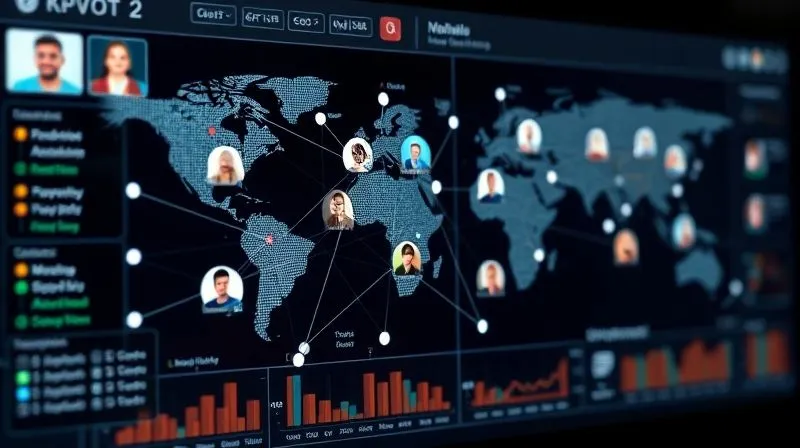
Key Protocols to Establish:
- Channel Matrix: Create a clear guide on which communication tool to use for what purpose (e.g., Slack for quick questions, Jira for task updates, Zoom for weekly syncs).
- Response Time Expectations: Define acceptable response times for emails, messages, and urgent requests across different time zones.
- Meeting Agendas & Summaries: Insist on detailed agendas sent in advance and comprehensive summaries/action items distributed promptly after meetings.
- Documentation Standards: Establish a shared repository for project documents, decisions, and knowledge bases to minimize reliance on informal communication.
| Communication Tool | Best Use Case | Cultural Consideration |
|---|---|---|
| Formal announcements, detailed reports, asynchronous updates | Formal tone, clear subject lines, avoid jargon. | |
| Instant Messaging (Slack, Teams) | Quick questions, informal updates, urgent alerts | Be mindful of emoji use, avoid slang, respect working hours. |
| Video Conferencing (Zoom, Google Meet) | Brainstorming, complex discussions, relationship building | Set clear agendas, encourage participation, manage turn-taking, respect time zones. |
| Project Management Software (Asana, Jira) | Task tracking, progress updates, documentation of decisions | Ensure all updates are clear and concise, avoid ambiguity in assignments. |
5. Navigating Conflict: A Cross-Cultural Approach
Conflict is an inevitable part of any team dynamic, but in global teams, cultural differences can significantly complicate its resolution. What one culture perceives as a constructive debate, another might see as a personal attack. I've witnessed how mishandled cross-cultural conflicts can escalate rapidly, leading to irreparable damage to relationships and project momentum. Effective conflict resolution in a global context requires understanding these diverse approaches and adapting your strategy accordingly.
Some cultures prefer direct confrontation to resolve issues swiftly, while others favor indirect methods, mediation, or consensus-building to preserve harmony. For instance, in some Asian cultures, 'saving face' is paramount, meaning criticism, especially in public, can be deeply damaging. Conversely, some Western cultures might value directness and transparency, seeing indirectness as dishonest. Understanding these underlying values is crucial for preventing costly cross-cultural miscommunications when disagreements arise. As experts like Erin Meyer highlight in her work on the 'Culture Map,' recognizing these differences is the first step to effective collaboration.
Strategies for Cross-Cultural Conflict Resolution:
- Acknowledge Cultural Differences: Explicitly state that different cultural norms might be influencing the conflict and that understanding is the goal.
- Focus on Facts, Not Personalities: Frame discussions around objective data and project goals, rather than individual behaviors or perceived intentions.
- Use a Neutral Facilitator: If possible, bring in a neutral third party (internal or external) who is skilled in cross-cultural mediation.
- Seek Common Ground: Emphasize shared objectives and mutual benefits to re-align perspectives.
- Allow for 'Face-Saving': Provide opportunities for individuals to express concerns or change positions without feeling humiliated or losing respect.
6. Leadership's Role: Fostering an Inclusive Communication Culture
Ultimately, the responsibility for preventing costly cross-cultural miscommunications rests heavily on leadership. Leaders set the tone, model the behavior, and create the environment in which diverse teams either flourish or flounder. In my consultancy, I've seen that even with all the right tools and training, if leadership doesn't actively champion inclusive communication, efforts often fall short. It requires a conscious, consistent commitment to fostering an environment where every voice is heard and valued, irrespective of cultural background.
Effective global leaders don't just tolerate diversity; they actively leverage it. They understand that different perspectives lead to better problem-solving and innovation. This means actively encouraging open dialogue, demonstrating empathy, and being transparent about their own learning journey. They must be cultural navigators themselves, capable of translating between different communication styles and mediating misunderstandings. According to a Deloitte study, inclusive companies are six times more innovative and agile, underscoring the business imperative of strong cultural leadership.

How Leaders Can Drive Inclusive Communication:
- Model the Behavior: Leaders must demonstrate high CQ, active listening, and a willingness to adapt their own communication style.
- Create Safe Spaces: Establish forums where team members feel comfortable sharing concerns or asking for clarification without fear of judgment.
- Invest in Training: Provide resources and opportunities for ongoing cultural intelligence and communication skills training for all team members.
- Regular Check-ins: Implement regular one-on-ones and team meetings specifically to discuss communication effectiveness and cultural dynamics.
- Recognize and Reward: Acknowledge and celebrate individuals and teams who demonstrate exemplary cross-cultural communication and collaboration.
7. Continuous Learning and Adaptation: The Long Game
Preventing costly cross-cultural miscommunications is not a one-time fix; it's an ongoing journey of learning and adaptation. The global landscape is constantly evolving, new cultures join teams, and geopolitical factors shift. What worked yesterday might not be sufficient tomorrow. In my career, I've seen organizations that initially excelled in cross-cultural communication eventually fall behind because they became complacent. The most successful global teams are those that embed a culture of continuous learning and iterative improvement into their DNA.
This means regularly revisiting communication protocols, updating training materials, and actively seeking feedback from team members about their experiences. It's about fostering a growth mindset where cultural misunderstandings are viewed not as failures, but as valuable learning opportunities. As Forbes often points out, a culture of continuous learning is crucial for sustained success in a rapidly changing world. This applies exponentially to the complexities of international collaboration.
Strategies for Sustained Improvement:
- Regular Feedback Loops: Implement anonymous surveys or facilitated discussions to gather feedback on communication effectiveness and cultural challenges.
- Post-Project Reviews: Include a dedicated section in post-project debriefs to analyze cross-cultural communication successes and failures, identifying lessons learned.
- Cultural Ambassadors: Designate team members as 'cultural ambassadors' who can offer insights or support when cultural questions arise.
- Stay Informed: Encourage team members to stay updated on global current events, cultural trends, and geopolitical shifts that might impact communication.
- Adapt Tools & Training: Periodically review and update communication tools and training modules to reflect new insights and team compositions.
Frequently Asked Questions (FAQ)
Question? How can I address communication issues when there's a significant power distance between team members from different cultures?
Detailed answer: This is a common challenge. In high power distance cultures, junior members may be hesitant to speak up or challenge superiors, potentially leading to critical information being withheld. Leaders must actively create 'safe spaces' for communication. This can involve using anonymous feedback channels, holding one-on-one check-ins, or employing a 'round robin' approach in meetings where everyone is explicitly invited to speak. It's also crucial for senior leaders to model humility and actively solicit input, demonstrating that diverse perspectives are truly valued, not just tolerated. Explicitly stating that 'no idea is a bad idea' or 'my door is always open' can help, but consistent behavior is what truly builds trust.
Question? What if a team member consistently struggles with adapting their communication style, despite training?
Detailed answer: First, ensure the training was comprehensive and culturally sensitive itself. Sometimes, it's not a lack of willingness but a lack of specific, actionable tools. Provide personalized coaching or mentorship from a culturally intelligent colleague. Break down complex cultural adaptation into smaller, manageable steps. If persistent issues remain, it might require a frank, empathetic conversation about the impact of their communication on team dynamics and project success. It’s important to distinguish between a genuine struggle and a lack of effort. In some cases, roles or team assignments might need to be adjusted to minimize friction, but the primary goal should always be growth and adaptation.
Question? How do we manage different perceptions of time and deadlines across global teams?
Detailed answer: This is a classic source of cross-cultural miscommunications. Monochronic cultures (e.g., Germany, USA) view time as linear and finite, emphasizing punctuality and strict adherence to schedules. Polychronic cultures (e.g., Latin America, Middle East) view time more fluidly, prioritizing relationships and multiple tasks simultaneously. To manage this, establish clear, explicit deadlines and break down projects into smaller, measurable milestones. Communicate expectations repeatedly and clarify the consequences of missed deadlines. Use shared project management tools to provide transparent progress updates. Most importantly, build buffer time into schedules for cross-cultural projects and encourage early communication if delays are anticipated, fostering a culture of proactive problem-solving rather than reactive blame.
Question? Is it possible to be 'too culturally sensitive' and risk losing efficiency or directness?
Detailed answer: This is a valid concern. The goal isn't to walk on eggshells or dilute communication to the point of ineffectiveness. It's about being 'culturally intelligent,' which implies knowing when and how to adapt, and when to maintain your own authentic style while explaining it. The key is balance. While directness might be valued in your culture, understanding how it's perceived elsewhere allows you to frame your message more effectively, perhaps by adding context or softening the delivery without losing the core message. It’s about being strategic, not timid. Efficiency comes from clarity and understanding, not just speed. Sometimes, taking a moment to ensure cultural resonance prevents costly rework later.
Question? How can virtual global teams foster trust and rapport when in-person interactions are rare?
Detailed answer: Building trust virtually requires intentional effort. Firstly, encourage regular video calls (not just audio) to allow for non-verbal cues and personal connection. Dedicate time in meetings for informal 'water cooler' chat. Implement virtual team-building activities that are culturally inclusive. Leaders should prioritize one-on-one virtual check-ins to build personal rapport. Encourage sharing of personal stories or cultural insights. Tools that facilitate asynchronous collaboration can also reduce pressure and allow team members to contribute thoughtfully without real-time language or cultural barriers. The emphasis should be on consistent, transparent, and empathetic communication, making sure everyone feels seen and heard, regardless of physical distance.
Key Takeaways and Final Thoughts
Preventing costly cross-cultural miscommunications in global teams is not an insurmountable challenge, but a strategic imperative that requires deliberate effort and ongoing commitment. It's about moving beyond superficial understanding to deep cultural intelligence, embracing diversity as a strength, and implementing robust communication frameworks.
- Invest in Cultural Intelligence (CQ): Empower your team with the skills to understand, adapt, and thrive in diverse environments.
- Establish Clear Protocols: Remove ambiguity by defining communication channels, expectations, and documentation standards.
- Master Active Listening: Encourage deep understanding over mere hearing, paying attention to both verbal and non-verbal cues.
- Lead with Empathy and Inclusion: Leaders must model desired behaviors and foster a safe environment for open, honest cross-cultural dialogue.
- Embrace Continuous Learning: Recognize that cultural competence is a journey, not a destination, requiring constant adaptation and feedback.
By integrating these strategies, you're not just preventing costly missteps; you're unlocking the full potential of your global teams. You’re building bridges of understanding that lead to enhanced innovation, stronger relationships, and ultimately, sustained success in the international arena. It's an investment that pays dividends far beyond the balance sheet, fostering a truly connected and effective global workforce. Embrace the journey, and watch your global teams flourish.
Recommended Reading
- The Hidden Peril: Unmasking the Legal Risks of Misclassifying Workers
- Navigating Global Teams: 7 Strategies When Cultural Norms Clash
- How to Fix Supply Chain Labor Exploitation Scandal Fallout: A 7-Step Plan
- Why Product Innovation Fails to Launch? 7 Core Fixes for Breakthrough Success
- Validate Your Product Idea: 5 Low-Cost Strategies for Small Businesses





Comments
Leave a comment below. Your email will not be published. Required fields marked with *