


Why Did Our Process Improvement Consulting Fail to Deliver Results?
For over 15 years in the consulting arena, specializing in operational excellence and strategic transformations, I've seen countless organizations invest heavily in process improvement initiatives, only to be left wondering: “Why did our process improvement consulting fail to deliver results?” It's a question that echoes through boardrooms and breaks the morale of dedicated teams, leaving a trail of wasted resources and missed opportunities.
The pain of a failed initiative is palpable. You engaged a consultant, laid out your challenges, and eagerly anticipated a revitalized, efficient operation. Yet, months later, you find yourselves back at square one, perhaps even more disillusioned than before. This isn't just about a project falling short; it's about a breach of trust, a setback for innovation, and a drain on your organization's precious energy and capital.
In this definitive guide, I'll pull back the curtain on the most common, yet often overlooked, reasons why process improvement consulting efforts falter. Drawing from my extensive experience, I'll provide you with actionable frameworks, real-world insights, and practical steps to not only diagnose what went wrong but, more importantly, to build a resilient strategy for future success. We'll explore everything from foundational missteps to cultural resistance, ensuring you have the tools to turn past failures into future triumphs.
The Foundation Cracks: Misaligned Objectives and Poor Scoping
Often, the seeds of failure are sown long before a consultant even steps through the door. A significant reason why process improvement consulting fail to deliver results stems from a shaky foundation – specifically, a lack of clear objectives and inadequate scoping. Without a precise target, even the most skilled consultant can lose their way.
Lack of Clear, Measurable Goals
I've encountered situations where clients simply wanted 'better processes' or 'more efficiency.' While admirable, these are aspirations, not measurable goals. Without defining what 'better' or 'more efficient' specifically looks like – in terms of quantifiable metrics like reduced cycle time, decreased error rates, or increased throughput – success becomes subjective and elusive. It's like embarking on a journey without a destination in mind; any path will do, but none will lead to a truly desired outcome.
This ambiguity creates a ripple effect. Consultants struggle to prioritize, teams lack direction, and ultimately, the project drifts without a clear north star. The initial engagement might look promising, but without specific KPIs tied to the overall business strategy, demonstrating ROI becomes impossible, leading to the perception of failure.
- Define SMART Goals: Ensure your objectives are Specific, Measurable, Achievable, Relevant, and Time-bound. Instead of 'improve customer service,' aim for 'reduce average customer call wait time by 20% within six months.'
- Align with Strategic Priorities: Every process improvement goal should directly support a broader organizational strategy. If it doesn't, question its necessity.
- Establish Baseline Metrics: Before any changes are made, meticulously document the current performance metrics. This provides a crucial benchmark against which to measure progress and validate results.
- Communicate Goals Widely: Ensure everyone involved, from the executive sponsor to the front-line employee, understands the project's goals and how their role contributes to achieving them.
"A goal without a plan is just a wish. A process improvement initiative without clear, measurable goals is a costly gamble." - Industry Proverb
Ignoring the 'As-Is' Reality and Data Gaps
Another critical misstep I frequently observe is the rush to define the 'to-be' state without a thorough understanding of the 'as-is' reality. Many organizations, eager for change, skip the painstaking but essential step of deep-diving into their current processes, assuming they already know where the problems lie. This often leads to solutions that address symptoms rather than root causes, or worse, create new inefficiencies.
A true understanding of the current state requires robust data collection and analysis, not just anecdotal evidence. This means mapping existing processes, identifying bottlenecks, understanding resource allocation, and quantifying current performance. When this step is superficial, or when there are significant data gaps, the recommendations from consulting efforts are built on quicksand, destined to crumble under real-world conditions.

According to a Harvard Business Review article on Business Process Reengineering, a failure to understand the existing process deeply is a primary reason for reengineering failures. Consultants might be pressured to move quickly, but skipping this diagnostic phase is a false economy. It's vital to challenge assumptions and rely on data, even if it's uncomfortable to confront the current state's shortcomings.
Consider the following comparison:
| Aspect | Failed Approach | Successful Approach |
|---|---|---|
| Process Documentation | Relied on anecdotal descriptions, outdated manuals | Detailed process mapping, stakeholder interviews, time studies |
| Data Collection | Used limited, easily accessible data; ignored data gaps | Identified critical data points, implemented temporary tracking, addressed data quality issues |
| Problem Identification | Focused on obvious symptoms (e.g., slow approvals) | Identified root causes (e.g., lack of clear decision matrix, system dependencies) |
The People Problem: Resistance, Communication, and Capability Gaps
Even with perfectly defined goals and a pristine understanding of current processes, human factors can derail any process improvement initiative. I've witnessed firsthand how a lack of attention to the 'people side' can be a major reason why process improvement consulting fail to deliver results, turning promising projects into frustrating exercises in futility.
Underestimating Change Management
People are creatures of habit. Introducing new processes, even if objectively superior, can trigger fear, uncertainty, and resistance. This isn't necessarily malice; it's a natural human response to disruption. Many organizations and their consultants make the grave error of focusing solely on the technical aspects of process change, neglecting the crucial discipline of change management. They assume that if the new process is logical, people will simply adopt it.
This oversight is a recipe for disaster. Employees may passively resist by reverting to old habits, actively sabotage the new system, or simply disengage. Without a structured approach to preparing, equipping, and supporting individuals through the transition, even the best-designed processes will languish unimplemented.
Case Study: How Apex Solutions Overcame Implementation Resistance
Apex Solutions, a mid-sized IT services firm, engaged a consultant to streamline their project delivery workflow. The initial rollout of the new process was met with significant employee pushback – project managers felt micro-managed, and engineers saw it as unnecessary bureaucracy. The consulting engagement was on the verge of being labeled a failure.
Recognizing the issue, I advised them to pause the technical implementation and focus on a robust change management strategy. This involved:
- Leadership Alignment: Ensuring senior management visibly championed the change and communicated the 'why.'
- Impact Assessment: Identifying which employee groups would be most affected and understanding their concerns.
- Communication Plan: Developing a multi-channel communication strategy that addressed anxieties, explained benefits, and provided regular updates.
- Training & Support: Implementing hands-on training sessions, creating champions within teams, and establishing clear support channels.
- Feedback Loops: Actively soliciting feedback and making minor adjustments to the process where practical, demonstrating that employee input was valued.
By shifting focus to the human element, Apex Solutions successfully integrated the new workflow within four months, leading to a 15% reduction in project overruns and a significant boost in team morale. This clearly demonstrated that addressing the 'people problem' is as crucial as optimizing the process itself. For more insights into structured change management, explore resources from organizations like Prosci, a leader in the field.
Insufficient Stakeholder Engagement and Communication
Process improvement isn't a top-down mandate that can be implemented in a vacuum. It requires buy-in and active participation from all levels of the organization. A common oversight I witness is inadequate stakeholder engagement, particularly with those who will be directly using or affected by the new processes. When stakeholders feel excluded from the design process, they're less likely to embrace the outcome.
Effective communication goes beyond announcing changes; it involves creating a dialogue. It means actively listening to concerns, incorporating valuable feedback, and transparently explaining decisions. When communication is one-way or infrequent, rumors fill the void, creating distrust and undermining the consulting efforts. This is a primary contributor to why process improvement consulting can fail to deliver results.
- Identify Key Stakeholders: Map out all individuals and groups who will be impacted, from executive sponsors to end-users.
- Establish a Communication Plan: Define what information will be shared, by whom, through what channels, and how frequently.
- Create Feedback Mechanisms: Implement surveys, town halls, focus groups, and suggestion boxes to ensure two-way communication.
- Involve Users in Design: Where possible, include end-users in process mapping and design workshops. Their practical insights are invaluable.
"The biggest problem in communication is the illusion that it has taken place." - George Bernard Shaw (paraphrased for business context)
Flawed Execution: From Strategy to Sustained Change
Even with brilliant strategies and engaged stakeholders, the journey from conceptual design to operational reality is fraught with challenges. Many initiatives stumble during the execution phase, highlighting another key reason why process improvement consulting fail to deliver results.
Lack of a Robust Implementation Roadmap
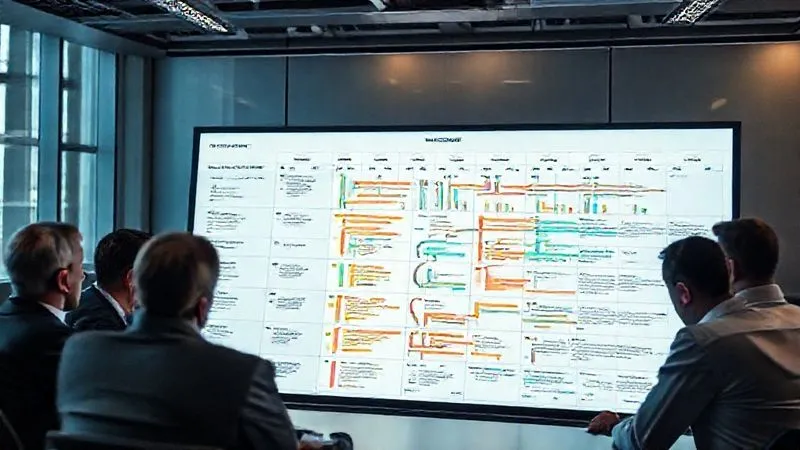
A beautifully designed 'to-be' process is merely a blueprint. Without a detailed, phased implementation roadmap, it remains just that – a concept. I've seen consultants deliver comprehensive reports detailing optimal processes, only for the client to be left wondering how to actually *make it happen*. The roadmap should break down the transformation into manageable steps, assign responsibilities, set timelines, and identify necessary resources and dependencies.
A common pitfall is underestimating the complexity of implementation, especially when it involves technology integration, training large groups, or coordinating across multiple departments. Without a clear project plan, progress becomes haphazard, milestones are missed, and momentum is lost. This often leads to projects stalling indefinitely, with the blame often falling squarely on the consulting engagement.
Failure to Empower Internal Teams and Transfer Knowledge
A successful consulting engagement shouldn't just deliver a solution; it should empower the client to sustain and evolve that solution independently. A critical failure point arises when consultants act as sole operators, completing tasks without adequately transferring knowledge and capabilities to the internal team. When the consultants leave, the organization is left without the expertise to maintain, troubleshoot, or further improve the new processes.
This lack of knowledge transfer is a fundamental reason why process improvement consulting fail to deliver results in the long term. It fosters dependency rather than capability. My approach has always emphasized embedding consultants within client teams, providing hands-on training, mentorship, and creating internal 'champions' who can carry the torch forward. It's not enough to tell an organization what to do; you must show them how to do it and equip them to continue doing it themselves.
"Give a man a fish, and you feed him for a day; teach a man to fish, and you feed him for a lifetime." - Ancient Proverb
This principle is profoundly true in consulting. Sustainable process improvement requires internal ownership and capability. Organizations must insist on a knowledge transfer plan as part of the consulting agreement, ensuring that their teams are upskilled and ready to take the reins. Without this, the investment in consulting becomes a temporary fix rather than a lasting transformation.
The Measurement Muddle: Inadequate Tracking and Accountability
How do you know if a process improvement initiative has been successful if you're not measuring its impact? The answer is, you don't. A significant reason why process improvement consulting fail to deliver results is a fundamental breakdown in establishing robust measurement systems and maintaining accountability post-implementation.
Defining the Right KPIs and Baselines
As mentioned earlier, clear, measurable goals are paramount. However, even when goals are set, the specific Key Performance Indicators (KPIs) chosen to track progress can be inadequate or incorrectly defined. Sometimes, organizations focus on vanity metrics that don't truly reflect operational efficiency or customer satisfaction. Other times, they fail to establish accurate baselines, making it impossible to demonstrate improvement definitively.
Effective measurement involves identifying KPIs that directly correlate to the desired outcomes of the process improvement. These should be balanced, covering efficiency, quality, cost, and customer experience. Moreover, the data collection methods for these KPIs must be reliable and consistent. Without this rigor, any claims of success or failure are purely speculative, undermining the entire consulting effort.
For example, if the goal is to improve order fulfillment, relevant KPIs might include:
| KPI Category | Example KPIs |
|---|---|
| Efficiency | Order Cycle Time, Inventory Turnover, Labor Utilization |
| Quality | Order Accuracy Rate, Returns/Defects Rate, Customer Complaint Rate |
| Cost | Cost Per Order, Waste Reduction, Overtime Hours |
| Customer Satisfaction | Net Promoter Score (NPS), On-Time Delivery Rate |
Choosing the right KPIs requires a deep understanding of the process and its impact on the business. For further reading on selecting effective KPIs, resources like Forbes' guide on choosing the right KPIs can be highly beneficial.
Ignoring Post-Implementation Monitoring and Adjustment
The work doesn't end once the new process is implemented. In fact, that's often when the real learning begins. Many organizations fall into the trap of 'set it and forget it,' believing that once a process is optimized, it will remain optimal indefinitely. This static view is a significant reason why process improvement consulting fail to deliver results in the long run.
Processes are dynamic; they are affected by changes in technology, market conditions, customer expectations, and internal capabilities. Without continuous monitoring, auditing, and a mechanism for iterative adjustments, even the most brilliant process design will degrade over time. Post-implementation monitoring allows organizations to identify new bottlenecks, address unforeseen issues, and fine-tune processes for even greater efficiency.

Establishing a governance structure, assigning process owners, and scheduling regular reviews are crucial for sustaining gains. This continuous improvement mindset is what separates truly successful organizations from those that experience repeated consulting failures. It’s about embedding a culture where optimization is an ongoing journey, not a one-time project.
Consultant-Side Blunders: Choosing the Wrong Partner
While many reasons for failure lie within the client organization, sometimes the issue stems from the consulting partner itself. The selection of a consulting firm is a critical decision, and a poor choice can be a direct cause of why process improvement consulting fail to deliver results.
Misaligned Expertise or Lack of Practical Experience
Not all consultants are created equal, and not all firms possess the specific expertise required for every unique challenge. I've observed situations where organizations hire a reputable generalist firm for a highly niche process improvement problem. While the firm might have excellent strategists, they may lack the deep, practical experience in a specific industry or functional area (e.g., highly regulated manufacturing, complex supply chain logistics, specialized software development workflows).
Similarly, some consultants, while academically brilliant, may lack the practical, hands-on experience of actually implementing and living with the processes they design. This can lead to theoretical solutions that are elegant on paper but impractical or impossible to execute in the real world. When evaluating potential partners, it's crucial to look beyond impressive presentations and scrutinize their direct, relevant experience and their track record of tangible results in similar contexts.
The 'Cookie-Cutter' Approach vs. Tailored Solutions
A red flag I always look for is a consultant who arrives with a pre-packaged, 'cookie-cutter' solution before truly understanding the client's unique circumstances. While frameworks and best practices are valuable, every organization has its own culture, legacy systems, market dynamics, and operational nuances. A one-size-fits-all approach rarely delivers optimal results and often leads to significant friction during implementation.
Effective process improvement consulting involves a deep diagnostic phase, listening intently, and co-creating solutions that are tailored to the client's specific context. Consultants who prioritize understanding over immediate solutioning are more likely to deliver sustainable, impactful change. When solutions feel generic or ill-fitting, it's a clear indicator of why process improvement consulting can fail to deliver results.
"The wise consultant knows that every organization is a unique ecosystem, requiring bespoke care, not off-the-shelf medication." - My Personal Insight
Before engaging a firm, conduct thorough due diligence. Speak to references, ask for specific case studies relevant to your industry, and ensure their proposed methodology emphasizes discovery and customization. A great resource for evaluating consulting partners can be found in articles discussing how to choose the right consulting firm, which often highlight the importance of fit and specialized expertise.
Sustaining Momentum: Beyond the Initial Project Scope
The true measure of a successful process improvement initiative isn't just the initial implementation, but its long-term sustainability. Many efforts falter because organizations fail to embed the changes and foster a culture of continuous improvement, leading to a regress to old habits. This lack of enduring momentum is a subtle yet powerful reason why process improvement consulting fail to deliver results.
Embedding a Culture of Continuous Improvement
Process improvement should not be seen as a one-off project but as an ongoing organizational capability. If the consulting engagement is treated as a temporary intervention, the gains achieved will likely erode over time. A sustainable approach involves cultivating a culture where employees at all levels are empowered and encouraged to identify inefficiencies, suggest improvements, and take ownership of process optimization.
This requires leadership commitment, training in methodologies like Lean or Six Sigma for internal teams, and creating formal and informal channels for feedback and innovation. When continuous improvement becomes part of the organizational DNA, the benefits of consulting are amplified and perpetuated, long after the consultants have departed.
Leadership Buy-in and Ongoing Sponsorship
Finally, strong, visible leadership buy-in and ongoing sponsorship are non-negotiable for long-term success. If senior leadership views process improvement as merely an operational task to delegate, rather than a strategic imperative, the initiative will struggle to gain traction and secure necessary resources. Leaders must not only champion the initial change but also actively participate in reviews, celebrate successes, and hold teams accountable for sustaining the improvements.
Their unwavering commitment signals to the entire organization that these changes are serious and here to stay. Without this consistent top-level support, old habits creep back, new initiatives fail to launch, and the organization quickly forgets the lessons learned from previous consulting efforts. It's the sustained belief and investment from the top that truly ensures why process improvement consulting fail to deliver results is a question that never needs to be asked again within your organization.

Frequently Asked Questions (FAQ)
Q: How can we prevent 'consultant dependency' after the project concludes? The key is to integrate knowledge transfer and capability building into the consulting agreement from day one. Insist on joint teams, hands-on training, and the development of internal champions. Ensure the consultant's deliverables include not just solutions, but also training materials, documentation, and a clear transition plan for internal ownership. Focus on 'teaching your team to fish' rather than just 'giving them a fish.'
Q: What's the biggest red flag when selecting a process improvement consultant? For me, the biggest red flag is a consultant who immediately proposes a solution without first conducting a thorough, data-driven diagnostic of your unique 'as-is' situation. If they're not asking deep, probing questions about your specific challenges, culture, and data, they're likely offering a generic solution that won't fit your needs.
Q: Our employees are resistant to change. How do we overcome this without alienating them? Overcoming resistance requires empathy, clear communication, and involvement. Start by explaining the 'why' behind the change – how it benefits them, the customer, and the company. Involve them in the design process where possible, listen to their concerns, and provide ample training and support. Leadership must visibly champion the change, and early successes should be celebrated to build momentum.
Q: How long should it take to see results from process improvement consulting? The timeline varies significantly based on the scope and complexity of the initiative. Quick wins, targeting immediate bottlenecks, might show results within weeks or a few months. Larger, transformational changes impacting multiple departments could take 6-12 months to show significant, measurable impact. It's crucial to define realistic timelines and intermediate milestones during the planning phase.
Q: Is it always necessary to hire external consultants for process improvement? Not always. If your organization has strong internal expertise in process analysis, change management, and project execution, you might be able to manage initiatives internally. However, consultants bring an objective, external perspective, specialized methodologies, and often accelerate the process due to their focused expertise and experience across various industries. They can also act as catalysts for change that internal teams might struggle to initiate.
Key Takeaways and Final Thoughts
Navigating the complexities of process improvement can be challenging, and it's disheartening when significant investments don't yield the anticipated returns. However, understanding why process improvement consulting fail to deliver results is the first step toward ensuring future success. It's rarely a single catastrophic error, but rather a confluence of missteps across planning, people, execution, and measurement.
- Define with Precision: Always start with crystal-clear, measurable goals aligned with strategic objectives.
- Know Your 'As-Is': Invest in a deep, data-driven understanding of your current processes before envisioning the 'to-be.'
- Embrace the Human Element: Prioritize change management, engage stakeholders, and foster open communication.
- Plan for Execution: Develop a robust, phased implementation roadmap and ensure thorough knowledge transfer.
- Measure Relentlessly: Establish relevant KPIs, track progress diligently, and commit to continuous monitoring and adjustment.
- Choose Wisely: Select consulting partners whose expertise aligns perfectly with your specific challenges and who offer tailored, not generic, solutions.
- Lead from the Top: Secure unwavering leadership buy-in and sponsorship to embed a culture of continuous improvement.
Process improvement is an ongoing journey, not a destination. By addressing these common pitfalls, you can transform past disappointments into valuable lessons, ensuring your next consulting engagement delivers tangible, sustainable results. The path to operational excellence is within reach, provided you approach it with clarity, commitment, and a holistic understanding of both process and people. Don't let past failures define your future; instead, empower your organization to build truly efficient, resilient, and thriving operations.
Recommended Reading
- Eliminate Glare: The Ultimate Guide to Solving Reflections in Shiny Product Photography
- Cut 15% Costs: 7 Proven Ways to Boost Help Desk FCR Rates
- Protect Your Savings: 7 Ways to Mitigate Inflation Risk in Fixed Income
- 5 Steps: Implement Strategic Thinking Despite Daily Overwhelm?
- Sole Source Supplier Bankruptcy? 7 Steps to Safeguard Your Operations





Comments
Leave a comment below. Your email will not be published. Required fields marked with *